
 By admin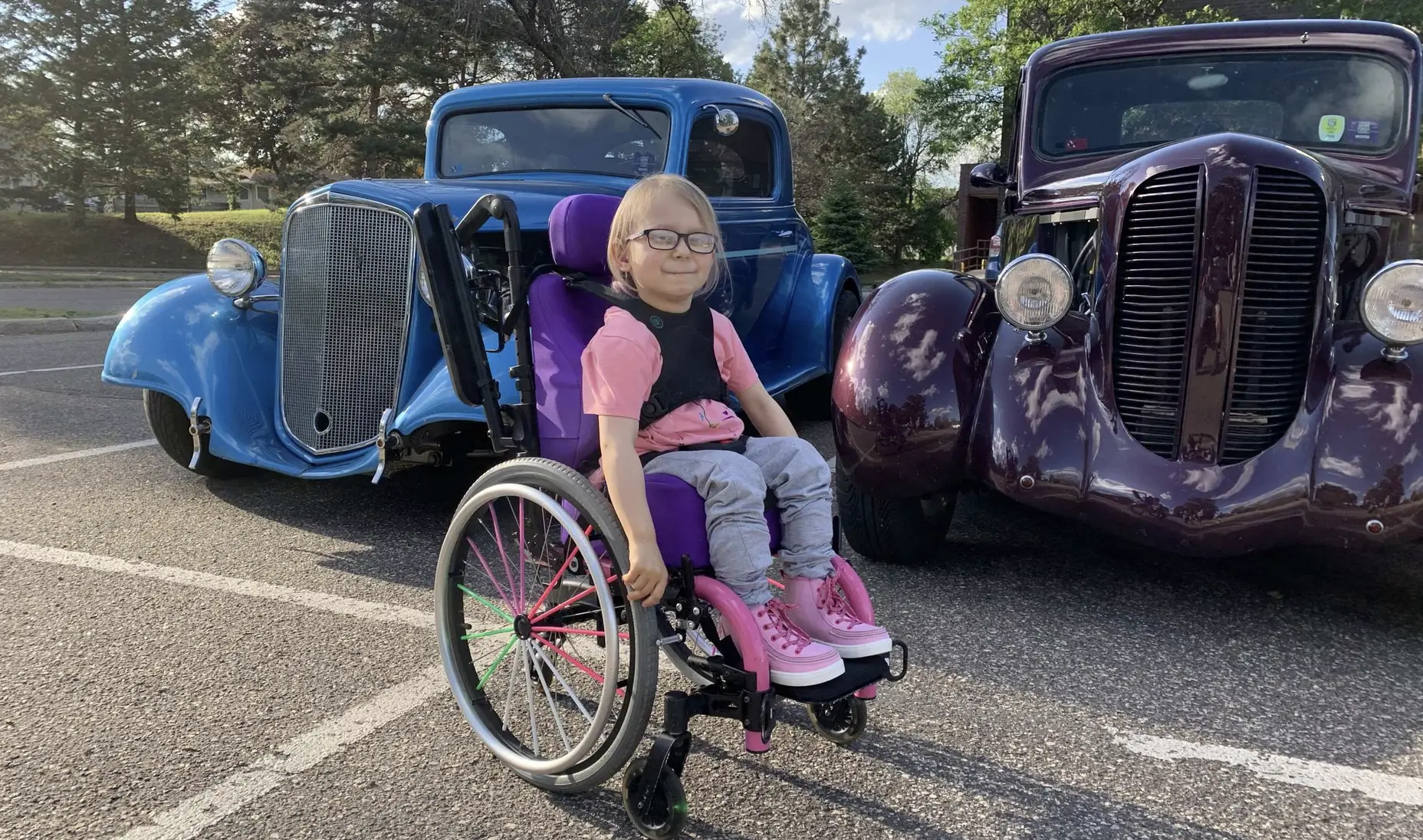
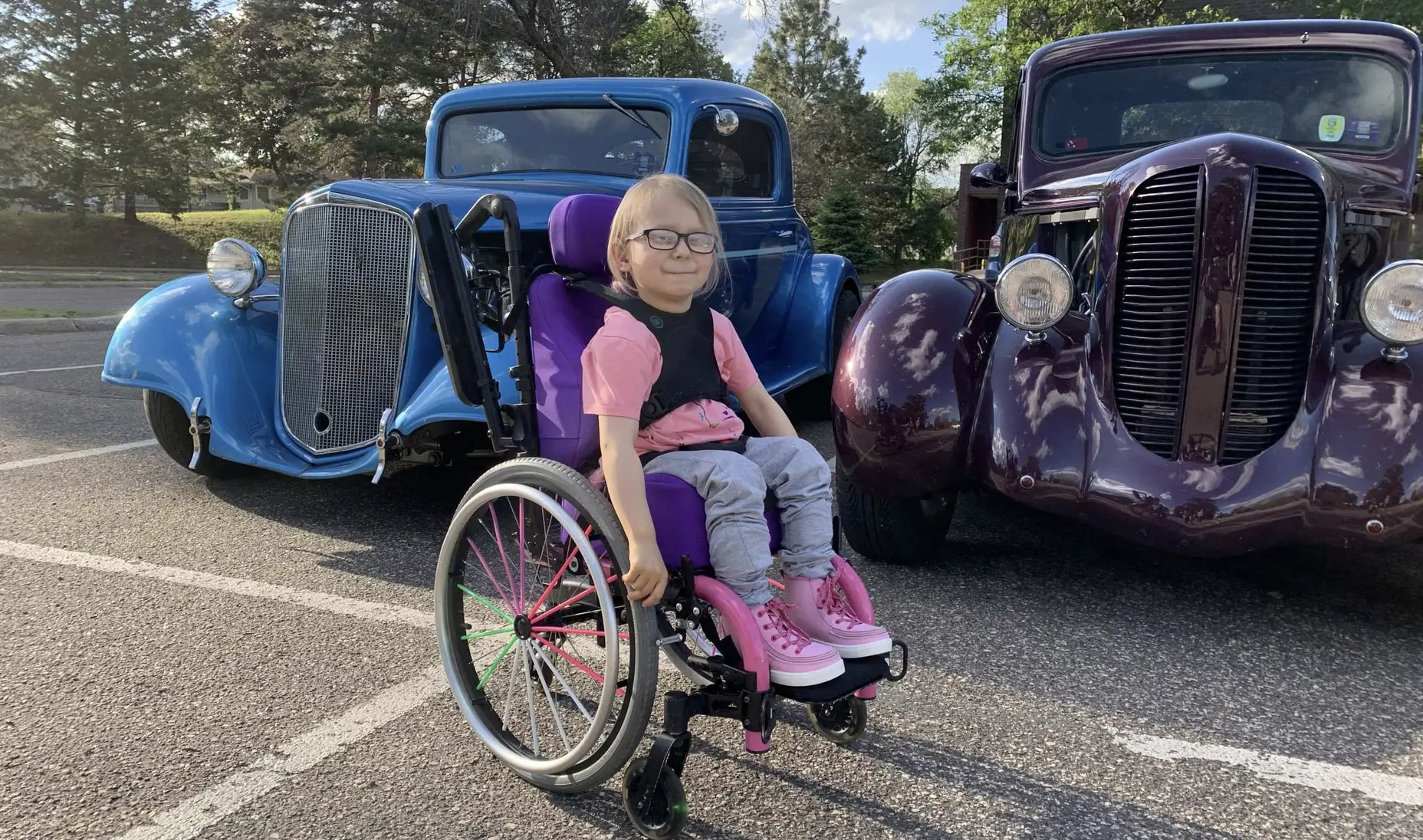
The transition from a healthy toddlerhood to a life-threatening medical crisis occurred with alarming speed for a young girl named Emma, whose family first noticed a devastating change when she was only two years old. Emma had not arrived at the clinic for a routine check-up or a minor ailment; rather, she had abruptly lost her ability to walk, a terrifying symptom that signaled a deep neurological disruption. Following an intensive battery of diagnostic tests, physicians identified the culprit: a neuroblastoma tumor pressing firmly against her spinal cord. This diagnosis marked the beginning of an arduous, multi-year odyssey through the American healthcare system, highlighting both the remarkable capabilities of modern pediatric oncology and the profound, lasting toll that aggressive cancer treatments exact on the youngest survivors.
The Clinical Chronology of High-Risk Neuroblastoma Treatment
Emma’s diagnosis of high-risk neuroblastoma necessitated an immediate and aggressive intervention strategy. Because the malignancy was classified as high-risk—indicating a high probability of metastasis and a resistance to standard therapies—her medical team at the Children’s Cancer Research Fund (CCRF) affiliated centers initiated a multimodal treatment protocol designed to attack the cancer from every possible angle.
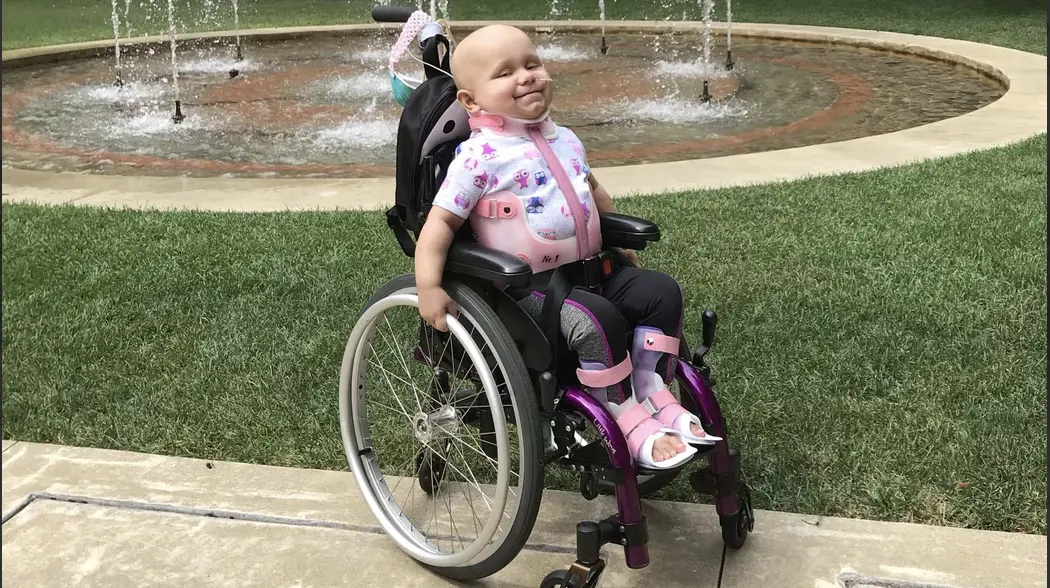
The timeline of Emma’s treatment serves as a testament to the intensity of pediatric cancer care. Over the course of 18 months, she remained largely confined to hospital environments, undergoing a sequence of procedures that would be taxing for an adult, let alone a two-year-old. The initial phase involved high-dose chemotherapy to shrink the primary tumor and address any systemic spread. This was followed by a complex spinal cord surgery to remove the mass that had paralyzed her, and a partial lung removal to address secondary complications.
To ensure the eradication of microscopic disease, Emma underwent proton beam radiation—a highly precise form of radiotherapy that targets tumors while minimizing damage to surrounding healthy tissue. Her treatment culminated in a grueling stem cell transplant and a course of immunotherapy. While these interventions were ultimately successful in achieving remission, the sheer volume of "toxic hits" to her developing body resulted in a new set of lifelong medical challenges.
The Biological Profile of Neuroblastoma
Neuroblastoma is a unique and often unpredictable cancer that originates in the sympathetic nervous system. It typically arises in the adrenal glands, which sit atop the kidneys, but can also develop in nerve tissues along the neck, chest, abdomen, or, as in Emma’s case, the spine. The disease occurs when immature nerve cells, known as neuroblasts, fail to mature into functioning nerve cells or fibers. Instead, they grow and divide uncontrollably, forming a solid mass.
According to oncological data, neuroblastoma accounts for approximately 7% to 10% of all childhood cancers and is the most common cancer diagnosed in infants. The medical community categorizes the disease into low-, intermediate-, and high-risk groups based on factors such as the age of the patient, the "stage" or spread of the cancer, and the presence of specific genetic markers, such as MYCN amplification.
The disparity in survival rates between these groups is stark. For patients with low-risk neuroblastoma, the five-year survival rate exceeds 95%, and many require minimal intervention. However, for those diagnosed with high-risk cases, the prognosis is significantly more guarded. Despite the most advanced treatments currently available, survival rates for high-risk neuroblastoma hover between 50% and 60%. This gap underscores the urgent need for the development of more effective, targeted therapies that can overcome the biological defenses of aggressive tumors.
The Lasting Legacy of Survivorship: Late Effects and Systemic Barriers
For Emma and thousands of children like her, the term "survivor" does not imply a return to a pre-cancer state. Instead, it marks the beginning of a "new normal" defined by the "late effects" of treatment. Emma now lives with profound hearing loss—a common side effect of platinum-based chemotherapy drugs like cisplatin—and permanent paralysis resulting from the initial tumor’s pressure on her spine.
Furthermore, the aggressive nature of her treatment has left her with a compromised immune system, rendering her more susceptible to common infections that a healthy child might easily fight off. The psychological impact is equally significant; Emma faces ongoing mental exhaustion and the persistent "scanxiety" or fear of relapse that haunts many pediatric cancer families.
Beyond the physical and emotional toll, Emma’s case highlights the systemic and geographic barriers to specialized pediatric care. Living in a rural area approximately an hour away from the nearest hospital, her family must navigate a fragmented care team spread across two different states. Accessing essential supportive services—such as physical therapy to manage her paralysis, occupational therapy for daily living skills, and speech therapy—requires significant logistical coordination and travel, adding a layer of "financial and temporal toxicity" to the family’s daily life.
New Research Horizons: The Promise of Gamma Delta T Cells
In response to the limitations of current therapies, the Children’s Cancer Research Fund is supporting pioneering research aimed at increasing survival rates while reducing the long-term toxicity of treatment. A cornerstone of this effort is a new study led by Kelly Goldsmith, MD, at Emory University. Dr. Goldsmith’s team is focusing on a novel form of immunotherapy that utilizes gamma delta (γδ) T cells.
Unlike the more common alpha beta T cells used in many current CAR-T therapies, gamma delta T cells possess unique properties that make them particularly well-suited for fighting neuroblastoma. These cells can recognize and attack cancer cells without the need for specific major histocompatibility complex (MHC) molecules, which cancer cells often "hide" to avoid detection by the immune system.
A critical component of Dr. Goldsmith’s research involves engineering these γδ T cells to target a specific protein known as GFRA2. This protein is frequently found on the surface of neuroblastoma cells, particularly those that have metastasized to the brain—a complication that is notoriously difficult to treat because the blood-brain barrier often blocks conventional chemotherapy drugs.
"By engineering these cells to be more persistent and specifically targeted to the GFRA2 protein, we hope to create a therapy that not only seeks out the cancer more effectively but stays active in the body long enough to prevent a recurrence," a CCRF research summary noted. This "off-the-shelf" potential—where cells can be harvested from healthy donors rather than the patient themselves—could also make the treatment more accessible and faster to administer than current personalized cell therapies.
Implications for the Future of Pediatric Oncology
The implications of Dr. Goldsmith’s research extend far beyond the laboratory. If successful, this novel immunotherapy could provide a lifeline for children with high-risk neuroblastoma that has become resistant to standard treatments. By targeting the cancer with greater precision, researchers aim to move away from the "scorched earth" approach of high-dose chemotherapy and radiation, potentially sparing future patients the debilitating late effects that Emma currently faces.
From a broader public health perspective, the study of γδ T cells may offer insights into treating other solid tumors in children and adults. The ability of these cells to penetrate the central nervous system could revolutionize the treatment of various brain-involved malignancies, which remain some of the most lethal forms of cancer.
However, the path from laboratory discovery to clinical application is long and requires sustained funding. Organizations like the CCRF play a vital role in bridging the "valley of death" in drug development—the gap between basic research and the large-scale clinical trials necessary for FDA approval.
Conclusion: A Call for Continued Innovation
Emma’s journey is a powerful reminder of both the progress made in pediatric oncology and the significant work that remains. While her survival is a victory, the challenges she faces daily underscore the fact that "curing" cancer must involve more than just the absence of disease; it must also include the preservation of a child’s quality of life.
The research being conducted at Emory University and other institutions nationwide offers a glimpse into a future where high-risk neuroblastoma is no longer a coin-flip diagnosis. As medical science moves toward more personalized and less toxic interventions, the hope is that the next generation of children diagnosed with this aggressive cancer will not only survive but thrive, free from the lifelong burdens of their treatment. For Emma and her family, the focus remains on navigating the complexities of the present while holding onto the hope that the innovations of today will prevent other families from enduring the same hardships.
