
 By admin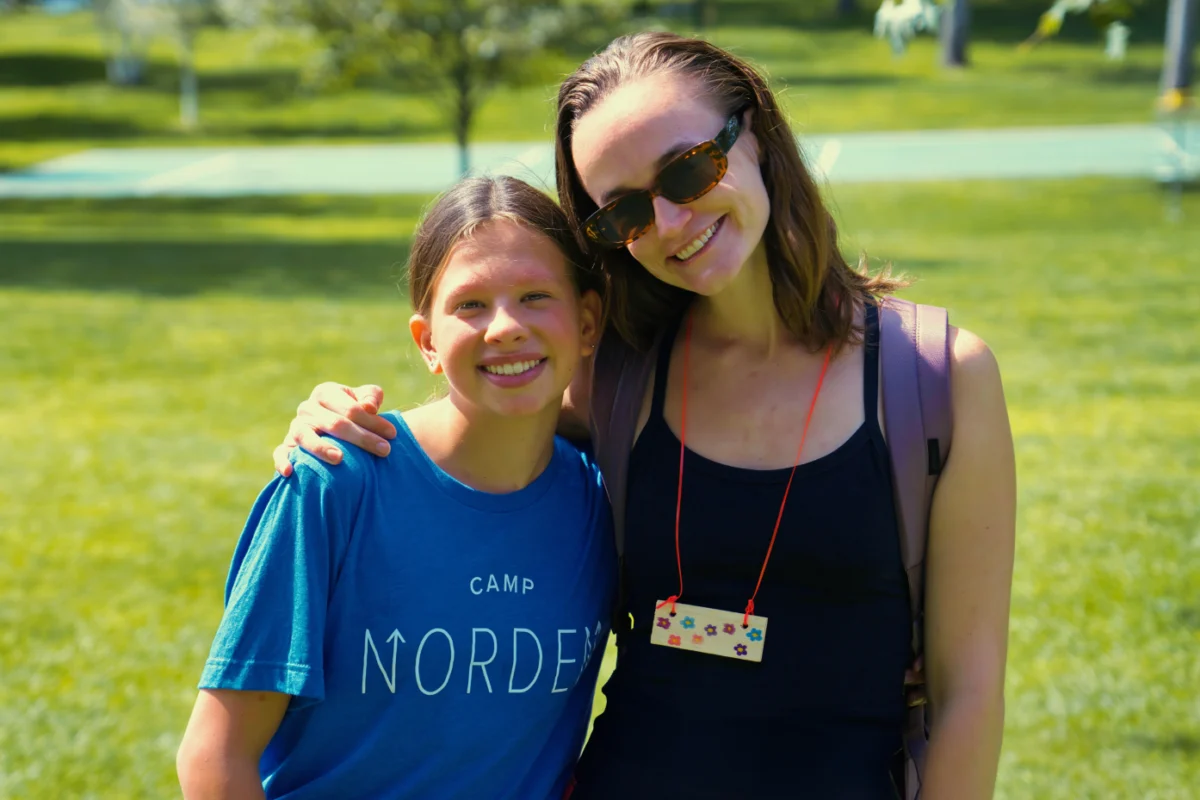
Camp Norden, a specialized summer program designed for children and adolescents impacted by cancer, continues to serve as a critical resource for pediatric patients seeking a reprieve from the rigors of medical treatment. Located at the Camp Knutson facilities in Crosslake, Minnesota, the program provides a structured yet liberating environment for campers aged 8 to 17. By offering a curriculum centered on "freedom from diagnosis," the camp addresses the psychosocial needs of young people who have faced life-altering medical challenges. Supported by the Children’s Cancer Research Fund (CCRF), Camp Norden operates on a model that prioritizes safety, inclusion, and the restoration of a sense of normalcy for children who have spent significant portions of their lives in clinical settings.
A Sanctuary Beyond the Clinical Setting
For children diagnosed with cancer, the trajectory of daily life is often defined by limitations. Treatment protocols involving chemotherapy, radiation, and surgery frequently result in isolation from peers and a loss of autonomy. Camp Norden was established to counteract this phenomenon, providing a space where the identity of "patient" is replaced by that is "camper." The program is open to children currently undergoing treatment as well as those in remission, ensuring a diverse community of survivors who share a common understanding of the cancer journey.
The facility at Camp Knutson is uniquely equipped to handle the complexities of pediatric oncology. While the atmosphere is that of a traditional summer camp, the infrastructure includes comprehensive medical supervision. This allows campers to participate in high-energy activities—such as swimming, hiking, and competitive games—with the assurance that their health needs are being monitored by professionals familiar with the nuances of oncology care. According to Camp Norden co-director Mindy Dykes, the primary objective is to allow kids to "be kids" rather than patients, effectively putting their diagnosis on the "back burner" for the duration of their stay.
The Evolution of Therapeutic Recreation in Pediatric Oncology
The concept of therapeutic recreation for pediatric cancer patients has evolved significantly over the last four decades. Historically, medical care focused almost exclusively on physical survival. However, as survival rates for many pediatric cancers have improved—now exceeding 80% for many types of childhood leukemia and lymphomas—the medical community has shifted its focus toward the long-term psychosocial well-being of survivors.
Programs like Camp Norden are a response to research indicating that children with chronic illnesses are at a higher risk for social anxiety, depression, and feelings of alienation. By placing these children in an environment where their physical scars or medical histories are the norm rather than the exception, the "stigma" of the disease is neutralized. This peer-supported environment fosters resilience and self-esteem, which are essential components of long-term recovery and survivorship.
Chronology of the Camp Experience: A Week of Transformation
The structure of a week at Camp Norden is meticulously planned to maximize engagement and build social bonds. The schedule transitions from initial ice-breaking activities to high-stakes team competitions, culminating in a series of celebratory events.
Arrival and Integration
The first 48 hours are dedicated to orientation and community building. For many first-time attendees, this period is marked by a mixture of excitement and apprehension. Staff members and returning campers work to integrate new arrivals, many of whom have never spent a night away from their families or the hospital.
Mid-Week: The Spirit of Competition
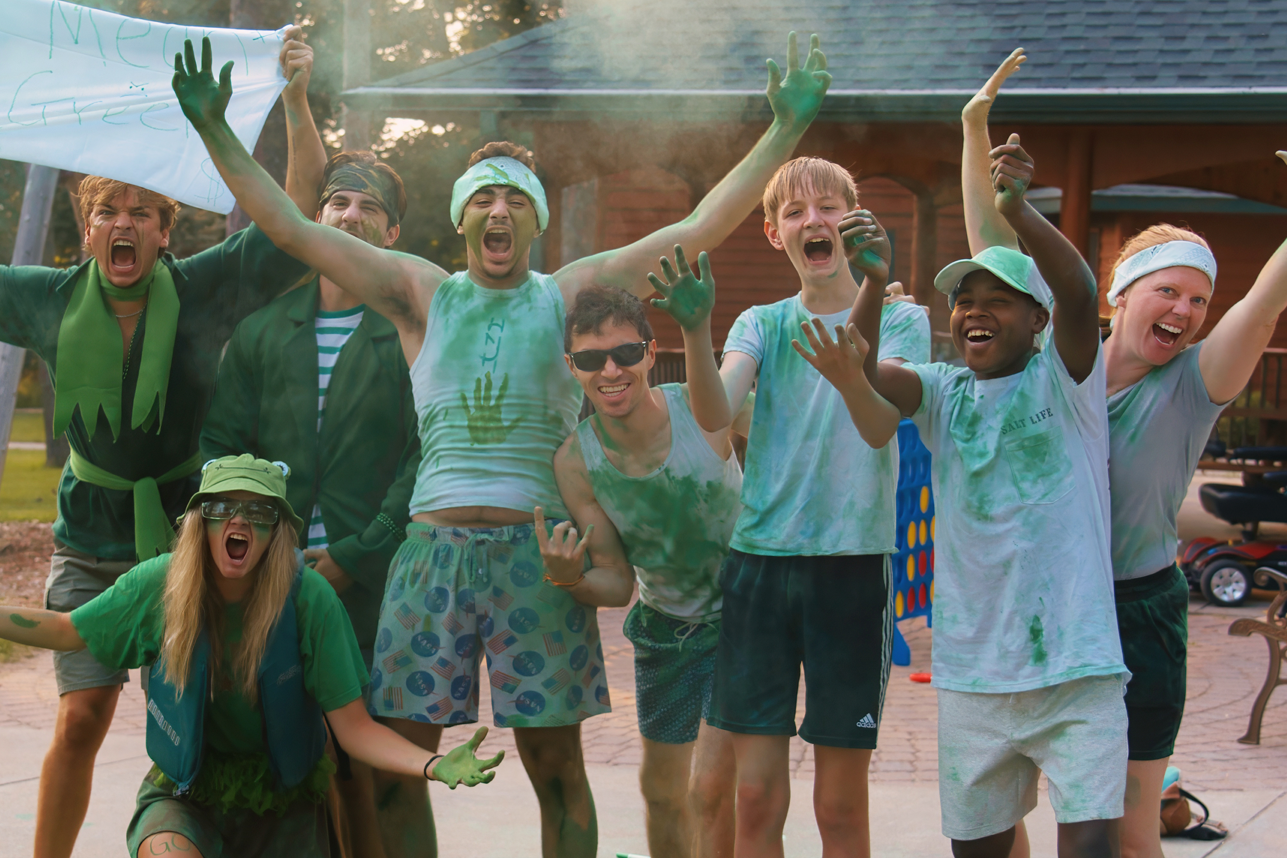
As the week progresses, the intensity of activities increases. Popular events include "Water Wars" and "Color Wars," which are designed to promote teamwork and physical activity within safe parameters. These theme nights serve as the backbone of the camp experience, encouraging campers to step outside their comfort zones and engage in playful competition.
The Final Celebration
The conclusion of the camp week is marked by a formal transition. The final night features a structured program where campers dress up for a formal dinner with "fancy appetizers," followed by a talent show. This event serves as a platform for self-expression, allowing campers to showcase skills and interests that are unrelated to their medical history. The week concludes with a beach party at sunset, a symbolic gathering that reinforces the friendships formed during the session.
The Vital Role of Medical Supervision and Safety Protocols
One of the most significant barriers to traditional summer camp participation for pediatric cancer patients is the need for specialized medical care. Camp Norden bridges this gap by integrating oncology-trained medical staff into the camp environment. This team includes nurses and physicians who are capable of administering medications, monitoring energy levels, and managing the unique side effects associated with various cancer treatments.
This medical safety net is what allows parents to feel confident in sending their children to the program. For a family that has spent years managing every detail of a child’s health, the ability to relinquish that responsibility to a trusted team is a form of "respite care" in itself. The presence of medical professionals is discreet, ensuring that the clinical aspect of the camp does not overshadow the recreational experience, yet it remains robust enough to handle emergencies or routine care without interrupting the flow of camp activities.
Psychosocial Benefits and the Science of Peer Support
The impact of Camp Norden extends far beyond the one-week session. Data from the American Camp Association and various pediatric oncology journals suggest that "oncology camps" provide measurable benefits in the areas of self-efficacy and social competence. When children interact with others who have undergone similar surgeries or hair loss due to chemotherapy, the psychological burden of being "different" is mitigated.
Furthermore, the camp provides a unique opportunity for "mentorship" between older teens and younger children. Older campers, who may be further along in their recovery or have navigated multiple relapses, serve as living proof of resilience for younger children who are still in the early stages of their diagnosis. This organic networking creates a support system that often lasts long after the summer ends, with many campers maintaining contact through social media and regional meetups.
Case Study in Resilience: Overcoming Emotional Barriers
The transformative power of the camp is perhaps best illustrated by the individual trajectories of its attendees. Co-director Mindy Dykes recalls a specific instance involving an older teen who attended camp for the first time after years of delays caused by relapses and major surgeries. Having spent the majority of her adolescence in hospital wards, the transition to an independent camp environment was initially overwhelming.
"She felt overwhelmed, insecure, and scared during her first few days," Dykes noted. The camper required significant encouragement from both staff and peers to remain in the program. However, by the final night’s talent show, a profound shift occurred. The camper performed a musical piece with a level of confidence that captivated the entire audience. According to Dykes, she became a "different person" that day—a testament to how a supportive environment can unlock a child’s potential that had been suppressed by the weight of a medical diagnosis.
Economic Relief and the Role of Philanthropy
The financial burden of childhood cancer is staggering. Between medical bills, travel for treatment, and lost wages for parents, families are often under extreme financial duress. Recognizing this, Camp Norden is offered at no cost to the families. This is made possible through the Children’s Cancer Research Fund and its network of donors.
By removing the financial barrier, the program ensures that participation is based on need and interest rather than the ability to pay. For many families, this "burden-free" opportunity is one of the few aspects of their child’s care that does not come with a price tag or an insurance claim. This philanthropic model is essential for maintaining the inclusivity of the camp, allowing children from all socioeconomic backgrounds to access the benefits of therapeutic recreation.
Broader Implications for Long-term Survivorship
The benefits of Camp Norden contribute to a growing body of evidence regarding the importance of "whole-child" care in oncology. As medical science continues to improve survival rates, the focus must necessarily expand to include the quality of life for survivors. The social skills, confidence, and friendships developed at camp are tools that survivors carry into adulthood.
Furthermore, the camp serves as a reminder to the broader community of the ongoing needs of pediatric cancer patients. While the "battle" against cancer is often framed in terms of laboratory research and clinical trials, the human element—the need for joy, connection, and play—is equally vital. Supporting these programs is an investment in the emotional infrastructure of the next generation of survivors.
Conclusion and Future Outlook
Camp Norden represents a vital intersection of medicine and recreation. By providing a safe harbor for children impacted by cancer, the program fulfills a need that cannot be met in a hospital or a traditional classroom. As the program continues to grow, its organizers remain committed to the philosophy that a diagnosis should not define a child’s life.
For the staff at Camp Norden and the Children’s Cancer Research Fund, the goal remains clear: to provide a week where the only thing that matters is the next activity, the next friendship, and the next opportunity to laugh. As Mindy Dykes summarizes, the impact is life-changing, offering a sense of freedom that is often lost in the wake of a cancer diagnosis. Through continued public support and philanthropic investment, Camp Norden aims to expand its reach, ensuring that more children have the opportunity to rediscover themselves beyond the confines of their illness.
