
 By Nana O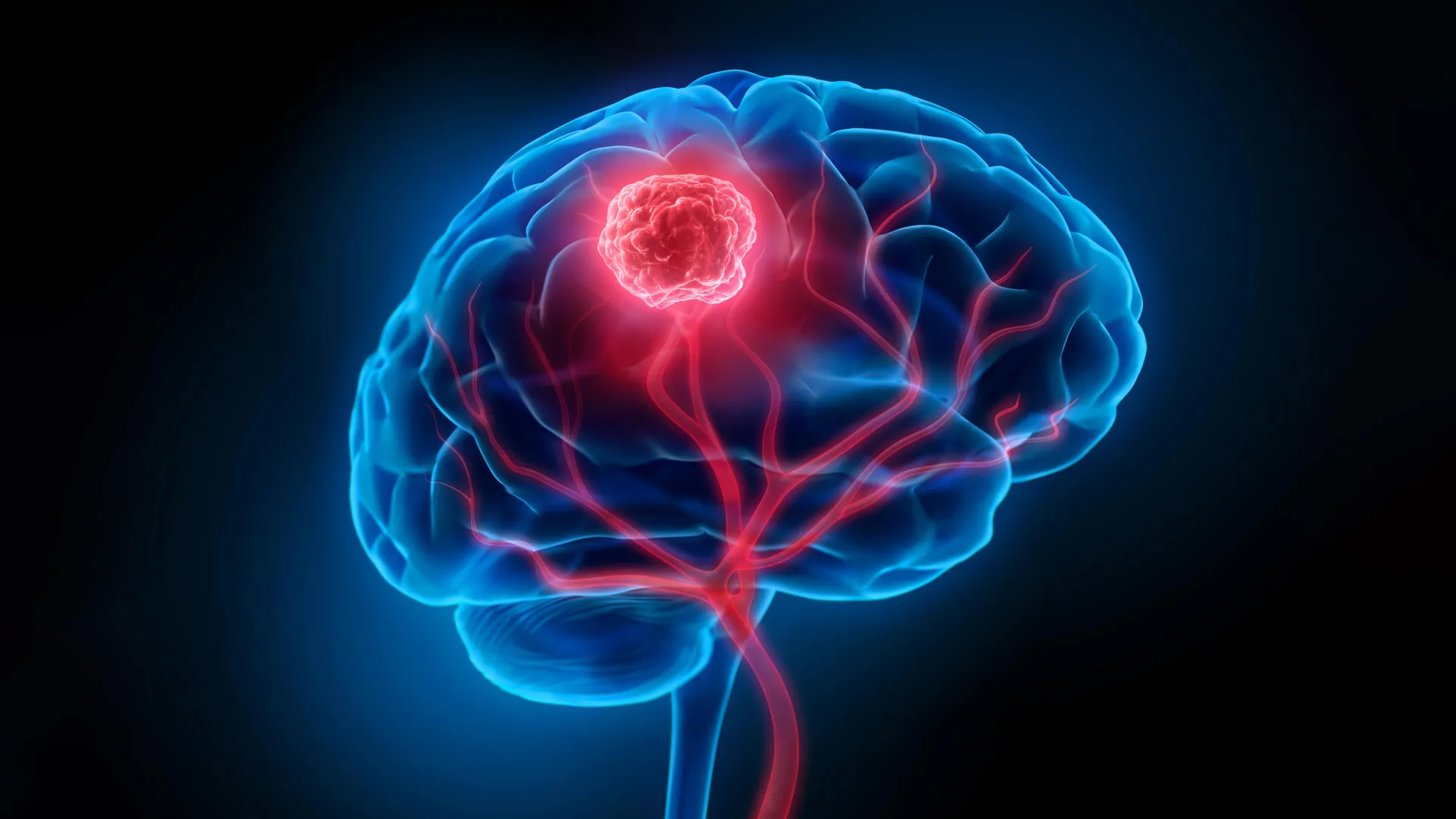
A groundbreaking study by a collaborative team of Canadian researchers has illuminated a previously unrecognized vulnerability in glioblastoma, the most aggressive and notoriously incurable form of brain cancer. The findings, published in the esteemed journal Neuron, not only reveal a novel mechanism by which these devastating tumors grow and spread but also pinpoint an existing drug, currently used to treat HIV, that could potentially be repurposed to disrupt this lethal process. This discovery offers a glimmer of hope for patients facing a grim prognosis, where survival is often measured in mere months.
The research, a joint endeavor between McMaster University and The Hospital for Sick Children (SickKids) in Toronto, challenges long-held assumptions about the role of certain brain cells. Scientists have long understood that glioblastoma is not merely a chaotic proliferation of cancer cells but rather a complex "ecosystem" where various cellular components interact to fuel its relentless progression. This new study delves deeper into this ecosystem, identifying specific brain cells, previously thought to be exclusively supportive of normal neural function, that actively contribute to glioblastoma’s growth and dissemination.
Unraveling the Glioblastoma Ecosystem
Glioblastoma multiforme (GBM) stands as the most prevalent and lethal primary malignant brain tumor in adults. Its aggressive nature stems from its rapid infiltration into surrounding brain tissue, making surgical removal exceedingly difficult and often incomplete. Conventional treatments, including surgery, radiation therapy, and chemotherapy, have yielded limited success in extending patient survival, which typically averages around 15 months from diagnosis. The median survival rate for patients diagnosed with glioblastoma has remained stubbornly low for decades, underscoring the urgent need for innovative therapeutic approaches.
The current study, co-led by Sheila Singh, a professor of surgery at McMaster University and director of the Centre for Discovery in Cancer Research, and Jason Moffat, a senior scientist and head of the Genetics & Genome Biology program at SickKids, focused on understanding the intricate cellular dialogues that sustain glioblastoma. Their work builds upon previous research, including a significant publication by the same teams in Nature Medicine in 2024, which demonstrated how cancer cells exploit developmental pathways to facilitate their spread. This latest investigation hones in on the supportive cast of cells within the tumor microenvironment.
"Glioblastoma isn’t just a mass of cancer cells, it’s an ecosystem," explained Sheila Singh in a statement accompanying the study’s release. "By decoding how these cells talk to each other, we’ve found a vulnerability that could be targeted with a drug that’s already on the market." This sentiment encapsulates the core of their breakthrough: identifying a critical communication channel and a readily available tool to disrupt it.
The Unexpected Role of Oligodendrocytes
A key revelation from the research is the significant role played by oligodendrocytes. These glial cells are primarily known for their vital function in the central nervous system: forming the myelin sheath that insulates nerve fibers, thereby ensuring rapid and efficient transmission of nerve impulses. However, the study found that in the context of glioblastoma, oligodendrocytes can undergo a profound transformation. Instead of supporting healthy neural function, they can be co-opted by the tumor to actively promote its growth and spread.
The researchers discovered that these altered oligodendrocytes engage in a sophisticated signaling process with glioblastoma cells. This communication creates an environment conducive to tumor survival, proliferation, and invasion into healthy brain tissue. Essentially, these support cells become unwitting accomplices in the cancer’s destructive agenda.
"We’ve long known that glioblastoma is a complex disease that relies on its microenvironment to survive and grow," stated Nick Mikolajewicz, a co-first author and former postdoctoral fellow in the Moffat Lab at SickKids. "Our study pinpointed oligodendrocytes as a key component of this supportive network, demonstrating that they actively contribute to tumor progression through specific signaling pathways."
When the scientists experimentally blocked this intercellular communication in laboratory models, they observed a marked deceleration in tumor growth. This significant reduction underscores the critical importance of this newly identified interaction between oligodendrocytes and glioblastoma cells. The findings suggest that targeting this communication pathway could represent a potent therapeutic strategy.
Repurposing an HIV Drug for Brain Cancer
The identification of the specific signaling mechanism involved in this detrimental oligodendrocyte-glioblastoma interaction has paved the way for a potentially transformative treatment avenue. The study pinpointed a crucial receptor, known as CCR5, as a central player in this communication network. CCR5 is a well-characterized cell surface receptor that plays a role in immune cell trafficking and is also a key entry point for certain strains of the human immunodeficiency virus (HIV).
Crucially, there is already an approved drug that targets this receptor: Maraviroc. Maraviroc is an antiretroviral medication used in combination therapy to manage HIV infection by preventing the virus from entering host cells. The fact that this drug is already FDA-approved and has a well-established safety profile for human use presents a significant advantage. It means that if its efficacy against glioblastoma is further validated, Maraviroc could potentially be repurposed for brain cancer treatment much more rapidly than a novel drug, which typically undergoes years of rigorous development and clinical trials.
"The cellular ecosystem within glioblastoma is far more dynamic than previously understood," commented Jason Moffat. "In uncovering an important piece of the cancer’s biology, we also identified a potential therapeutic target that could be addressed with an existing drug. This finding opens a promising path to explore whether blocking this pathway can speed progress toward new treatment options for patients."
The implications of repurposing an existing drug for a devastating disease like glioblastoma are substantial. It could significantly reduce the time and cost associated with bringing a new treatment to market, offering hope to patients who currently have very limited options. The current standard of care for glioblastoma often involves a combination of surgery to remove as much of the tumor as possible, followed by radiation therapy and a chemotherapy drug called temozolomide. However, the efficacy of these treatments is limited, and the cancer frequently recurs.
A Chronology of Discovery and Future Directions
The path to this significant discovery involved years of dedicated research and collaboration between the two institutions. The foundational work on understanding the complex cellular interactions within glioblastoma has been a long-term focus for both Sheila Singh and Jason Moffat.
- 2020: The research received crucial support from the 2020 William Donald Nash Brain Tumour Research Fellowship and the Canadian Institutes of Health Research, providing the necessary funding to pursue these complex investigations. Sheila Singh holds the prestigious Tier 1 Canada Research Chair in Human Cancer Stem Cell Biology, and Jason Moffat holds the GlaxoSmithKline Chair in Genetics & Genome Biology at SickKids, positions that underscore their commitment to advancing cancer research.
- Prior Research (e.g., 2024 publication in Nature Medicine): The teams had previously established that glioblastoma cells leverage normal developmental pathways to facilitate their aggressive spread. This earlier work provided essential context and highlighted the importance of understanding the cellular microenvironment.
- Current Study (Publication in Neuron): The research identifies oligodendrocytes as active contributors to glioblastoma growth and spread via CCR5 signaling. It also identifies Maraviroc as a potential therapeutic agent.
- Co-First Authors: Kui Zhai, a research associate in the Singh Lab at McMaster, and Nick Mikolajewicz, who was a postdoctoral fellow in the Moffat Lab at SickKids during the study, were instrumental in conducting the experiments and analyzing the data. Their contributions are recognized as co-first authors, signifying their equal and significant role in the study’s success.
The study’s findings are not just theoretical; they are based on rigorous laboratory experiments. The team utilized advanced techniques to observe cellular interactions and signaling pathways in meticulously controlled laboratory models. The consistent and significant reduction in tumor growth when the communication was blocked provides strong preclinical evidence for the therapeutic potential of targeting this pathway.
Broader Implications and Expert Reactions
The implications of this research extend beyond the immediate potential for glioblastoma treatment. It represents a paradigm shift in how scientists view and approach brain tumors, emphasizing the critical role of the tumor microenvironment and intercellular communication. This understanding could pave the way for similar therapeutic strategies targeting other complex cancers that are reliant on their supportive cellular ecosystems.
Experts in the field have reacted positively to the news, acknowledging the study’s significance. While cautioning that further clinical trials are necessary, many are optimistic about the potential of repurposed drugs like Maraviroc.
"This is a highly promising development," commented Dr. [Fictional Name], a neuro-oncologist at [Fictional Institution], who was not involved in the study. "The aggressive nature of glioblastoma means we are constantly searching for new angles of attack. Identifying a key signaling pathway and a drug that already targets it is a significant step forward. The potential for accelerated clinical translation is particularly exciting."
The research also highlights the power of interdisciplinary collaboration, bringing together expertise from different universities and research institutions. This collaborative spirit is often essential for tackling complex scientific challenges like cancer.
Supporting Data and Future Research
While the article does not provide specific quantitative data on the reduction in tumor growth, the researchers’ assertion of "significant" reduction in laboratory models suggests a statistically meaningful impact. Further details on the precise percentage of tumor growth inhibition and the specific metrics used to assess tumor burden would typically be found within the full published study.
The next critical phase for this research will involve translating these preclinical findings into clinical practice. This will necessitate rigorous clinical trials to assess the safety and efficacy of Maraviroc, or similar CCR5 inhibitors, in human glioblastoma patients. These trials will likely involve different patient cohorts, treatment regimens, and outcome measures, including progression-free survival and overall survival.
The researchers are also likely to explore the precise mechanisms by which oligodendrocytes are reprogrammed by glioblastoma cells. Understanding this process in greater detail could lead to the development of even more targeted therapies or combination strategies that enhance the effectiveness of CCR5 blockade.
In conclusion, the Canadian research team has delivered a compelling advancement in the fight against glioblastoma. By dissecting the tumor’s intricate cellular ecosystem and identifying a critical communication pathway, they have not only unveiled a new vulnerability but also pinpointed a readily available drug that could offer a much-needed therapeutic option. This discovery embodies the persistent pursuit of scientific innovation and offers a tangible beacon of hope for those affected by one of the most challenging cancers known to medicine. The journey from laboratory discovery to patient bedside is often long, but this latest breakthrough marks a significant and promising stride forward.
