
 By Nana O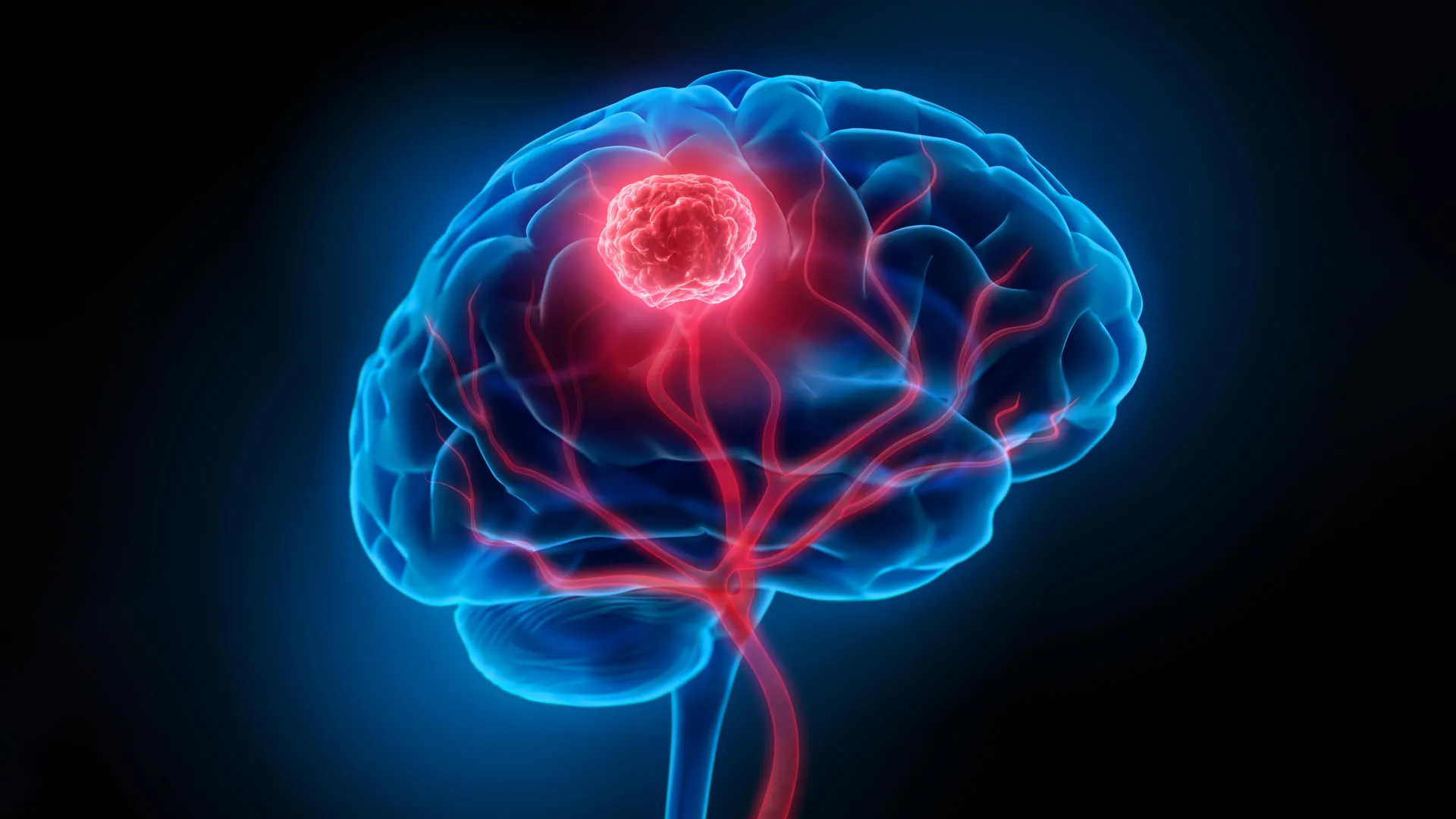
Canadian Researchers Uncover Novel Strategy to Halt Glioblastoma Progression, Identify Existing Drug for Potential Repurposing
A groundbreaking study by a collaborative team of Canadian scientists has unveiled a significant new avenue for combating glioblastoma, the most aggressive and presently incurable form of brain cancer. The research, spearheaded by investigators at McMaster University and The Hospital for Sick Children (SickKids) in Toronto, not only identifies a previously unrecognized mechanism by which glioblastoma thrives but also points to an existing medication, currently utilized for HIV treatment, as a potential therapeutic agent. This discovery offers a glimmer of hope in the face of a disease with a notoriously grim prognosis, where survival is often measured in mere months.
The core of the breakthrough lies in understanding the intricate cellular ecosystem that fuels glioblastoma. For years, a specific type of brain cell, known as oligodendrocytes, was primarily understood for its supportive role in normal nerve function, specifically the insulation of nerve fibers with myelin. However, this new research, published in the prestigious journal Neuron, reveals a startling duality: these same oligodendrocytes can, under certain circumstances, become active participants in glioblastoma’s destructive journey. The study demonstrates that these cells can be co-opted by the tumor, actively contributing to its growth and spread by sending crucial signaling molecules that bolster cancer cell survival and proliferation. When researchers successfully disrupted this aberrant communication in laboratory models, they observed a dramatic deceleration in tumor progression.
This pivotal finding carries immense weight given the current limitations in glioblastoma treatment. Standard therapeutic approaches, including surgery, radiation therapy, and chemotherapy, have yielded only modest improvements in patient outcomes, highlighting the urgent need for novel strategies. The identification of a signaling pathway that can be targeted by an already approved drug represents a potentially accelerated route to clinical application, bypassing the lengthy and costly process of developing entirely new compounds.
Unraveling the Glioblastoma Ecosystem: A Cellular Alliance
The research team, led by co-senior authors Sheila Singh, Professor of Surgery at McMaster University and Director of the Centre for Discovery in Cancer Research, and Jason Moffat, Senior Scientist and Head of the Genetics & Genome Biology program at SickKids, meticulously dissected the complex interactions within the glioblastoma microenvironment. Their work builds upon a foundational understanding that glioblastomas are not monolithic entities but rather sophisticated "ecosystems" where cancer cells interact with and exploit their surrounding cellular milieu.
"Glioblastoma isn’t just a mass of cancer cells; it’s an ecosystem," explained Dr. Singh in a statement. "By decoding how these cells talk to each other, we’ve found a vulnerability that could be targeted with a drug that’s already on the market." This analogy of an "ecosystem" underscores the dynamic and interconnected nature of the tumor, suggesting that disrupting these interdependencies is key to effective control.
The study pinpointed oligodendrocytes as key players in this cellular alliance. These glial cells, normally responsible for maintaining the integrity and efficiency of neuronal signaling, can undergo a phenotypic shift when exposed to the glioblastoma microenvironment. Instead of their protective functions, they begin to actively nurture the tumor. The precise mechanism involves a defined signaling system through which oligodendrocytes transmit signals that create an environment conducive to glioblastoma survival, growth, and metastasis. The experimental blocking of this specific signaling pathway in laboratory settings led to a significant reduction in tumor growth, providing compelling evidence of its critical role.
A Timeline of Discovery: From Basic Science to Therapeutic Potential
The research journey that led to this significant announcement can be traced through a series of scientific inquiries. The findings published in Neuron represent a culmination of years of dedicated research into the fundamental biology of glioblastoma and its interactions with the brain’s cellular landscape.
Early 2020s: Initial investigations into the cellular composition of glioblastoma tumors and their microenvironment begin to reveal complexities beyond the cancer cells themselves. Researchers at McMaster and SickKids, including the labs of Drs. Singh and Moffat, start exploring the roles of non-cancerous brain cells.
2024: A foundational study by the same research groups, published in Nature Medicine, establishes that glioblastoma cells can hijack developmental pathways normally utilized for brain formation to facilitate their spread. This work lays crucial groundwork by highlighting the tumor’s ability to exploit pre-existing biological mechanisms.
Present (as per the article): The Neuron study emerges, directly identifying oligodendrocytes as active collaborators with glioblastoma and pinpointing the CCR5 receptor as a critical component of their communication. This leads to the identification of Maraviroc, an existing HIV drug, as a potential therapeutic agent.
The co-first authors of the Neuron study are Kui Zhai, a research associate in the Singh Lab at McMaster University, and Nick Mikolajewicz, who was a postdoctoral fellow in the Moffat Lab at SickKids during the study. Their meticulous work in identifying and characterizing this cellular communication pathway was instrumental to the study’s success.
The CCR5 Receptor: A Shared Target for HIV and Glioblastoma
The breakthrough hinges on the identification of a specific molecular player: the CCR5 receptor. This receptor is a crucial component of the signaling system employed by oligodendrocytes to support glioblastoma. In a serendipitous convergence of medical science, CCR5 is also a well-established target in the treatment of Human Immunodeficiency Virus (HIV).
Maraviroc, a CCR5 antagonist, is an antiretroviral drug approved for the treatment of HIV infection. Its mechanism of action involves blocking the CCR5 receptor on immune cells, thereby preventing HIV from entering and infecting them. The discovery that this same receptor plays a vital role in glioblastoma progression immediately suggests a potential therapeutic repurposing.
"The cellular ecosystem within glioblastoma is far more dynamic than previously understood," stated Dr. Moffat. "In uncovering an important piece of the cancer’s biology, we also identified a potential therapeutic target that could be addressed with an existing drug. This finding opens a promising path to explore whether blocking this pathway can speed progress toward new treatment options for patients."
The advantage of repurposing an existing drug like Maraviroc is manifold. Regulatory hurdles and development timelines are significantly reduced compared to bringing a novel drug to market. Extensive safety data already exists for Maraviroc, and its manufacturing processes are well-established. This could potentially accelerate the availability of a new treatment option for glioblastoma patients, who currently face a desperate need for more effective therapies.
Supporting Data and Scientific Rigor
The study’s conclusions are underpinned by rigorous experimental methodologies. While specific quantitative data points are not detailed in the initial release, the researchers employed advanced techniques to:
- Identify cellular interactions: Advanced imaging and molecular profiling were used to observe and quantify the interactions between oligodendrocytes and glioblastoma cells.
- Map signaling pathways: Gene expression analysis and protein interaction studies were conducted to elucidate the specific signaling molecules and receptors involved in their communication.
- Validate therapeutic targets: Laboratory models, likely involving cell cultures and potentially animal models, were used to test the efficacy of blocking the identified signaling pathway. This would have involved measuring tumor volume, proliferation rates, and survival of cancer cells.
- Assess drug efficacy: The study would have included experiments where Maraviroc was administered to these laboratory models to assess its impact on tumor growth and progression, likely comparing outcomes to control groups.
The publication in Neuron, a leading journal in neuroscience, attests to the high scientific quality and significance of the research. The journal’s peer-review process ensures that studies meet stringent standards for methodology, data interpretation, and scientific impact.
Broader Implications and Future Directions
The implications of this research extend beyond the immediate potential for a new glioblastoma therapy. It reinforces a paradigm shift in cancer research, moving towards a more holistic understanding of tumors as complex ecosystems rather than solely collections of malignant cells. This approach has the potential to unlock new therapeutic strategies for a wide range of cancers that involve intricate microenvironmental interactions.
The findings from this study, when considered alongside the earlier work published in Nature Medicine, suggest a broader research direction focused on disrupting the communication networks that tumors rely on for survival and dissemination. If cancer cells can hijack developmental pathways and manipulate supporting brain cells, then targeting these communication channels becomes a powerful therapeutic strategy.
Future research will undoubtedly focus on several key areas:
- Clinical Trials: The most immediate next step is to translate these preclinical findings into human clinical trials. Investigating the safety and efficacy of Maraviroc, or related CCR5 inhibitors, in glioblastoma patients will be paramount. This will likely involve carefully designed trials to determine optimal dosing, patient selection criteria, and potential combinations with existing therapies.
- Understanding Resistance Mechanisms: As with any cancer therapy, understanding potential resistance mechanisms will be crucial for long-term success. Glioblastoma is notorious for its ability to evolve and evade treatment.
- Exploring Other Cell Types: While oligodendrocytes have been identified, it is possible that other brain cell types also contribute to glioblastoma progression. Further research may uncover additional cellular allies of the tumor.
- Biomarker Development: Identifying biomarkers that can predict which patients are most likely to benefit from CCR5-targeted therapies could optimize treatment selection and improve patient outcomes.
A Collaborative Effort Supported by Major Funding
This significant research endeavor was made possible through substantial support from Canadian health research funding bodies. The study received financial backing from the Canadian Institutes of Health Research (CIHR), a cornerstone of health research funding in Canada. Additionally, the 2020 William Donald Nash Brain Tumour Research Fellowship provided crucial support, underscoring the commitment to advancing brain tumor research.
The researchers themselves hold prestigious positions, highlighting the strength of Canadian scientific institutions. Dr. Singh is a Tier 1 Canada Research Chair in Human Cancer Stem Cell Biology, a testament to her significant contributions to the field. Dr. Moffat holds the GlaxoSmithKline Chair in Genetics & Genome Biology at The Hospital for Sick Children, further emphasizing his leadership in genetic and genomic research. This concentration of expertise and resources at leading Canadian institutions has been instrumental in driving this critical scientific discovery.
The identification of a novel therapeutic target and a potential existing drug for glioblastoma represents a beacon of hope for patients and their families. This research not only offers a tangible path towards improved treatment but also deepens our fundamental understanding of how aggressive brain cancers operate, paving the way for future breakthroughs in the relentless fight against this devastating disease.
