
 By Nana O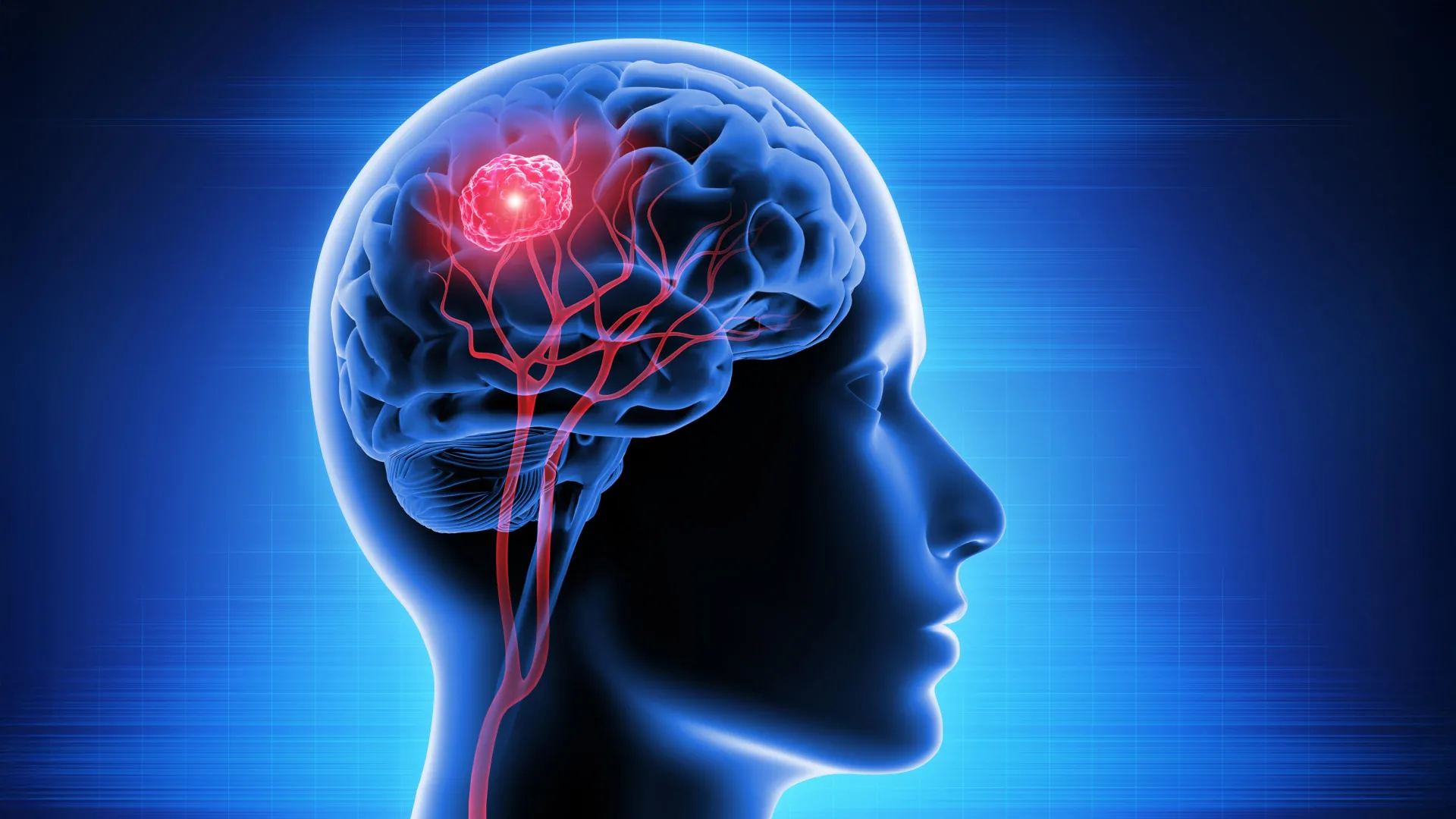
A groundbreaking study published in the prestigious journal Oncoscience has unveiled a promising new avenue for combating glioblastoma, a notoriously aggressive and stubbornly resistant form of brain cancer. The research, spearheaded by a collaborative team from Nitric Oxide Services, LLC, and the Cleveland Clinic Foundation Taussig Cancer Center, introduces nitrosylcobalamin (NO-Cbl), a modified form of vitamin B12, as a potential therapeutic agent capable of overcoming critical treatment hurdles, including the formidable blood-brain barrier (BBB).
Glioblastoma multiforme (GBM) stands as one of the most lethal malignancies affecting the central nervous system. Despite advancements in surgical techniques, radiation therapy, and chemotherapy, the prognosis for patients diagnosed with GBM remains grim, with median survival rates often falling short of 15 months. A primary impediment to effective treatment is the BBB, a highly selective physiological barrier that acts as a gatekeeper, severely restricting the passage of most therapeutic drugs from the bloodstream into the brain’s delicate tissue, thereby limiting their ability to reach and eradicate tumor cells.
Pioneering a Vitamin B12-Based Approach to Brain Cancer Therapy
The investigation into NO-Cbl’s therapeutic potential was meticulously led by Joseph A. Bauer, serving as both first and corresponding author. The research team’s core objective was to ascertain whether this modified vitamin B12 derivative, engineered to release nitric oxide, could successfully traverse the BBB and specifically concentrate within glioblastoma tumors. This selective accumulation is crucial for maximizing therapeutic impact while minimizing off-target effects on healthy brain tissue.
To rigorously evaluate NO-Cbl, the researchers employed a multi-faceted experimental strategy. This included in vitro testing against a broad spectrum of cancer cells within the National Cancer Institute’s (NCI) 60 human tumor cell line panel, providing a comprehensive assessment of its antiproliferative activity. Complementing these cellular studies, the team conducted pharmacokinetic analyses in rat models engineered with glioblastoma tumors. These animal studies were designed to track the absorption, distribution, metabolism, and excretion of NO-Cbl, providing vital insights into its behavior within a living organism. Furthermore, the researchers investigated the compound’s performance when administered in conjunction with established and experimental glioblastoma treatments in human glioblastoma cell lines, seeking to identify potential synergistic effects.
The initial findings from these diverse experiments were encouraging. NO-Cbl demonstrated antitumor activity across a wide array of cancer types, suggesting a broad-spectrum efficacy. Notably, tumor cells originating from the central nervous system exhibited a moderate but significant sensitivity to the NO-Cbl treatment, providing an early indication of its relevance to brain cancers.
Bridging the Blood-Brain Barrier and Precisely Targeting Tumors
One of the study’s most pivotal discoveries emerged from the in vivo animal experiments. Following systemic administration, NO-Cbl demonstrated a remarkable ability to cross the BBB, a feat that eludes many conventional chemotherapeutic agents. Even more significantly, the compound was observed to accumulate preferentially within the glioblastoma tumor tissue. This targeted distribution is a critical step towards developing a therapy that can effectively reach and attack the cancer cells while sparing healthy surrounding brain tissue.
Further analysis revealed that NO-Cbl appeared to remain active within the tumors for an extended duration. Levels of nitrate, a stable metabolite of nitric oxide, were found to be elevated in tumor tissue for at least 24 hours post-treatment. In contrast, nitrate levels in normal, non-tumor tissues declined more rapidly. This differential retention pattern strongly suggests that NO-Cbl may be retained within the tumor microenvironment, facilitating sustained release of nitric oxide directly to the cancer cells. This sustained local delivery mechanism could be instrumental in overcoming tumor resistance and achieving a more profound therapeutic effect.
Supporting these observations, Figures 2 and 3 of the published study, located on pages 3 and 4, present compelling data. These figures illustrate sustained levels of nitrate and cobalamin-related metabolites within brain tumor tissue compared to other organs. This comparative analysis unequivocally supports the conclusion of selective accumulation of NO-Cbl and its metabolites in glioblastoma, a finding that has significant implications for drug design and delivery strategies in neuro-oncology.
Amplifying Efficacy with Existing Glioblastoma Therapies
Beyond its intrinsic therapeutic potential, the researchers also explored whether NO-Cbl could enhance the effectiveness of established glioblastoma treatments. This aspect of the study is particularly relevant given the current treatment landscape, where combination therapies are often employed to maximize efficacy.
In laboratory studies utilizing the U87 and D54 human glioblastoma cell lines, the synergistic potential of NO-Cbl became strikingly apparent. When combined with either TRAIL (Tumor Necrosis Factor-Related Apoptosis-Inducing Ligand), a protein that induces programmed cell death in cancer cells, or temozolomide, a cornerstone chemotherapy agent for glioblastoma, NO-Cbl produced significantly more potent suppression of tumor cell growth than any of the individual treatments achieved on their own. This observed enhancement was not a marginal improvement; additional analyses confirmed synergistic interactions across multiple dose ranges, indicating a robust cooperative effect between NO-Cbl and these established therapeutic modalities.
"This pilot study demonstrates that NO-Cbl crosses the BBB, accumulates selectively in brain tumor tissue, and synergizes with established and experimental glioblastoma therapies," the authors stated in their findings, underscoring the multifaceted promise of this novel compound.
Addressing Treatment Resistance: A Crucial Frontier
The potential of NO-Cbl to overcome treatment resistance is a particularly exciting aspect of this research. Glioblastoma tumors are notorious for their ability to evolve and develop resistance to therapeutic interventions, contributing significantly to treatment failure. The authors posit that NO-Cbl may actively combat several biological mechanisms that underpin this resistance.
Drawing upon existing research, the paper references evidence that NO-Cbl can promote apoptosis (programmed cell death) through the activation of caspase-8, a key executioner protein in the apoptotic pathway. Furthermore, it is suggested that NO-Cbl can suppress NF-κB survival signaling, a critical pathway that cancer cells often exploit to evade cell death and promote proliferation. Another crucial mechanism identified is the strengthening of TRAIL receptor signaling via S-nitrosylation, a post-translational modification that can enhance the cell’s response to TRAIL-induced apoptosis. Collectively, these molecular effects could render glioblastoma cells more vulnerable to therapy, potentially even sensitizing tumors that have already acquired resistance to temozolomide. This ability to resensitize resistant tumors could represent a significant leap forward in treating recurrent or refractory glioblastoma.
Early Insights Paving the Way for Future Research
The researchers are diligent in emphasizing that these findings represent the results of a pilot translational study. While exceptionally promising, they underscore that extensive further research will be indispensable before NO-Cbl can be considered for clinical application in human patients. The transition from laboratory and animal studies to human clinical trials is a rigorous and lengthy process, requiring comprehensive validation of safety and efficacy.
The trajectory of future research is already being charted. Upcoming studies are expected to focus on orthotopic validation, which involves implanting human glioblastoma cells into the brains of animal models to more accurately mimic the human disease. Optimizing dosing strategies will be paramount to ensure both maximum therapeutic benefit and minimal toxicity. Researchers will also aim to track nitric oxide activity over extended periods within the tumor microenvironment to better understand its long-term impact. Furthermore, investigating the underlying mechanisms of NO-Cbl’s action in a wider array of central nervous system tumor models will be crucial for broadening its potential applicability.
In summation, the findings from this study offer compelling early evidence that a cobalamin-based nitric oxide donor could emerge as a significant new strategy for glioblastoma treatment. By successfully addressing multiple critical challenges – including penetration of the blood-brain barrier, selective tumor targeting, and the potential for enhanced activity alongside existing therapies – NO-Cbl holds the promise of revolutionizing drug delivery and combating treatment resistance in one of neuro-oncology’s most formidable adversaries. This innovative approach offers a beacon of hope for patients facing this devastating diagnosis, signaling a potential paradigm shift in the fight against brain cancer.
