
 By Gabriel Paijo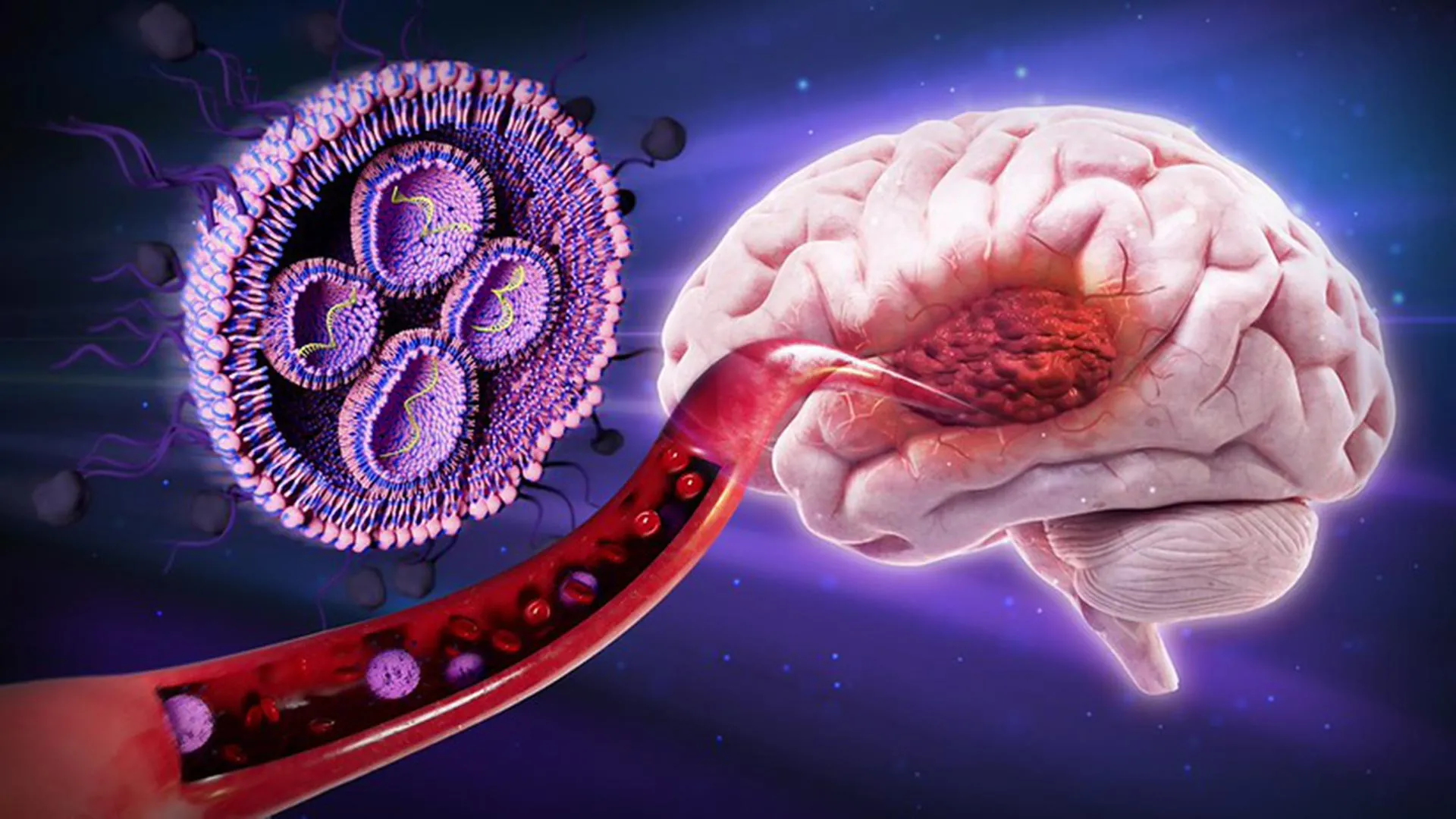
Researchers at Oregon State University have announced a significant breakthrough in the treatment of glioblastoma, the most aggressive and lethal form of primary brain cancer. By utilizing a sophisticated experimental strategy involving sugar-coated lipid nanoparticles, the team has successfully bypassed the biological defenses of the brain to deliver life-saving genetic instructions directly to tumor cells. This development, led by a multidisciplinary team from the OSU College of Pharmacy, addresses two of the most persistent obstacles in neuro-oncology: the impenetrable nature of the blood-brain barrier and the difficulty of targeting malignant cells without damaging healthy neurological tissue.
Glioblastoma multiforme (GBM) has long been considered one of the most difficult challenges in modern medicine. Despite decades of research and advancements in surgical techniques, radiation, and chemotherapy, the prognosis for patients remains remarkably poor. Statistics indicate that fewer than 30% of patients survive for two years following their initial diagnosis, and more than 95% of patients succumb to the disease within five years. The innovation emerging from Oregon State University, published in the Journal of Controlled Release, offers a potential shift in this trajectory, demonstrating a 50% increase in median survival time within animal models.
The Dual Challenge of Glioblastoma Treatment
The primary difficulty in treating glioblastoma lies in the brain’s own protective mechanisms. The central nervous system is shielded by the blood-brain barrier (BBB), a highly selective semipermeable border of endothelial cells. This barrier is designed to protect the brain from pathogens and toxins circulating in the bloodstream, but it also inadvertently blocks more than 98% of small-molecule drugs and nearly 100% of large-molecule therapies. Consequently, many potent anti-cancer agents that work effectively in other parts of the body are rendered useless when the target is a brain tumor.
The second challenge is the "infiltrative" nature of glioblastoma. Unlike many other tumors that form solid, well-defined masses, glioblastoma cells tend to migrate and weave into healthy brain tissue. This makes complete surgical removal nearly impossible and necessitates a delivery system that can seek out these dispersed cells with high precision. The Oregon State University study, led by Oleh Taratula, Olena Taratula, and Yoon Tae Goo, focuses on a "Trojan Horse" approach to overcome these hurdles.
Engineering the Sugar-Coated Nanoparticle
The core of the OSU innovation is a lipid nanoparticle (LNP) that has been chemically modified to exploit the brain’s natural metabolic pathways. The researchers utilized mannose, a sugar closely related to glucose, as a coating for the nanoparticles. Glucose is the primary energy source for the brain, and because the brain has such high energy demands, the blood-brain barrier is equipped with specialized transporters to move glucose from the blood into the central nervous system.
The most prominent of these transporters is GLUT1. The OSU team discovered that by densely coating the surface of their nanoparticles with mannose, they could trick the GLUT1 transporters into recognizing the particles as glucose. This allows the particles to be "shuttled" across the blood-brain barrier and into the brain environment.
"Blood contains relatively high concentrations of glucose, and that’s what the nanoparticles are competing against for GLUT1’s attention," explained Oleh Taratula, a lead researcher on the project. "For the nanoparticles to get it, they need a densely coated sugar surface, and that’s our central innovation. By chemically connecting mannose to cholesterol, a major structural component of the nanoparticles, we improved surface coverage sixfold."
This dense coating is critical because it increases the "avidity" or binding strength of the nanoparticle to the transporter, ensuring that the therapeutic payload is not outcompeted by the naturally occurring glucose in the patient’s bloodstream.
Restoring Tumor Suppression via mRNA Delivery
Once the nanoparticles successfully navigate the blood-brain barrier, they face the task of identifying and entering the glioblastoma cells. The researchers leveraged a biological vulnerability of the cancer: glioblastoma cells are metabolically hyperactive and express GLUT1 at levels three times higher than normal brain tissue. This disparity ensures that the sugar-coated particles preferentially accumulate within the tumor cells rather than healthy neurons or glia.
The cargo carried by these nanoparticles is messenger RNA (mRNA) designed to produce PTEN (Phosphatase and Tensin Homolog). In healthy cells, PTEN acts as a powerful tumor suppressor, regulating the cell cycle and preventing cells from growing and dividing too rapidly. However, in the vast majority of glioblastoma cases, the gene responsible for PTEN is either mutated, deleted, or silenced. Without PTEN, the cells grow uncontrollably, leading to the rapid formation of tumors.
By delivering mRNA directly into the cytoplasm of the tumor cells, the nanoparticles instruct the cells to begin producing functional PTEN protein once again. "Restoring PTEN expression in tumor cells reinstates growth control," said Olena Taratula. "Across repeated dosing in our mouse models, tumor shrinkage occurred without any measurable organ toxicity, suggesting a highly targeted and safe delivery mechanism."
To ensure the fragile mRNA reached its destination without being degraded by enzymes in the blood, the team incorporated a positively charged cholesterol derivative. This helped keep the negatively charged genetic material securely enclosed and stable throughout its journey through the circulatory system.
Data Analysis and Experimental Results
The efficacy of the treatment was evaluated using a mouse model of glioblastoma, which closely mimics the progression of the disease in humans. The results were statistically significant, showing that mice treated with the mannose-coated PTEN-mRNA nanoparticles survived 50% longer than those in the control groups.
Furthermore, the study addressed the issue of systemic toxicity, a common side effect of traditional chemotherapy. Because the nanoparticles were specifically engineered to target the GLUT1 over-expression found in tumors, the researchers found no evidence of damage to the liver, kidneys, or other vital organs. This level of specificity is a major milestone in the development of "smart" drug delivery systems.
In the United States, glioblastoma affects approximately 3.19 people per 100,000 annually. It is more prevalent in males and is typically diagnosed in older adults, with a median age of 64. The socio-economic impact of the disease is profound, as it often results in rapid cognitive decline and a loss of independence for the patient. The OSU findings provide a glimmer of hope for a demographic that has seen very few therapeutic breakthroughs in the last twenty years.
Chronology of Research and Development
The development of this strategy is the result of years of iterative research at the OSU College of Pharmacy. The timeline of this breakthrough reflects the broader evolution of nanotechnology and genetic medicine:
- Phase I (Nanoparticle Synthesis): Initial years were spent perfecting the lipid nanoparticle platform, ensuring it could carry genetic material without triggering an adverse immune response.
- Phase II (Targeting Mechanism): The team explored various ligands to cross the blood-brain barrier, eventually identifying the GLUT1 pathway as the most viable route for high-efficiency delivery.
- Phase III (Chemical Innovation): The breakthrough in chemically linking mannose to cholesterol allowed for the high-density coating necessary to compete with blood glucose.
- Phase IV (In Vivo Testing): The most recent phase involved testing the completed system in glioblastoma-bearing mice, leading to the data published this year.
The research was a collaborative effort involving several experts, including Vincent Cataldi, Vladislav Grigoriev, Neera Yadav, Tetiana Korzun, Chao Wang, and Adam Alani. The study received significant backing from the National Cancer Institute, the National Institutes of Health, and the National Research Foundation of Korea, highlighting the international importance of finding a cure for glioblastoma.
Broader Implications for Neuro-Oncology
The implications of the OSU study extend beyond glioblastoma. The ability to safely and effectively cross the blood-brain barrier using a sugar-transport mechanism could revolutionize the treatment of other neurological disorders. Diseases such as Alzheimer’s, Parkinson’s, and various forms of pediatric brain cancer all suffer from the same delivery limitations. If a nanoparticle can carry mRNA for PTEN, it could theoretically be adapted to carry genes for other therapeutic proteins or even gene-editing tools like CRISPR-Cas9.
Furthermore, the use of mRNA technology aligns with the current global shift toward genetic medicine. Following the success of mRNA-based COVID-19 vaccines, the regulatory and manufacturing pathways for LNP-mRNA therapies have become more established. This could potentially accelerate the timeline for bringing the OSU strategy to human clinical trials.
Future Outlook and Clinical Path
While the results in mouse models are promising, the researchers caution that human clinical trials are the next critical step. Transitioning from a mouse model to a human patient involves scaling the dosage and ensuring that the mannose-coating behaves identically in a more complex human circulatory system.
Medical analysts suggest that if this technology continues to prove successful, it could become a "platform technology." This would allow clinicians to customize the mRNA payload based on the specific genetic profile of a patient’s tumor—a cornerstone of personalized medicine.
The Oregon State University team is currently looking toward optimizing the dosing schedule and exploring whether this nanoparticle strategy can be combined with existing treatments like radiation to create a synergistic effect. As the medical community moves closer to understanding the molecular drivers of glioblastoma, the work of the Taratula and Goo labs stands as a testament to the power of nanomedicine to solve the most "insoluble" problems in oncology.
The fight against glioblastoma is far from over, but the development of a sugar-coated, tumor-seeking nanoparticle represents a major tactical shift. By turning the tumor’s own "hunger" for glucose against it, researchers may have finally found a way to deliver a knockout blow to one of the world’s most resilient cancers.
