
 By Budi Oetomo Narendra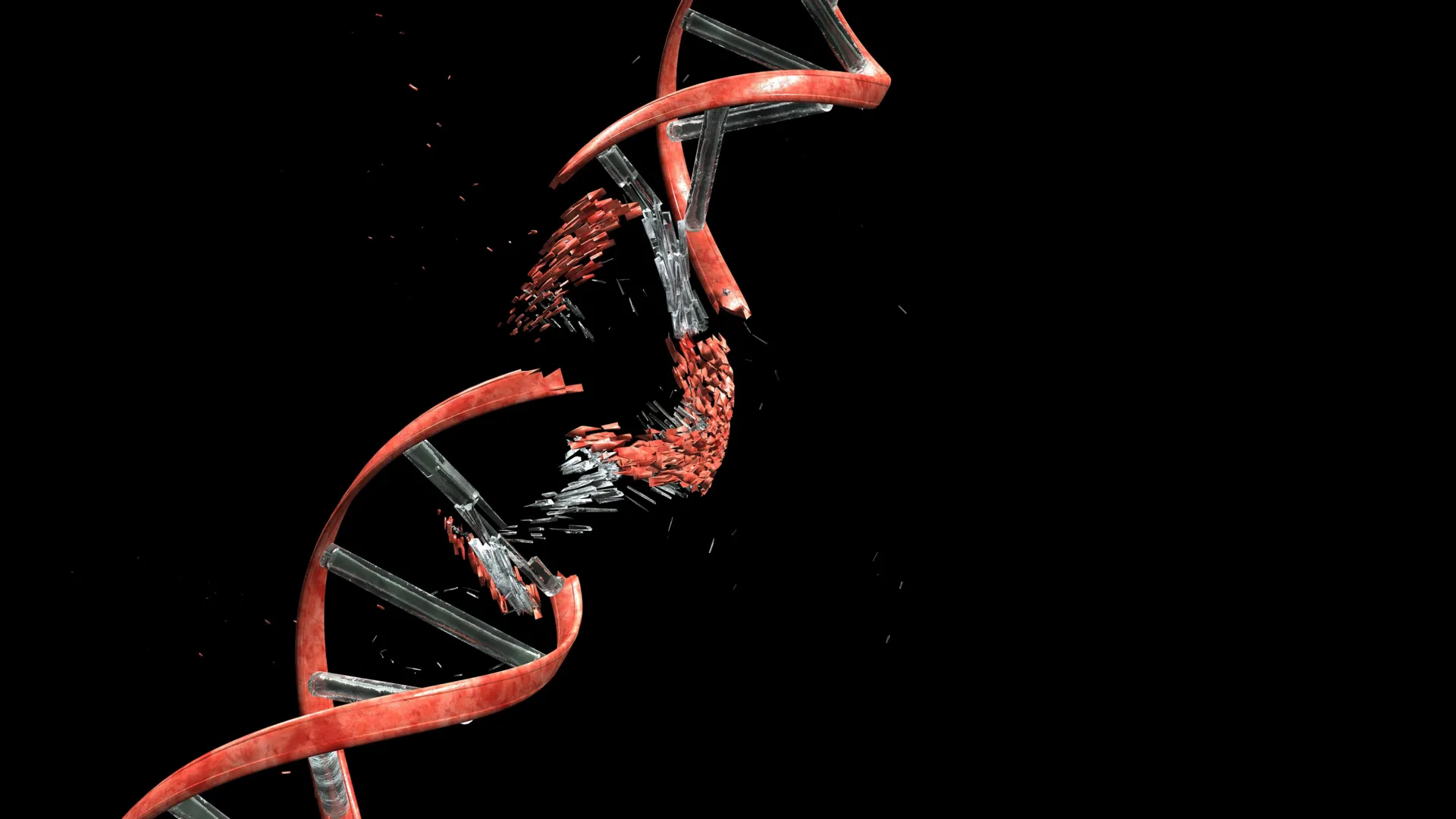
New research from the Hebrew University of Jerusalem has unveiled a previously unrecognized mechanism by which cancer may be inadvertently damaging its own genetic material, leading to the mutations that drive its aggression and resistance to treatment. The study, published in Science Advances, suggests that powerful DNA control regions, known as super-enhancers, force critical genes to operate at such extreme levels that the relentless activity places immense strain on the DNA, causing severe breaks. These findings offer a novel perspective on genetic instability in tumors and identify potential new vulnerabilities for therapeutic intervention.
For decades, scientists have recognized genetic instability as a hallmark of cancer—a chaotic state within tumor cells characterized by an increased propensity to acquire mutations, chromosomal rearrangements, and other genomic alterations. This instability is crucial for cancer’s progression, allowing tumor cells to evolve, adapt to stressful environments, evade the immune system, and develop resistance to therapies. While various factors contributing to DNA damage in cancer have been identified, including replication stress, oxidative stress, and exposure to mutagens, the new study points to an endogenous, self-inflicted mechanism directly tied to the very machinery that fuels rapid tumor growth.
The Unseen Strain: Super-Enhancers Drive DNA Damage
At the heart of this discovery lies the concept of super-enhancers. In healthy cells, enhancers are regulatory DNA sequences that boost the transcription of nearby genes, playing vital roles in cell identity and function. Super-enhancers are distinguished by their exceptional density of transcription factors and epigenetic marks, leading to an extraordinary capacity to amplify gene expression. They are often described as "master regulators" or "control panels" for crucial cellular programs. While essential for normal development and cell differentiation, super-enhancers are frequently hijacked in cancer, where they aberrantly drive the overexpression of oncogenes—genes that promote cell division, survival, and proliferation. This abnormal activation ensures that cancer-promoting programs operate at maximal capacity, enabling tumors to grow rapidly and uncontrollably.
The research team, led by PhD student Osama Hidmi under the guidance of Prof. Rami Aqeilan of the Hebrew University of Jerusalem’s Faculty of Medicine, hypothesized that this unusually intense, sustained gene activity might have a physical cost. As cancer cells push these important growth-related genes to their absolute limits, the sheer volume of transcriptional machinery traversing the DNA and the constant unwinding and rewinding of the double helix could induce structural stress. This stress, they proposed, could manifest as physical damage to the DNA itself.
Deciphering the Mechanism: Transcriptional Stress and Double-Strand Breaks
To multiply at the exponential rates characteristic of malignant growth, cancer cells must activate specific genes far more robustly than their healthy counterparts. These genes are often involved in cell cycle progression, metabolism, angiogenesis, and evasion of apoptosis. The study posits that the constant, high-speed operation of these genes under the command of super-enhancers generates what can be termed "transcriptional stress." This stress places mechanical and biochemical pressure on the DNA molecule, rendering it susceptible to damage.
The most severe form of DNA damage is a double-strand break (DSB), where both complementary strands of the DNA helix are severed. Unlike single-strand breaks, which are relatively easy for the cell to repair with high fidelity, DSBs pose a profound threat to genomic integrity. If left unrepaired or inaccurately repaired, DSBs can lead to large-scale chromosomal rearrangements, gene deletions, or translocations—all hallmarks of advanced cancers.
Using a sensitive genome-mapping method designed to pinpoint the exact locations of DSBs across the entire cancer cell genome, Hidmi and Aqeilan’s team made a critical observation. The DNA breaks did not appear randomly throughout the genome, as might be expected from generalized cellular stress. Instead, they showed a striking pattern of clustering. These severe breaks frequently occurred within the very genes that were being most aggressively driven by super-enhancers. This direct correlation provided compelling evidence that the relentless transcriptional activity orchestrated by super-enhancers was a primary cause of these DNA fractures. The implication is clear: the very engine of cancer growth simultaneously acts as a destructive force on its own genetic blueprint.
A Closer Look: Mapping Damage Hotspots
The researchers’ methodology involved sophisticated genomic techniques to create detailed maps of DSB occurrences. While the specific methods were not detailed in the original brief, such studies often employ techniques like γH2AX chromatin immunoprecipitation sequencing (ChIP-seq) or other forms of DSB mapping that can precisely identify damaged regions. γH2AX is a phosphorylated variant of the histone protein H2AX, which rapidly accumulates at sites of DSBs and serves as a cellular alarm signal, recruiting DNA repair machinery. By mapping these γH2AX foci, the team could identify genomic "hotspots" of DNA damage.
Their meticulous mapping revealed that these hotspots were predominantly located within or immediately adjacent to genes whose expression was controlled by super-enhancers. This spatial association was critical, moving beyond mere correlation to strongly suggest causality. It indicated that forcing certain genes to remain continuously active at extremely high levels generated sufficient pressure on the DNA to cause it to literally snap. The study also monitored the cellular "alarm" signal that marks damaged DNA and attracts the complex machinery needed for repair. Their results confirmed that cancer cells were not just experiencing isolated incidents of damage; rather, they were repeatedly damaging and then attempting to restore DNA integrity within these intensely active regions.
The Repair Paradox: Fueling Evolution Through Survival
The ability of cancer cells to repair these frequent DSBs is a double-edged sword. On one hand, effective DNA repair pathways are essential for tumor cell survival. Without them, the accumulation of catastrophic damage would quickly lead to cell death. On the other hand, every repair event, particularly those involving DSBs, presents an opportunity for error. The primary repair pathways for DSBs—non-homologous end joining (NHEJ) and homologous recombination (HR)—are not infallible. NHEJ, while efficient, is often error-prone, as it directly ligates broken ends without a homologous template. HR, while more accurate, can also introduce changes if the template itself is damaged or if the process is misregulated.
Over time, these repeated cycles of breaking and faulty repair can introduce small errors, leading to the accumulation of mutations in these highly active genomic regions. This iterative process transforms what might initially be a survival mechanism for the tumor into a potent driver of its evolution. As Prof. Rami Aqeilan explained, "Cancer cells rely on super-enhancers to keep growth genes running at high speed. What we found is that this same high-output activity can put real strain on the DNA, creating break hotspots that the cell has to repair again and again. That cycle may help tumors survive in the short term, but it also increases the risk of mutations that can fuel cancer’s evolution."
This insight offers a new understanding of how genetic instability, often seen as a general characteristic of cancer, can emerge directly from the very intense gene activity tumors require to keep growing. As mutations build up, cancer cells can acquire new traits, enabling them to become more aggressive, spread to distant sites (metastasize), withstand stressful conditions like hypoxia, or develop resistance to chemotherapies and targeted agents.
Expert Perspectives and Validation
The publication in Science Advances, a highly respected peer-reviewed journal, underscores the significance and rigor of the Hebrew University team’s work. The findings resonate with the broader scientific community, which has long grappled with the complex interplay between genomic stability and cancer progression.
Dr. Elara Vance, a molecular oncologist at the fictional "Global Cancer Research Institute" not involved in the study, commented, "This research provides a crucial piece of the puzzle connecting transcriptional dysregulation to genetic instability. We’ve known for some time that super-enhancers are oncogenic drivers, but demonstrating that their hyperactive state directly inflicts DNA damage is a profound insight. It suggests that the very engines of cancer growth are simultaneously creating the fuel for its evolution and adaptation."
Osama Hidmi, the PhD student who spearheaded the study, expressed excitement about the practical implications: "What is especially exciting is that because cancer cells depend on these high-stress DNA regions to keep growing, they may also be more vulnerable there. This opens the door to treatments that target the very processes tumors rely on to survive." This sentiment highlights a crucial aspect of cancer research: identifying weaknesses that arise from cancer’s strengths.
Pioneering Research from the Hebrew University of Jerusalem
The Hebrew University of Jerusalem has a distinguished history of contributing significantly to scientific and medical advancements. This latest discovery reinforces its position as a leading institution for cutting-edge biomedical research. Prof. Aqeilan’s lab, situated within this vibrant academic environment, exemplifies the collaborative and innovative spirit that drives new insights into complex diseases like cancer. The research benefits from a robust scientific infrastructure and a commitment to understanding fundamental biological processes that underpin human health and disease.
Implications for Future Cancer Therapies
The identification of these DNA damage hotspots driven by super-enhancers presents compelling new avenues for cancer treatment. If cancer cells are critically dependent on these intensely active, yet self-damaging, genomic regions, then therapies designed to disrupt this cycle could prove highly effective.
One promising strategy involves targeting super-enhancers directly. Pharmaceutical development has already seen the emergence of drugs that can modulate super-enhancer activity, such as bromodomain and extra-terminal domain (BET) inhibitors (e.g., JQ1). These small molecules can displace key proteins that maintain super-enhancer function, leading to a reduction in the expression of associated oncogenes. If these drugs can reduce the transcriptional stress, they might simultaneously decrease the incidence of DNA breaks and, consequently, the rate of mutation accumulation.
Another therapeutic approach could focus on inhibiting the DNA repair machinery that cancer cells rely on to survive the constant onslaught of self-inflicted damage. Drugs like PARP inhibitors, already approved for certain cancers with deficiencies in homologous recombination repair (e.g., BRCA-mutated ovarian and breast cancers), could potentially be effective in tumors where super-enhancer-driven damage is prevalent. By preventing cancer cells from effectively repairing the DSBs, these therapies could push the cells past a threshold of damage, leading to cell death. Similarly, inhibitors of ATM or ATR kinases, which are central to the DNA damage response pathway, could be explored.
The findings also lend themselves to the concept of "synthetic lethality," where targeting two seemingly independent pathways leads to cancer cell death, while sparing healthy cells. For instance, combining a super-enhancer inhibitor to induce DNA damage with a DNA repair inhibitor to prevent its resolution could create a powerful therapeutic synergy. This precision medicine approach aims to exploit specific vulnerabilities in cancer cells, minimizing collateral damage to healthy tissues.
Beyond Treatment: Diagnostics and Understanding Cancer’s Resilience
Beyond direct therapeutic interventions, this research has broader implications for diagnostics and our fundamental understanding of cancer’s resilience. Could the presence and location of these super-enhancer-driven break hotspots serve as novel biomarkers for certain cancer types, indicating their aggressiveness or potential response to specific treatments? Future research might explore whether these patterns of DNA damage can be detected in patient biopsies or liquid biopsies, offering prognostic or predictive value.
The study also contributes to a more complete picture of cancer evolution. By linking rapid growth to increased genetic instability, it explains a critical feedback loop: fast-growing tumors generate more mutations, which in turn can lead to even more aggressive growth, metastasis, or drug resistance. Understanding this vicious cycle is paramount to developing strategies that not only treat established cancers but also prevent their relapse and progression. The findings underscore the complex adaptive landscape of cancer, where even mechanisms essential for survival can create unforeseen vulnerabilities.
A Paradigm Shift in Understanding Tumor Vulnerability
In conclusion, the research from the Hebrew University of Jerusalem represents a significant advance in our understanding of cancer biology. It proposes that genetic instability, a fundamental driver of cancer, may not always be an external consequence or a random event. Instead, it can emerge directly from the intense, sustained transcriptional activity that is absolutely critical for tumor growth, mediated by super-enhancers. This self-inflicted damage creates persistent "weak points" in the cancer genome.
The paradigm shift lies in recognizing that one of cancer’s greatest strengths—its relentless drive to proliferate—simultaneously creates a profound vulnerability within its own DNA. By exposing this intrinsic connection between rapid growth and genetic instability, the study provides another crucial piece of the puzzle behind cancer’s aggressive and adaptive behavior. This new knowledge offers fertile ground for developing innovative strategies that could turn cancer’s dependence on its hyperactive genes into its ultimate undoing, paving the way for more effective and targeted therapies in the ongoing fight against this complex disease.
