
 By George Ongkojoyo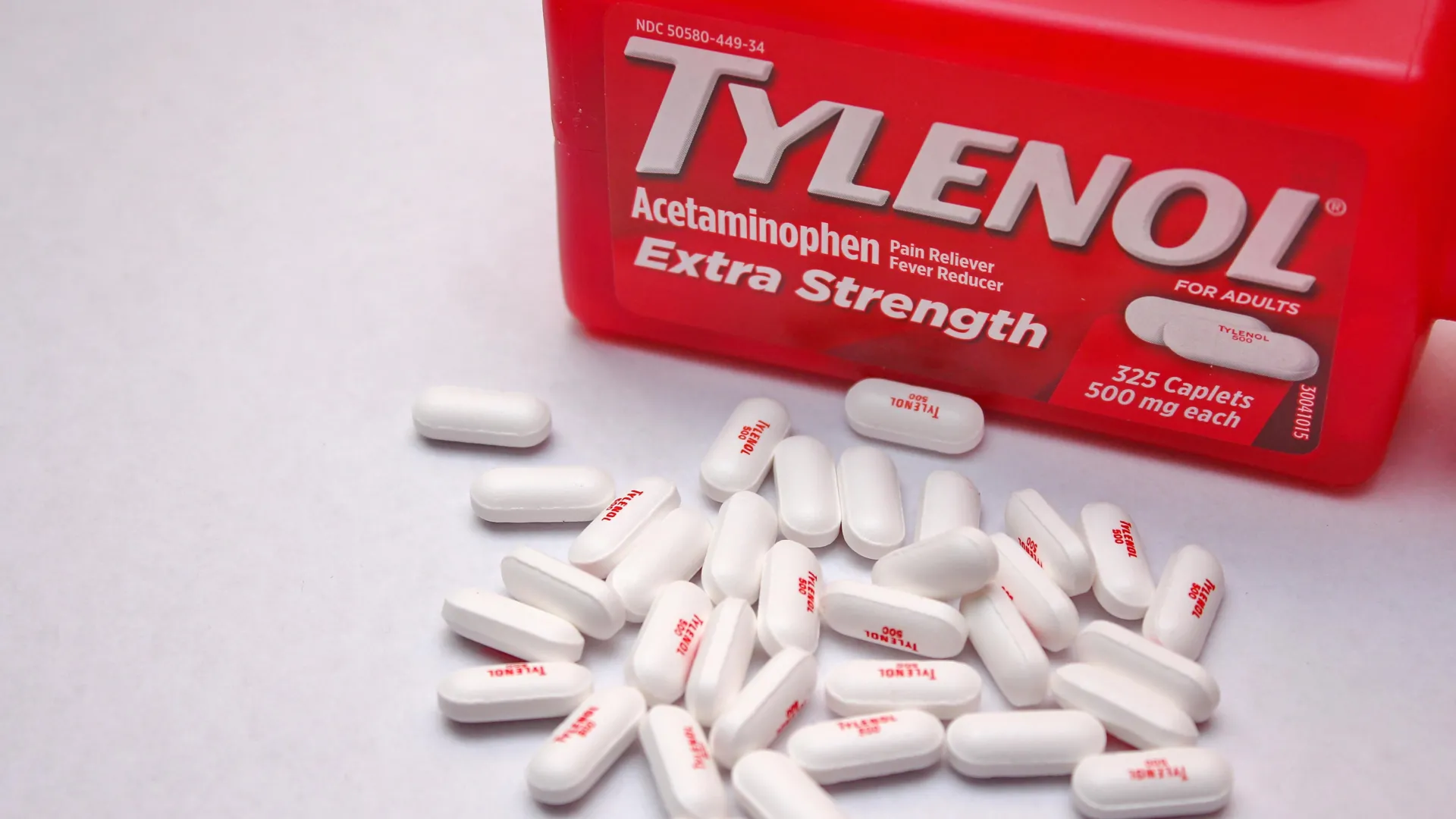
The common household medications many individuals rely on to manage minor aches, pains, and fevers may be contributing to one of the most significant public health crises of the 21st century. New research led by the University of South Australia (UniSA) has identified a startling link between non-prescription painkillers—specifically ibuprofen and acetaminophen (paracetamol)—and the acceleration of antibiotic resistance. The study, which is the first of its kind to examine the combined effects of these over-the-counter (OTC) staples on bacterial evolution, suggests that these medications do not merely act as passive treatments but actively drive genetic mutations in bacteria, rendering life-saving antibiotics less effective.
Antimicrobial resistance (AMR) has long been recognized as a "silent pandemic." However, the UniSA findings introduce a new layer of complexity to the challenge. While the medical community has historically focused on the overuse and misuse of antibiotics themselves as the primary drivers of resistance, this research highlights how non-antibiotic medications can act as catalysts for bacterial adaptation. By exposing Escherichia coli (E. coli) to a combination of common painkillers and the broad-spectrum antibiotic ciprofloxacin, researchers observed a significant increase in the rate at which bacteria developed resistance, raising alarms for healthcare providers, particularly those managing the health of aging populations.
The Mechanism of Induced Resistance
The core of the UniSA study lies in the interaction between non-antibiotic drugs and the genetic architecture of bacteria. Lead researcher Associate Professor Rietie Venter and her team focused on E. coli, a bacterium commonly associated with urinary tract infections (UTIs) and gastrointestinal distress. When E. coli was exposed to ciprofloxacin—a fluoroquinolone antibiotic frequently used to treat such infections—in the presence of ibuprofen or acetaminophen, the bacteria exhibited a marked increase in genetic mutations.
These mutations were not random; they specifically enhanced the bacteria’s ability to survive antibiotic treatment. The research uncovered that both ibuprofen and acetaminophen activate the bacteria’s natural defense mechanisms, particularly "efflux pumps." These are protein-based transport systems located in the bacterial cell membrane that function like biological bilge pumps, actively expelling toxic substances, including antibiotics, from the cell. By triggering these pumps, the painkillers effectively "prime" the bacteria to resist the lethal effects of ciprofloxacin.
Perhaps most concerning is the discovery of cross-resistance. The study found that bacteria exposed to this drug combination did not just become resistant to ciprofloxacin; they also developed increased resistance to multiple other classes of antibiotics. This suggests that the use of common painkillers could be creating "superbugs" with a broad-spectrum shield against a variety of medical interventions.
The Growing Crisis of Antimicrobial Resistance (AMR)
To understand the weight of these findings, one must look at the broader context of global health. According to the World Health Organization (WHO), AMR is one of the top ten global public health threats facing humanity. A comprehensive report published in The Lancet indicated that bacterial AMR was directly responsible for 1.27 million deaths worldwide in 2019 and played a role in an additional 4.95 million deaths.
The trajectory of AMR suggests that without intervention, common infections could once again become fatal, and routine surgeries—such as hip replacements or cesarean sections—could become prohibitively dangerous due to the risk of untreatable post-operative infections. The UniSA study adds a critical piece to this puzzle by demonstrating that the risk factors for AMR extend beyond the pharmacy’s antibiotic aisle and into the everyday medicine cabinet.
Polypharmacy and the Vulnerability of Aged Care Residents
A primary focus of Associate Professor Venter’s research is the impact of these findings on residential aged care facilities. Older adults are often the most frequent consumers of both antibiotics and chronic medications. This phenomenon, known as polypharmacy—the concurrent use of five or more medications—is nearly universal in aged care settings.
The UniSA study assessed nine medications commonly found in the treatment regimens of elderly patients:
- Ibuprofen: An anti-inflammatory used for joint and muscle pain.
- Acetaminophen (Paracetamol): Used for general pain and fever management.
- Diclofenac: A potent anti-inflammatory often prescribed for arthritis.
- Furosemide: A diuretic used to treat high blood pressure and fluid retention.
- Metformin: The primary medication for managing Type 2 Diabetes.
- Atorvastatin: A statin used to lower cholesterol.
- Tramadol: An opioid pain medication used for moderate to severe pain.
- Temazepam: A sedative used to treat insomnia.
- Pseudoephedrine: A common decongestant.
In these environments, the gut microbiome of residents becomes a "breeding ground" for resistance. When a resident is prescribed an antibiotic for a UTI but is also taking a daily regimen of painkillers, blood pressure medication, and statins, the bacteria in their system are under constant evolutionary pressure. The study indicates that the specific combination of painkillers and antibiotics creates an ideal environment for E. coli to mutate rapidly.
"This is especially prevalent in residential aged care facilities, where older people are more likely to be prescribed multiple medications," Assoc. Prof. Venter noted. "It’s an important finding that has serious health implications, particularly for people in aged care homes, where multiple medications are regularly administered."
A Timeline of Antibiotic Efficacy and the Rise of Resistance
The history of antibiotics is a race between human innovation and bacterial evolution.
- 1928: Alexander Fleming discovers Penicillin, marking the beginning of the antibiotic era.
- 1940s: Mass production of Penicillin begins, significantly reducing mortality from infections during WWII.
- 1950s-1970s: The "Golden Age" of antibiotic discovery occurs, with most classes of antibiotics currently in use today being discovered during this period.
- 1980s-1990s: The first signs of widespread resistance appear, particularly in hospitals. The "discovery void" begins, with fewer new classes of antibiotics reaching the market.
- 2000s-Present: The emergence of Multi-Drug Resistant (MDR) organisms, such as MRSA and carbapenem-resistant Enterobacteriaceae, becomes a global crisis.
- 2024: The UniSA study identifies non-antibiotic OTC medications as active contributors to the acceleration of this resistance.
This timeline illustrates that while antibiotics were once viewed as "miracle drugs," their efficacy is a finite resource. The revelation that ibuprofen and acetaminophen—drugs used by billions of people daily—are accelerating the depletion of this resource necessitates a shift in how both clinicians and the public view medication safety.
Analysis of Implications for Clinical Practice
The implications of this research are far-reaching, affecting everything from clinical prescribing guidelines to public health education. For decades, the advice to "finish the course of antibiotics" and "avoid unnecessary antibiotic use" has been the cornerstone of AMR prevention. Now, the medical community may need to consider the "interactome" of all drugs a patient is taking.
From a clinical perspective, the study suggests that doctors may need to be more selective when co-prescribing painkillers with antibiotics. If a patient is suffering from a severe infection, the temporary cessation or substitution of certain non-steroidal anti-inflammatory drugs (NSAIDs) might be necessary to ensure the antibiotic can work at peak efficiency. However, Assoc. Prof. Venter is careful to maintain a balanced perspective: "This doesn’t mean we should stop using these medications, but we do need to be more mindful about how they interact with antibiotics."
Furthermore, the study highlights a need for pharmaceutical companies and regulatory bodies to include AMR potential in the safety testing of non-antibiotic drugs. Currently, drug interactions are primarily screened for metabolic interference (how one drug affects the absorption or breakdown of another). The UniSA research argues that we must also screen for "evolutionary interference"—how a drug might change the way bacteria respond to other treatments.
Future Research and Global Responses
The UniSA team is calling for an immediate expansion of research into drug-drug-microbe interactions. While this study focused on E. coli and ciprofloxacin, there are thousands of other combinations that remain unexamined. How does metformin interact with penicillin? Does atorvastatin affect the efficacy of erythromycin?
Public health organizations are likely to take these findings into account as they update their AMR action plans. The "One Health" approach, which recognizes that the health of people is closely connected to the health of animals and our shared environment, will need to incorporate the chemical footprint of non-antibiotic pharmaceuticals in wastewater and soil, as these drugs are excreted by humans and enter the environment, potentially driving resistance in wild bacterial populations as well.
The economic impact of ignoring these findings could be staggering. The World Bank estimates that AMR could result in US$1 trillion to US$3.4 trillion in additional healthcare costs per year by 2030. By identifying previously unknown drivers of resistance, such as common painkillers, researchers are providing a roadmap for more targeted interventions that could potentially save millions of lives and billions of dollars.
As the scientific community digests the UniSA report, the message is clear: the fight against antibiotic resistance is no longer just about antibiotics. It is about understanding the complex chemical environment of the human body and recognizing that even the most "trusted staples" in our medicine cabinets can have profound and unintended consequences on the microscopic world that lives within us. The study serves as a vital reminder of the need for holistic medicine and the continuous re-evaluation of long-standing medical assumptions in the face of a changing biological landscape.
