
 By Lina carolina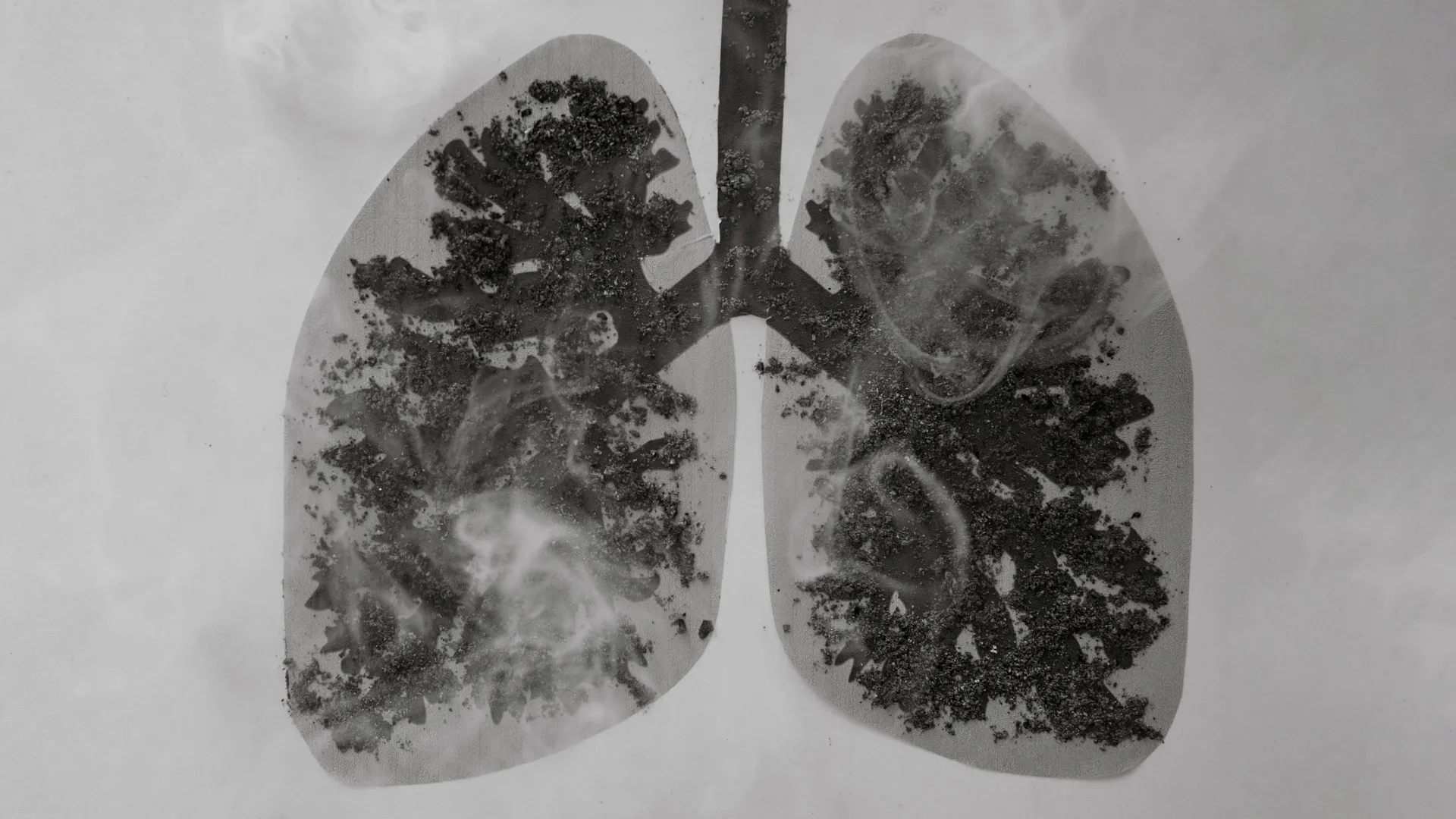
A groundbreaking study published on June 10 in ERJ Open Research has revealed a stark difference in the accumulation of soot-like carbon deposits within the lung cells of individuals with Chronic Obstructive Pulmonary Disease (COPD) compared to those who smoke but have not developed the debilitating respiratory condition. The research, conducted by scientists at the University of Manchester, UK, indicates that these carbon particles, which can enter the lungs through various environmental exposures including cigarette smoke, diesel exhaust, and polluted air, play a more significant and detrimental role in the lungs of COPD patients.
Key Findings: A Deeper Dive into Carbon Accumulation
The study focused on alveolar macrophages, crucial immune cells in the lungs tasked with protecting the body by engulfing foreign particles and pathogens. However, the Manchester researchers discovered that when these macrophages are laden with carbon, they not only increase in size but also actively promote inflammation. This inflammatory response is a hallmark of COPD, leading to progressive lung damage and airflow limitation.
The research team, led by Dr. James Baker and Dr. Simon Lea, utilized lung tissue samples obtained from surgeries for suspected lung cancer. Critically, they examined samples that were confirmed to be free of cancerous cells. These samples were sourced from 28 individuals diagnosed with COPD and 15 individuals who were regular smokers but showed no signs of COPD.
Through meticulous microscopic analysis of the alveolar macrophages, the researchers quantified both the size of these cells and the extent of carbon accumulation within them. The results were striking: the average amount of carbon found in the alveolar macrophages of COPD patients was more than three times greater than that observed in smokers without COPD. Furthermore, the study consistently found that cells containing visible carbon deposits were significantly larger than those without.
The Link Between Carbon Load and Lung Function
Beyond the sheer volume of carbon, the study established a correlation between the extent of carbon accumulation and the severity of lung impairment. Patients exhibiting larger deposits of carbon within their alveolar macrophages also demonstrated poorer lung function, as measured by FEV1% (Forced Expiratory Volume in one second). This metric quantifies the amount of air a person can forcibly exhale in one second and is a critical indicator of airflow limitation, a defining characteristic of COPD. A lower FEV1% signifies a more severe obstruction and reduced lung capacity.
To further elucidate the impact of carbon on macrophage behavior, the researchers conducted laboratory experiments. They exposed macrophages to carbon particles under controlled conditions and observed a marked increase in cell size. More importantly, these carbon-exposed cells exhibited elevated production of pro-inflammatory proteins. This direct experimental evidence supports the hypothesis that carbon particles directly contribute to the inflammatory processes that damage lung tissue in COPD.
Unraveling the Cause: Beyond Simple Smoking Exposure
Dr. Simon Lea emphasized the significance of the comparative aspect of the study. "As we compared cells from COPD patients with cells from smokers, we can see that this build-up of carbon is not a direct result of cigarette smoking," Dr. Lea stated. "Instead, we show alveolar macrophages in COPD patients contain more carbon and are inherently different in terms of their form and function compared to those in smokers."
This finding is crucial because it suggests that the increased carbon burden in COPD patients is not solely attributable to the act of smoking itself. It raises deeper questions about why these individuals accumulate more carbon and how their lung cells respond differently.
Dr. Lea proposed two compelling hypotheses for this observed phenomenon: "It could be that people with COPD are less able to clear the carbon they breathe in. It could also be that people exposed to more particulate matter are accumulating this carbon and developing COPD as a result." The former suggests a potential deficit in the lung’s natural defense and clearance mechanisms in COPD patients, while the latter points to environmental particulate matter as a potential trigger or exacerbating factor for COPD development.
Implications for Understanding and Managing COPD
The research opens new avenues for understanding the complex etiology of COPD, a disease that affects millions worldwide and is characterized by persistent respiratory symptoms and airflow limitation. While smoking remains the primary risk factor, a significant portion of COPD cases are linked to environmental exposures, including air pollution.
The study’s findings suggest that the interaction between inhaled carbon particles and alveolar macrophages is a key mechanism by which these environmental factors contribute to disease development and progression. The enlarged, inflamed macrophages, overloaded with carbon, may compromise the lung’s ability to defend itself against infections and irritants, leading to a vicious cycle of inflammation and tissue damage.
Expert Commentary and Future Directions
Professor Fabio Ricciardolo, Chair of the European Respiratory Society’s group on monitoring airway disease, who was not involved in the research, provided expert commentary on the study’s significance. "This set of experiments suggest that people with COPD accumulate unusually large amounts of carbon in the cells of their lungs," Professor Ricciardolo observed. "This build-up seems to be altering those cells, potentially causing inflammation in the lungs and leading to worse lung function."
He further highlighted the broader implications for public health. "In addition, this research offers some clues about why polluted air might cause or worsen COPD," Professor Ricciardolo noted. "However, we know that smoking and air pollution are risk factors for COPD and other lung conditions, so we need to reduce levels of pollution in the air we breathe and we need to help people to quit smoking."
The University of Manchester team plans to build upon these findings. "In future, it would be interesting to study how this carbon builds up and how lung cells respond over a longer period of time," Dr. Lea indicated, underscoring the need for longitudinal studies to track the dynamic interplay between carbon exposure, cellular changes, and disease progression.
Broader Context: COPD and Environmental Exposures
COPD is a progressive lung disease that makes it difficult to breathe. It encompasses emphysema and chronic bronchitis. The World Health Organization (WHO) estimates that COPD is the third leading cause of death globally, affecting an estimated 251 million people. While smoking is responsible for the vast majority of COPD cases (estimated 80-90%), a significant proportion of individuals who have never smoked also develop the disease, pointing to the critical role of environmental factors.
Air pollution, a complex mixture of particulate matter, gases, and chemical compounds, has been increasingly recognized as a significant contributor to both the development and exacerbation of respiratory diseases, including COPD. Fine particulate matter (PM2.5), particles less than 2.5 micrometers in diameter, are of particular concern as they can penetrate deep into the lungs and even enter the bloodstream. Carbon, in the form of black carbon (soot), is a major component of PM2.5 and is primarily generated by incomplete combustion of fossil fuels and biomass.
The current study provides a mechanistic link between these inhaled carbon particles and the cellular pathology of COPD. By demonstrating that alveolar macrophages in COPD patients are not only more heavily laden with carbon but also exhibit altered function, the research offers a tangible explanation for how environmental exposures can drive disease.
The Path Forward: Prevention and Intervention
The implications of this research are far-reaching for public health policy and clinical practice. The findings underscore the urgent need for stricter regulations on air quality and continued efforts to combat smoking. Reducing exposure to particulate matter, particularly in urban environments and areas with high industrial activity, could be a crucial strategy in preventing the onset and slowing the progression of COPD.
From a clinical perspective, further research into the specific mechanisms by which alveolar macrophages accumulate and respond to carbon could lead to the development of novel therapeutic strategies. Targeting these cellular processes might offer new ways to mitigate inflammation, improve lung clearance mechanisms, and ultimately enhance the quality of life for individuals living with COPD.
The study, by providing a clearer understanding of the cellular impact of environmental pollutants on lung health, serves as a vital reminder of the interconnectedness of human health and the environment. It reinforces the scientific consensus that addressing air pollution is not merely an environmental issue, but a critical public health imperative.
