
 By admin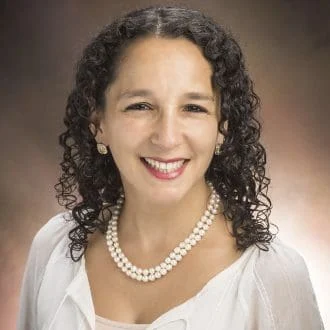
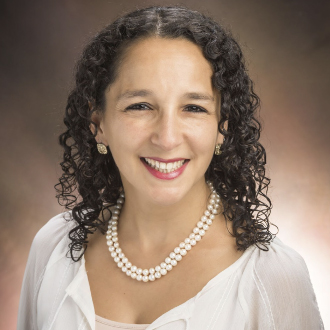
CureSearch for Children’s Cancer, a leading national non-profit organization dedicated to accelerating the development of new pediatric cancer treatments, has officially announced a $1 million grant to Dr. Yael Mossé of the Children’s Hospital of Philadelphia (CHOP). This funding, awarded through the prestigious Acceleration Initiative Award, is earmarked for the advancement of a groundbreaking precision medicine protocol designed to combat high-risk neuroblastoma. As one of the most lethal and aggressive forms of childhood cancer, neuroblastoma remains a significant challenge for the oncological community, often resisting standard therapies and carrying a high rate of relapse. Dr. Mossé’s research represents a critical pivot toward targeted therapies that aim to maximize efficacy while minimizing the long-term, often devastating side effects associated with traditional chemotherapy and radiation.
The Clinical Challenge of High-Risk Neuroblastoma
Neuroblastoma is a cancer that develops from immature nerve cells found in several areas of the body, most commonly arising in and around the adrenal glands, which have similar origins to nerve cells. It is the most common extracranial solid tumor in children, accounting for approximately 8% to 10% of all childhood cancer diagnoses. Despite its relatively low incidence compared to adult cancers, its impact is disproportionately severe, contributing to roughly 15% of all pediatric cancer-related deaths.
The disease is characterized by its heterogeneity; while some cases in infants may regress spontaneously, "high-risk" cases are notoriously difficult to manage. High-risk neuroblastoma is typically defined by specific genetic markers, such as MYCN amplification, or by the age of the patient and the extent of the disease at the time of diagnosis (Stage 4). For these patients, the five-year survival rate has historically hovered around 50%, even with intensive multimodal therapy involving high-dose chemotherapy, surgery, radiation, stem cell transplants, and immunotherapy. The urgent need for novel therapeutic avenues is underscored by the fact that survivors often face lifelong health complications, including hearing loss, cardiac issues, and secondary malignancies, due to the toxicity of current treatment regimens.
Dr. Yael Mossé and the Precision Medicine Paradigm
Dr. Yael Mossé, a Professor of Pediatrics at the Perelman School of Medicine at the University of Pennsylvania and a physician-scientist at CHOP, has spent decades investigating the genetic drivers of neuroblastoma. Her work was instrumental in the landmark 2008 discovery of mutations in the Anaplastic Lymphoma Kinase (ALK) gene as the primary cause of the inherited form of neuroblastoma and a major driver in somatic (non-inherited) high-risk cases.
The $1 million CureSearch grant will support Dr. Mossé’s efforts to refine treatments that specifically target these cancer-driving mutations. Unlike conventional chemotherapy, which attacks all rapidly dividing cells in the body, precision medicine utilizes "molecular keys" to shut down the specific signals that tell cancer cells to grow. By focusing on the ALK protein and other specific genetic vulnerabilities, Dr. Mossé’s research aims to create a "smart" treatment. This approach is designed to spare healthy tissues, thereby reducing the systemic toxicity that often leaves young survivors with permanent disabilities.
The current project funded by the Acceleration Initiative Award focuses on streamlining the transition of these targeted inhibitors from the laboratory setting into active clinical trials. The goal is to establish a new standard of care where genetic profiling of a child’s tumor dictates the specific pharmacological intervention used, a move away from the "one size fits all" approach of the past.
The Acceleration Initiative Award: Bridging the "Valley of Death"
The Acceleration Initiative Award (AIA) is CureSearch’s flagship grant program, designed specifically to address the "Valley of Death" in drug development—the gap between a promising laboratory discovery and the commencement of human clinical trials. In the pharmaceutical industry, pediatric drug development is often deprioritized due to the smaller market size compared to adult cancers, leaving many life-saving innovations stalled on the laboratory bench.
To combat this, the AIA employs a rigorous selection process. Applications are reviewed by an international Scientific Advisory Board and a Business Advisory Board to ensure that the projects are not only scientifically sound but also have a clear, viable path to commercialization and clinical implementation. The grant requires that the funded research reach a specific clinical milestone within three years, ensuring that the $1 million investment yields tangible progress for patients in the near term.
Dr. Mossé’s project was selected because of its high potential for rapid translation. Her previous work with ALK inhibitors, such as Lorlatinib, has already shown promise in early-phase trials. The new funding will allow her team to optimize dosing strategies and explore combination therapies that could prevent the cancer from developing resistance to the drug.
Supporting Data and the Funding Landscape
The necessity of private philanthropic support, such as that provided by CureSearch and the Norcross Foundation, is highlighted by the current state of federal research funding. In the United States, the National Cancer Institute (NCI) allocates only approximately 4% of its annual budget specifically to pediatric cancer research. While federal funding provides the foundation for basic science, it often falls short of supporting the expensive, late-stage pre-clinical work required to move a drug toward FDA approval.
Data from the American Cancer Society indicates that while overall cancer death rates have declined, the progress in certain high-risk pediatric sub-types has remained stagnant. For neuroblastoma, the survival rate for low- and intermediate-risk groups is excellent (exceeding 90% to 95%), but the high-risk group remains the "final frontier" of the disease. Statistical analysis suggests that if targeted therapies like those being developed by Dr. Mossé can improve the high-risk survival rate by even 10% to 15%, it would save hundreds of lives annually in the U.S. alone.
Furthermore, the economic impact of childhood cancer is profound. A study published in the Journal of Clinical Oncology noted that the "years of life lost" and the subsequent loss of economic productivity are significantly higher for pediatric cancers than for adult-onset diseases. Investing in cures that result in healthy, productive survivors is thus seen as both a moral and an economic imperative.
Official Responses and Institutional Support
The announcement has been met with significant enthusiasm from the pediatric oncology community. Dr. Mossé emphasized the transformative nature of the grant, noting that the support allows her team to bypass traditional bureaucratic hurdles that often slow down drug development.
“This award provides an unprecedented opportunity to streamline the overall development of a novel therapy for patients with neuroblastoma by accelerating the entire drug development process,” Dr. Mossé stated. “This translation of our science could not be possible without the support of CureSearch.”
Representatives from CureSearch underscored the organization’s commitment to high-impact science. By partnering with the Norcross Foundation, CureSearch is able to leverage private wealth to fill the gaps left by federal sequestration and shifting political priorities. The Norcross Foundation, known for its support of healthcare and community initiatives in the Philadelphia area and beyond, has been a key partner in ensuring that CHOP remains at the epicenter of pediatric cancer innovation.
Broader Impact and Future Implications
The implications of Dr. Mossé’s research extend beyond neuroblastoma. The success of ALK-targeted therapies in children provides a roadmap for treating other pediatric cancers driven by similar genetic mutations. It also reinforces the importance of genomic sequencing at the time of diagnosis. As these targeted therapies become more common, the medical community expects a shift in how pediatric oncology wards operate—moving away from the intensive inpatient stays required for toxic chemotherapy and toward more manageable, outpatient-based precision treatments.
Moreover, the success of the Acceleration Initiative model serves as a proof-of-concept for other non-profits. By acting more like a venture philanthropy firm—focusing on milestones, timelines, and clinical outcomes—CureSearch is demonstrating how to maximize the "return on investment" for donor dollars in the scientific realm.
As Dr. Mossé and her team at the Children’s Hospital of Philadelphia move forward with their research, the focus will remain on the upcoming clinical phases. The next three years will be pivotal in determining whether this targeted approach can finally break the 50% survival ceiling for high-risk neuroblastoma. For the thousands of families affected by this diagnosis, the $1 million award is more than just a financial transaction; it is a vital lifeline in the pursuit of a future where no child dies from cancer.
The project continues a long tradition of excellence at CHOP, which is consistently ranked among the best children’s hospitals in the nation. With the combined resources of CHOP’s clinical infrastructure, Dr. Mossé’s scientific expertise, and CureSearch’s strategic funding, the path toward a cure for high-risk neuroblastoma has never been more clearly defined.
