
 By admin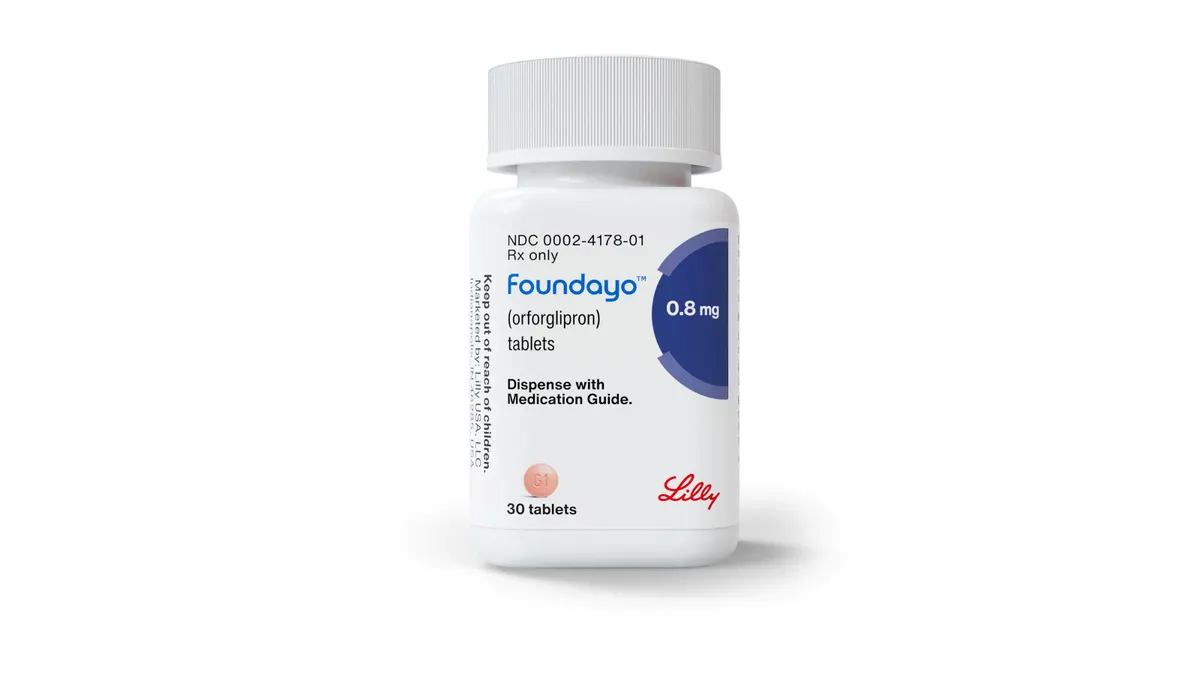
Eli Lilly’s newly approved oral obesity medication, Foundayo (orforglipron), has been subjected to significant post-market surveillance requirements by the U.S. Food and Drug Administration (FDA), mandating the pharmaceutical giant to meticulously evaluate potential liver-related safety risks from an ongoing cardiovascular outcomes trial in patients with diabetes. This directive, detailed in the drug’s approval letter, underscores the agency’s rigorous approach to long-term safety profiling for novel therapeutic agents, particularly within the burgeoning and highly competitive GLP-1 receptor agonist class. The FDA’s request specifically targets data pertaining to drug-induced liver injury, a critical safety parameter for any systemic medication, particularly those with chronic administration.
The approval letter explicitly instructs Lilly to assess and statistically analyze any unexpected instances of elevated liver enzymes that meet predefined clinical safety criteria, document any observed liver harm, and track discontinuations from the trial that are attributable to liver-related side effects. Beyond hepatic concerns, the FDA has also sought data related to "unexpected serious risk" of heart attacks and other cardiovascular complications, a standard but crucial request for drugs targeting metabolic conditions that often carry inherent cardiovascular risks. This multifaceted demand for post-approval data highlights the agency’s commitment to a comprehensive understanding of Foundayo’s safety profile as it enters a broad patient population.
This regulatory stipulation arrives at a pivotal moment in the pharmaceutical industry, coinciding with the aggressive launch of the second oral GLP-1-targeting obesity pill in the U.S. market within a mere four months. Novo Nordisk’s oral formulation of Wegovy (semaglutide) made its debut in January, intensifying an already fervent marketing and competitive battle between the two pharmaceutical titans. Novo Nordisk, a pioneer in the GLP-1 space, is actively seeking every possible advantage to protect its first-mover status and market share, particularly as the company navigates potential challenges to its long-term financial outlook. In such a high-stakes environment, even subtle differences in perceived safety profiles could become a significant competitive differentiator.
However, industry analysts are currently downplaying the immediate impact of the FDA’s requirements on market dynamics. Michael Leuchten, a Jefferies analyst closely following Novo Nordisk, communicated to clients that the specifics outlined in the Foundayo approval letter are not reflected within the drug’s official label. He also pointed to the substantial body of existing clinical evidence supporting Lilly’s oral product. Consequently, Leuchten does not anticipate this FDA mandate to generate incremental demand for Novo’s oral Wegovy. This assessment suggests that the current regulatory request is perceived as a standard post-marketing vigilance measure rather than an indication of imminent safety concerns that would shift market preference.
Eli Lilly, in its official statement, affirmed that the FDA’s requirements are "consistent with the agency’s standard approach to ongoing safety evaluation of newly approved medicines." The company further emphasized that "No hepatic safety signals have been observed for Foundayo across the Phase 3 program to date." This reassurance aligns with the analyst’s perspective and aims to mitigate any potential concerns among prescribers and patients regarding the drug’s liver safety. Furthermore, a dedicated webpage by Lilly, specifically designed for prescribers, cites data from four Phase 3 trials in diabetes patients, alongside earlier Phase 2 trials. These collective findings reportedly indicate no elevated risk of liver enzyme increases in individuals treated with various doses of Foundayo when compared to either a placebo or semaglutide, the active ingredient in Novo Nordisk’s Wegovy. This existing data forms a crucial part of Lilly’s defense against potential safety perceptions.
The Achieve-4 Trial: A Cornerstone of Post-Marketing Surveillance
The specific clinical investigation from which the FDA is seeking liver data is the "Achieve-4" trial. This pivotal cardiovascular outcomes trial (CVOT) involves individuals with diabetes and is meticulously designed to detect any significant differences in the risk of major adverse cardiovascular events (MACE) between Foundayo and long-acting insulin. MACE typically includes endpoints such as heart attacks, stroke, hospitalization for angina, or cardiovascular death. Cardiovascular outcomes trials are an increasingly standard and critical requirement for new diabetes medications, and more recently, for obesity drugs, to ensure long-term cardiovascular safety and benefits. These trials often span several years and involve thousands of patients, providing robust data on a drug’s systemic effects beyond its primary efficacy.
The Achieve-4 trial is nearing its conclusion, with investigators slated to wrap up the study this month, April 2026. A comprehensive report containing the requested data is expected to be submitted to the FDA in July 2026. This timeline underscores the immediate nature of the FDA’s request and Lilly’s ongoing commitment to fulfilling these post-approval obligations. The data derived from this trial will be instrumental in further solidifying Foundayo’s safety profile, particularly concerning hepatic and cardiovascular risks in a vulnerable patient population.
Understanding Liver Safety Markers: Elevated Enzymes and Hy’s Law

The FDA’s specific request for data on liver enzyme elevations, cases meeting "Hy’s Law" criteria, and discontinuations due to liver impairment necessitates a deeper understanding of these crucial safety markers.
Elevated Liver Enzymes: The liver produces several enzymes, including alanine aminotransferase (ALT) and aspartate aminotransferase (AST), which are critical for its metabolic functions. When liver cells are damaged, these enzymes can leak into the bloodstream, leading to elevated levels detectable in blood tests. Significant elevations, often defined as three or five times the upper limit of normal, are considered indicators of potential liver stress or injury. The FDA’s request for data meeting "certain clinical safety criteria" implies a focus on clinically meaningful increases rather than minor fluctuations.
Hy’s Law: This criterion is a particularly serious signal for potential drug-induced liver injury (DILI). Hy’s Law is met when a patient exhibits a significant elevation in both aminotransferases (ALT or AST, typically more than three times the upper limit of normal) and total bilirubin (more than two times the upper limit of normal), in the absence of other causes that could explain the liver injury (such as viral hepatitis, biliary obstruction, or pre-existing liver disease). Meeting Hy’s Law is a strong predictor of severe DILI, which can be irreversible and, in rare cases, fatal. The FDA’s explicit request for this specific data underscores its vigilance for potentially severe hepatic adverse events, even if rare.
Discontinuations due to Liver Impairment: Tracking patient discontinuations directly attributable to liver-related side effects provides real-world insight into the clinical manageability and tolerability of a drug. If a significant number of patients cease treatment due to liver issues, it indicates a practical safety concern that could impact the drug’s utility and patient adherence, regardless of the severity of the individual events. This metric offers a pragmatic view of the drug’s safety profile in a clinical setting.
The FDA has also indicated that data from "observational" studies that do not include a placebo or comparator drug would be sufficient for the initial determination of increased liver risk. This nuanced approach suggests that while the agency prioritizes comprehensive safety data, it also recognizes the logistical challenges and timeframes associated with placebo-controlled trials for all specific safety questions. However, the subsequent request for detailed analysis from Achieve-4, a robust outcomes trial, indicates a desire for more definitive and comparative data in the long run.

Regulatory Precedent and Market Implications
Analyst Michael Leuchten posits a compelling theory for the FDA’s specific request: Foundayo’s initial approval for obesity preceded its potential approval for diabetes. This sequence is notable because, historically, most GLP-1 drugs currently on the market first secured approval for diabetes, a pathway that inherently requires the completion of extensive, long-term cardiovascular outcomes trials to establish cardiac and hepatic safety. These trials then often pave the way for subsequent obesity indications.
By contrast, if Foundayo received its initial green light for obesity, the FDA might be ensuring that it undergoes the same rigorous, long-term safety scrutiny typically applied to diabetes medications, particularly concerning cardiovascular and liver health, even if those trials were not a prerequisite for the initial obesity indication. This reflects a consistent regulatory standard across drug classes that share similar mechanisms and target patient populations with overlapping comorbidities. The agency’s proactive stance aims to harmonize the safety data expectations, ensuring that all major GLP-1s meet a high bar for chronic use.
The broader implications of such FDA requirements extend beyond just Eli Lilly and Novo Nordisk. For patients, these post-marketing surveillance measures are crucial safeguards, ensuring that a comprehensive understanding of a drug’s long-term safety profile is continually built even after it becomes available on the market. For the pharmaceutical industry, these mandates influence future clinical trial design, emphasizing the importance of robust safety monitoring protocols and potentially extending the duration and scope of post-market commitments for novel drug classes.
The competition in the metabolic disorder space, particularly for GLP-1 receptor agonists, is intensifying rapidly. The emphasis on efficacy, safety, and convenience (oral versus injectable formulations) will continue to shape market dynamics. While Eli Lilly asserts no liver safety signals have been observed to date, the FDA’s request underscores the agency’s unwavering commitment to patient safety and its role in maintaining public trust in newly approved medications. The forthcoming data from the Achieve-4 trial in July will undoubtedly be closely watched by regulators, clinicians, patients, and competitors alike, further clarifying Foundayo’s long-term safety profile and its standing in a fiercely contested therapeutic area.
