
 By Gabriel Paijo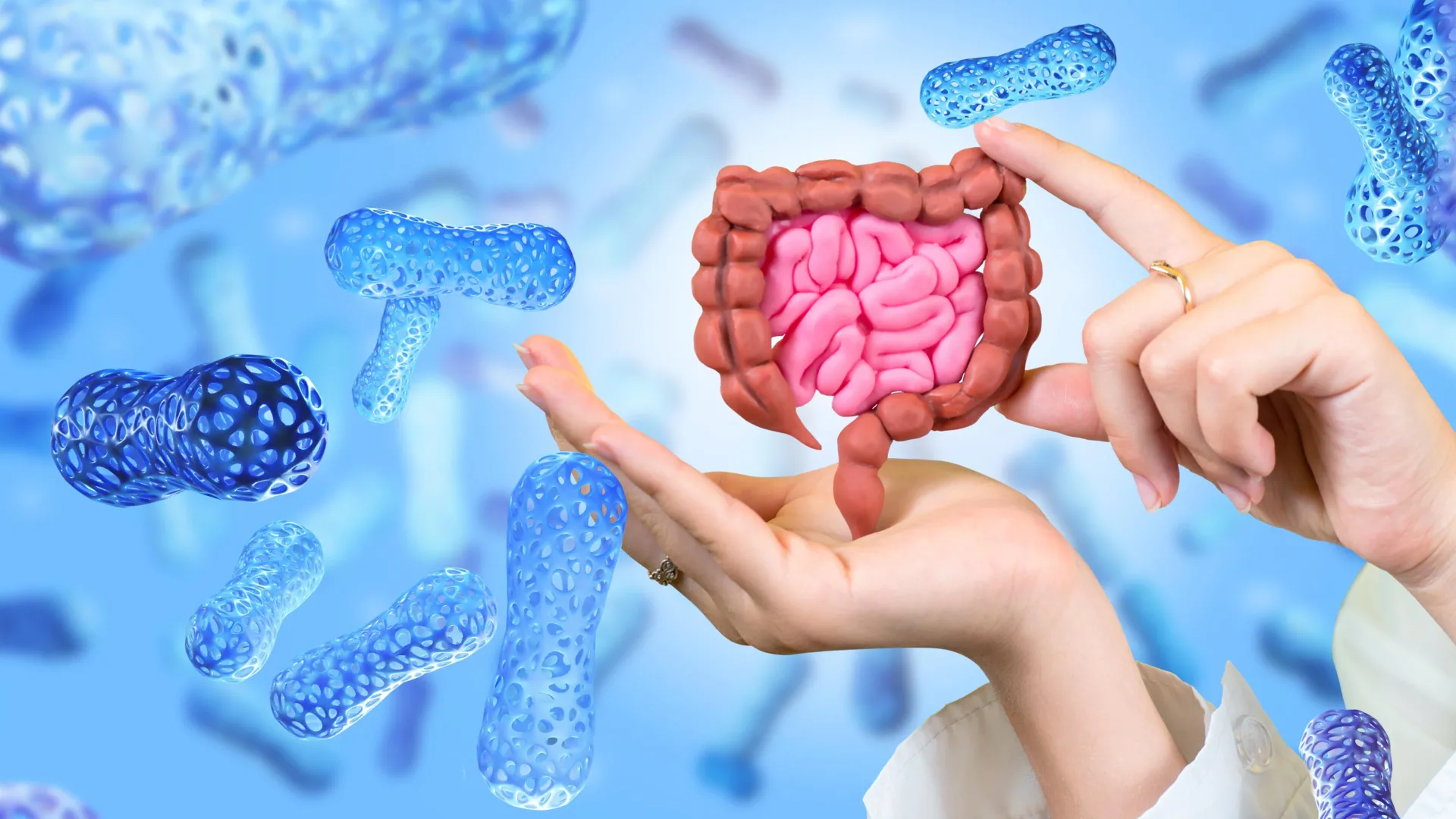
Pancreatic ductal adenocarcinoma (PDAC) remains one of the most lethal malignancies worldwide, characterized by a dismal five-year survival rate that currently hovers around 12% to 13%. While the advent of cancer immunotherapy, particularly immune checkpoint inhibitors, has revolutionized the treatment of melanoma and lung cancer, pancreatic cancer has remained stubbornly resistant to these modern interventions. This resistance is largely attributed to the "cold" tumor microenvironment—a dense, fibrotic, and oxygen-poor landscape that effectively shields the tumor from the body’s immune system and prevents therapeutic agents from penetrating deep into the malignant core. However, a multidisciplinary team of researchers at the University of Chicago has published a groundbreaking study in the journal Science Advances that details a novel method for breaching these defenses using a genetically modified strain of a common gut bacterium.
By engineering a specific strain of Bifidobacterium longum, a probiotic frequently found in the human digestive tract and common fermented foods like yogurt, the researchers have created a biological delivery vehicle capable of transporting potent immune-stimulating molecules directly into the heart of pancreatic tumors. This engineered bacterium, designated BifidoSumIL-2, serves as a microscopic "drug factory" that activates only within the unique, low-oxygen conditions of a solid tumor, thereby bypassing the systemic toxicity that has long plagued high-dose cytokine therapies.
The Challenge of the "Cold" Tumor Microenvironment
The primary obstacle in treating pancreatic cancer is the physiological structure of the tumor itself. Pancreatic tumors are notorious for creating a desmoplastic reaction—the growth of dense fibrous tissue that increases interstitial fluid pressure and collapses blood vessels. This creates a hypoxic (low-oxygen) environment that is hostile to most immune cells. Because T cells, the primary "soldiers" of the immune system, cannot easily infiltrate these "cold" tumors, traditional immunotherapies that rely on existing immune activity often fail.
To transform these "cold" tumors into "hot" ones—areas where the immune system can actively recognize and destroy cancer cells—doctors have long looked toward cytokines like Interleukin-2 (IL-2). IL-2 is a powerful signaling molecule that can trigger the rapid proliferation of T cells. However, when administered systemically, IL-2 is notoriously difficult to manage. It can cause severe side effects, including vascular leak syndrome and organ failure, because it activates immune cells throughout the entire body rather than just at the tumor site. Furthermore, conventional IL-2 can inadvertently stimulate regulatory T cells (Tregs), which actually suppress the immune response, potentially aiding the tumor’s survival.
Engineering a Precision Biological Tool
The University of Chicago team, led by Dr. Ralph Weichselbaum and Dr. Mark Mimee, sought to solve the IL-2 dilemma through the lens of synthetic biology. Their solution involved two distinct engineering feats: modifying the IL-2 molecule itself and choosing a highly specialized delivery vehicle.
The first step involved the creation of "SumIL-2," a modified version of the Interleukin-2 protein. SumIL-2 was designed to have a higher affinity for the receptors on cancer-fighting CD8+ T cells and natural killer (NK) cells, while simultaneously reducing its interaction with the receptors on immunosuppressive regulatory T cells. This fine-tuning ensures that the immune system receives a "go" signal for attack without the counterproductive "stop" signal that often accompanies natural IL-2.
The second step was the selection of Bifidobacterium longum. Unlike many other bacteria, Bifidobacterium is an obligate anaerobe, meaning it thrives only in environments devoid of oxygen. In a healthy human body, most tissues are well-oxygenated, making them inhospitable to these bacteria. However, the necrotic and hypoxic centers of solid tumors provide the perfect sanctuary. When BifidoSumIL-2 is introduced into the system, it is naturally cleared from healthy organs by the body’s own defenses but survives and replicates within the low-oxygen environment of the pancreatic tumor.
"Bifidobacterium is an obligate anaerobe, so it doesn’t grow in the presence of oxygen," explained Mark Mimee, PhD, Assistant Professor of Microbiology at the University of Chicago. "When the bacteria are injected systemically, they are cleared from healthy tissues with abundant oxygen. Inside the low-oxygen regions of tumors, however, they can become active."
Experimental Results and Combination Potential
The researchers tested BifidoSumIL-2 in various animal models of pancreatic cancer to observe its efficacy and safety. The results demonstrated that the bacteria successfully colonized the tumors and began producing SumIL-2 locally. This localized production led to a significant increase in the infiltration of CD8+ T cells into the tumor mass, effectively "warming up" the cold microenvironment.
In these preclinical trials, the therapy alone was sufficient to slow the progression of tumor growth. However, the most significant findings emerged when BifidoSumIL-2 was used as a foundational therapy in combination with existing standard-of-care treatments.
- Radiotherapy: When combined with targeted radiation, the bacterial therapy appeared to sensitize the tumor, leading to a more robust destruction of cancer cells.
- Chemotherapy: The use of BifidoSumIL-2 alongside traditional chemotherapeutic agents resulted in a synergistic effect, extending survival rates beyond what either treatment could achieve independently.
- Checkpoint Inhibitors: Perhaps most importantly, the bacterial therapy made the tumors susceptible to anti-PD-L1 immunotherapy. By bringing T cells into the tumor, BifidoSumIL-2 provided the necessary "targets" for the checkpoint inhibitors to work on, overcoming the primary reason why these drugs usually fail in pancreatic cancer.
"This combination potential is one of the study’s most important findings; BifidoSumIL-2 not only works by itself—it works with radiotherapy, chemotherapy, and immunotherapy," said Ralph Weichselbaum, MD, the Daniel K. Ludwig Distinguished Service Professor and Chair of Radiation and Cellular Oncology.
Overcoming the Hurdles of Synthetic Biology
The development of BifidoSumIL-2 was a multi-year effort that required bridging the gap between several scientific disciplines. Engineering Bifidobacterium is significantly more complex than working with more common laboratory bacteria like E. coli. Because Bifidobacterium grows slowly and requires specialized anaerobic chambers, the genetic manipulation process is labor-intensive.
"Bifidobacterium is not the easiest organism to work with," Mimee noted. "The genetic tools for manipulating it are much more limited… A lot of the work was just figuring out how to reliably engineer it."
The team had to ensure that the bacteria would not only produce the SumIL-2 but also secrete it effectively into the surrounding tumor tissue. This required the development of specific genetic "promoters" and secretion signals that would function correctly within the bacterial cell wall. The successful engineering of this strain represents a significant milestone in the field of "bugs as drugs," or live biotherapeutic products (LBPs).
Future Outlook and Clinical Implications
While the preclinical data is compelling, the researchers emphasize that BifidoSumIL-2 is still in the experimental stage and has not yet undergone human clinical trials. Several critical questions remain to be answered before this can become a standard treatment.
Future research will focus on the durability of the immune response—how long the bacteria remain active in the tumor and whether repeated doses are necessary. There is also the question of delivery. While the current study utilized systemic injection, the researchers are exploring whether the probiotic nature of Bifidobacterium might eventually allow for oral administration, which would be far less invasive for patients.
Safety remains the paramount concern. Although Bifidobacterium is generally recognized as safe (GRAS) due to its presence in food products, the introduction of an engineered strain into cancer patients—who are often immunocompromised—requires rigorous testing to ensure the bacteria do not cause infections or unintended systemic inflammation.
Furthermore, the team is interested in how this bacterial approach might interact with the next generation of pancreatic cancer drugs, such as KRAS inhibitors. Since KRAS mutations drive the majority of pancreatic cancers, combining a mutation-targeted drug with an immune-stimulating bacterium could provide a two-pronged attack on the disease.
The Role of Interdisciplinary Research at UChicago
This study is a product of the highly collaborative environment at the University of Chicago, involving specialists from the Department of Microbiology, the Department of Radiation and Cellular Oncology, and the Ludwig Center for Metastasis Research. The work was supported by the Ludwig Foundation and the National Institutes of Health (NIH), highlighting the institutional commitment to solving "unmet medical needs" like pancreatic cancer.
The timing of this research aligns with the University of Chicago Medicine’s expansion of its oncology capabilities. In April 2027, the institution is set to open the AbbVie Foundation Cancer Pavilion. This $815 million, 575,000-square-foot facility will be Chicago’s first freestanding cancer pavilion. It is designed specifically to facilitate the kind of translational research seen in the BifidoSumIL-2 study—moving discoveries from the laboratory bench to the patient’s bedside more efficiently.
As the field of synthetic biology continues to mature, the "bugs as drugs" approach offers a promising new frontier in precision medicine. By leveraging the natural evolutionary traits of bacteria to navigate the body’s most difficult environments, scientists are finding ways to deliver the right treatment to the right place at the right time, potentially turning the tide against the most resistant forms of cancer.
