
 By Gabriel Paijo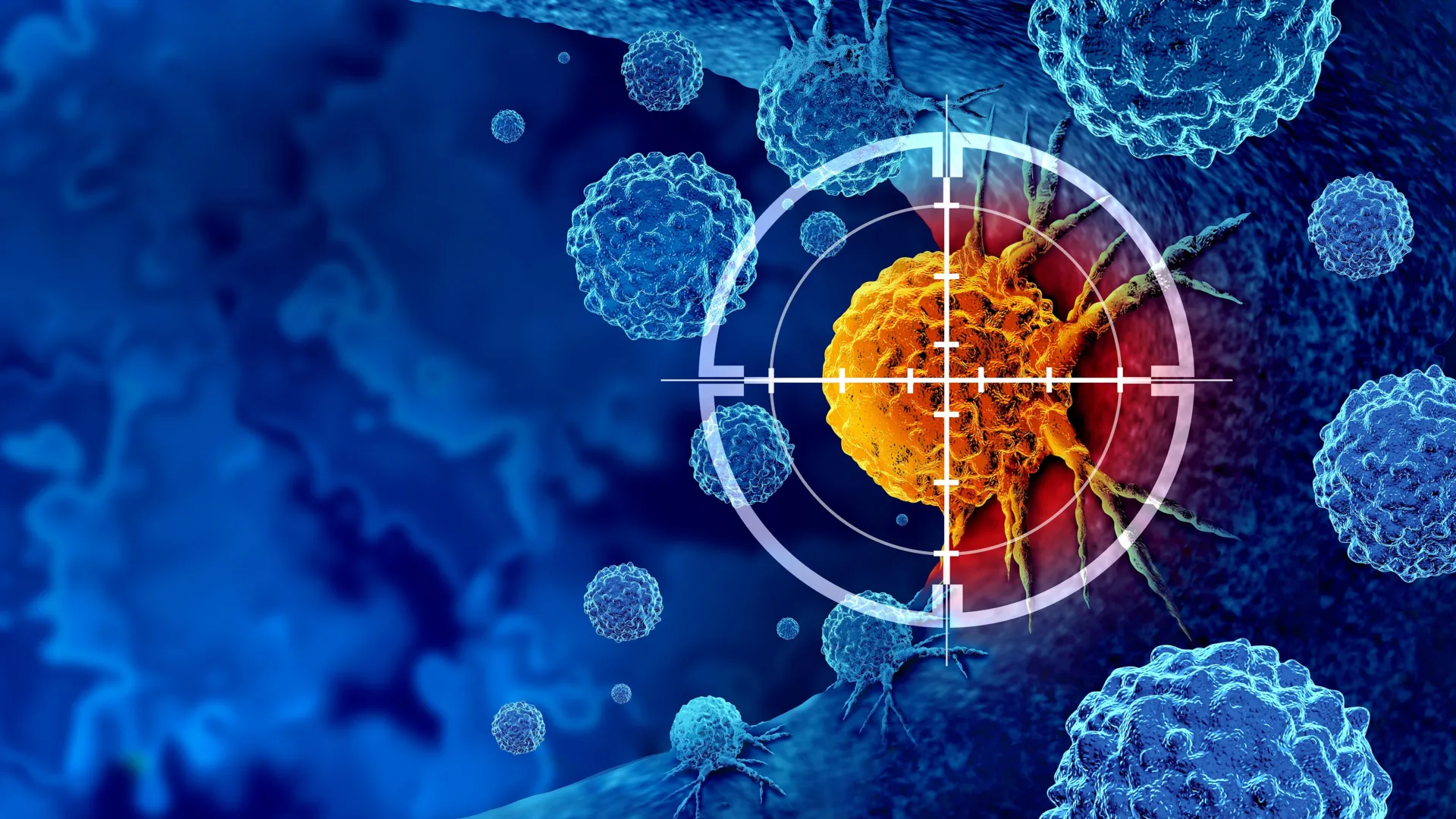
In a significant advancement for precision oncology, a collaborative research team has unveiled a novel CRISPR-based RNA targeting technology designed to overcome the primary obstacle in treating prostate cancer: the tumor’s ability to remain "invisible" to the human immune system. The study, recently published in the journal Nature Biomedical Engineering, details how manipulating the length of messenger RNA (mRNA) can transform "immune-cold" tumors into "immune-hot" targets, significantly increasing the effectiveness of existing immunotherapy treatments.
Prostate cancer remains one of the most prevalent and lethal malignancies among men globally. While immunotherapy has revolutionized the treatment of various cancers, such as melanoma and non-small cell lung cancer, it has historically yielded disappointing results for prostate cancer patients. The central challenge lies in the "immune-cold" nature of these tumors, which lack the necessary signals to attract T cells—the primary soldiers of the immune system. Without these cells, drugs known as checkpoint inhibitors have no mechanism to leverage, leaving the cancer free to proliferate.
The Biological Barrier: Understanding the "Immune-Cold" Phenomenon
To understand the significance of this breakthrough, it is essential to examine why prostate tumors are so effective at evading the immune response. In a healthy environment, the immune system identifies abnormal cells through the Major Histocompatibility Complex Class 1 (MHC-1). This complex acts as a molecular "flagpole" on the surface of cells, displaying fragments of proteins to passing T cells. If the proteins are recognized as cancerous or foreign, the T cells initiate a targeted attack.
However, prostate cancer cells have evolved a sophisticated method to dismantle this signaling system. By suppressing the expression of MHC-1, the tumor essentially removes its "flagpoles," becoming invisible to the immune system. This lack of visibility prevents T-cell infiltration, rendering the tumor "cold."
The research led by scientists from the Duke University School of Medicine and the University of Rochester Medicine focused on a specific protein called SPSB1. In prostate cancer cells, elevated levels of SPSB1 lead to the degradation of the machinery required to move MHC-1 to the cell surface. The discovery of this pathway provided a specific target for the researchers: if they could reduce SPSB1 levels, they could potentially restore the MHC-1 signals and "heat up" the tumor.
A Twelve-Year Journey: The Science of mRNA Shortening
The foundation for this technology dates back over a decade. In 2012, Eric J. Wagner, PhD, now a professor of Biochemistry and Biophysics at the University of Rochester, discovered a peculiar phenomenon while studying glioblastoma, a lethal form of brain cancer. He noted that the mRNA molecules in tumor cells were significantly shorter than those in healthy cells.
Messenger RNA serves as the intermediary between DNA and protein production. Under normal circumstances, mRNA molecules have "tails" of varying lengths that help regulate their stability and lifespan within the cell. Through a process known as alternative polyadenylation, cancer cells can prematurely truncate these tails.
"Like animals that make themselves smaller for protection—think of a hedgehog or a pangolin—compact mRNAs have less exposed surface area," Dr. Wagner explained. These shortened mRNAs are more stable and less likely to be degraded by cellular enzymes. Because they persist longer, they can produce higher quantities of proteins like SPSB1, which in turn suppresses the immune system’s ability to recognize the cancer.
The Innovation: CRISPR Cas13 as a Molecular Architect
To address the issue of shortened mRNA, the research team developed a first-of-its-kind therapeutic tool using a modified version of the CRISPR system. While traditional CRISPR-Cas9 technology is famous for its ability to cut and edit DNA, this study utilized CRISPR-Cas13, which targets RNA.
Unlike conventional CRISPR applications that function as "molecular scissors," this specific iteration was engineered to act as a "molecular shield." The researchers programmed the Cas13 system to bind to a specific section of the SPSB1 mRNA. By occupying this site, the tool physically prevented the cancer cell’s machinery from reaching the end of the molecule to shorten it.
By forcing the SPSB1 mRNA to remain at its natural, longer length, the researchers successfully increased its vulnerability to cellular degradation. This led to a significant decrease in the production of the SPSB1 protein. With lower levels of SPSB1, the MHC-1 complex was able to return to the surface of the prostate cancer cells, effectively reinstalling the "flagpoles" that the immune system needs to identify the threat.
Preclinical Results and Supporting Data
The efficacy of this RNA-targeting approach was tested in rigorous laboratory models involving mice with prostate tumors. The results, as documented in Nature Biomedical Engineering, showed a dramatic shift in the tumor microenvironment:
- Restored MHC-1 Expression: Tumors treated with the experimental CRISPR tool showed a marked increase in surface MHC-1 levels compared to control groups.
- Increased T-Cell Infiltration: With the "invisible" cloak removed, T cells began to flood into the previously "cold" tumors.
- Synergy with Checkpoint Inhibitors: When combined with standard immune checkpoint therapy (such as anti-PD-1 or anti-CTLA-4 drugs), the CRISPR-treated tumors showed significant regression. In many cases, the tumors were completely destroyed by the immune system.
- Safety Profile: A comprehensive analysis of the experimental treatment revealed no detectable "off-target" effects. This is a critical finding, as traditional gene-editing technologies often face scrutiny regarding their potential to inadvertently affect healthy genes.
Dr. Wagner emphasized the uniqueness of the approach: "No one has ever done this before. It’s an excellent preclinical model showing that mRNAs can be forced to re-lengthen and when they do, there’s therapeutic benefit."
Comparative Analysis: Immunotherapy vs. Conventional Treatment
The potential shift toward RNA-based immunotherapy represents a departure from the traditional "scorched earth" approach of chemotherapy and radiation. While hormone therapy (androgen deprivation) is currently the standard of care for advanced prostate cancer, it often leads to resistance, resulting in "castration-resistant prostate cancer," which is notoriously difficult to treat.
"Immune therapy is a monumentally different way to treat cancer," Dr. Wagner noted. "It is a great way because you don’t have to give patients terrible drugs that kill the cancer but harm healthy cells in the process." By enhancing the body’s natural defenses rather than relying on external toxins, this technology offers the hope of a treatment that is both more effective and less debilitating for the patient.
The data suggests that this method could address the fundamental reason why many cancers develop resistance. Because the technology targets the underlying regulatory mechanisms of the cell (mRNA stability), it makes it harder for the cancer to "evolve" a way around the treatment.
Future Outlook: Beyond Prostate Cancer
While the current study focused on prostate cancer, the implications of this research extend to a wide array of "immune-cold" malignancies. Many aggressive cancers, including pancreatic cancer and certain types of breast and brain cancer, utilize similar mRNA-shortening tactics to evade the immune system.
The research team has already begun the next phase of their investigation. With pilot funding from the Wilmot Cancer Institute and the Roswell Park Comprehensive Cancer Center, they are preparing to test the CRISPR Cas13 technology on pancreatic cancer. Pancreatic cancer has one of the lowest five-year survival rates of any major cancer, largely because it is highly resistant to current immunotherapies.
If the technology proves successful in other models, it could pave the way for a new class of "synergistic drugs." These would not be used in isolation but as primers to prepare the tumor for a secondary, lethal blow from existing immunotherapy agents.
Conclusion and Funding
The success of this study underscores the importance of long-term investment in basic biological research. What began as an observation in brain cancer cells twelve years ago has evolved into a sophisticated therapeutic platform with the potential to cure previously untreatable tumors.
The research was supported by the National Cancer Institute (NCI) at the National Institutes of Health (NIH), highlighting the federal commitment to advancing RNA-based medicine. As the technology moves toward potential clinical trials, the medical community remains cautiously optimistic that this "molecular shield" could finally turn the tide against some of the most resilient forms of cancer.
"Cancer is super smart at evolving, but it’s not a magician," Dr. Wagner concluded. "If we can hit it with immunotherapy and another synergistic drug that pumps up the immune response, we could potentially cure it. It won’t be able to evolve fast enough."
