
 By admin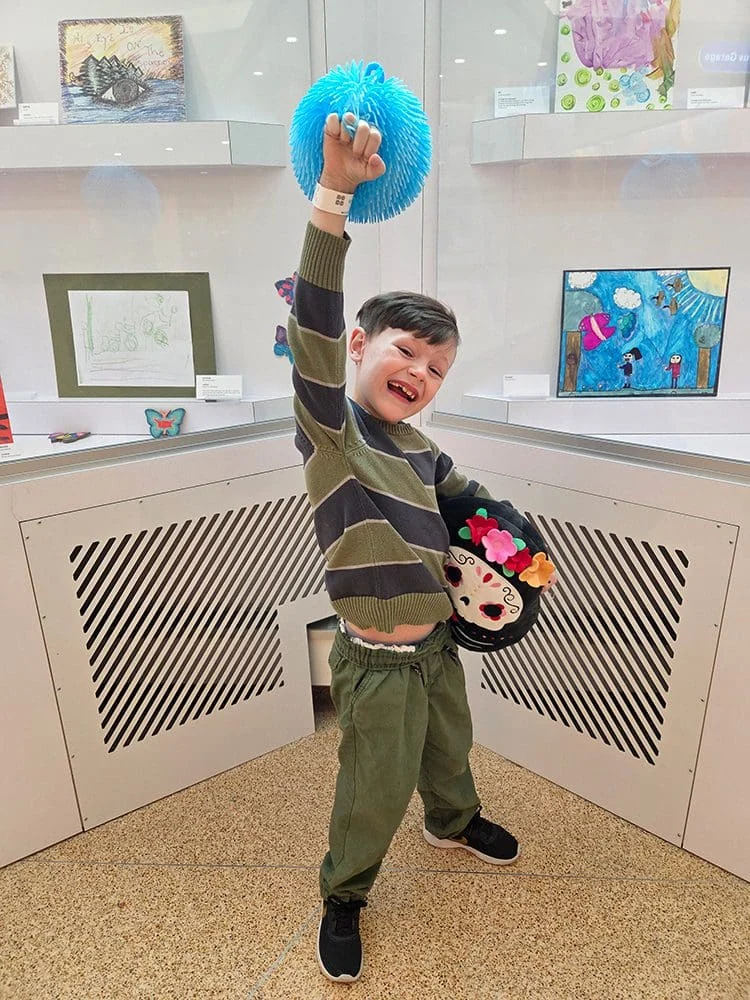
The national nonprofit organization CureSearch for Children’s Cancer has announced a strategic fundraising initiative for Cancer Survivors Month, setting a target of $37,500 to be raised by the conclusion of June to support the advancement of pediatric oncology research. This specific financial milestone is designed to provide six months of comprehensive funding for a Young Investigator, a designation given to early-career scientists focusing on high-risk, high-reward research into childhood cancers that currently lack effective or non-toxic treatment options. The campaign underscores a growing shift in pediatric medicine from focusing solely on survival rates to prioritizing "thriving"—a metric that accounts for the long-term quality of life and the reduction of debilitating side effects caused by traditional cytotoxic therapies.
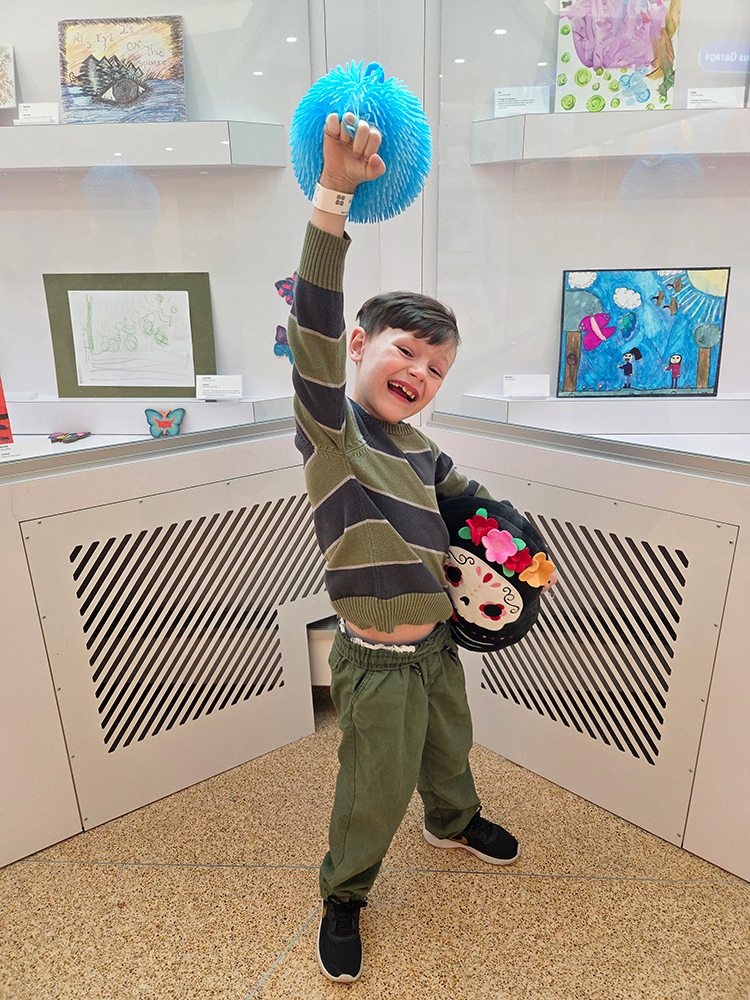
The urgency of this mission is illustrated by the clinical journey of Elias, a pediatric patient whose successful transition into a survivorship program this year serves as a primary case study for the efficacy of modern clinical trials. Elias was diagnosed at the age of three with Acute Megakaryoblastic Leukemia (AMKL), a rare and particularly aggressive subtype of Acute Myeloid Leukemia (AML) that primarily affects young children. His case highlights both the sudden, traumatic onset of pediatric malignancy and the critical role that innovative research plays in altering the trajectory of life-threatening diagnoses.
Clinical Chronology: From Diagnosis to Survivorship
The medical history of Elias began with the presentation of idiopathic bruising, a common but alarming clinical sign of hematologic distress. According to his mother, Brittany, the bruising appeared across his body following minimal physical contact, prompting an immediate pediatric consultation. Subsequent blood work revealed abnormalities that necessitated urgent referral to a specialized children’s hospital. Within twenty-four hours of the initial screening, diagnostic testing confirmed a diagnosis of AMKL.
AMKL is characterized by the malignant proliferation of megakaryoblasts, the precursor cells to platelets. In the pediatric population, this form of leukemia often requires intensive intervention. For Elias, the standard of care was supplemented by an opportunity to enroll in a clinical trial investigating a novel AML treatment protocol. This experimental approach was specifically designed to mitigate long-term cardiotoxicity and other late-stage side effects that frequently plague survivors of traditional pediatric chemotherapy.
The ensuing treatment phase involved an eight-month inpatient hospitalization. This period was marked by the administration of intensive chemotherapy, which resulted in profound myelosuppression—the temporary cessation of the bone marrow’s ability to produce immune cells. The resulting vulnerability necessitated strict isolation, a situation exacerbated by the implementation of global COVID-19 protocols that restricted hospital visitors and limited the patient’s interaction with the outside world. During this period, Elias suffered from severe mucositis, a painful inflammation and ulceration of the mucous membranes lining the digestive tract, requiring the administration of morphine for pain management.
Despite the physical and psychological rigors of his treatment, Elias became a fixture of the hospital’s social environment. Known colloquially as "The Mayor of 9B," he navigated the oncology ward with his intravenous pole, encouraging other pediatric patients to engage in social play within the sunroom and interacting with the facility’s maintenance and medical staff. His journey concluded symbolically when he was permitted to ride the hospital’s industrial floor scrubber, or "zamboni," out of the facility upon his discharge. On April 21, 2025, Elias officially transitioned into a formal survivorship program, with clinical evaluations indicating that his cardiac function remains optimal—a significant victory given the known risks of his specific leukemia subtype and the intensity of the treatment required.
The Landscape of Pediatric Oncology Research
The $37,500 goal set by CureSearch reflects a broader effort to address the chronic underfunding of pediatric-specific cancer research. While oncology has seen massive strides in adult treatments over the last two decades, pediatric research often lags due to the smaller market size for pharmaceutical companies and the biological complexity of childhood tumors, which differ significantly from adult cancers in their genetic drivers and response to therapy.
Data from the National Cancer Institute (NCI) indicates that while cancer remains the leading cause of death by disease for children in the United States, only approximately 4% of the total federal budget for cancer research is dedicated specifically to pediatric cases. This funding gap is where organizations like CureSearch and their "Young Investigator" programs become vital. By funding early-career scientists, the organization aims to seed the field with innovative perspectives that can lead to breakthroughs in targeted therapies.
Young Investigators are often at the forefront of developing "bold, innovative research," such as immunotherapy and precision medicine, which seek to kill cancer cells while sparing healthy tissue. The clinical trial Elias participated in is a direct result of such research pipelines. Without private funding to bridge the gap between initial laboratory discovery and large-scale clinical trials, many promising pediatric treatments would never reach the bedside.
Analysis of Implications: Survival vs. Thriving
The transition of Elias into a survivorship program at age eight, coinciding with his June birthday, highlights the "late effects" of cancer treatment that the medical community is increasingly focused on. Survival is no longer the sole metric of success; the focus has shifted to the "survivorship trajectory."
Statistically, more than 80% of children diagnosed with cancer in the United States will survive at least five years. However, research published in the Journal of Clinical Oncology suggests that by the age of 50, more than 99% of childhood cancer survivors will have chronic health problems related to their previous treatments. These include:
- Cardiovascular Disease: Many chemotherapy agents, particularly anthracyclines, are known to weaken the heart muscle over time.
- Secondary Malignancies: The very radiation and chemotherapy used to treat the initial cancer can increase the risk of developing a different type of cancer later in life.
- Endocrine Issues: Treatments can affect growth hormones, fertility, and thyroid function.
- Neurocognitive Deficits: Especially in cases involving brain tumors or intensive systemic chemotherapy, survivors may face challenges with memory, processing speed, and executive function.
The clinical trial Elias entered was specifically designed to address these "late effects." By funding research that prioritizes lower toxicity, organizations like CureSearch are attempting to ensure that survivors do not just live, but maintain a high quality of life. Elias’s aspiration to become an engineer or a nurse is a testament to the cognitive and physical health preserved through more refined treatment protocols.
Official Responses and Community Impact
Representatives from the pediatric oncology community emphasize that stories like that of Elias are only possible through sustained public and private investment. "Every child diagnosed with cancer deserves not just to survive, but to thrive," a spokesperson for the initiative stated. "By funding more bold, innovative research like that of our Young Investigators, we can turn that vision into reality."
The "Mayor of 9B" narrative also sheds light on the importance of psychosocial support within pediatric wards. The ability of a child to maintain a sense of play and social agency during eight months of isolation is increasingly recognized by medical professionals as a component of "whole-patient care." This approach integrates the psychological well-being of the child and the family into the clinical treatment plan, recognizing that the trauma of long-term hospitalization requires a resilient support structure.
The community response to the June campaign has focused on the tangible impact of the $37,500 goal. In the context of medical research, this amount covers the salary, laboratory supplies, and data analysis costs for a researcher for half a year—a period in which critical "proof of concept" data can be generated to secure larger federal grants.
Future Outlook and Broader Impact
As the June deadline approaches, the focus remains on the scalability of these research successes. While Elias represents a success story for AMKL, other pediatric cancers, such as diffuse intrinsic pontine glioma (DIPG) or certain high-risk neuroblastomas, still have survival rates that have not significantly improved in decades.
The success of the CureSearch mission depends on the continued engagement of donors and the scientific community. The broader implications of this research often extend beyond pediatrics; many discoveries made in the treatment of rare childhood cancers have provided insights into the genetic mechanisms of more common adult cancers.
For Elias and his family, the significance of June 11th—his eighth birthday—and his official entry into the survivorship program represents the closing of one chapter and the beginning of another. His case serves as a benchmark for what is possible when clinical innovation is adequately funded and when the medical community prioritizes the long-term health of its youngest patients. The goal of the current fundraising drive is to replicate this outcome for the thousands of children diagnosed annually, ensuring that the "Mayor of 9B" is not an exception, but the standard for pediatric cancer outcomes.
