
 By admin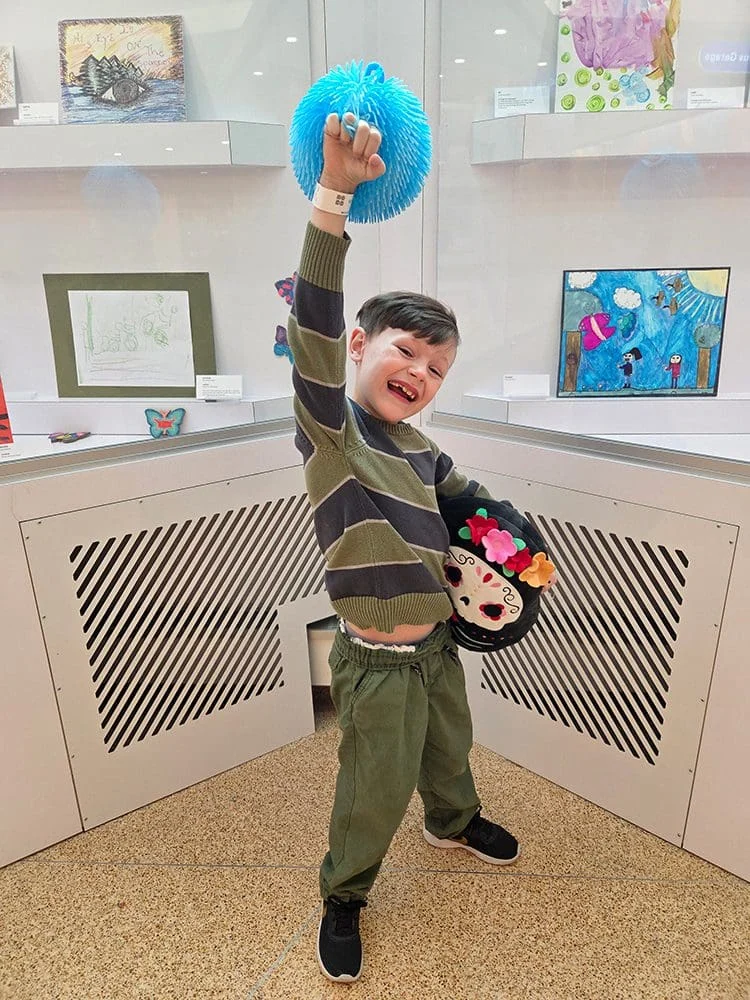
CureSearch for Children’s Cancer has officially inaugurated its Cancer Survivors Month initiative, setting an ambitious fundraising target of $37,500 by the conclusion of June. This specific financial milestone is designed to provide six months of comprehensive support for a Young Investigator, a designation given to early-career scientists dedicated to pioneering innovative treatments for pediatric malignancies. The campaign emphasizes a dual mandate: celebrating the milestones of current survivors while addressing the urgent need for research that minimizes the long-term physiological toll of traditional oncology protocols. As pediatric cancer remains the leading cause of death by disease among children in the United States, the organization asserts that funding "bold, innovative research" is the primary mechanism for transitioning from mere survival to long-term health and wellness.
The Clinical Profile of Acute Megakaryoblastic Leukemia
The necessity of this research is underscored by the complex medical journey of Elias, a pediatric patient whose case highlights the aggressive nature of rare childhood leukemias. At the age of three, Elias presented with systemic ecchymosis—extensive bruising resulting from minimal physical contact. Following an urgent referral from his pediatrician to a specialized children’s hospital, he was diagnosed with Acute Megakaryoblastic Leukemia (AMKL).
AMKL is a rare subtype of Acute Myeloid Leukemia (AML), characterized by the malignant proliferation of megakaryoblasts, the precursor cells to platelets. While AML accounts for approximately 20% of childhood leukemias, the AMKL subtype is significantly less common, representing only about 1% of pediatric leukemia cases. Historically, AMKL has been associated with a challenging prognosis, particularly in children without Down Syndrome, requiring intensive therapeutic intervention. The standard of care often involves high-dose chemotherapy and, in many instances, hematopoietic stem cell transplantation. However, these traditional methods carry a high risk of "late effects," including cardiotoxicity, secondary malignancies, and cognitive impairments.
Chronology of Treatment and the Role of Clinical Trials
Upon diagnosis, Elias was enrolled in a clinical trial investigating a novel AML treatment protocol. This decision was pivotal; the trial aimed to achieve remission using targeted approaches that offered a lower toxicity profile compared to conventional regimens. For Elias’s family, the trial represented a critical opportunity to bypass some of the most debilitating long-term side effects associated with standard pediatric oncology.
The subsequent eight months of treatment were characterized by extreme clinical volatility. The chemotherapy required to eradicate the leukemic cells also induced profound myelosuppression, rendering Elias’s immune system virtually non-functional. This necessitated a prolonged inpatient stay to manage the risk of opportunistic infections. During this period, Elias developed severe mucositis—a common but agonizing complication of chemotherapy where the digestive tract’s mucosal lining breaks down, leading to ulceration. The severity of the pain necessitated the administration of morphine to facilitate sleep and basic comfort.
The psychological and social challenges of this period were exacerbated by the global COVID-19 pandemic. Strict hospital protocols prohibited visitors, isolating Elias and his mother, Brittany, from their broader support network. Despite these constraints, hospital records and staff accounts describe Elias as a stabilizing force within the pediatric oncology unit. He became known colloquially as the “Mayor of 9B,” a nickname earned through his efforts to encourage other patients to leave their rooms for social interaction in the sunroom. His integration into the hospital community extended to assisting maintenance staff and participating in daily routines, such as observing the hospital’s floor-cleaning machinery, which became a symbol of his eventual discharge.
The Transition to Survivorship and Long-Term Monitoring
Elias’s transition from active treatment to the survivorship phase marks a significant clinical milestone. Having celebrated his eighth birthday on June 11, he officially entered a formal survivorship program in April 2025. This phase of care is critical in pediatric oncology, as it shifts the focus from acute disease management to the longitudinal monitoring of health outcomes.
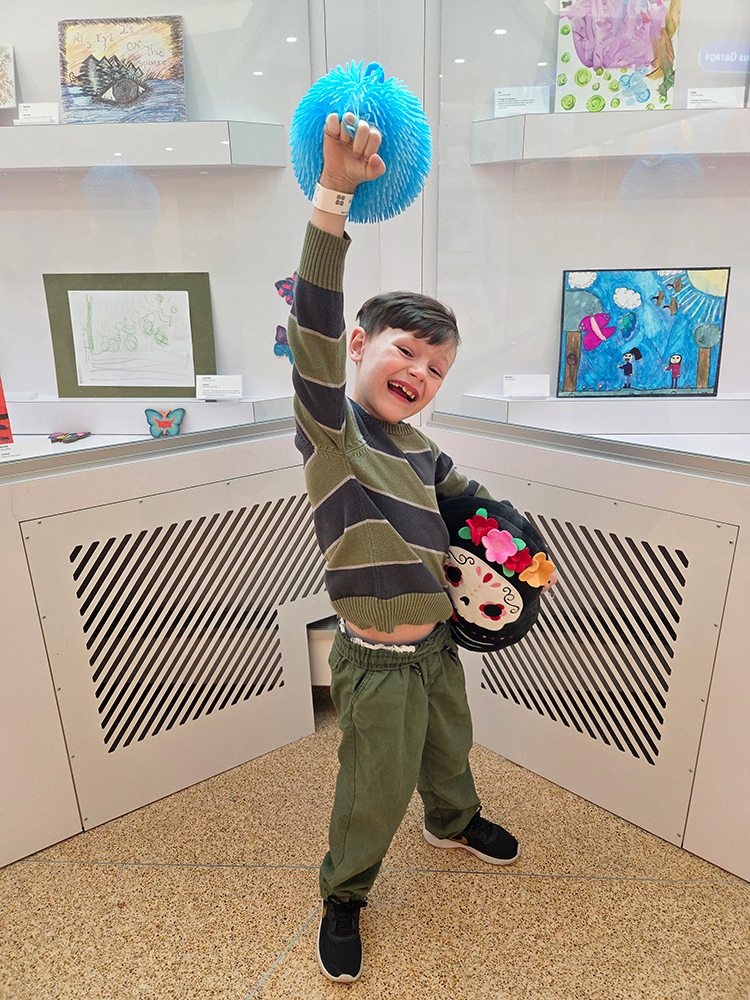
A primary concern in Elias’s follow-up care has been cardiac function, a common area of vulnerability for survivors of childhood leukemia due to the use of anthracyclines and other cardiotoxic agents. To date, clinical assessments indicate that his heart remains in optimal condition. Elias’s current status—active, creative, and expressing interests in engineering and nursing—serves as a benchmark for the success of modern clinical trials. However, medical experts note that survivorship is a lifelong journey. According to the National Cancer Institute (NCI), more than 60% of childhood cancer survivors will experience at least one chronic health condition related to their treatment, and approximately 25% will face a severe or life-threatening complication by the time they reach middle age.
Data and Economic Context of Pediatric Cancer Research
The $37,500 goal set by CureSearch is part of a broader effort to fill a persistent funding gap in the oncology sector. While the survival rate for childhood cancers has increased from roughly 10% in the 1950s to over 85% today, the funding for pediatric-specific research remains disproportionately low compared to adult cancers.
- Federal Funding Disparity: In the United States, only a small fraction of the National Cancer Institute’s (NCI) budget is traditionally allocated to pediatric cancer research. This necessitates significant private and non-profit intervention to drive the development of new drugs.
- The "Young Investigator" Pipeline: The Young Investigator program targets scientists at a critical juncture in their careers. By providing seed funding, organizations like CureSearch allow these researchers to gather the preliminary data necessary to apply for larger federal grants. Without this initial support, many innovative ideas in pediatric oncology may never reach the clinical trial stage.
- The Cost of Innovation: Developing a new oncology drug can cost upwards of $2.6 billion. For rare pediatric diseases like AMKL, the market incentives for pharmaceutical companies are often insufficient, placing the burden of early-stage discovery on donor-funded academic research.
Implications for the Future of Pediatric Oncology
The narrative of Elias’s recovery is increasingly being used by advocacy groups to argue for a paradigm shift in how pediatric cancer is treated. The goal is no longer just "cure at any cost," but "cure with minimal toxicity." This shift is driving research into immunotherapy, such as CAR-T cell therapy, and precision medicine, which targets the specific genetic mutations driving a child’s tumor.
The CureSearch campaign highlights that every child deserves the opportunity to "thrive," not just "survive." This distinction is vital; thriving implies a life free from the chronic pain, developmental delays, and organ dysfunction that have historically plagued survivors. By focusing on Young Investigators, the organization is betting on a new generation of scientists who are trained in these advanced biotechnological approaches.
Official Responses and Strategic Impact
While CureSearch has not released a formal statement from its board regarding this specific June campaign, the organization’s historical mission emphasizes that "children are not small adults." This philosophy dictates that treatments must be specifically engineered for developing bodies. Spokespersons for pediatric oncology centers nationwide have frequently echoed this sentiment, noting that the biological drivers of childhood cancer are fundamentally different from those of adult cancers, which are often the result of environmental exposure and aging.
The success of the $37,500 campaign will have immediate implications for the research pipeline. If met, the funding will ensure that a high-potential research project continues without interruption through the end of the calendar year. This continuity is essential in laboratory settings, where gaps in funding can lead to the loss of specialized staff and the expiration of time-sensitive biological samples.
Conclusion: A Call for Sustained Investment
As Cancer Survivors Month continues, the story of Elias serves as both a success story and a reminder of the work remaining. His journey from the "bruises of diagnosis" to the "zamboni ride of discharge" illustrates the resilience of the pediatric population. However, the reliance on a clinical trial for his favorable outcome underscores the fact that for many children, standard treatments are still not enough—or are too damaging.
The initiative by CureSearch aims to democratize access to the kind of "bold, innovative research" that saved Elias. By securing the funding for Young Investigators, the organization seeks to ensure that the next breakthrough in AMKL or other rare pediatric cancers is not delayed by financial constraints. For Elias, who now dreams of building structures as an engineer or healing others as a nurse, the investment in research has already paid the highest possible dividend: a future. For the thousands of children currently in "9B" wards across the country, the outcome of this June campaign remains a critical factor in their own prospects for survivorship.
