
 By Budi Oetomo Narendra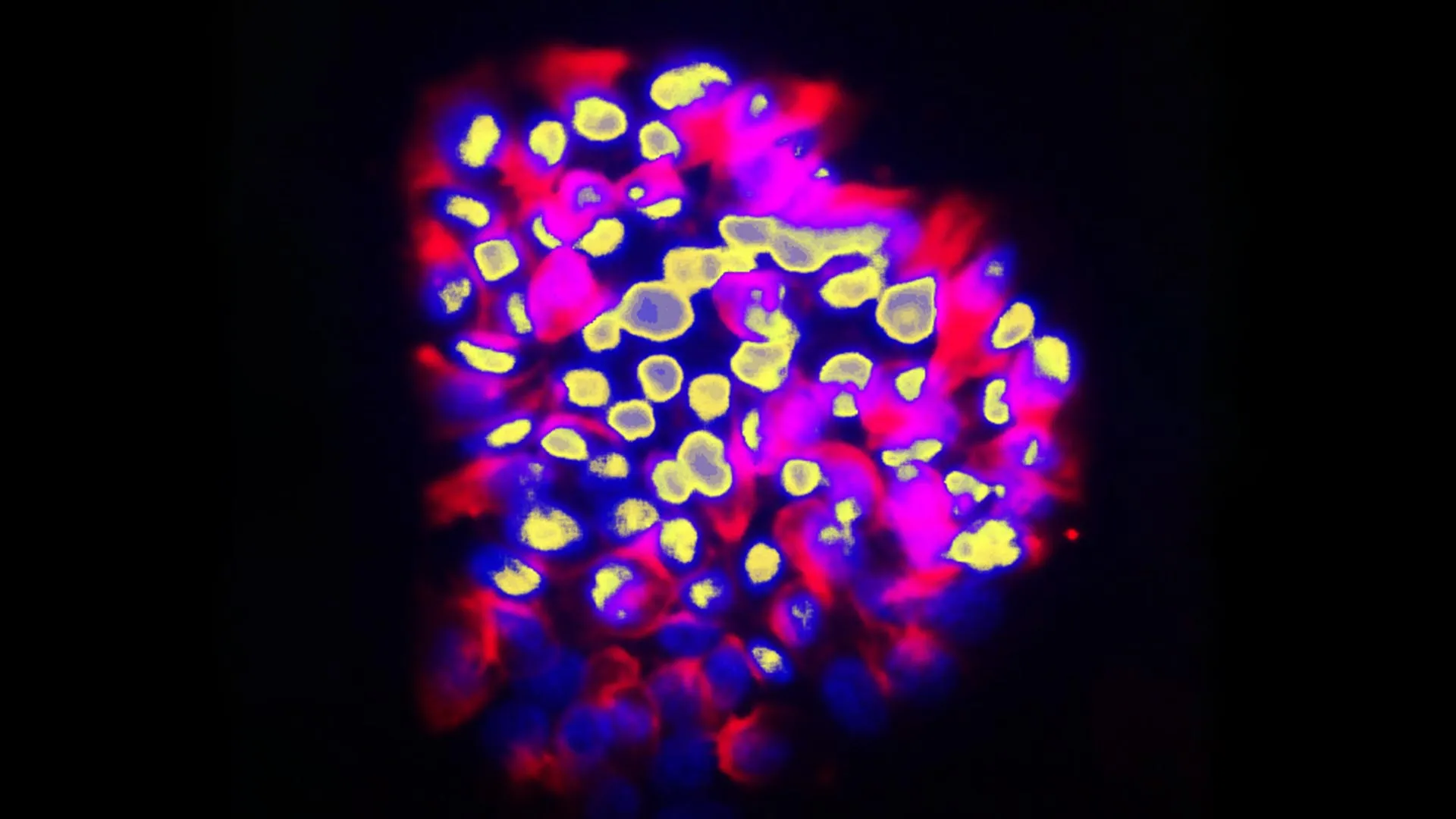
The quest to understand why some tumors aggressively spread throughout the body while others remain contained has long been a central, yet elusive, challenge in oncology. Answering this fundamental question is paramount for advancing patient care and improving survival rates. Now, a significant stride has been made by researchers at the University of Geneva (UNIGE), who have not only identified key cellular and genetic factors influencing a colon cancer cell’s ability to metastasize but have also developed an innovative artificial intelligence (AI) tool, MangroveGS, capable of translating these complex genetic signals into highly reliable predictions across various cancer types. This groundbreaking study, recently published in the esteemed journal Cell Reports, heralds a new era of personalized cancer treatment and promises to accelerate the discovery of novel therapeutic targets.
Unraveling Metastasis: A Persistent Challenge in Oncology
Metastasis, the process by which cancer cells detach from a primary tumor and migrate to form secondary tumors in distant organs, is the leading cause of cancer-related deaths globally. It is estimated that metastasis accounts for approximately 90% of all cancer fatalities, particularly in prevalent forms such as colon, breast, and lung cancers. Despite decades of intensive research, the precise mechanisms governing a cancer cell’s propensity to metastasize have remained largely enigmatic. Scientists have identified numerous genetic mutations associated with tumor initiation and growth, but no single genetic alteration has definitively explained why some cells break away and establish new colonies while others remain localized. This lack of predictive power means that many patients receive broad-spectrum treatments, sometimes leading to overtreatment for low-risk individuals or insufficient intervention for those at high risk of metastatic progression.
Current diagnostic approaches for metastasis often rely on imaging techniques, biopsies, and the detection of circulating tumor cells (CTCs) or cell-free DNA (cfDNA) in liquid biopsies. While valuable, these methods frequently detect metastasis after it has already occurred or become clinically significant, limiting the window for early, targeted intervention. The challenge has always been to identify metastatic potential before the disease spreads, enabling proactive and tailored therapeutic strategies. The UNIGE team’s work directly addresses this critical unmet need, offering a potential paradigm shift in how metastatic risk is assessed and managed.
Reframing Cancer: Beyond "Anarchic Cells"
Ariel Ruiz i Altaba, a distinguished professor in the Department of Genetic Medicine and Development at the UNIGE Faculty of Medicine and the lead author of the study, offers a profound perspective on the nature of cancer. "The origin of cancer is often attributed to ‘anarchic cells’," he explains, challenging a long-held simplification. Instead, Professor Ruiz i Altaba posits that "cancer should rather be understood as a distorted form of development." This conceptual shift is crucial, moving away from viewing cancer cells as purely chaotic entities and towards recognizing them as cells that have reactivated dormant biological programs normally active during embryonic development. These genetic and epigenetic changes, rather than being entirely random, hijack established developmental pathways, driving tumor formation and, crucially, metastatic spread.
This perspective implies that cancer adheres to a distorted but discernible logic. "The challenge is therefore to find the keys to understanding its logic and form," Professor Ruiz i Altaba elaborates. "And, in the case of metastases, to identify the characteristics of the cells that will separate from the tumor to create another one elsewhere in the body." This developmental biology lens provides a powerful framework for deciphering the complex molecular cues that enable cancer cells to acquire migratory and invasive properties.
The Methodical Pursuit: Tracking Metastatic Cancer Cells
The inherent difficulty in studying metastasis lies in the contradictory requirements of molecular analysis and functional observation. As Professor Ruiz i Altaba notes, "The difficulty lies in being able to determine the complete molecular identity of a cell – an analysis that destroys it – while observing its function, which requires it to remain alive." To circumvent this Catch-22, the UNIGE researchers devised an ingenious experimental strategy.
Their approach involved meticulously isolating individual tumor cells from primary colon cancers. These isolated cells were then subjected to cloning, a process that generated genetically identical populations of cells, ensuring uniformity for subsequent analyses. These clonal cell lines were then rigorously evaluated in both in vitro (laboratory dish) experiments and in vivo (mouse model) settings. The in vitro assays allowed for controlled observation of cellular migration capabilities, while the mouse models provided a real biological environment to assess the cells’ ability to navigate through physiological barriers and establish secondary tumors. Arwen Conod, a key researcher in the team, highlighted the importance of this dual approach: "These clones were then evaluated in vitro and in a mouse model to observe their ability to migrate through a real biological filter and generate metastases." This comprehensive experimental pipeline was critical for linking specific molecular profiles to actual metastatic behavior. The rigorous validation across multiple experimental platforms strengthens the reliability and generalizability of their findings.
Decoding the Genetic Blueprint of Spread
The core of the UNIGE discovery lies in the detailed molecular analysis performed on these meticulously cultured cell clones. The team analyzed the activity, or expression, of hundreds of genes within approximately thirty distinct cell clones derived from two primary colon tumors. This extensive genomic profiling revealed distinct and reproducible gene expression patterns that strongly correlated with each cell’s observed capacity for movement and metastatic dissemination.
A critical insight emerged from this analysis: metastatic potential was not dictated by the profile of a single, isolated cell. Instead, it was found to be an emergent property, influenced by how groups of related cancer cells interact with each other and their microenvironment. This emphasizes the complex, collective nature of metastasis, moving beyond a simplistic view of individual "super-spreader" cells. The identified gene signatures, therefore, represent a collective molecular fingerprint of metastatic behavior, reflecting the intricate interplay of multiple genes and cellular pathways. These signatures provide an unprecedented level of detail into the molecular machinery driving cancer spread.
MangroveGS: An AI-Powered Leap in Prediction
Building upon these profound biological insights, the research team harnessed the power of artificial intelligence to develop a predictive tool named "Mangrove Gene Signatures (MangroveGS)." This AI system was designed to interpret the complex genetic signals uncovered during their extensive cellular analysis and translate them into actionable predictions of metastasis risk.
Aravind Srinivasan, instrumental in the development of the AI tool, underscored its novelty: "The great novelty of our tool, called ‘Mangrove Gene Signatures (MangroveGS)’, is that it exploits dozens, even hundreds, of gene signatures. This makes it particularly resistant to individual variations." Unlike previous methods that might rely on a limited number of biomarkers, MangroveGS’s ability to integrate a vast array of gene signatures makes it robust and highly adaptable. This comprehensive approach allows the AI to capture the subtle, multi-faceted molecular changes associated with metastasis, offering a more nuanced and accurate assessment of risk.
After rigorous training using their extensive dataset, MangroveGS demonstrated remarkable predictive capabilities. The model achieved nearly 80% accuracy in predicting both metastasis and recurrence in colon cancer, significantly outperforming existing prognostic methods. This high level of accuracy represents a substantial leap forward in cancer diagnostics. Furthermore, the researchers made another astonishing discovery: the gene signatures originally derived from colon cancer proved equally effective in predicting metastatic risk in other major cancer types, including stomach, lung, and breast cancer. This cross-cancer applicability suggests that the underlying biological programs driving metastasis may share common molecular pathways, regardless of the primary tumor site, making MangroveGS a potentially universal tool for assessing metastatic risk.
The Promise of Precision Oncology
The implications of MangroveGS for personalized cancer care are profound and far-reaching. The tool is designed for practical clinical integration, capable of processing tumor samples collected directly from hospitals. Once a biopsy sample is obtained, cells can be analyzed, their RNA sequenced, and a metastasis risk score rapidly generated. This score can then be securely shared with oncologists and patients through an encrypted digital platform, ensuring both speed and confidentiality.
Professor Ruiz i Altaba highlights the immediate benefits: "This information will prevent the overtreatment of low-risk patients, thereby limiting side effects and unnecessary costs, while intensifying the monitoring and treatment of those at high risk." Currently, a significant proportion of cancer patients receive aggressive treatments, such as chemotherapy or extensive surgery, based on broad risk assessments that may not accurately reflect their individual metastatic potential. Overtreatment not only leads to debilitating side effects, diminishing quality of life, but also imposes substantial financial burdens on healthcare systems. According to the National Cancer Institute, cancer care costs in the United States alone are projected to reach over $240 billion by 2030. By accurately identifying low-risk patients, MangroveGS could save billions in unnecessary treatments, while directing resources more effectively to those who genuinely need intensive care. For high-risk patients, earlier and more aggressive intervention based on precise risk assessment could drastically improve outcomes and survival rates.
Optimizing Clinical Trials and Drug Discovery
Beyond immediate patient care, MangroveGS offers transformative potential for cancer research and drug development. "It also offers the possibility of optimizing the selection of participants in clinical trials," Professor Ruiz i Altaba points out, "reducing the number of volunteers required, increasing the statistical power of studies, and providing therapeutic benefits to the patients who need it most." Clinical trials are notoriously expensive, time-consuming, and often suffer from heterogeneous patient populations, which can obscure the true efficacy of new treatments. By stratifying patients based on their metastatic risk, MangroveGS can help researchers enroll more homogenous cohorts, thereby enhancing the statistical power of trials and accelerating the identification of effective therapies for specific patient subgroups. This targeted approach can lead to faster drug approvals and bring life-saving treatments to market more efficiently.
Moreover, the detailed gene signatures identified by the UNIGE team do not just predict risk; they also pinpoint the specific molecular pathways active in metastatic cells. These pathways represent potential "Achilles’ heels" for cancer, offering new therapeutic targets for drug development. Pharmaceutical companies could leverage these insights to design novel drugs that specifically inhibit the processes driving metastasis, leading to more effective and less toxic treatments. This could significantly streamline the drug discovery pipeline, which is currently characterized by high failure rates and immense costs.
Broader Impact and Future Horizons
The development of MangroveGS represents a confluence of cutting-edge genomics, sophisticated AI, and deep biological understanding. Its potential impact extends across the entire cancer care continuum, from diagnosis and prognosis to treatment selection and drug development. However, like all revolutionary technologies, its full integration into clinical practice will require further validation through large-scale prospective clinical trials, regulatory approvals, and careful consideration of ethical implications, particularly regarding data privacy and equitable access.
Oncologists and patient advocacy groups are likely to welcome this development with immense enthusiasm. Leading oncologists have long underscored the critical need for more precise prognostic tools to guide treatment decisions. Patient advocacy organizations, dedicated to improving the lives of cancer patients, would view MangroveGS as a significant step towards reducing the burden of overtreatment and ensuring that patients receive the most appropriate and effective care tailored to their unique disease profile.
The UNIGE team’s work also opens new avenues for fundamental research. The discovery that common gene signatures underpin metastasis across different cancer types suggests a deeper, shared molecular logic to cancer spread. Future research could delve further into these conserved pathways, potentially uncovering universal mechanisms that could be targeted to prevent metastasis irrespective of the cancer’s origin.
In conclusion, the UNIGE research, culminating in the MangroveGS AI tool, marks a pivotal moment in the fight against cancer. By providing an unprecedented ability to predict metastatic risk with high accuracy, it offers a powerful new weapon in the arsenal of personalized medicine. This breakthrough promises to transform patient care, optimize resource allocation, accelerate drug discovery, and ultimately, save countless lives by helping to conquer the most lethal aspect of cancer: its ability to spread. The journey from fundamental research to clinical implementation is long, but the path forged by the Geneva team offers a beacon of hope for a future where cancer metastasis is no longer an insurmountable challenge.
