
 By admin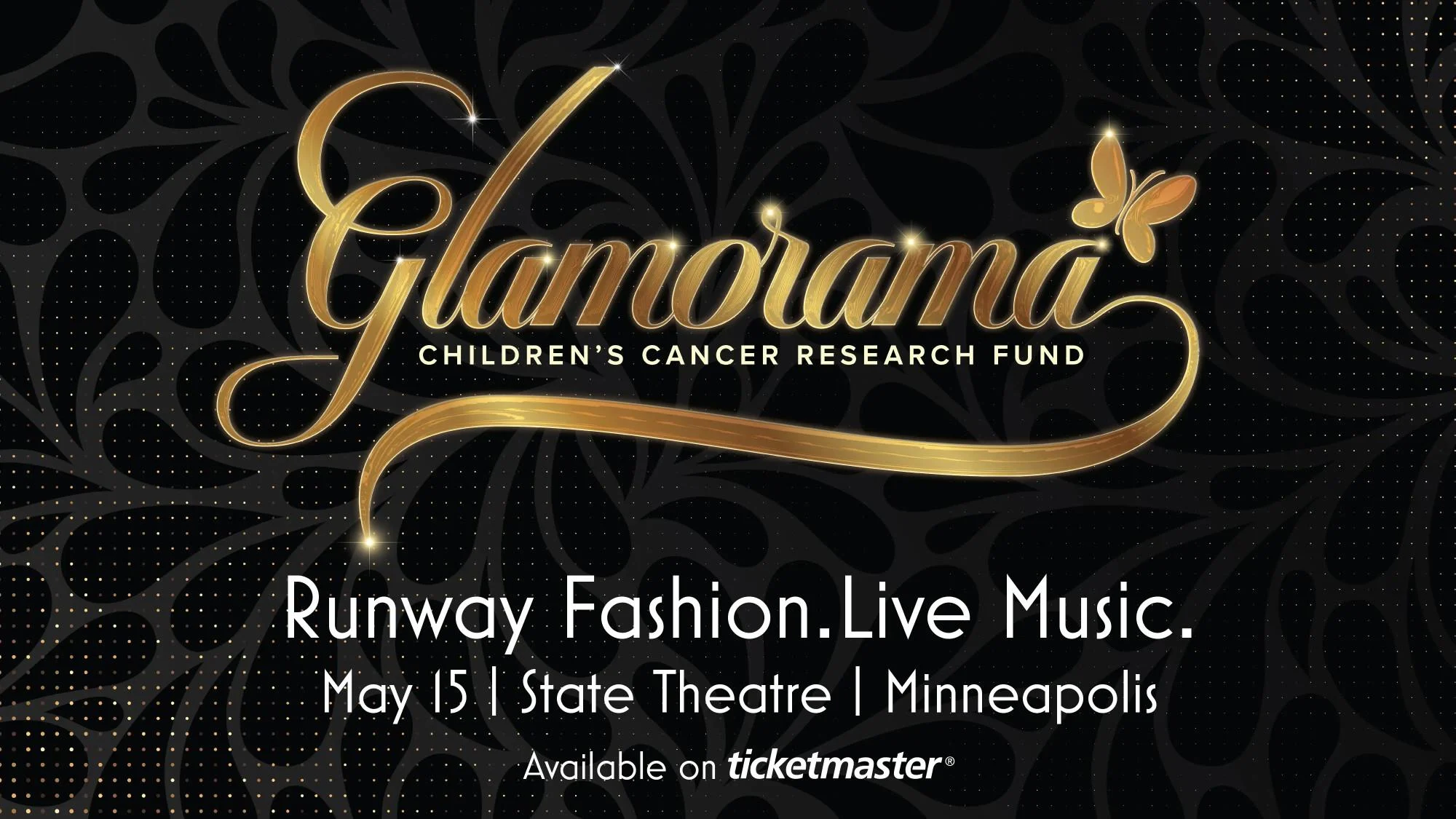
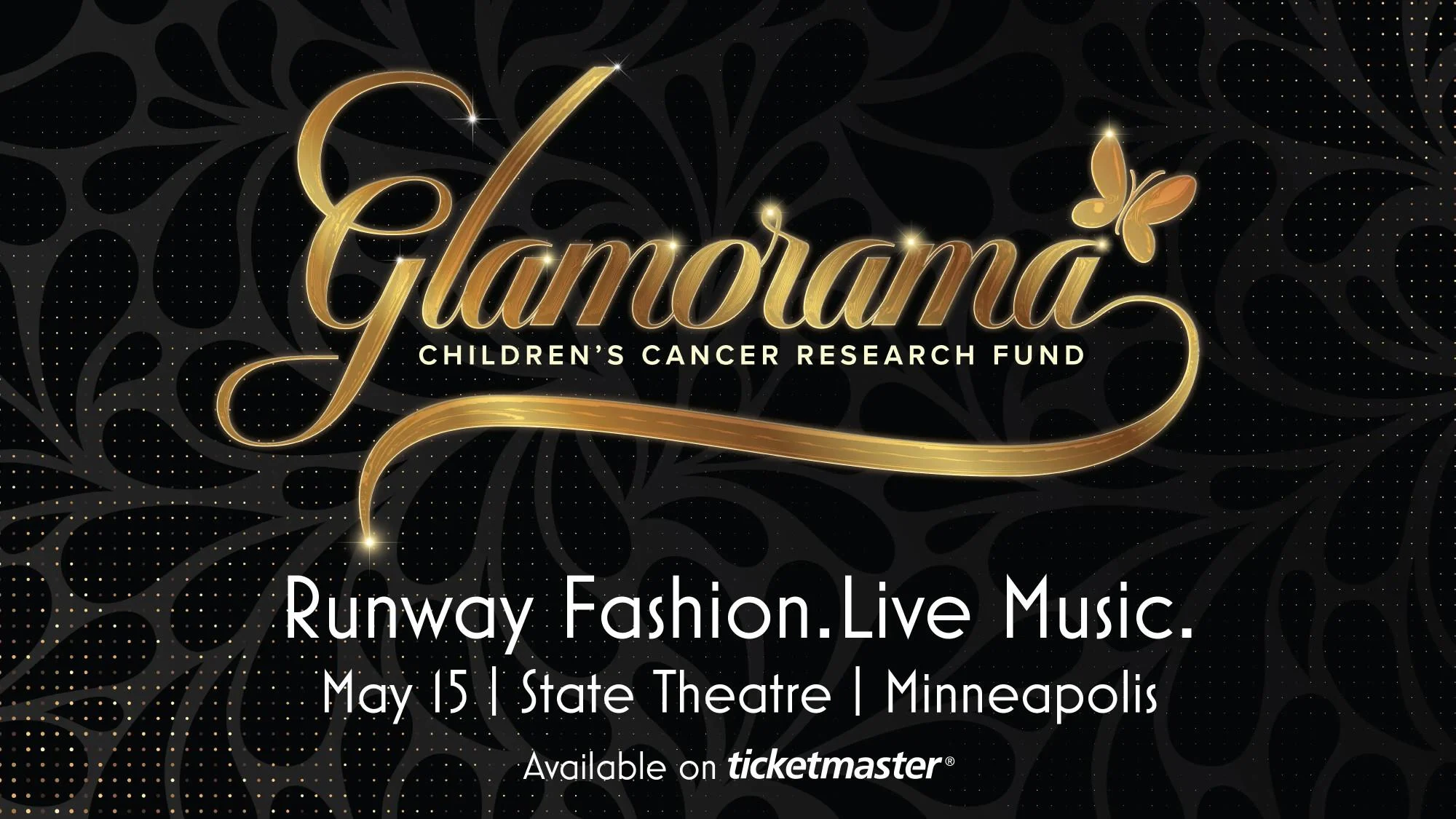
The Twin Cities is set to witness the revival of one of its most storied and culturally significant philanthropic traditions as Glamorama makes its official return in 2026. After a decade-long hiatus that left a void in the intersection of Midwestern fashion and charitable giving, the high-energy spectacular is being reimagined for a new era. This homecoming is not merely a nostalgic nod to the past but a strategic relaunch by the Children’s Cancer Research Fund (CCRF) to accelerate progress against pediatric malignancies through a fusion of high fashion, storytelling, and community mobilization.
The event, which historically defined the Minneapolis social calendar, returns with a renewed sense of urgency. Organizers describe the 2026 iteration as a platform where couture meets courage, designed to channel the creative energy of the Twin Cities into tangible support for lifesaving medical research. As childhood cancer remains the leading cause of death by disease for children in the United States, the return of Glamorama represents a critical influx of visibility and funding for a cause that often faces significant disparities in federal research allocations.
The Evolution and Legacy of a Twin Cities Tradition
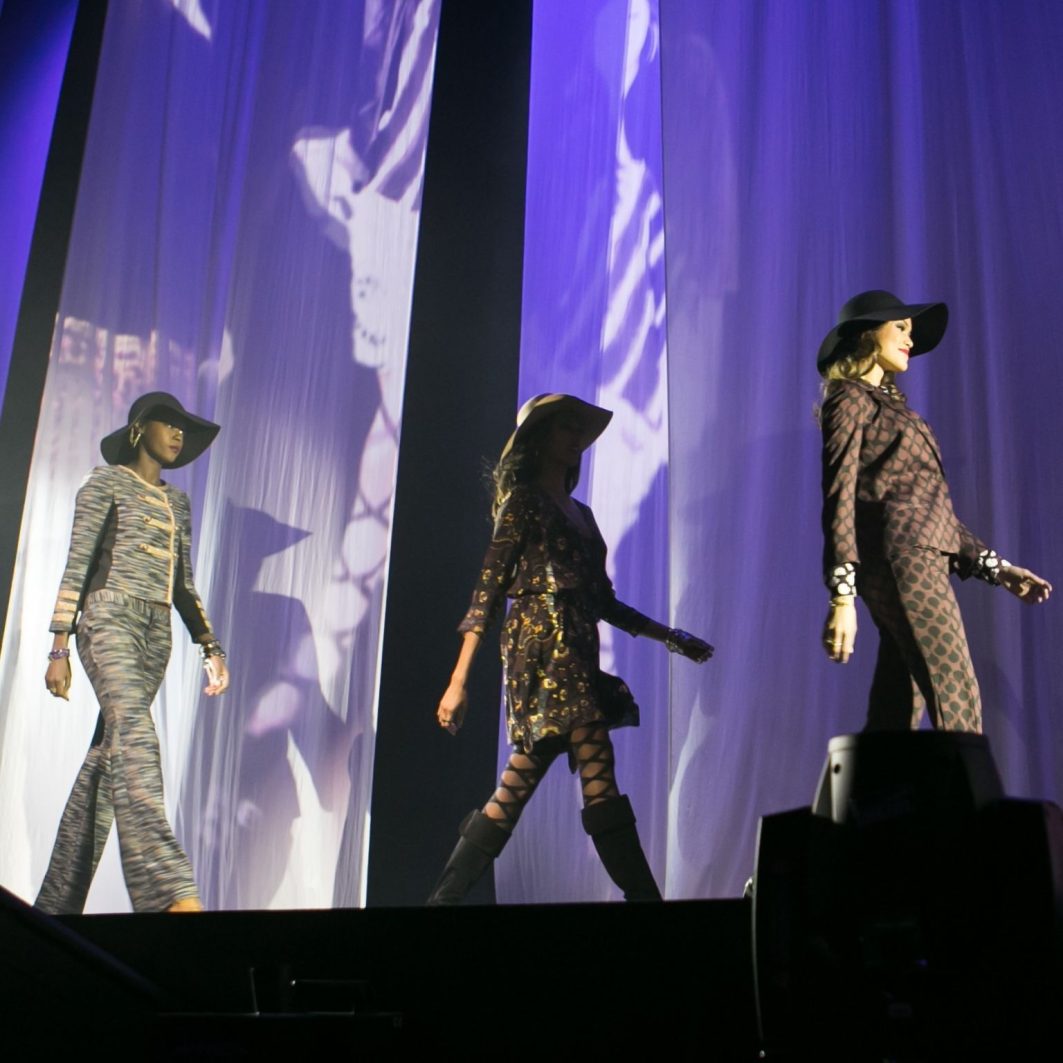
To understand the weight of Glamorama’s return, one must look at its historical footprint. For decades, Glamorama was synonymous with the retail heritage of the Twin Cities, originally serving as a cornerstone event for Dayton’s and later Macy’s. It was a rare venue where the glamour of New York and Paris runways was imported to the Midwest, featuring world-class designers and musical performances. However, following changes in the retail landscape and corporate restructuring, the event went dark ten years ago.
The decision to bring Glamorama back in 2026 follows years of careful planning by the Children’s Cancer Research Fund. The organization recognized that while the fashion landscape had changed, the community’s desire for high-impact, experiential philanthropy had only grown. The reimagined Glamorama moves away from a purely retail-centric model toward a narrative-driven showcase that highlights the resilience of survivors. By integrating the personal journeys of pediatric cancer patients directly into the creative fabric of the show, CCRF aims to create a more profound emotional connection between the audience and the mission.
Strategic Leadership and the Vision for 2026
The revival is being led by a team of seasoned nonprofit executives and creative visionaries. Elizabeth Allen, Chief Executive Officer of the Children’s Cancer Research Fund, emphasized that the 2026 event is rooted in the concepts of hope and imagination. According to Allen, the goal is to transcend the typical boundaries of a fashion show, transforming it into a "catalyst for change" that fuels a brighter future for children facing the harshest of diagnoses.
Supporting this vision is Kenna Dooley, CCRF’s Chief Development Officer, who noted the unique power of the Twin Cities community to drive impact. Dooley highlighted the event’s ability to unite disparate groups—ranging from fashion enthusiasts and designers to philanthropists and medical professionals—under a single banner of compassion. The organization anticipates that the "magic" created on stage will translate into significant financial support for researchers working on the front lines of oncology.
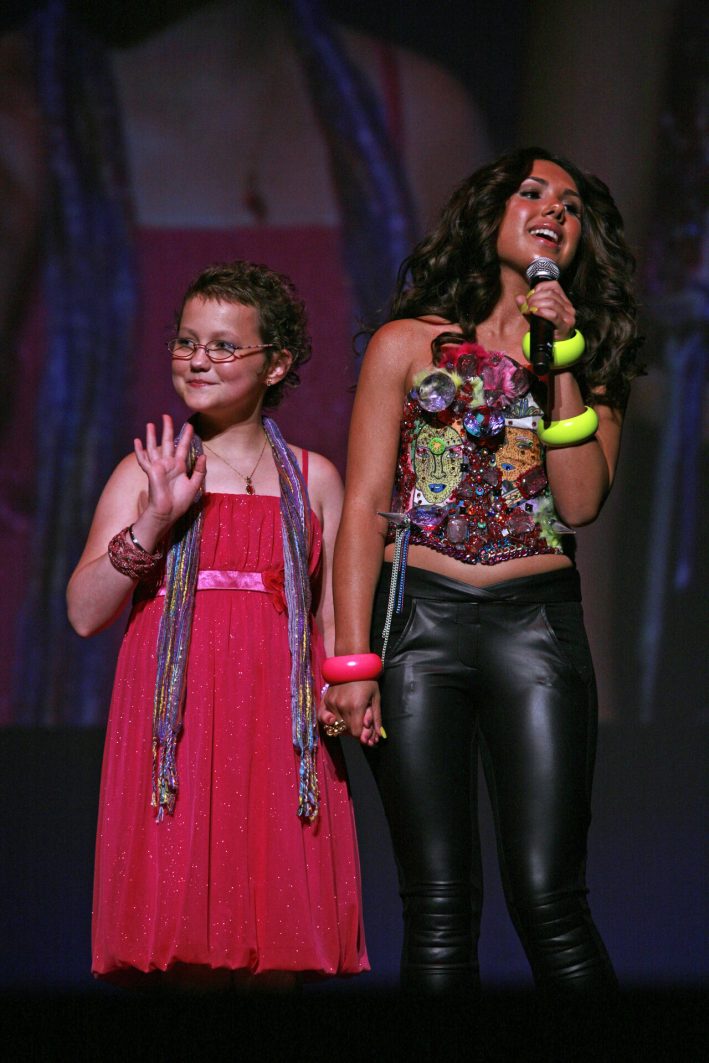
Central to the show’s aesthetic and emotional resonance is the return of Grant Whittaker as Creative Director. A longtime visionary in the style industry, Whittaker is tasked with blending "unapologetic glamour" with authentic storytelling. His approach for 2026 involves a deep collaboration with five childhood cancer survivors, who will serve as Glamorama Ambassadors. These ambassadors are not merely participants; they are the muses for the runway moments, ensuring that the spectacle remains tethered to the human lives it seeks to save.
The Ambassador Program: Fashion as a Narrative of Resilience
The 2026 Glamorama is structured around the unique visions of five young survivors, each representing a different facet of the struggle and the joy found in the aftermath of a cancer diagnosis. Whittaker has worked closely with these individuals to translate their personal inspirations into high-fashion concepts:
- Anikah: Her segment is characterized by a devotion to pink, floral motifs, and the vibrant aesthetics of Spanish culture, symbolizing a radiant sense of happiness and rebirth.
- Frederick: Representing the forward-looking spirit of the event, Frederick’s vision involves neon-futuristic themes and the concept of travel, suggesting a life that moves beyond the confines of a hospital room.
- Valerie: Her runway aesthetic focuses on the organic beauty of sand dunes and golden chocolate hues, evoking a sense of groundedness and natural strength.
- Alice: Fusing the delicate with the durable, Alice’s concept utilizes dragon-scale textures alongside pearls and lace, a metaphor for the "dragon-scale strength" required to survive pediatric treatment.
- Isaac: Bringing an edge of urban energy to the stage, Isaac’s vision incorporates sculpture, the imagery of the Red Sea, and contemporary streetwear, reflecting an indomitable spirit.
By centering the show on these ambassadors, Glamorama 2026 seeks to humanize the statistics of childhood cancer. It provides a platform for these children to reclaim their narratives, moving from the role of "patient" to that of "creative force."
The Critical Need for Pediatric Cancer Research Funding
The backdrop to the glamour of the runway is a sobering reality regarding medical funding. While cancer research as a whole has seen significant breakthroughs in recent decades, pediatric oncology often lags behind adult oncology in terms of both federal funding and pharmaceutical investment.
Data from the National Cancer Institute (NCI) indicates that only about 4% of the federal budget for cancer research is dedicated to childhood cancers. This "4% gap" means that many rare pediatric cancers receive little to no federal support, leaving private organizations like the Children’s Cancer Research Fund to fill the void. Furthermore, because the market for pediatric drugs is smaller than that for adult cancers, there is less incentive for private industry to develop new treatments specifically for children.
The funds raised by Glamorama 2026 are earmarked for several critical areas:
- Innovative Seed Grants: Funding early-stage, high-risk research that could lead to major breakthroughs in treatment.
- Clinical Trials: Supporting the infrastructure necessary to move laboratory discoveries into the clinic, where they can reach patients.
- Survivorship Programs: Addressing the long-term side effects of cancer treatments, which can affect survivors for decades after they are declared cancer-free.
- Health Disparities: Ensuring that children from all backgrounds have equal access to the latest advancements in oncology.
Corporate Sponsorship and Community Impact
The return of Glamorama is supported by a coalition of corporate partners who recognize the event’s dual value as a marketing platform and a philanthropic vehicle. Key sponsors for the 2026 event include Landscape Structures, MartinPatrick3, and Opitz. These partnerships are vital for covering the production costs of such a large-scale event, ensuring that a higher percentage of ticket sales and donations go directly toward research.
Landscape Structures, a leader in playground equipment, aligns with the event’s focus on childhood and resilience. MartinPatrick3, a staple of the Minneapolis North Loop fashion scene, brings local industry credibility, while Opitz continues its long-standing tradition of supporting regional charitable initiatives.
The economic impact of Glamorama also extends to the local Twin Cities economy. As a "destination event," it draws attendees from across the region, benefiting the local hospitality, dining, and retail sectors. However, the true measure of the event’s success will be the "impact that follows," as Kenna Dooley noted—the acceleration of research that can lead to higher survival rates and better qualities of life for children worldwide.
Analysis of Implications: A New Era for Philanthropic Events
The revival of Glamorama reflects a broader trend in the nonprofit sector toward "experiential philanthropy." In an age where digital fatigue is high, large-scale, in-person events that offer a unique sensory experience are becoming increasingly valuable for donor engagement. By combining high-concept fashion with the powerful testimonies of cancer survivors, CCRF is creating an immersive environment that is likely to resonate with a younger, more diverse generation of donors.
Furthermore, the 10-year hiatus may have worked in the event’s favor. The absence created a sense of scarcity and nostalgia, making the 2026 relaunch a significant cultural moment for the Twin Cities. If successful, the new Glamorama model could serve as a blueprint for other legacy events seeking to modernize while staying true to their charitable roots.
Conclusion and Future Outlook
As the Twin Cities prepares for the return of Glamorama in 2026, the focus remains squarely on the children who will benefit from the evening’s proceeds. The fusion of "couture and courage" is more than a marketing slogan; it is a commitment to ensuring that no child has to face a cancer diagnosis without the hope of a cure. With the creative leadership of Grant Whittaker and the organizational strength of the Children’s Cancer Research Fund, Glamorama is poised to once again become a beacon of hope and a catalyst for scientific progress.
For those interested in supporting the mission, sponsorship opportunities and tickets are available through the official event portal. As the countdown to the 2026 spectacular begins, the community is reminded that when fashion meets purpose, the results can be truly lifesaving. More details regarding the specific date and venue for the 2026 show are expected to be released in the coming months, with organizers anticipating a sold-out crowd ready to witness the magic of creativity and compassion taking center stage.
