
 By admin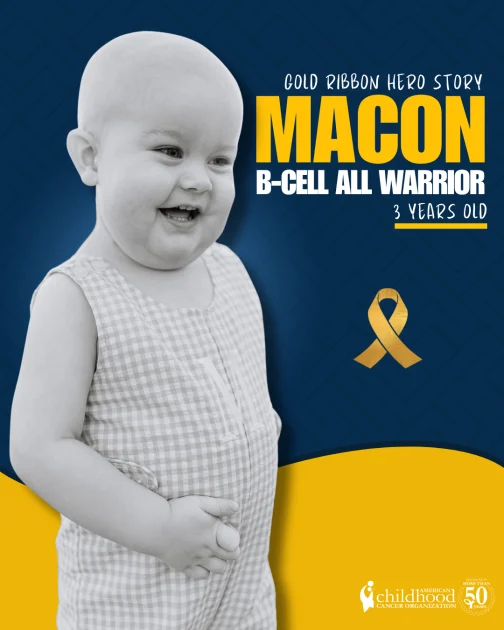
The suddenness of the diagnosis highlights a chilling reality in pediatric medicine: many childhood cancers present with few, if any, overt symptoms. In Macon’s case, his mother, Madeline, noted that he appeared perfectly healthy and was asymptomatic leading up to the appointment. This lack of clinical warning signs is not uncommon in leukemia cases, where the internal proliferation of malignant cells can occur rapidly before physical manifestations such as bruising, fatigue, or frequent infections become apparent. The diagnosis plunged the family into a state of shock and disbelief, a common psychological response for parents facing the sudden onset of life-threatening illnesses in their children.
Understanding B-Cell Acute Lymphoblastic Leukemia
B-Cell Acute Lymphoblastic Leukemia (B-ALL) is a type of cancer of the blood and bone marrow. It is characterized by the overproduction of immature white blood cells, known as lymphoblasts. In a healthy body, these B-cells eventually develop into mature cells that help the immune system fight infections by producing antibodies. However, in a patient with B-ALL, these cells remain in an immature state, multiplying rapidly and crowding out healthy red blood cells, white blood cells, and platelets.
According to data from the American Cancer Society and the National Cancer Institute, Acute Lymphoblastic Leukemia is the most common form of childhood cancer, representing approximately 25% of all cancer diagnoses in children under the age of 15. B-cell ALL is the most frequent subtype, accounting for about 80% of ALL cases. While the diagnosis is devastating, the prognosis for pediatric ALL has improved dramatically over the last several decades. Current five-year survival rates for children with ALL now exceed 90%, a testament to the advancements in chemotherapy protocols and precision medicine.
The Clinical Timeline and Immediate Complications
Macon’s treatment began almost immediately following his diagnosis, a standard procedure for ALL due to the aggressive nature of the disease. The primary objective of the initial phase of treatment, known as induction therapy, is to achieve "remission," defined as the absence of detectable leukemia cells in the bone marrow.
However, the path to remission is often fraught with secondary medical challenges. For Macon, one of the earliest hurdles was a serious staph infection (Staphylococcus aureus) in his bloodstream. Infections are a significant risk for pediatric oncology patients because chemotherapy suppresses the immune system (neutropenia), making the body vulnerable to bacteria that might otherwise be harmless. This infection necessitated the replacement of Macon’s port-a-cath—a device surgically implanted under the skin to allow for the easy administration of chemotherapy and the drawing of blood. Having to undergo a port placement twice in a short period added a layer of surgical recovery to an already taxing regimen of chemical treatment.
The treatment for B-ALL is notoriously intensive. Macon has undergone multiple lumbar punctures (spinal taps), a procedure used to check for the presence of leukemia cells in the cerebrospinal fluid and to administer "intrathecal" chemotherapy directly into the central nervous system. This is a preventative measure to ensure the cancer does not spread to the brain or spinal cord. Additionally, he has endured numerous bone marrow biopsies, which involve extracting a small sample of bone marrow to monitor the disease’s response to therapy at a cellular level.
The Path Through Maintenance Therapy
Currently, Macon has completed his first full year of treatment. Pediatric ALL protocols are among the longest in oncology, often spanning two to three years to ensure that every residual leukemic cell is eradicated and to prevent the high risk of relapse. For Macon, the projected timeline involves a total of two and a half years of chemotherapy.
He is currently in the "maintenance" phase of treatment. While less intensive than the initial induction or consolidation phases, maintenance therapy still requires daily oral chemotherapy, monthly intravenous treatments, and lumbar punctures every six weeks. Despite the physiological toll of these medications, Macon’s mother reports that he has handled the regimen "incredibly well." Weekly blood work continues to show no circulating leukemia cells, indicating that the treatment is functioning as intended.
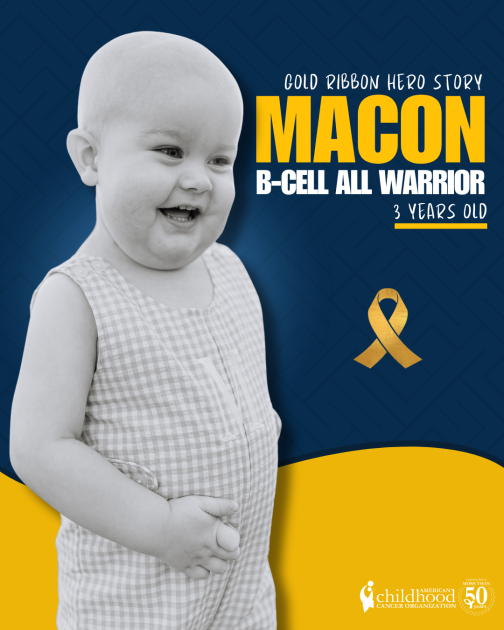
The maintenance phase is a delicate balancing act for families. It requires a return to some semblance of a normal routine while remaining hyper-vigilant about the child’s health. For Macon, this means finding joy in the outdoors, playing with his sister, and engaging with his favorite toys. His ability to remain playful and spirited despite the clinical environment is a hallmark of pediatric resilience, though it does not diminish the gravity of the underlying medical struggle.
The Critical Role of Routine Pediatric Screenings
Macon’s story serves as a profound case study in the importance of routine pediatric screenings. The "well-child" visit, often viewed by parents as a formality for vaccinations or growth charts, was in this instance the primary tool for early detection. The finger-prick blood test, or Complete Blood Count (CBC), is a simple but powerful diagnostic tool. By identifying an abnormal white blood cell count before Macon displayed physical symptoms, doctors were able to intervene before the leukemia caused systemic organ failure or other life-threatening complications.
Medical experts emphasize that early detection in pediatric cancer is difficult because symptoms—such as fever, bone pain, or lethargy—often mimic common childhood ailments like the flu or "growing pains." In Macon’s case, the absence of even these mild symptoms underscores the necessity of scheduled medical surveillance. If the diagnosis had been delayed until physical symptoms appeared, the disease might have been further progressed, potentially complicating the induction phase of his treatment.
Broader Implications for Pediatric Oncology Research
While Macon’s progress is encouraging, his journey highlights the ongoing need for research and funding in the field of childhood cancer. Despite being the leading cause of death by disease in children in the United States, pediatric cancer research receives a disproportionately small percentage of federal funding compared to adult cancers.
The protocols Macon is following are the result of decades of clinical trials coordinated by groups such as the Children’s Oncology Group (COG). These trials have helped refine the dosage and timing of chemotherapy to maximize efficacy while attempting to minimize long-term "late effects." Late effects can include heart damage, secondary cancers, or cognitive impairments resulting from the toxicity of the treatments. Enriching the landscape of pediatric oncology requires moving toward "targeted therapies" that can attack leukemia cells without the broad-spectrum toxicity of traditional chemotherapy.
Looking Toward the Future: The May 2027 Milestone
As of early 2024, Macon remains in active treatment. The medical community and his family have their sights set on May 2027. This is the date Macon is expected to "ring the bell," a symbolic ceremony in oncology wards that marks the completion of a patient’s chemotherapy treatment.
The transition from a "cancer patient" to a "cancer survivor" involves long-term follow-up care. Even after the chemotherapy ends in 2027, Macon will require regular monitoring for several years to ensure he remains in remission. The psychological impact on the family also remains a factor; the "shock, fear, and disbelief" mentioned by Madeline at the start of the journey often evolves into a heightened state of health-related anxiety known among survivors as "scanxiety."
Macon’s story is a narrative of medical precision, family resilience, and the vital importance of the healthcare safety net. From the initial finger prick at a routine checkup to the complex administration of intrathecal chemotherapy, his case illustrates the modern capabilities of pediatric medicine. As he continues his journey toward May 2027, Macon stands as a representative of the thousands of children currently navigating the rigors of B-ALL treatment, supported by a combination of clinical expertise and the unwavering advocacy of their families. Through continued awareness and support for organizations dedicated to childhood cancer, the hope is that more children like Macon can move from a state of "disbelief" to a future of health and recovery.
