
 By admin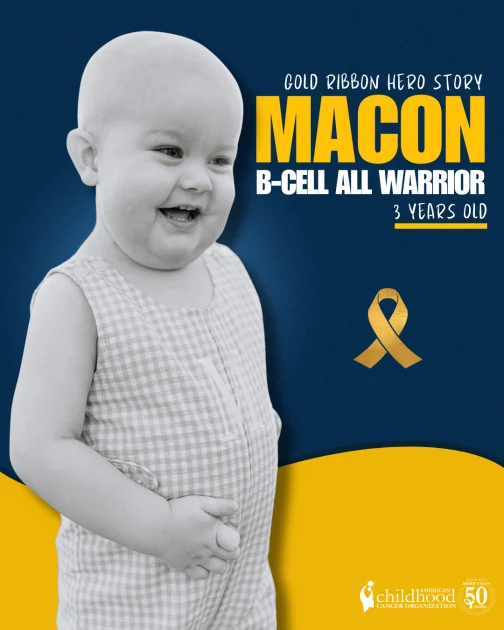
The sudden nature of Macon’s diagnosis underscores a critical challenge in identifying childhood hematological malignancies: the frequent absence of overt symptoms. According to his mother, Madeline, Macon appeared perfectly healthy and was entirely asymptomatic leading up to the appointment. This "silent" presentation is not uncommon in pediatric leukemia cases, where the early stages of the disease may mimic minor viral infections or, as in Macon’s case, present no visible distress at all. The subsequent medical journey has involved an intensive regimen of chemotherapy, invasive procedures, and the management of life-threatening secondary infections, highlighting the rigorous path to recovery for pediatric cancer patients.
Understanding B-Cell Acute Lymphoblastic Leukemia
B-cell Acute Lymphoblastic Leukemia is a type of cancer that originates in the bone marrow, the soft inner part of the bones where new blood cells are produced. Specifically, it affects B-lymphocytes, which are white blood cells responsible for producing antibodies and fighting infections. In a patient with B-ALL, the bone marrow produces an overabundance of immature white blood cells, known as lymphoblasts. These malignant cells fail to function correctly and rapidly crowd out healthy red blood cells, white blood cells, and platelets.
According to data from the American Cancer Society, Acute Lymphoblastic Leukemia (ALL) is the most common form of childhood cancer, accounting for approximately half of all leukemia cases in children and adolescents. While the diagnosis is devastating, advancements in medical research have significantly improved the prognosis for young patients. The five-year survival rate for children with ALL has risen to approximately 90% in recent decades, a testament to the efficacy of modern multi-phased chemotherapy protocols. However, the path to achieving remission and long-term survival remains one of the most grueling experiences a child and their family can endure.
The Clinical Chronology: From Diagnosis to Treatment
Macon’s medical intervention began immediately following his diagnosis. The standard of care for B-ALL involves several distinct phases: induction, consolidation (or intensification), and maintenance. The primary objective of the induction phase is to achieve complete remission, defined as the absence of leukemia cells in the blood and bone marrow, and the restoration of normal blood cell production.
Macon’s journey was complicated early on by a severe medical setback. To facilitate the delivery of chemotherapy and the frequent drawing of blood, a "port-a-cath"—a small medical device installed under the skin—was placed in his chest. However, a serious staph infection (Staphylococcus aureus) entered his bloodstream, necessitating the removal and subsequent replacement of the port. Bloodstream infections are a significant risk factor for pediatric oncology patients, as chemotherapy suppresses the immune system, leaving the body vulnerable to pathogens that would otherwise be manageable.
In addition to systemic chemotherapy, Macon has undergone numerous lumbar punctures, also known as spinal taps. These procedures serve two purposes: to monitor for the presence of leukemia cells in the cerebrospinal fluid and to administer intrathecal chemotherapy directly into the central nervous system. Because the blood-brain barrier often prevents systemic chemotherapy from reaching the brain and spinal cord, intrathecal treatments are a critical prophylactic measure to prevent the disease from sequestering in those areas.
Macon has also endured multiple bone marrow biopsies. These procedures involve the extraction of a small sample of bone and marrow, typically from the hip bone, to provide clinicians with a precise measurement of the leukemia burden at a cellular level. These tests are essential for determining how well the patient is responding to the specific chemotherapy agents being used.
Current Medical Status and the Maintenance Phase
Currently, Macon is in the midst of a long-term treatment plan expected to span two and a half years. He recently reached a significant milestone, completing his first full year of leukemia treatment. According to his mother’s reports, he has tolerated the aggressive chemotherapy remarkably well. His weekly blood work continues to show no circulating leukemia cells, an indicator that the current protocol is effectively managing the malignancy.
The "maintenance" phase of treatment, which Macon is currently navigating, is often the longest portion of the protocol. While less intensive than the initial induction and consolidation phases, it is no less vital. The goal of maintenance therapy is to eliminate any residual, undetectable leukemia cells that might remain in the body, thereby minimizing the risk of relapse. For Macon, this involves ongoing chemotherapy sessions and a lumbar puncture every six weeks.
If his progress continues at the current rate, Macon is scheduled to "ring the bell"—a ceremonial tradition in oncology wards symbolizing the completion of active treatment—in May 2027. This milestone represents more than just the end of medication; it signifies the return to a life no longer dictated by hospital schedules and immunosuppressive precautions.
The Socio-Economic and Emotional Impact on the Family
The diagnosis of childhood cancer creates a "new normal" for families, characterized by constant vigilance and emotional strain. Madeline’s description of the "shock, fear, and disbelief" experienced in the emergency room is a sentiment echoed by many parents in the pediatric oncology community. The psychological toll of watching a child undergo invasive procedures like bone marrow biopsies and lumbar punctures is profound.
Beyond the emotional burden, the financial implications of a 30-month treatment plan are substantial. Even with comprehensive insurance, the indirect costs—including travel to specialized pediatric hospitals, lost wages from parents needing to provide around-the-clock care, and the costs of supportive medications—can be staggering. Organizations like the American Childhood Cancer Organization (ACCO) play a pivotal role in providing resources, advocacy, and support to families navigating these challenges.
Macon’s ability to remain a "playful little boy" despite his medical circumstances is a point of focus for his family. Maintaining a sense of childhood through play, outdoor activities, and interactions with his sister is considered a vital component of holistic care. Pediatric oncologists often emphasize that supporting a child’s developmental and emotional needs is just as important as the clinical administration of drugs.
Broader Implications for Pediatric Oncology Research
Macon’s case highlights both the successes and the remaining gaps in the field of pediatric oncology. While the high survival rate for B-ALL is a triumph of modern medicine, the treatments themselves remain highly toxic. The chemotherapy drugs used today can have long-term "late effects," including potential impacts on heart health, cognitive development, and secondary cancers later in life.
Advocates in the childhood cancer community frequently point out the disparity in research funding. In the United States, only about 4% of federal funding for cancer research is directed toward pediatric cancers. The majority of funding is allocated to adult cancers, which are biologically distinct from childhood malignancies. This funding gap means that many pediatric treatments are adaptations of adult protocols rather than therapies specifically designed for the developing biology of a child.
Cases like Macon’s serve as a call to action for increased investment in "precision medicine"—treatments tailored to the genetic makeup of an individual’s cancer cells. By developing more targeted therapies, researchers hope to maintain high cure rates while reducing the short-term and long-term toxicity of the treatment.
The Importance of Routine Pediatric Screenings
The circumstances of Macon’s diagnosis also serve as a vital reminder of the importance of routine pediatric wellness visits. In many cases of childhood leukemia, the symptoms are non-specific: fatigue, easy bruising, frequent fevers, or bone pain. Because these symptoms can easily be attributed to common childhood illnesses or "growing pains," they are often overlooked.
In Macon’s case, it was the routine finger-prick blood test during a well-child visit that caught the abnormality. This underscores the necessity of standard medical screenings even when a child appears healthy. Early detection, while not always changing the protocol for ALL, allows for the immediate commencement of treatment before the child’s health deteriorates from the secondary effects of the disease, such as severe anemia or life-threatening hemorrhage.
Conclusion: A Vision for 2027
As Macon continues his journey toward the May 2027 milestone, his story remains a powerful example of resilience in the face of a daunting diagnosis. The collective efforts of medical professionals, researchers, and support organizations are focused on ensuring that "warriors" like Macon not only survive their diagnosis but go on to live full, healthy lives.
The battle against pediatric cancer is a collaborative one. While the clinical teams manage the biological aspects of the disease, the community’s role involves providing the support systems necessary for families to endure the long road of treatment. As Macon’s mother stated, "kids can’t fight cancer alone." The ongoing success of his treatment serves as a beacon of hope for other families entering the same frightening landscape of pediatric oncology, proving that with early intervention and rigorous care, the "unreal" nightmare of a cancer diagnosis can be met with effective medical action and the hope for a healthy future.
