
 By Billy Candra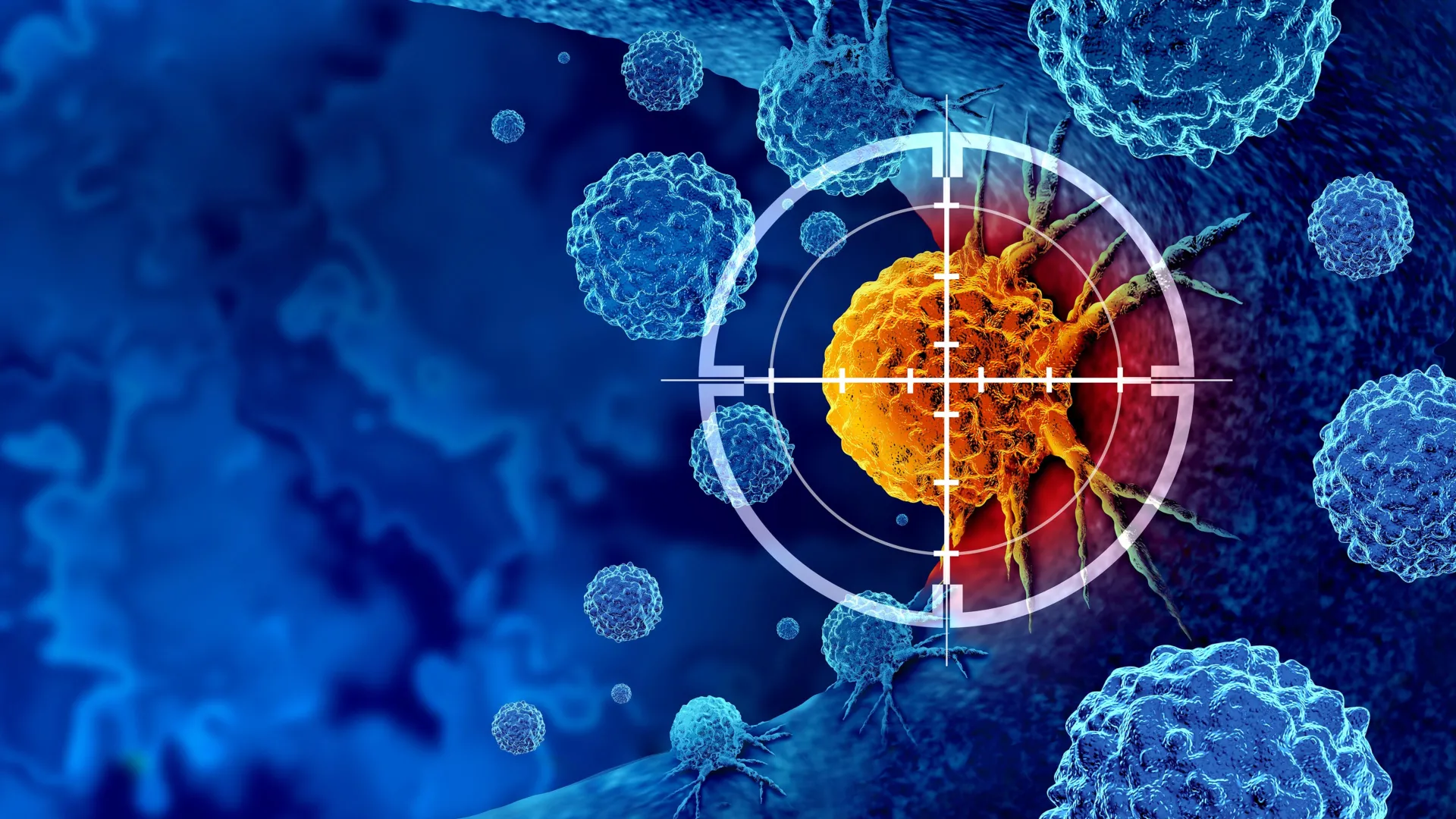
A pioneering, federally funded clinical trial has unveiled a revolutionary approach to breast cancer management, demonstrating the feasibility of identifying survivors at high risk of recurrence due to dormant cancer cells and effectively treating these "sleeper cells" with existing, repurposed drugs. This landmark research, spearheaded by scientists at the Abramson Cancer Center of the University of Pennsylvania and Penn’s Perelman School of Medicine, published today in the esteemed journal Nature Medicine, marks a significant leap forward in the quest to prevent the devastating return of breast cancer.
A New Frontier in Breast Cancer Prevention
The study’s findings are particularly impactful given the persistent challenge of breast cancer recurrence. While advancements in detection and treatment have dramatically improved survival rates, a relapse remains largely incurable, often necessitating continuous, indefinite treatment that cannot entirely eliminate the disease. Approximately 30 percent of breast cancer survivors, both women and men, eventually experience recurrence. The timeline for this return varies significantly; aggressive subtypes like triple-negative and HER2-positive cancers may recur within a few years, while hormone receptor-positive (ER+) cancers can lie dormant for decades before reactivating. Until now, clinicians lacked a reliable method to identify these high-risk individuals in real-time or to intervene proactively to prevent an incurable metastatic relapse.
The randomized Phase II clinical trial, involving 51 breast cancer survivors, showcased remarkable efficacy. Repurposed drugs successfully cleared dormant tumor cells from an impressive 80 percent of participants. Furthermore, the three-year survival rate without any disease recurrence stood above 90 percent for patients who received monotherapy with one drug, soaring to a perfect 100 percent for those treated with a combination of both study drugs. These outcomes herald a potential paradigm shift from a reactive "wait and see" approach to a proactive, preventative strategy.
Dr. Angela DeMichele, MD, MSCE, FASCO, the Mariann T. and Robert J. MacDonald Professor in Breast Cancer Research and the principal investigator of the study, articulated the profound emotional and medical significance of these findings. "The lingering fear of cancer returning is something that hangs over many breast cancer survivors after they celebrate the end of treatment," Dr. DeMichele stated. "Right now, we just don’t know when or if someone’s cancer will come back — that’s the problem we set out to solve. Our study shows that preventing recurrence by monitoring and targeting dormant tumor cells is a strategy that holds real promise, and I hope it ignites more research in this area." Her sentiment underscores the immense psychological burden lifted by the prospect of actively mitigating recurrence risk.
Understanding the Enigma of Dormant Cancer Cells
The genesis of this breakthrough lies in a deeper understanding of minimal residual disease (MRD), often referred to as "sleeper cells." These insidious cells are residual cancer cells that survive initial treatments but do not actively proliferate. They can remain quiescent, scattered throughout the body, for years or even decades, evading detection by conventional imaging techniques like mammograms, MRIs, or PET scans, which are designed to identify metabolically active tumors. The challenge with these dormant cells is their capacity to reactivate and expand, leading to the development of metastatic breast cancer – a stage where the disease has spread to distant organs and is generally considered incurable. Patients with detectable MRD face a significantly higher likelihood of breast cancer recurrence and diminished overall survival.
The current study builds upon years of foundational research, particularly the work led by Dr. Lewis Chodosh, MD, PhD, Chair of Cancer Biology and senior author of the present study. Dr. Chodosh’s earlier investigations meticulously mapped the molecular pathways that enable tumor cells to enter and maintain a state of dormancy within patients for extended periods. This fundamental research was critical in identifying potential targets for therapeutic intervention.
"Our research shows that this sleeper phase represents an opportunity to intervene and eradicate the dormant tumor cells before they have the chance to come back as aggressive, metastatic disease," Dr. Chodosh explained. A crucial and somewhat counterintuitive discovery was that "certain drugs that don’t work against actively growing cancers can be very effective against these sleeper cells. This tells us that the biology of dormant tumor cells is very different from active cancer cells." This insight highlights a fundamental divergence in cellular mechanisms between proliferative and quiescent cancer cells, suggesting that entirely new therapeutic strategies are required to address the dormant population.
The Scientific Journey: From Bench to Bedside
The journey to this clinical success involved rigorous preclinical validation. Dr. Chodosh’s team conducted a comprehensive series of experiments in mouse models to elucidate the underlying mechanisms of dormancy and identify potential therapeutic targets. Their research pinpointed two distinct, FDA-approved drugs – originally indicated for other conditions – that could effectively clear MRD in mice. These drugs target critical cellular processes: autophagy, a cellular recycling mechanism, and mTOR signaling, a pathway involved in cell growth and metabolism. The researchers discovered that these mechanisms were key to the tumor cells’ ability to remain dormant, making them vulnerable to targeted disruption. By inhibiting these pathways, the drugs resulted in significantly longer survival without cancer recurrence in the preclinical models.
Translating these compelling preclinical findings into a human clinical trial required a meticulously designed approach. Dr. DeMichele’s team initiated a two-phase study. The first phase involved screening breast cancer survivors who had completed their primary treatment within the last five years and had clear scans. The objective was to detect the presence of dormant tumor cells, primarily in the bone marrow, which is a common site for MRD.
Patients who tested positive for dormant tumor cells were then eligible to enroll in the Phase II CLEVER clinical trial. This trial randomized participants into three groups: monotherapy with one of the two study drugs, or combination therapy with both drugs. Over a period of six cycles, administered over six to twelve months, the treatment successfully cleared dormant tumor cells in the majority of patients. After a median follow-up period of 42 months (3.5 years), only two patients in the entire study experienced a cancer recurrence, a testament to the potential effectiveness of this preventative strategy.
Broader Context: The Imperative of Preventing Recurrence
Breast cancer remains the most common cancer among women globally, excluding non-melanoma skin cancer. According to the American Cancer Society, an estimated 310,720 new cases of invasive breast cancer are expected to be diagnosed in women in the U.S. in 2024, along with 2,800 cases in men. While the five-year relative survival rate for localized breast cancer is an encouraging 99%, this figure drops dramatically to 31% once the cancer metastasizes. The prevention of recurrence is thus not merely an improvement in quality of life; it is a critical determinant of long-term survival.
The current standard of care for breast cancer survivors primarily involves regular surveillance through imaging and clinical exams, coupled with adjuvant therapies (like hormonal therapy or targeted drugs) designed to eliminate residual active cells. However, this approach has limitations in addressing truly dormant cells. The "wait and see" strategy for recurrence can be emotionally taxing for patients, who live with the constant anxiety of the disease returning. The ability to identify and eradicate these sleeper cells before they awaken offers a profound sense of relief and a concrete pathway to improved long-term outcomes.
The repurposing of existing, FDA-approved drugs presents several advantages. These drugs have already undergone extensive safety testing and clinical trials for their original indications, significantly accelerating their potential adoption for new uses. This can lead to faster availability to patients, lower development costs, and a more predictable safety profile compared to developing entirely new compounds. The drugs identified in this study, by targeting autophagy and mTOR signaling, represent a novel mechanism of action against dormant cells, distinct from therapies used for active cancer.
Implications and Future Directions
The success of the CLEVER trial opens up several exciting avenues for the future of breast cancer treatment. Firstly, it validates the concept of "pre-emptive oncology," where intervention occurs before overt disease manifestation. This could fundamentally change how post-treatment care is approached, shifting from passive monitoring to active prevention for high-risk individuals.
Secondly, the identification of specific molecular pathways critical for dormancy provides new targets for drug development. While repurposed drugs are valuable, understanding these pathways could lead to the development of even more potent and specific agents designed solely to eliminate dormant cells.
Thirdly, the development of robust and accurate methods for detecting minimal residual disease is paramount. The study’s reliance on bone marrow biopsies for dormant cell detection highlights the need for less invasive screening methods, such as liquid biopsies (circulating tumor DNA or circulating tumor cells), which are currently under intensive research. Improved detection methods will be crucial for widespread implementation of this preventative strategy.
Dr. DeMichele emphasized the ongoing commitment to validating and expanding these initial findings. "We want to be able to give patients a better option than ‘wait and see’ after they complete breast cancer treatment," she affirmed. "We’re encouraged by these results that we’re on the right track."
In light of these promising results, the Penn Medicine team is already actively enrolling patients in two larger, confirmatory studies: the Phase II ABBY clinical trial and the Phase II PALAVY clinical trial. These trials are being conducted at multiple cancer centers across the country, aiming to further confirm the efficacy and safety of this preventative strategy in a broader patient population. Such larger trials are essential steps towards potential regulatory approval and widespread clinical use.
The research was made possible through significant financial backing from a consortium of funders, including the National Cancer Institute (R01CA208273) and the Department of Defense (BC160784). Additional crucial support was provided by the V Foundation, the Breast Cancer Research Foundation, QVC "Shoes on Sale," the Avon Foundation, the Raynier Institute & Foundation, and numerous generous philanthropic donations. Dr. DeMichele previously presented interim outcomes data from the study at the European Society for Medical Oncology (ESMO) Congress 2023, generating considerable interest within the oncology community.
This innovative research offers a beacon of hope for breast cancer survivors and underscores the power of persistent scientific inquiry in transforming patient care. By proactively disarming the "sleeper cells" that threaten recurrence, scientists are moving closer to a future where breast cancer survival means not just living longer, but living free from the fear of its return. Patients interested in learning more about these or other breast cancer clinical trials at Penn Medicine are encouraged to contact [email protected].
