
 By Budi Oetomo Narendra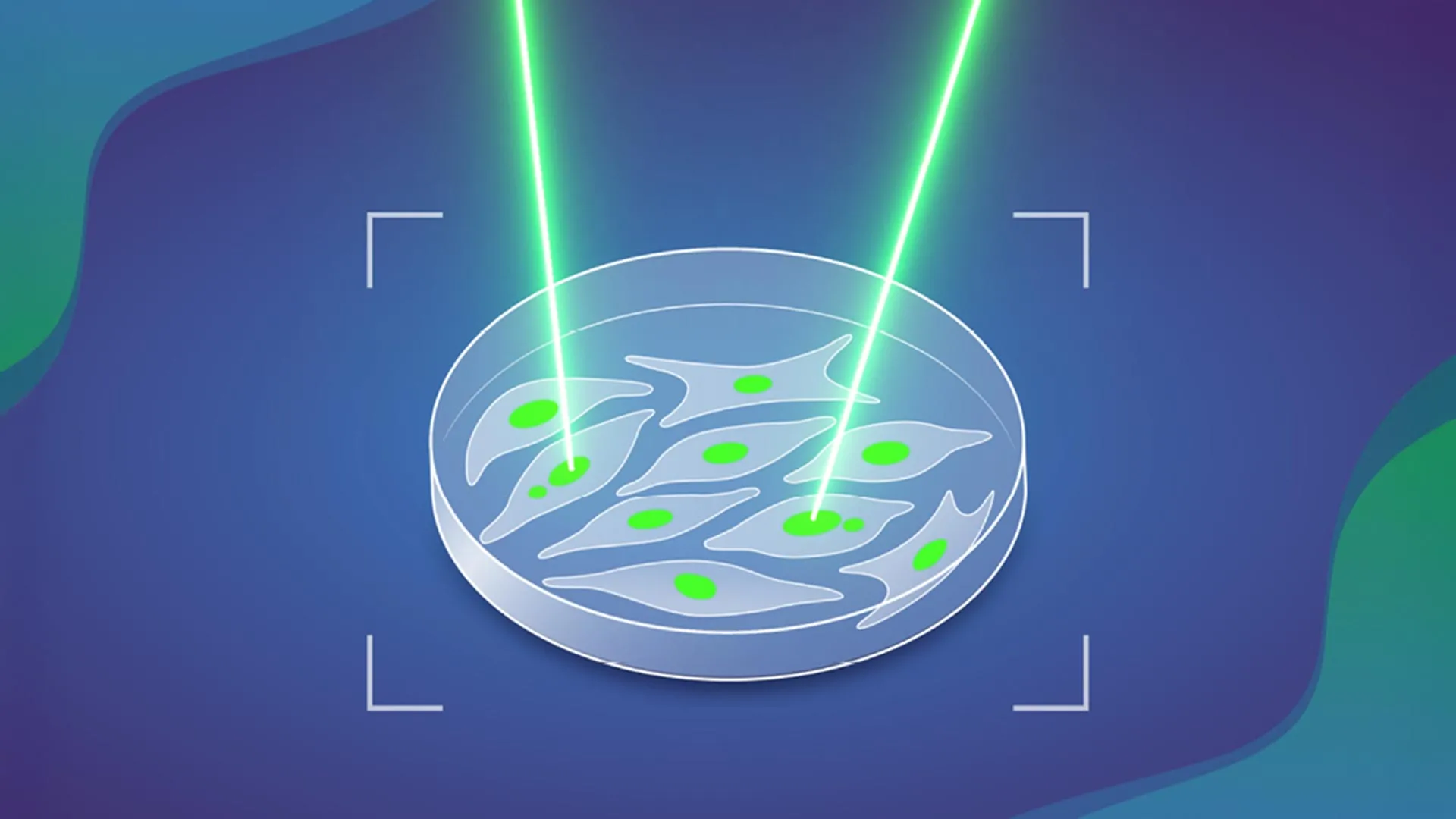
EMBL Heidelberg researchers have unveiled a groundbreaking artificial intelligence (AI)-powered tool, named machine learning-assisted genomics and imaging convergence (MAGIC), designed to revolutionize the study of cancer’s earliest molecular origins. This innovative platform offers an unprecedented ability to investigate how chromosomal abnormalities—critical early warning signs in the progression towards malignancy—arise, potentially ushering in a new era of understanding and combating aggressive forms of cancer. The development, spearheaded by the Korbel Group at the European Molecular Biology Laboratory (EMBL) Heidelberg, promises to accelerate research into the fundamental conditions that drive healthy cells to transform into cancerous ones, addressing a century-old scientific challenge.
The human body’s intricate functions are orchestrated by a meticulously organized genetic blueprint. When these instructions, which govern cell growth and function, become disrupted, the groundwork for cancer is laid. Over time, cells can accumulate genetic errors that enable them to evade the stringent controls that normally regulate growth and division. Among the most significant early indicators of this perilous journey are chromosomal abnormalities—alterations in the number or structure of chromosomes. These defects are not merely consequences but active drivers, capable of pushing otherwise healthy cells towards a cancerous fate.
"Chromosomal abnormalities are a main driver for particularly aggressive cancers, and they’re highly linked to patient death, metastasis, recurrence, chemotherapy resistance, and fast tumor onset," stated Jan Korbel, senior scientist at EMBL and senior author of the pivotal new paper published in the esteemed journal Nature. Korbel underscored the critical motivation behind their work, adding, "We wanted to understand what determines the likelihood that cells undergo such chromosomal alterations, and what’s the rate at which such abnormalities arise when a still normal cell divides." This fundamental quest aims to unravel the very genesis of genomic instability, a hallmark of cancer.
A Century-Old Scientific Pursuit: Boveri’s Prophetic Insight
The insidious link between abnormal chromosomes and the genesis of cancer is a concept that has intrigued scientists for over a hundred years. The pioneering German scientist Theodor Boveri first articulated this profound idea in the early twentieth century. Through meticulous observations of dividing cells under the microscope, Boveri proposed that an abnormal chromosomal content within cells could play a decisive role in the development of cancer. His 1914 hypothesis, often referred to as the "Boveri hypothesis," laid the intellectual groundwork for understanding cancer as a disease rooted in genetic and chromosomal aberrations, long before the structure of DNA was even discovered.
Despite Boveri’s prescient theory, the study of these crucial abnormalities has remained an arduous undertaking for decades. The inherent challenges are multifaceted: only a minuscule fraction of cells within a population typically exhibit chromosomal defects at any given moment. Furthermore, many of these compromised cells are naturally eliminated through cellular surveillance mechanisms, such as programmed cell death (apoptosis) or immune system responses, making them ephemeral targets for study. Traditionally, researchers were forced to manually scour cell cultures under microscopes, painstakingly searching for these rare events. This laborious and time-consuming process severely limited the scale of investigation, allowing scientists to isolate and study only a handful of cells at a time, thereby hindering comprehensive understanding.
The Genesis of MAGIC: Bridging Disciplines with AI
Recognizing these persistent technical limitations, Marco Cosenza, a Research Scientist within the Korbel Group, embarked on a mission to devise a more efficient solution. His journey began through collaborative efforts with other EMBL teams grappling with similar analytical bottlenecks. This interdisciplinary synergy laid the foundation for an automated platform that seamlessly integrates advanced microscopy, cutting-edge single-cell sequencing, and the transformative power of artificial intelligence. The culmination of these efforts is MAGIC, an acronym for machine learning-assisted genomics and imaging convergence, a testament to its multifaceted approach.
The development timeline of MAGIC underscores the rapid evolution of scientific methodology. While Boveri’s initial theory emerged in an era of nascent cytology, Cosenza’s work benefited from decades of advancements in molecular biology and, crucially, the recent explosion in AI capabilities. The project gained significant momentum during the COVID-19-related lockdown in 2020. Cosenza recounted, "During the COVID-19-related lockdown in 2020, I could really spend some time on learning and applying AI computer vision technologies to the biological image data we had collected before. Afterwards, we designed experiments to validate it and take it further." This period allowed for focused development and refinement of the AI algorithms at the heart of the system.
AI-Powered "Laser Tag": Precisely Tagging Aberrant Cells
At its core, MAGIC operates with a precision akin to a highly automated version of laser tag, but instead of marking players, it tags specific cells exhibiting critical features. The system systematically scans vast populations of cells, identifying those that display a particular visible characteristic indicative of genomic instability. In this seminal study, the researchers meticulously focused on a specific cellular structure known as a ‘micronucleus.’
Micronuclei are small, extranuclear compartments within cells that encapsulate fragments of DNA or even whole chromosomes that have been separated from the main genome during cell division. Their presence is a potent biomarker for chromosomal instability, signifying that a cell has experienced errors during mitosis. Crucially, cells containing micronuclei are significantly more prone to developing further, more complex chromosomal abnormalities, thereby substantially increasing their predisposition to becoming cancerous. They serve as an early "canary in the coal mine," signaling heightened genomic stress and a greater risk of malignant transformation.
When the MAGIC system detects a cell containing one or more micronuclei, it precisely marks that cell using a finely tuned laser. This ingenious tagging process leverages a photoconvertible dye—a specialized fluorescent molecule that exhibits a unique property: it changes the color of light it emits upon exposure to a specific wavelength of light. This allows for permanent and distinct labeling of the target cells without harming them. The elegance of this approach lies in its ability to selectively highlight and isolate the rare, chromosomally unstable cells from the much larger population of healthy cells, a feat previously impractical on a large scale.
"This project combined a lot of my interests in one," Cosenza reflected, highlighting the interdisciplinary nature of the endeavor. "It involves genomics, microscopic imaging, and robotic automation." The convergence of these distinct fields—molecular biology, advanced optics, and sophisticated robotics—underpins the system’s remarkable capabilities, showcasing a paradigm shift in how biological discovery can be conducted.
The Seamless Workflow of the MAGIC System
The operational efficacy of the MAGIC system is rooted in a meticulously orchestrated, multi-step automated workflow.
- High-Throughput Imaging: The process commences with an automated microscope systematically capturing a vast array of high-resolution images from a prepared sample of cells. This initial step generates a massive dataset of visual information, far beyond what manual observation could achieve.
- AI-Driven Analysis: Subsequently, a sophisticated machine learning algorithm, previously trained using meticulously hand-labeled examples of cells containing micronuclei, analyzes these images. The AI’s training phase is critical, enabling it to accurately discern the subtle visual cues that distinguish micronuclei from other cellular components, achieving a level of speed and precision unattainable by human observers.
- Precision Laser Tagging: If the algorithm successfully identifies a cell harboring a micronucleus, it instantaneously relays the precise coordinates of that cell to the microscope. The microscope then directs a focused beam of light—specifically tuned to activate the photoconvertible dye—at that exact cell. This action permanently tags the cell with a distinct fluorescent signature, effectively "marking" it for future identification.
- Automated Isolation and Downstream Analysis: Following the tagging process, researchers can efficiently isolate these marked cells from the living cell population using advanced cell sorting techniques such as flow cytometry. Flow cytometry, a technology that rapidly analyzes and sorts cells based on their fluorescent properties, allows for the bulk collection of tagged cells. Once isolated, these enriched populations of chromosomally unstable cells can undergo more detailed and intensive study, including comprehensive genomic analysis, such as single-cell sequencing. This allows scientists to delve deep into the specific genetic mutations and rearrangements present within these critical cells.
By replacing the traditionally slow, labor-intensive, and often subjective process of manually searching for micronuclei, MAGIC dramatically expands the scale of investigation. The system’s throughput is staggering: in less than a single day, MAGIC can analyze close to 100,000 cells, generating an unparalleled wealth of data on genomic instability events. This exponential increase in analytical capacity transforms what was once a bottleneck into a high-speed pipeline for discovery.
Unveiling the Frequency of Chromosomal Errors
The immediate impact of MAGIC was demonstrated through its application to study the spontaneous formation of chromosomal abnormalities in cultured cells, originally derived from normal human tissues. The insights gleaned from this initial analysis were profound. The researchers’ findings revealed that a surprisingly significant proportion—slightly more than 10%—of normal human cell divisions spontaneously produce chromosomal abnormalities. This high baseline rate underscores the constant cellular struggle to maintain genomic integrity.
Even more striking were the observations concerning the tumor suppressor gene p53. Known as the "guardian of the genome," p53 plays a crucial role in cell cycle arrest, DNA repair, and initiating apoptosis in response to cellular stress or DNA damage. Mutations in the p53 gene are among the most common genetic alterations in human cancers, found in approximately half of all malignancies. The study revealed that when the p53 gene is mutated, the rate of spontaneous chromosomal abnormalities nearly doubles, soaring to close to 20% of cell divisions. This finding powerfully illustrates how the compromise of a single, critical tumor suppressor pathway can dramatically accelerate genomic instability, paving a faster path toward cancer.
Beyond the p53 analysis, the team also leveraged MAGIC to investigate other factors influencing the formation of chromosomal abnormalities. These included the presence and precise spatial positioning of double-stranded DNA breaks within chromosomes, offering deeper insights into the mechanisms that trigger these errors. Double-stranded breaks are particularly dangerous forms of DNA damage that, if improperly repaired, can lead to significant chromosomal rearrangements.
A Collaborative Endeavor with Broad Potential for Biological Discovery
The development and validation of MAGIC exemplify the power of collaborative science. This complex research undertaking involved synergistic efforts both within and external to EMBL Heidelberg. Key contributors included the Advanced Light Microscopy Facility (ALMF) and the Pepperkok Team at EMBL Heidelberg, providing crucial expertise in imaging and cellular analysis. Further vital contributions came from Isidro Cortes-Ciriano’s group at EMBL-EBI, specializing in computational biology and genomics, and Andreas Kulozik’s team at the German Cancer Research Centre (DKFZ), which is also an integral part of the Molecular Medicine Partnership Unit (MMPU) between EMBL and the University of Heidelberg. This multi-institutional, interdisciplinary approach was fundamental to the success of the project, bringing together diverse expertise in cell biology, imaging, genomics, AI, and clinical relevance.
One of the most compelling aspects of MAGIC is its inherent flexibility and adaptability. While the researchers initially trained the AI system in this study to specifically detect micronuclei—a potent indicator of genomic instability—the underlying machine learning architecture is highly versatile. This means the AI could be retrained to identify a vast array of other cellular features or biomarkers, opening up myriad possibilities across biological research.
"As long as you have a feature that can be discriminated visually from a ‘regular’ cell, you can—thanks to AI—train the system to detect it," Korbel emphasized, highlighting the expansive utility of their innovation. "Our system therefore has potential to advance future discoveries in numerous areas of biology." This adaptability suggests that MAGIC could be deployed to study other diseases characterized by subtle cellular changes, screen for novel drug candidates that impact cell morphology, or even accelerate research into fundamental biological processes beyond cancer.
Implications for Cancer Research and Beyond
The implications of the MAGIC system extend far beyond the immediate findings on chromosomal abnormality rates. This technology represents a significant leap forward in understanding the earliest stages of carcinogenesis. By providing an unprecedented ability to capture and analyze the rare, initial genetic missteps that propel cells toward cancer, MAGIC offers:
- Accelerated Mechanistic Research: Researchers can now efficiently investigate the molecular pathways and environmental factors that increase the likelihood of genomic instability, potentially identifying new therapeutic targets or preventive strategies.
- Early Biomarker Discovery: The system’s ability to identify and isolate cells at high risk of malignant transformation could lead to the discovery of novel early diagnostic biomarkers for aggressive cancers, enabling interventions at a stage where treatments are most effective.
- Drug Screening Platforms: MAGIC could be adapted to screen vast libraries of compounds for their ability to prevent or reverse chromosomal instability, thereby identifying potential anti-cancer drugs that act at the very root of the disease.
- Personalized Medicine: Understanding an individual’s unique susceptibility to chromosomal abnormalities, perhaps influenced by specific genetic predispositions or environmental exposures, could pave the way for more personalized cancer risk assessments and tailored preventive measures.
- Fundamental Cell Biology: Beyond cancer, the tool can shed light on basic processes of cell division, DNA repair, and the mechanisms by which cells maintain genomic integrity under various stress conditions.
In an era where AI is increasingly integrated into scientific discovery, MAGIC stands out as a powerful example of how intelligent automation can break through long-standing experimental barriers. By combining robotics, advanced imaging, genomics, and sophisticated machine learning, the EMBL Heidelberg team has not only addressed a century-old question but also created a versatile platform poised to unlock countless new discoveries in the complex and critical field of human health. The future of understanding and ultimately conquering aggressive cancers may well be illuminated by the precise laser light of MAGIC.
