
 By Billy Candra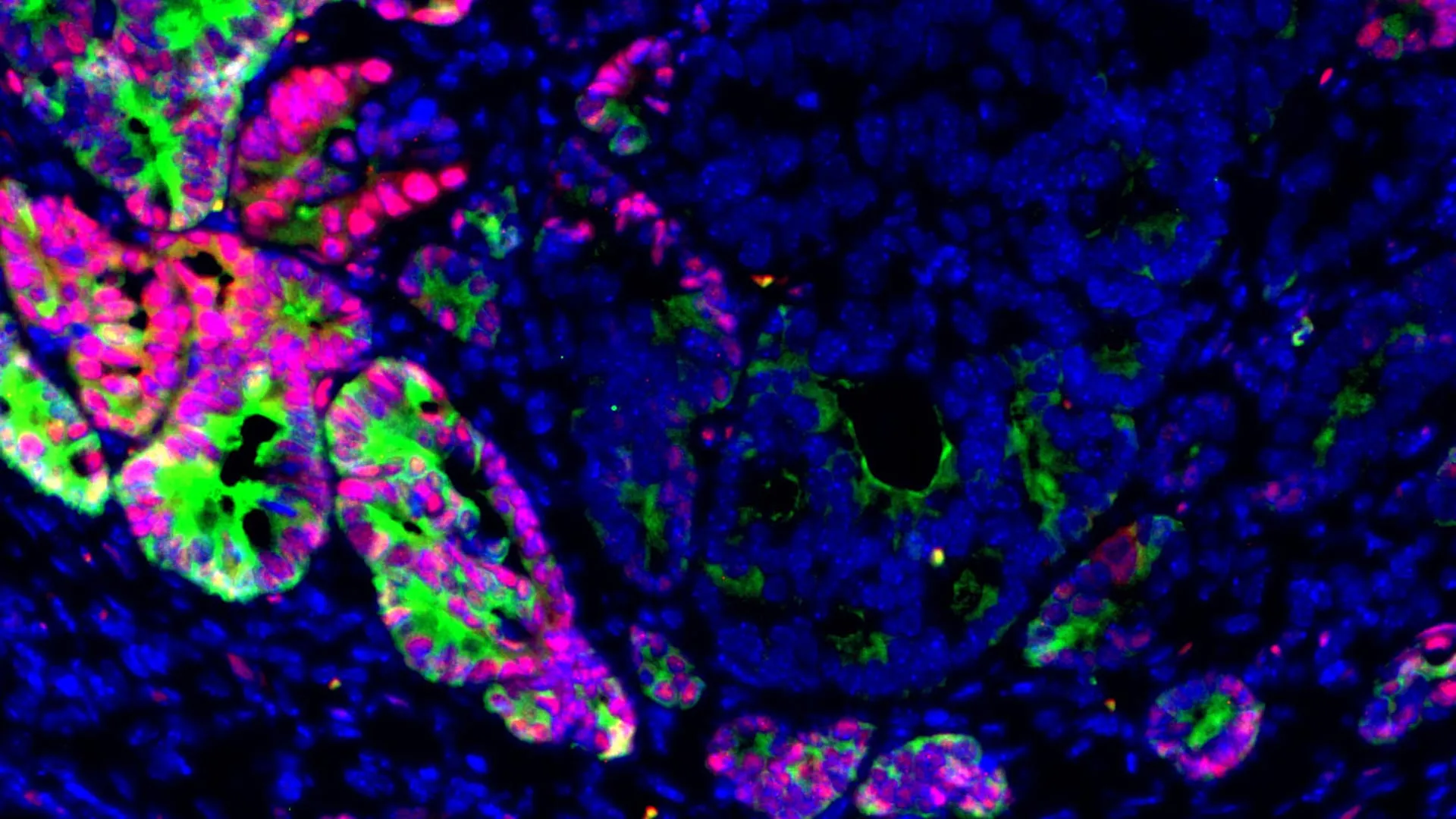
Researchers at Weill Cornell Medicine and the Massachusetts Institute of Technology have identified a crucial factor that appears to facilitate the spread of colorectal cancer (CRC) to the liver. Their comprehensive findings suggest that the loss of GATA6, a transcription factor vital for regulating gene expression, can reprogram cancer cells into a more primitive and adaptable state, thereby enabling metastasis. This pivotal understanding of cellular transformation holds significant promise for developing novel strategies to prevent and treat one of the deadliest aspects of colorectal cancer, which remains a leading cause of cancer-related mortality globally.
Colorectal cancer is the third most common cancer diagnosed in both men and women in the United States, and the second leading cause of cancer death worldwide. According to the American Cancer Society, over 150,000 new cases of CRC are projected for 2024, with more than 53,000 deaths. A staggering 50-60% of patients diagnosed with CRC will develop metastatic disease, and for those whose cancer has spread to distant sites, particularly the liver, the five-year survival rate plummets from over 90% for localized disease to approximately 14%. The liver is the most common site for colorectal cancer metastasis, primarily due to its anatomical position and extensive blood supply, acting as a filter for blood draining from the intestines. Once CRC metastasizes beyond its primary site, treatment becomes exceedingly complex, often involving a combination of surgery, chemotherapy, targeted therapy, and immunotherapy, none of which guarantee long-term remission. For decades, the precise mechanisms driving this deadly spread have remained elusive, presenting a significant hurdle in improving patient outcomes.
The Elusive Mechanism of Metastasis: A Shift from Genetics to Epigenetics
For many years, the scientific community predominantly focused on identifying specific genetic mutations that might trigger liver metastasis. The prevailing hypothesis was that certain DNA alterations within cancer cells conferred metastatic capabilities. However, despite extensive research, no clear "driver mutations" uniquely responsible for liver metastasis have consistently emerged. This persistent lack of a definitive genetic culprit prompted researchers to explore alternative mechanisms. The new study, published on June 22 in Cell Stem Cell, marks a significant paradigm shift, pointing instead to epigenetic changes as a critical force in promoting liver metastasis.
Epigenetics refers to heritable changes in gene expression that occur without altering the underlying DNA sequence itself. Instead, these modifications influence which genes are turned on or off, thereby dictating which proteins cells produce and, consequently, their function and behavior. GATA6 normally functions as a molecular "identity keeper" within the specialized epithelial cells lining the intestine, ensuring they maintain their unique characteristics and functions. The research team, co-led by Dr. Norihiro Goto, assistant professor of medicine in the Division of Gastroenterology & Hepatology at Weill Cornell, found strikingly lower levels of GATA6 in liver metastases derived from both mouse models and human patients with colorectal cancer. Crucially, reduced GATA6 expression was directly correlated with poorer patient outcomes, underscoring its clinical relevance.
"We discovered that GATA6 loss acts as a critical switch that can change cancer cells in the primary tumor from non-metastatic to pro-metastatic," stated Dr. Norihiro Goto. "Our findings suggest that epigenetic changes may be more important for promoting liver metastasis than previously understood." This statement highlights the profound reorientation of research focus that this discovery necessitates. Dr. Saori Goto, an instructor in medicine at Weill Cornell, served as the first author of the groundbreaking study, with Dr. Omer H. Yilmaz, associate professor of biology at the Massachusetts Institute of Technology, also co-leading the extensive work.
Unraveling Early Metastatic Events Through Advanced Organoid Models
A major challenge in understanding metastasis has been the difficulty in observing the early stages of this complex process. Traditional analyses of established liver metastases from patient samples offer a snapshot of the end-stage disease, but they fail to capture the dynamic cellular transformations that enable the initial spread. "When researchers analyze patient samples from liver metastases, we fail to capture the important signals occurring in the early stages of the metastatic process," Dr. Norihiro Goto explained.
To overcome this limitation, the research team pioneered an innovative laboratory model utilizing organoids derived from liver metastases. Organoids are miniature, three-dimensional cellular structures grown in vitro that closely mimic the architecture and function of real organs or tumors. These advanced models provide a more physiologically relevant system compared to conventional two-dimensional cell cultures, allowing scientists to study cellular interactions and disease progression in a highly controlled environment.
The scientists implanted these patient-derived organoids into the colons of mice. Over time, these organoids developed into increasingly aggressive primary tumors that subsequently spread to the liver. By repeating this process multiple times, the researchers could meticulously observe how cancer cells gradually acquired the intricate abilities necessary for metastasis. This iterative approach allowed them to identify the subtle, yet critical, changes occurring at the cellular level long before a macroscopic metastatic lesion became apparent.
Lineage Plasticity: Cancer Cells Adopt a Fetal-Like State
The meticulous experiments using the organoid models revealed that the loss of GATA6 significantly promotes a phenomenon known as lineage plasticity. Lineage plasticity refers to the remarkable ability of cells to alter their identity, specialized functions, and overall behavior. When GATA6 was absent, colorectal cancer cells activated alternative genetic programs, essentially shedding their mature intestinal cell identity and adopting a more flexible, primitive, fetal-like state. These transformed cells, endowed with enhanced adaptability, were demonstrably better equipped to detach from the primary tumor, navigate the challenging journey through the bloodstream, evade immune surveillance, and successfully establish new tumors in distant organs, particularly the liver.
This type of cellular reshaping is not inherently abnormal; it is a fundamental biological process utilized by the body during crucial physiological events such as wound repair, tissue regeneration, and adaptation to various forms of stress. In these contexts, cells temporarily dedifferentiate or transdifferentiate to fulfill specific repair or developmental needs. However, in the context of cancer, this otherwise beneficial biological program is hijacked, turning a survival mechanism into a driver of disease progression. The ability of cancer cells to revert to an embryonic or fetal-like state often imbues them with stem cell-like properties, including enhanced self-renewal capacity, resistance to therapy, and, critically, metastatic potential.
A key indicator of this acquired plasticity was the appearance of cells lacking LGR5, a well-established marker commonly found in highly proliferative intestinal stem cells. Earlier research had already implicated LGR5-negative cells in initiating liver metastases, suggesting their critical role in the metastatic cascade. The new study conclusively demonstrated that shutting down GATA6 causes cancer cells to undergo a profound shift, transitioning from an LGR5-positive state to an LGR5-negative state. These LGR5-negative cells exhibited distinct fetal-like characteristics and possessed a heightened ability to disseminate and establish secondary tumors. Conversely, the researchers found that restoring GATA6 activity, or activating related cellular pathways, effectively reduced the metastatic potential of colorectal cancer cells, underscoring GATA6’s role as a potent suppressor of metastasis.
"When we genetically delete GATA6, the frequency and burden of liver metastases in mouse models significantly increase, while having little effect on primary tumor growth," elaborated Dr. Norihiro Goto, who is also a member of the Jill Roberts Institute for Research in Inflammatory Bowel Disease and the Sandra and Edward Meyer Cancer Center, both at Weill Cornell. This observation is particularly profound because it challenges the long-held assumption that the aggressiveness of a primary tumor, typically measured by its size or growth rate, is the primary determinant of metastatic risk. Instead, these findings suggest that metastasis may depend more critically on specific transitions between cellular states – a qualitative change in cell identity – rather than merely the quantitative expansion of the primary tumor.
Broader Implications: A Potential Biomarker and Future Therapeutic Target
The discovery of GATA6’s role carries significant implications for both cancer diagnostics and therapeutics. The findings raise the exciting possibility that GATA6 levels could serve as a valuable biomarker for assessing metastatic risk in CRC patients. Tumors exhibiting low GATA6 expression might be more likely to harbor cells capable of undergoing the metastasis-promoting cellular state switch. Such crucial information could empower clinicians to identify patients at higher risk of developing liver metastases, allowing for closer monitoring, more aggressive upfront treatment strategies, or enrollment in preventive clinical trials. This personalized approach to patient management could significantly improve outcomes by intervening before widespread metastasis occurs.
Moreover, the study paves the way for a novel therapeutic strategy focused on maintaining cellular identity or actively preventing cancer cells from entering these highly flexible, pro-metastatic states. This represents a fundamentally different approach compared to traditional chemotherapy, which often targets rapidly dividing cells, or even many targeted therapies that aim at specific genetic mutations. Instead, therapies could be designed to stabilize the differentiated state of cancer cells, preventing them from acquiring the plasticity needed for metastatic dissemination. This could involve drugs that upregulate GATA6 expression, mimic its function, or interfere with the alternative genetic programs activated in its absence.
However, Dr. Norihiro Goto acknowledged the inherent challenges in developing such targeted therapies. The biological processes underlying lineage plasticity and cellular identity shifts are also vital for normal tissue repair and regeneration. Therefore, researchers will need to meticulously find ways to specifically target these mechanisms in cancer cells without inadvertently disrupting the healthy regenerative processes that are essential for the body’s normal functioning. This necessitates a deep understanding of the unique vulnerabilities present only in GATA6-deficient cancer cells.
A New Horizon in Colorectal Cancer Research
The research team is already charting the course for future investigations. Their immediate priorities include identifying specific vulnerabilities unique to GATA6-deficient cancer cells that could be exploited by new therapeutic agents. This could involve screening for drugs that selectively kill or inhibit the growth of cells in the pro-metastatic, fetal-like state while sparing normal cells. Furthermore, the team plans to delve into how the intricate tumor microenvironment, including interactions with immune cells, fibroblasts, and liver-specific signals, influences these critical cellular transitions in preclinical models. The microenvironment is increasingly recognized as a crucial player in cancer progression and metastasis, providing critical cues that can either promote or suppress tumor growth and dissemination.
The funding support for this extensive research, provided by prestigious organizations such as the Astellas Foundation, Japan Society for the Promotion of Science, National Institutes of Health, Pew-Stewart Trust, AFAR and Glenn Foundation for Medical Research, Kenneth Rainin Foundation, Crohn’s & Colitis Foundation, and Mark Foundation for Cancer Research, underscores the significant scientific interest and the potential impact of these findings.
"In addition to treating primary tumors, we need to find strategies to target the mechanism of liver metastasis," Dr. Norihiro Goto emphasized. "Our study is a critical step toward developing therapies that block the spread of cancer at the earliest stages, offering renewed hope for patients facing this formidable disease." This research not only sheds light on a fundamental aspect of cancer biology but also opens promising new avenues for intervention, potentially transforming the landscape of colorectal cancer treatment and significantly improving the survival and quality of life for countless patients worldwide. The journey from this foundational discovery to clinically viable therapies will be long and arduous, requiring years of further research, preclinical validation, and rigorous clinical trials, but the path is now clearer, illuminated by the epigenetic switch of GATA6.
