
 By Budi Oetomo Narendra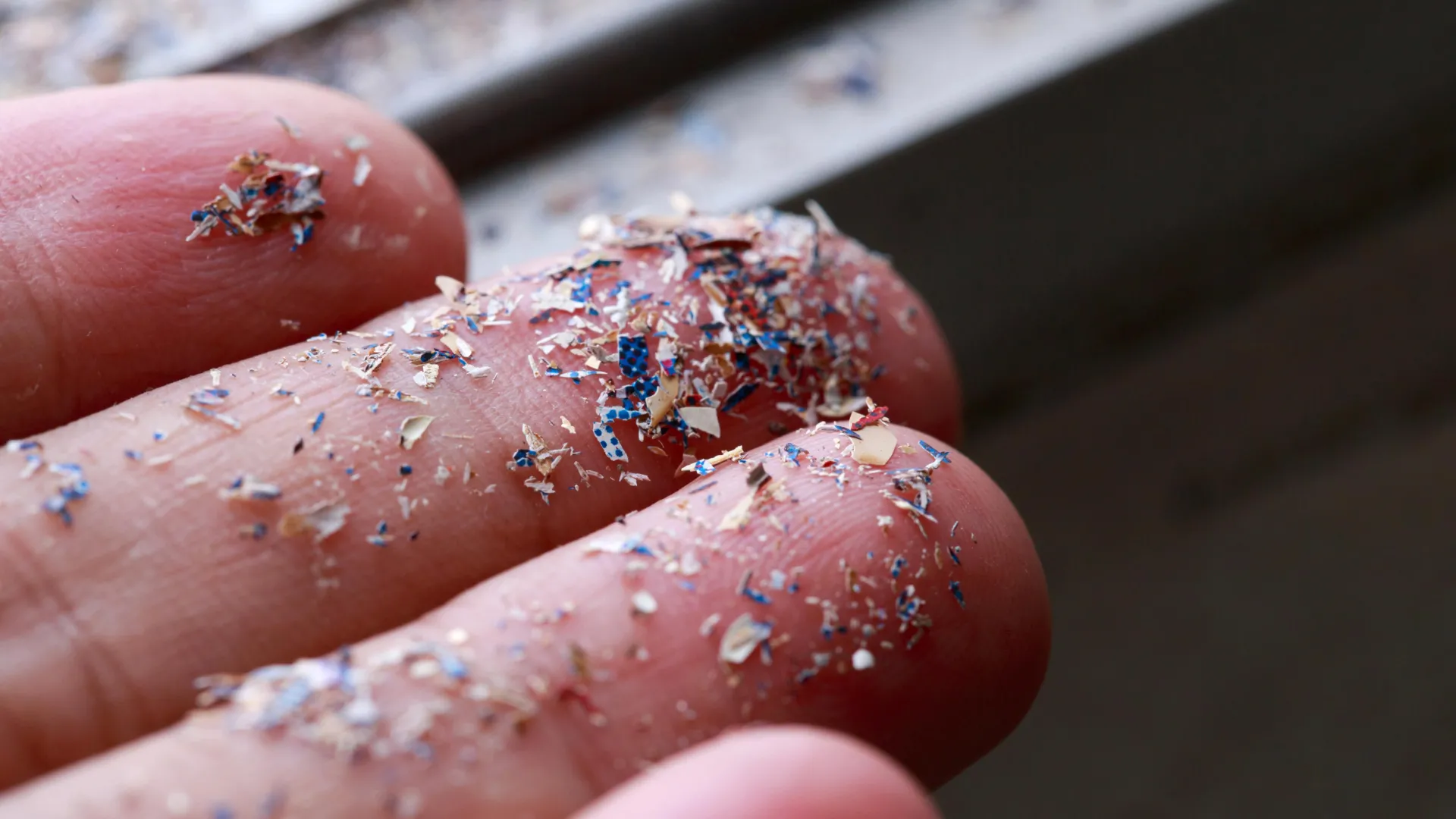
A new study has unveiled the alarming presence of tiny plastic particles in nine out of ten men diagnosed with prostate cancer, marking a significant step in understanding potential environmental contributors to the disease. Researchers further discovered that these pervasive microplastics were not only present but also at notably higher concentrations within cancerous tumors compared to adjacent noncancerous prostate tissue. This pioneering research suggests a potential link between microplastic exposure and prostate cancer development, adding a critical new dimension to the global health discourse surrounding plastic pollution.
The investigation, a collaborative effort by NYU Langone Health, including its Perlmutter Cancer Center and Center for the Investigation of Environmental Hazards, embarked on a crucial mission: to explore whether pervasive exposure to microplastics might play a role in the genesis of prostate cancer. This disease, as highlighted by the American Cancer Society, stands as the most common cancer among men in the United States, underscoring the urgency of identifying new risk factors and preventive strategies. The findings, slated for presentation on February 26 at the American Society of Clinical Oncology’s Genitourinary Cancers Symposium, represent the first Western study to meticulously measure microplastic levels within prostate tumors and directly compare them with concentrations in noncancerous prostate tissue.
The Ubiquitous Threat: How Microplastics Infiltrate the Human Body
Microplastics, defined as plastic fragments smaller than five millimeters, are a pervasive byproduct of modern industrial society. They originate from the degradation of larger plastic items, such as single-use packaging, synthetic textiles, and tires, as well as from microbeads intentionally added to cosmetics and personal care products. These microscopic fragments, virtually indestructible, are now an intrinsic part of our environment, contaminating air, water, and soil globally.
The pathways through which microplastics infiltrate the human body are diverse and multifaceted. They can enter through the ingestion of contaminated food and water, including seafood that has consumed plastics, or produce exposed to plastic-laden soil. Inhalation of airborne microplastics, released from clothing, car tires, or industrial emissions, is another significant route, particularly in urban environments. Dermal contact, though less understood, also presents a potential entry point. Once inside the body, these persistent particles embark on a journey through various organ systems, with previous research detecting their presence in nearly every major organ, including the lungs, liver, kidneys, and gut. Alarmingly, microplastics have also been found in bodily fluids like blood and urine, and even in highly protected environments such as the human placenta and breast milk, raising profound concerns about intergenerational exposure. Despite their ubiquitous presence and growing evidence of internal accumulation, the precise mechanisms by which these particles may affect human health remain largely elusive, fueling an urgent scientific quest for answers.
Dissecting the Evidence: Higher Plastic Levels in Cancerous Tissue
The NYU Langone Health research team meticulously examined prostate tissue samples obtained from ten patients who had undergone surgery for gland removal. The results were stark and consistent: plastic particles were identified in a remarkable 90% of the cancerous tumor samples. While also present in benign prostate tissue samples, the detection rate was lower, at 70%. This differential presence alone signaled a potential correlation.
However, the most compelling revelation lay in the concentration disparity. On average, the cancerous tumor samples contained approximately 2.5 times more plastic material than the healthy, noncancerous tissue. Quantitatively, this translated to about 40 micrograms of plastic per gram of cancerous tissue, contrasting sharply with roughly 16 micrograms per gram in the benign samples. This significant difference in concentration provides compelling preliminary evidence that microplastic exposure may indeed be a contributing risk factor for prostate cancer.
Dr. Stacy Loeb, the study’s lead author and a distinguished professor in the NYU Grossman School of Medicine’s Departments of Urology and Population Health, underscored the gravity of these findings. "Our pilot study provides important evidence that microplastic exposure may be a risk factor for prostate cancer," Dr. Loeb stated. She further noted that while earlier research had hinted at possible links between microplastics and other serious conditions such as heart disease and dementia, direct evidence specifically connecting them to prostate cancer had been largely absent until now. This study, therefore, fills a critical void in the scientific literature, paving the way for more targeted investigations into this complex relationship.
Rigorous Methodology: Ensuring Scientific Integrity
Given the pervasive nature of plastic in modern environments, particularly in medical and laboratory settings, the research team implemented extraordinarily rigorous protocols to prevent sample contamination. The analytical process began with a meticulous visual inspection of both tumor and benign tissue samples. Subsequently, specialized instruments were employed to precisely measure the quantity, chemical composition, and structural characteristics of the microplastic particles identified. The team focused its analysis on 12 of the most common plastic molecules, ensuring a comprehensive assessment of prevalent plastic types.
To mitigate the risk of external plastic interference, which could skew results, researchers meticulously replaced standard plastic laboratory tools with alternatives crafted from nonplastic materials such as aluminum, cotton, and glass. Furthermore, all testing procedures were conducted within highly controlled "clean rooms," environments specifically designed and maintained to minimize airborne particulate matter and prevent microplastic contamination during analysis. These stringent precautions underscore the dedication of the research team to ensuring the accuracy and reliability of their groundbreaking findings.
Unraveling the Mechanism: Possible Role of Inflammation in Cancer Development
The implications of these findings extend beyond mere correlation, prompting scientists to explore the potential biological mechanisms at play. Dr. Vittorio Albergamo, the study’s senior author and an assistant professor in the NYU Grossman School of Medicine’s Department of Pediatrics, articulated a profound concern. "By uncovering yet another potential health concern posed by plastic, our findings highlight the need for stricter regulatory measures to limit the public’s exposure to these substances, which are everywhere in the environment," he emphasized.
Dr. Albergamo elaborated on the team’s future research agenda, which includes delving deeper into how microplastics behave once inside the human body and precisely how they might contribute to cancer formation. One leading hypothesis under active consideration centers on the role of inflammation. It is posited that microplastic particles, acting as foreign bodies, could trigger a prolonged immune response within prostate tissue. This chronic inflammation, sustained over time, is a well-established precursor to various cancers. Persistent inflammatory processes can damage healthy cells, induce oxidative stress, and lead to genetic mutations and epigenetic alterations that ultimately drive uncontrolled cell growth and tumor formation. The physical presence of microplastics, their chemical leaching (e.g., plasticizers, flame retardants), or a combination thereof, could initiate and perpetuate this detrimental inflammatory cascade within the prostate gland. Understanding this intricate interplay is crucial for developing targeted interventions and preventive strategies.
Prostate Cancer: A Major Public Health Challenge
The context of this study is framed by the significant public health burden of prostate cancer. According to data from the Centers for Disease Control and Prevention (CDC), approximately one in eight men in the U.S. will receive a prostate cancer diagnosis during their lifetime. For 2023, the American Cancer Society estimated about 288,300 new cases of prostate cancer and about 34,700 deaths from the disease in the United States, making it the second leading cause of cancer death among American men, after lung cancer.
Known risk factors for prostate cancer include increasing age, a family history of the disease, and ethnicity (African American men have a higher incidence and mortality rate). Lifestyle factors such as diet, obesity, and certain environmental exposures have also been implicated. The potential inclusion of microplastic exposure as a novel environmental risk factor adds a critical new dimension to our understanding of this complex disease etiology, underscoring the need for comprehensive environmental health research.
Broader Implications and the Path Forward
The findings from this NYU Langone Health study carry profound implications for public health, environmental policy, and future scientific research. The call for "stricter regulatory measures" from Dr. Albergamo resonates with growing global concerns about plastic pollution. While plastic has revolutionized countless aspects of modern life, its environmental persistence and potential human health impacts demand a reassessment of current production, consumption, and disposal practices. Governments and international bodies may face increased pressure to implement policies that reduce plastic production, promote sustainable alternatives, and improve waste management systems to curb microplastic release into the environment.
From a public health perspective, these findings emphasize the need for greater awareness regarding daily microplastic exposure. While avoiding microplastics entirely may be impossible in the current environment, individuals can adopt practices to minimize exposure, such as choosing unpackaged foods, filtering tap water, avoiding heating food in plastic containers, and opting for natural fiber clothing. However, individual actions alone are insufficient; systemic changes are imperative.
Crucially, the researchers themselves acknowledge the preliminary nature of their pilot study. Dr. Albergamo emphasized that the study involved a relatively small group of patients, and therefore, larger, more extensive studies will be indispensable to confirm these initial findings, establish causality, and elucidate the precise dose-response relationships. Future research will likely focus on identifying specific types of plastics most implicated, understanding their cellular interactions, and exploring genetic predispositions that might influence an individual’s susceptibility to microplastic-induced health effects. The study’s funding by the U.S. Department of Defense further highlights the recognized importance of this area of research, potentially linking environmental contaminants to military personnel health outcomes.
The Research Team and Transparency
The extensive NYU Langone team contributing to this significant study included Leonardo Trasande, MD, MPP; Trevor Johnson, PhD; Fang-Ming Deng, MD, PhD; Mark Strong, DO; David Wise, MD, PhD; José Alemán, MD, PhD; Zixuan Mo, BS; Mariana Rangel Camacho, BS; Nataliya Byrne, BA; Tatiana Sanchez Nolasco, MPH; Adrian Rivera, MPH; William Huang, MD; Herbert Lepor, MD; Wei Phin Tan, MD; and James Wysock, MD. Samir Taneja, MD, from Northwell Health in New York City also played a crucial role in the study’s execution.
In the spirit of scientific transparency, it is noted that several researchers have professional relationships with various entities unrelated to the current study. Dr. Loeb has consulted for pharmaceutical company Astellas, digital health company Savor Health, and men’s health organization Movember, and has received research support from Endo USA Inc. She has also participated in advisory boards for Endo USA, Blue Earth Diagnostics, Pfizer, Sumitomo Pharma, and Doceree. Dr. Wysock has consulted for medical equipment manufacturers Edap — Focal One, and URO-1 Medical. Dr. Wise is a paid consultant for Pfizer, Bayer, K36, OncoC4, AstraZeneca, and Janssen Pharmaceuticals, and serves as an expert witness for Exxon Mobil. NYU Langone Health rigorously manages the terms and conditions of these relationships in strict accordance with its institutional policies and procedures, ensuring that such external activities do not compromise the integrity or objectivity of the research presented.
This groundbreaking study serves as a stark reminder of the intricate and often unforeseen connections between human activities, environmental pollution, and public health. As the scientific community continues to unravel the mysteries of microplastics, the call for proactive measures to safeguard both our planet and our health grows increasingly urgent.
