
 By Suherman Candra Maholtra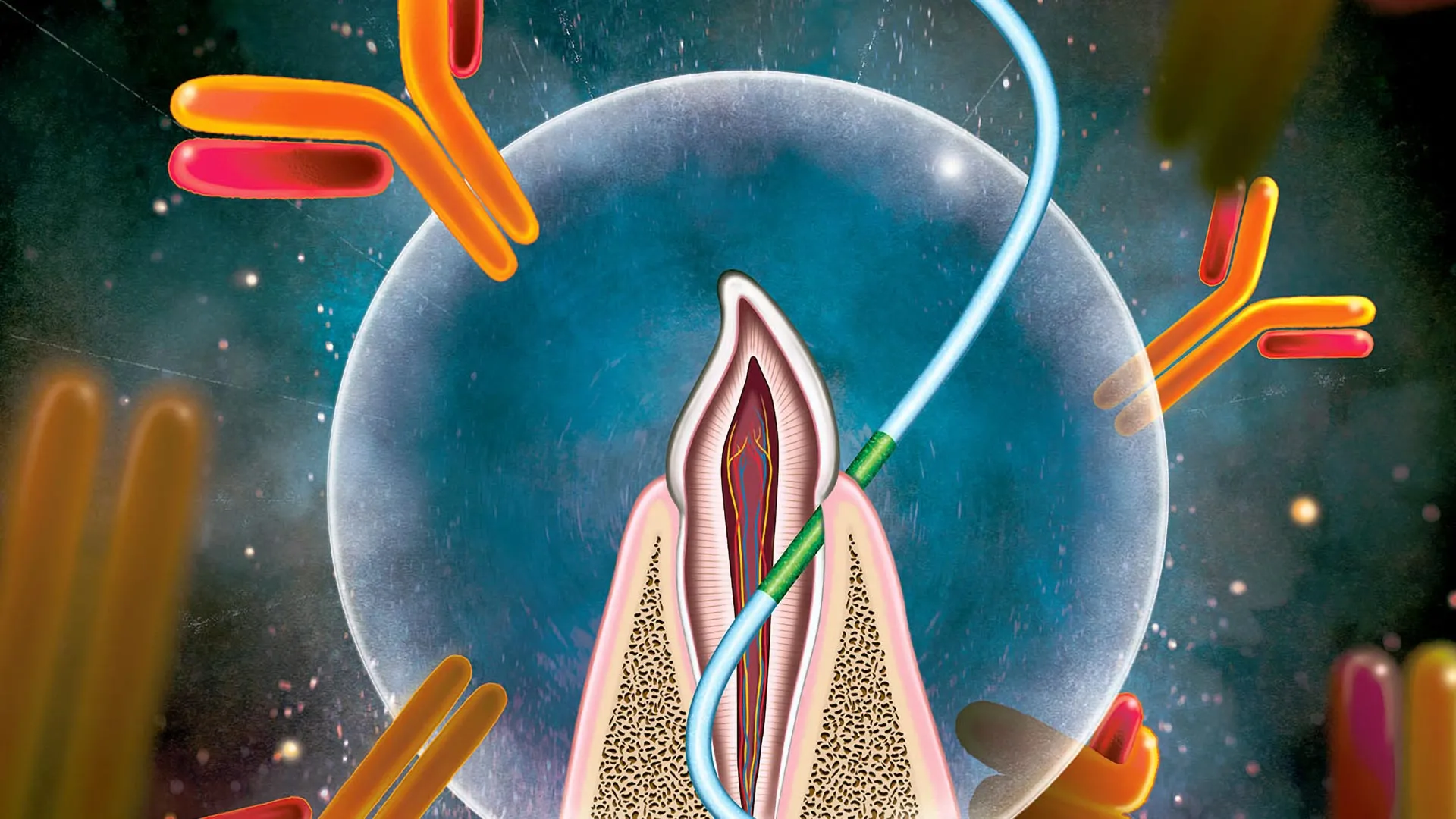
In a significant departure from traditional immunization methods, a multi-institutional research team has successfully demonstrated a novel vaccine delivery system that utilizes dental floss to administer medicine through the specialized tissue located between the teeth and gums. This pioneering approach, detailed in a recent study published in the journal Nature Biomedical Engineering, leverages the unique biological properties of the junctional epithelium to stimulate robust immune responses both in the bloodstream and, crucially, across the body’s mucosal surfaces. As global health authorities continue to seek more effective ways to combat respiratory pathogens such as influenza and SARS-CoV-2, this "floss-based" delivery method presents a potentially transformative tool for public health.
The Science of Mucosal Immunity and the Junctional Epithelium
To understand the significance of this development, it is necessary to examine the mechanics of how the human body defends itself against infection. Most current vaccines are administered via intramuscular injection. While these shots are highly effective at generating systemic immunity—antibodies circulating in the bloodstream—they are often less efficient at producing a high concentration of antibodies on mucosal surfaces. These surfaces, which include the lining of the nose, mouth, and lungs, serve as the primary entry points for many of the world’s most pervasive viruses.
"Mucosal surfaces are important because they are a source of entry for pathogens, such as influenza and COVID," explained Harvinder Singh Gill, the Ronald B. and Cynthia J. McNeill Term Professor in Nanomedicine at North Carolina State University and the study’s corresponding author. Gill noted that when a vaccine is injected, the resulting antibody defense is primarily internal. In contrast, mucosal delivery stimulates a dual-layered defense: antibodies in the blood and a frontline of defense directly at the point of viral entry. This "additional line of antibody defense" can stop a pathogen before it even gains a foothold in the body.
The breakthrough hinges on a specific anatomical feature known as the junctional epithelium. While most epithelial tissues—the layers of cells lining our internal and external surfaces—act as rigid barriers to keep contaminants out of the bloodstream, the junctional epithelium is remarkably permeable. Located at the base of the pocket between the tooth and the gum (the gingival sulcus), this thin layer of tissue is designed by nature to allow immune cells to pass through to fight oral bacteria. The researchers identified this "weak point" in the body’s barrier as a strategic entry point for vaccine molecules.
Methodology: From Laboratory Mice to Human Feasibility
The research team, which included scientists from North Carolina State University, Texas Tech University, and Emory University, conducted a series of rigorous experiments to test the viability of this delivery route. Initially, the researchers utilized lab mice to compare the effectiveness of the floss-based method against existing mucosal delivery standards.
The researchers applied a peptide-based flu vaccine to unwaxed dental floss and used it to treat the mice’s teeth. This group was compared against two other cohorts: one that received the vaccine via the nasal cavity (intranasal) and another that received it under the tongue (sublingual). The results were definitive. The flossing technique produced a "far superior" antibody response on mucosal surfaces compared to the sublingual method, which is currently considered the gold standard for oral mucosal vaccination. Furthermore, the flossing method provided protection against the flu virus that was comparable to intranasal delivery, which is widely regarded as the most effective route for respiratory immunity.
The study did not stop at peptide vaccines. To ensure the versatility of the delivery method, the team tested three other major classes of vaccines: proteins, inactivated viruses, and mRNA. Across all categories, the junctional epithelium delivery technique successfully induced strong antibody responses both systemically and mucosally. Notably, the researchers also found that the consumption of food or water immediately after the "flossing" did not diminish the immune response, suggesting the method is resilient to the typical environment of the human mouth.
Addressing the Practicality Gap: The Floss Pick Study
Recognizing that manual flossing with vaccine-coated string might be difficult for the general public to perform accurately, the team moved toward a more user-friendly interface: the floss pick. These common dental tools, featuring a handle and a pre-strung piece of floss, offer better control and reach.
To test whether humans could effectively target the junctional epithelium themselves, the researchers recruited 27 study participants. Instead of a live vaccine, the floss on the picks was coated with a fluorescent food dye. Participants were given basic instructions on how to reach the gum pocket and were then asked to use the pick. Upon examination, the researchers found that approximately 60% of the dye had been successfully deposited into the gingival sulcus.
Rohan Ingrole, the study’s first author and a former Ph.D. student under Gill, noted that this 60% success rate in a first-time trial is highly encouraging. It suggests that with minimal refinement or instruction, a floss pick could serve as a reliable medical device for self-administration of vaccines.
Safety Advantages and Comparative Analysis
One of the most compelling arguments for the floss-based method is its safety profile compared to nasal sprays. While intranasal vaccines like FluMist are effective at generating mucosal immunity, they face significant regulatory and biological hurdles.
"Most vaccine formulations cannot be given via the nasal epithelium because the barrier features in that mucosal surface prevent efficient uptake," Gill stated. More importantly, there are persistent safety concerns regarding intranasal delivery due to the proximity of the nasal cavity to the brain. There is a theoretical and, in some cases, observed risk of vaccine components or delivery vehicles traveling through the olfactory bulb into the central nervous system.
The junctional epithelium offers a safer alternative. Because it is located in the mouth, there is no direct pathway to the brain, yet it provides the same high-level mucosal stimulation found in nasal delivery. This makes it a "best-case scenario" for researchers looking to maximize efficacy without compromising safety.
Broader Implications and Public Health Impact
The implications of a needle-free, floss-based vaccine are vast, particularly in the context of global health and vaccine hesitancy. Needle phobia is a documented barrier to healthcare, affecting an estimated 25% of adults and a much higher percentage of children. By moving the vaccination process from a syringe to a common dental tool, healthcare providers could significantly increase uptake rates.
Furthermore, the ease of administration could revolutionize how vaccines are distributed during a pandemic. If a vaccine could be self-administered via a floss pick, the need for large-scale "jab clinics" and trained medical personnel to perform injections would decrease, alleviating pressure on healthcare infrastructure.
From an economic perspective, the researchers believe the technique would be cost-competitive with current methods. "We think this technique should be comparable in price to other vaccine delivery techniques," Gill noted. However, he acknowledged that several hurdles remain before the method can reach the clinical trial stage.
Chronology of Development and Future Research
The research represents years of collaboration, primarily funded by the National Institutes of Health (NIH) and supported by Texas Tech University. The intellectual property is already being secured; Gill, Ingrole, and co-author Akhilesh Kumar Shakya are listed as co-inventors on a patent related to targeting the junctional epithelium for vaccination.
The timeline for the next steps involves more extensive animal testing to refine dosages and then moving toward human clinical trials. Key questions remain regarding how the method will perform in diverse populations. For instance, the technique is currently not viable for infants or toddlers who have not yet developed teeth. Additionally, the team must investigate how periodontal disease or other oral infections might affect the permeability of the tissue or the overall immune response.
"We would need to know more about how or whether this approach would work for people who have gum disease," Gill cautioned, pointing to the next phase of their investigative roadmap.
Conclusion
The study, "Floss-based vaccination targets the gingival sulcus for mucosal and systemic immunization," marks a potential paradigm shift in immunology. By turning an everyday hygiene habit into a sophisticated medical delivery system, the researchers have opened a new front in the battle against infectious diseases. While the journey from a mouse model to a local pharmacy is long, the initial data provides a robust foundation for a future where the next flu shot might not be a shot at all, but a simple flick of a floss pick.
