
 By Gabriel Paijo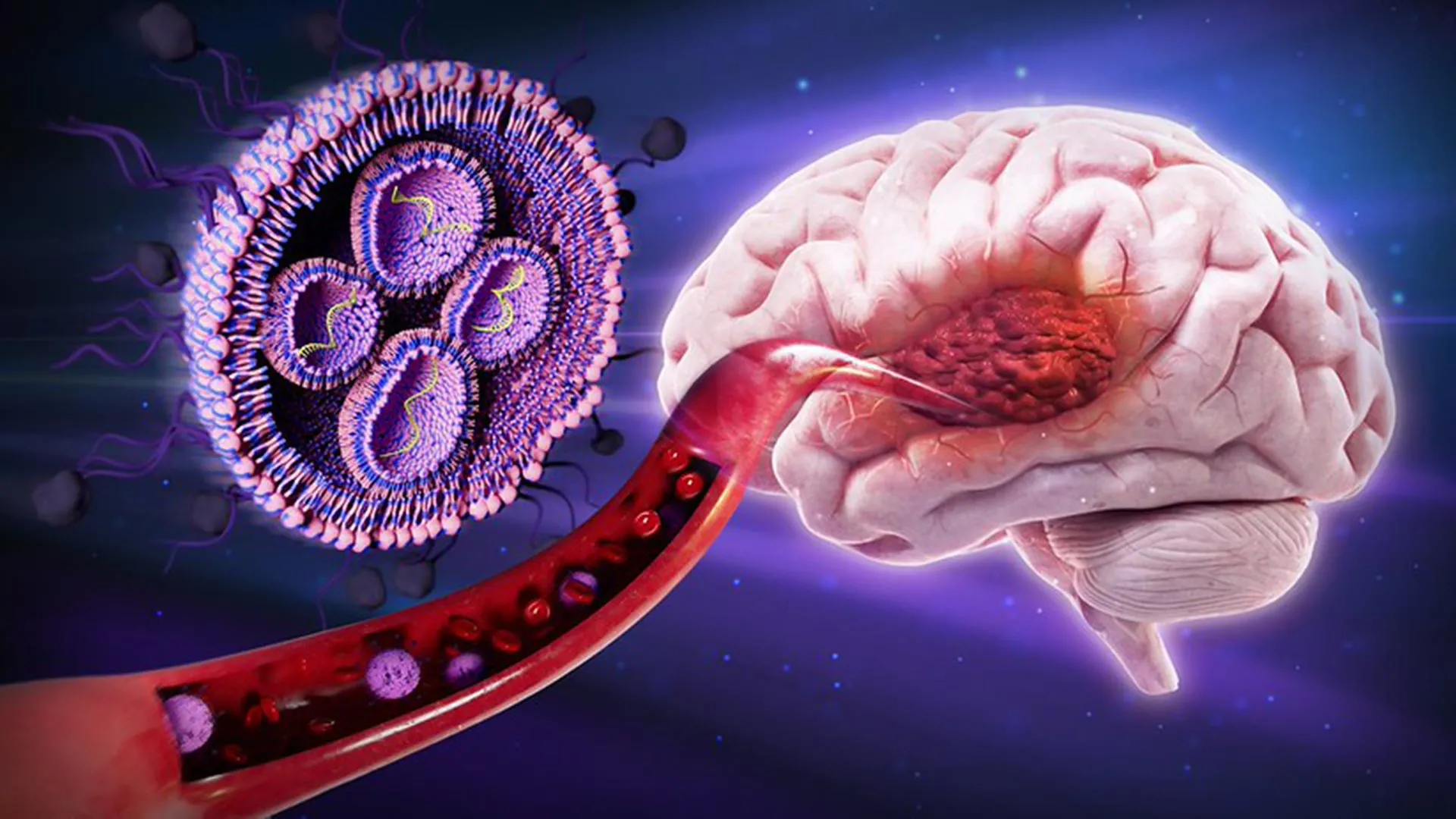
Researchers at Oregon State University have announced a significant breakthrough in the field of neuro-oncology, developing an experimental delivery system that utilizes sugar-coated nanoparticles to combat glioblastoma, the most aggressive and lethal form of primary brain cancer. Led by a multidisciplinary team from the OSU College of Pharmacy, the study addresses the two most formidable obstacles in treating intracranial malignancies: the physiological safeguard known as the blood-brain barrier and the difficulty of targeting malignant cells without damaging healthy neural tissue. By leveraging the metabolic hunger of cancer cells, the team has successfully demonstrated a method to "smuggle" tumor-suppressing genetic material directly into the heart of the disease, resulting in a 50% increase in survival time in preclinical models.
The Biological Challenge of Glioblastoma
Glioblastoma multiforme (GBM) remains one of the most daunting challenges in modern medicine. Characterized by rapid cellular proliferation and an infiltrative growth pattern, it is a disease that effectively evades the body’s natural defenses and traditional medical interventions. In the United States, the incidence rate stands at approximately 3.19 cases per 100,000 people. Despite decades of research into surgical techniques, localized radiation, and systemic chemotherapy, the prognosis for patients remains grim. Fewer than 30% of patients survive for two years following their initial diagnosis, and the five-year survival rate is a staggering 5%.
The primary reason for this high mortality rate is the blood-brain barrier (BBB). The BBB is a highly selective semipermeable border of endothelial cells that prevents solutes in the circulating blood from non-selectively crossing into the extracellular fluid of the central nervous system. While this barrier is essential for protecting the brain from toxins and pathogens, it also serves as a nearly impenetrable wall for most therapeutic agents. Furthermore, even when drugs do manage to penetrate the brain, they often lack the specificity required to distinguish between a glioblastoma cell and a healthy neuron, leading to severe neurotoxicity and systemic side effects.
Engineering a Molecular Trojan Horse
The research team, spearheaded by Oleh Taratula, Olena Taratula, and Yoon Tae Goo, turned to nanotechnology to solve these twin problems. Their innovation lies in the design of lipid nanoparticles (LNPs)—microscopic fatty spheres—that serve as transport vehicles for therapeutic cargo. However, the true "innovation," as noted by the researchers, is the specialized coating applied to these particles.
The team utilized mannose, a simple sugar closely related to glucose. Glucose is the primary energy source for the brain, and because the brain has such high energy demands, it utilizes specialized transport proteins called GLUT1 to pull glucose across the blood-brain barrier. The researchers discovered that by densely coating their nanoparticles with mannose, they could "trick" the GLUT1 transporters into recognizing the particles as glucose molecules.
According to Oleh Taratula, the competition for the attention of these transporters is fierce. "Blood contains relatively high concentrations of glucose, and that’s what the nanoparticles are competing against for GLUT1’s attention," he explained. To overcome this, the team developed a chemical process to bond mannose to cholesterol, a structural component of the nanoparticle. This method allowed them to increase the density of the sugar coating sixfold compared to previous attempts, providing the particles with the "priority access" needed to cross the BBB effectively.
Exploiting Cancer’s Metabolic Vulnerability
Once the nanoparticles successfully navigate the blood-brain barrier, they face the second challenge: finding the tumor. Glioblastoma cells are notoriously metabolically active, a phenomenon often associated with the Warburg Effect, where cancer cells consume vast amounts of nutrients to fuel their rapid growth.
Olena Taratula noted that glioblastoma is "metabolically reprogrammed," expressing GLUT1 transporters at levels three times higher than normal brain tissue. This creates a natural concentration gradient. The sugar-coated nanoparticles, designed to seek out GLUT1, naturally accumulate in the tumor tissue at much higher concentrations than in healthy regions of the brain. This dual-targeting mechanism—first for the BBB and then for the tumor—significantly reduces the risk of "off-target" effects, ensuring that the treatment is delivered precisely where it is needed most.
Restoring the Genetic Brakes: The Role of PTEN and mRNA
The cargo carried by these nanoparticles is just as innovative as the delivery vehicle. The researchers loaded the particles with messenger RNA (mRNA) designed to trigger the production of PTEN (Phosphatase and tensin homolog).
In a healthy body, PTEN acts as a critical tumor suppressor. It serves as a biological "brake," regulating the cell cycle and preventing cells from growing and dividing too rapidly. In the vast majority of glioblastoma cases, the PTEN gene is either mutated, deleted, or silenced, effectively "cutting the brakes" and allowing the cancer to proliferate unchecked.
By delivering mRNA that encodes for the PTEN protein, the OSU researchers are essentially providing the cancer cells with the instructions they need to rebuild their own internal regulatory systems. To ensure the fragile mRNA remained intact during transit, the team incorporated a positively charged cholesterol derivative within the nanoparticle, which created a secure electrostatic bond with the negatively charged genetic material. Once the particles are internalized by the tumor cells, the mRNA is released, the PTEN protein is produced, and the cell’s growth-control mechanisms are reinstated.
Quantitative Results and Preclinical Success
The efficacy of this strategy was tested in a mouse model of glioblastoma, with findings published in the Journal of Controlled Release. The results provided a compelling proof of concept for the "sugar-coating" strategy.
- Survival Rates: Mice treated with the mannose-coated, PTEN-encoding nanoparticles saw a 50% increase in median survival time compared to control groups receiving standard treatments or non-targeted nanoparticles.
- Tumor Regression: Imaging and histological analysis revealed significant tumor shrinkage across the subjects. The restoration of PTEN expression was confirmed to correlate directly with reduced tumor volume.
- Safety Profile: One of the most promising aspects of the study was the lack of organ toxicity. Despite repeated dosing, the researchers found no measurable damage to the liver, kidneys, or healthy brain tissue, suggesting that the targeting mechanism is highly specific.
Chronology of Development and Research Support
The development of this technology is the result of several years of iterative research at the Oregon State University College of Pharmacy. The timeline of the project reflects the evolving landscape of genetic medicine:
- Phase 1: Target Identification: Identifying the lack of PTEN as a primary driver of glioblastoma resistance.
- Phase 2: Nanoparticle Synthesis: Early experiments with lipid nanoparticles, originally inspired by the delivery mechanisms used in modern mRNA vaccines.
- Phase 3: Surface Engineering: The discovery that mannose-cholesterol bonding could drastically increase surface density, overcoming the "glucose competition" problem.
- Phase 4: In Vivo Testing: Validating the system in animal models to determine survival metrics and toxicity.
This research was a collaborative effort, with contributions from Vincent Cataldi, Vladislav Grigoriev, Neera Yadav, Tetiana Korzun, Chao Wang, and Adam Alani. The project received significant financial backing from the National Cancer Institute (NCI) of the National Institutes of Health, the Eunice Kennedy Shriver National Institute of Child Health and Human Development, and the National Research Foundation of Korea.
Broader Implications and Future Outlook
The implications of this study extend beyond glioblastoma. The ability to reliably cross the blood-brain barrier using a non-invasive, nutrient-mimicking approach opens the door for treating a variety of central nervous system disorders. Diseases such as Alzheimer’s, Parkinson’s, and various genetic brain disorders could potentially be treated using similar nanoparticle delivery systems to transport proteins, gene-editing tools, or traditional pharmaceuticals.
However, the researchers caution that while the results in mice are extraordinary, the transition to human clinical trials involves rigorous regulatory hurdles. The human blood-brain barrier is more complex than that of a mouse, and the sheer size of the human brain presents different diffusion challenges.
The next steps for the OSU team include optimizing the nanoparticle formulation for larger-scale production and conducting further safety studies. If successful in subsequent phases, this sugar-coated "Trojan horse" could represent the first major shift in glioblastoma treatment protocols in nearly two decades.
Conclusion
Glioblastoma has long been considered a "death sentence" due to its aggressive nature and the biological barriers that protect it. The work of Oleh Taratula, Olena Taratula, and their colleagues at Oregon State University offers a sophisticated, biology-driven solution to these age-old problems. By utilizing the very mechanisms the tumor uses to grow—its hunger for sugar—the researchers have found a way to deliver a genetic "kill switch" that could one day transform the standard of care for brain cancer patients worldwide. As the medical community moves closer to personalized genetic medicine, this nanoparticle strategy stands as a testament to the power of interdisciplinary innovation in the fight against the world’s most difficult diseases.
