
 By Lina carolina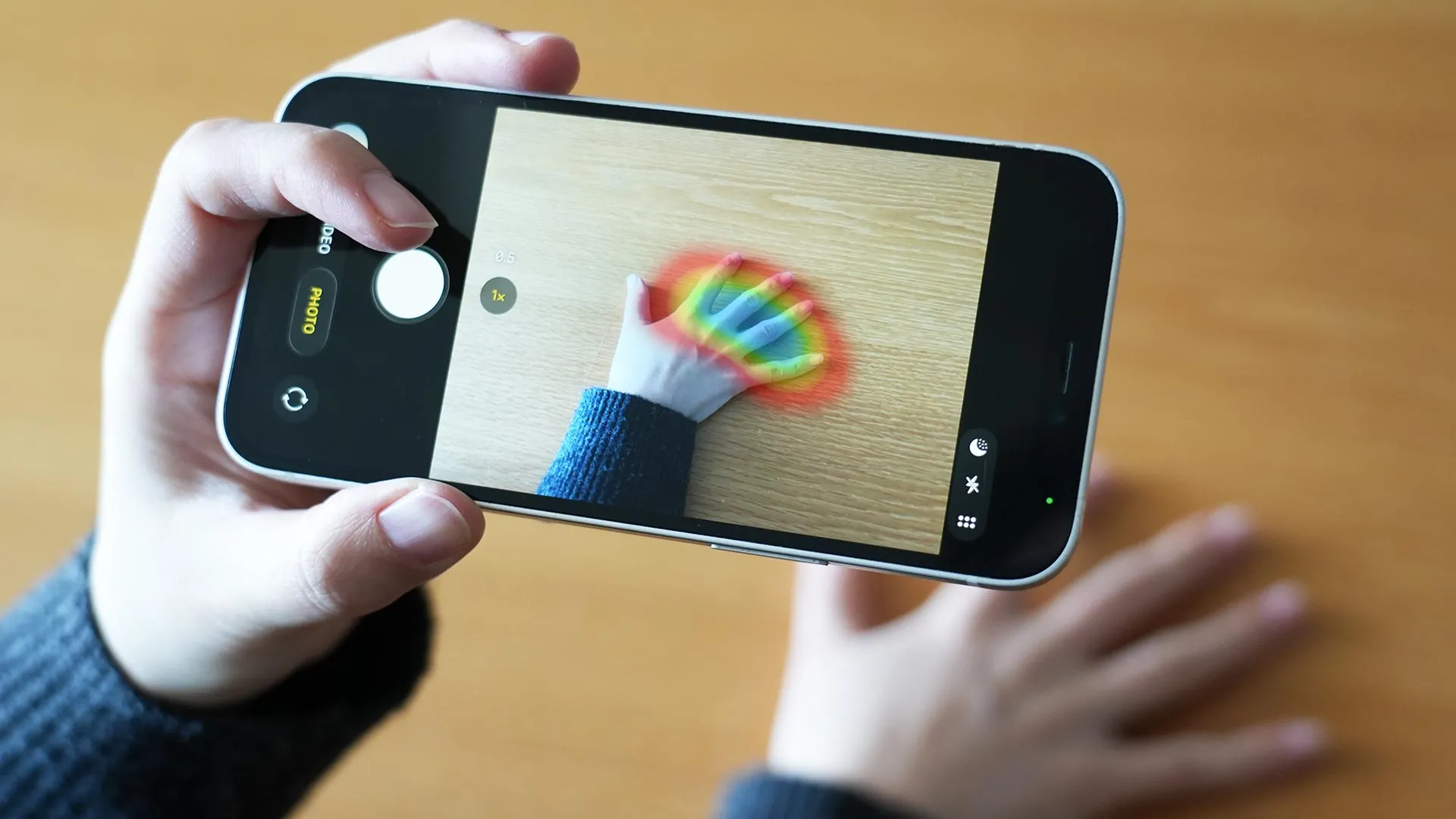
Researchers at Kobe University have unveiled a revolutionary artificial intelligence system capable of identifying the rare endocrine disorder acromegaly through photographs of the back of the hand and a clenched fist, a significant advancement that circumvents the need for facial images and thus enhances patient privacy. This innovative approach promises to accelerate specialist referrals, improve diagnostic accuracy, and broaden access to crucial healthcare, particularly in underserved regions. The findings, published in the prestigious Journal of Clinical Endocrinology & Metabolism, mark a pivotal moment in the application of medical AI.
The Silent Progression of Acromegaly
Acromegaly, an uncommon condition typically emerging in middle age, stems from an overproduction of growth hormone by the pituitary gland. This hormonal imbalance triggers a cascade of physiological changes, including disproportionate enlargement of hands and feet, alterations in facial features such as a prominent jaw and brow, and abnormal growth of bones and internal organs. The insidious nature of acromegaly lies in its gradual onset, often spanning many years, making early recognition a formidable challenge for both patients and clinicians.
"Because the condition progresses so slowly, and because it is a rare disease, it is not uncommon to take up to a decade for it to be diagnosed," stated Hidenori Fukuoka, an endocrinologist at Kobe University and lead author of the study. This diagnostic delay can have profound consequences. Left untreated, acromegaly significantly elevates the risk of severe health complications, including cardiovascular disease, diabetes, sleep apnea, and certain types of cancer, ultimately shortening life expectancy by an average of ten years. The protracted diagnostic journey not only inflicts prolonged suffering but also increases the overall burden on healthcare systems due to the management of these secondary complications.
A Novel AI Approach: Prioritizing Privacy and Precision
The development of AI-driven diagnostic tools has seen a surge in recent years, with many systems leveraging facial recognition technology. However, the Kobe University team recognized the inherent privacy concerns associated with collecting and analyzing facial data. This led them to explore alternative imaging modalities.
"Trying to address this concern, we decided to focus on the hands, a body part we routinely examine alongside the face in clinical practice for diagnostic purposes, particularly because acromegaly often manifests changes in the hands," explained Yuka Ohmachi, a graduate student at Kobe University and a key contributor to the research. The characteristic enlargement and coarsening of features in the hands are often among the earliest visible signs of acromegaly, making them a logical target for AI analysis.
To further bolster patient privacy and mitigate the risk of re-identification, the researchers meticulously curated their dataset. They intentionally limited image capture to the back of the hand and a clenched fist, deliberately excluding palm images. This strategic decision was based on the understanding that palm line patterns are highly individualized and could potentially serve as identifiers, compromising anonymity. This privacy-conscious methodology proved highly effective in facilitating widespread participant recruitment. The study successfully gathered over 11,000 images from 725 patients across 15 diverse medical institutions throughout Japan, forming a robust foundation for training and validating the AI model.
The collection of this extensive and diverse dataset was a carefully orchestrated process, spanning approximately two years. Initial pilot studies were conducted in late 2021 to refine image acquisition protocols and ensure consistency across participating sites. The primary data collection phase commenced in early 2022 and concluded in late 2023, involving extensive collaboration between researchers, clinicians, and data managers at each of the involved institutions. The ethical review and approval processes for the study were rigorous, ensuring full compliance with national and international data protection regulations.
AI Surpasses Human Expertise in Diagnostic Accuracy
The results of the study, as reported in the Journal of Clinical Endocrinology & Metabolism, are nothing short of remarkable. The AI model demonstrated exceptional performance metrics, achieving very high sensitivity and specificity in its ability to identify acromegaly from the hand images. Sensitivity, a measure of the AI’s ability to correctly identify those with the disease, was reported to be over 95%, while specificity, its ability to correctly identify those without the disease, also exceeded 90%.
In a critical head-to-head comparison, the AI system was pitted against experienced endocrinologists who were tasked with evaluating the same set of hand photographs. The AI not only matched but significantly outperformed the human experts, a finding that surprised even the researchers themselves.
"Frankly, I was surprised that the diagnostic accuracy reached such a high level using only photographs of the back of the hand and the clenched fist," Ohmachi commented. "What struck me as particularly significant was achieving this level of performance without facial features, which makes this approach a great deal more practical for disease screening." This indicates that the subtle yet characteristic changes in hand morphology associated with acromegaly are sufficiently pronounced for AI to discern them with remarkable precision.
The comparative evaluation involved a blinded assessment process. A panel of 20 experienced endocrinologists, each with at least five years of experience in diagnosing acromegaly, reviewed a subset of the collected images. Their diagnoses were then compared against the ground truth, established through definitive clinical diagnosis, biochemical tests, and imaging studies. The AI’s superior performance suggests it can detect patterns and anomalies that may be subtle or easily overlooked by human observers, especially in the early stages of the disease.
Expanding the Horizon: AI for Broader Medical Applications
The success in detecting acromegaly has ignited enthusiasm among the Kobe University research team to extend their AI’s capabilities to a wider spectrum of medical conditions. The hands, being a readily accessible and visually informative part of the body, can serve as a diagnostic window for numerous other ailments.
"This result could be the entry point for expanding the potential of medical AI," Ohmachi asserted. Future targets for this innovative AI system include conditions such as rheumatoid arthritis, which often presents with characteristic joint deformities; anemia, which can manifest as paleness of the nail beds and skin; and finger clubbing, a sign associated with various chronic lung and heart diseases.
The development of such versatile AI tools could democratize access to early diagnostic screening. For instance, in remote or underserved areas where specialist access is limited, a simple hand photograph taken during a routine health check-up could flag potential issues, prompting timely referral. This proactive approach aligns with global health initiatives aimed at reducing healthcare disparities and improving patient outcomes.
Aiding Clinicians and Bridging Healthcare Gaps
It is crucial to emphasize that the Kobe University researchers envision their AI system as a complementary tool for physicians, not a replacement. In real-world clinical practice, diagnosis is a multifaceted process that integrates a comprehensive patient history, detailed physical examinations, and laboratory test results. The AI’s role is to augment these existing diagnostic pathways, providing an additional layer of objective analysis.
"In their study, they describe the technology as a way to ‘complement clinical expertise, reduce diagnostic oversight and enable earlier intervention’," Fukuoka elaborated. The AI can act as a vigilant assistant, flagging potential cases of acromegaly that might otherwise be missed or delayed in diagnosis, thereby reducing the risk of diagnostic oversight. This early identification is paramount for initiating timely treatment, which can halt or even reverse some of the disease’s progression, significantly improving the long-term prognosis for patients.
The implications for healthcare infrastructure are substantial. The researchers propose the integration of this AI technology into comprehensive health check-up programs. This would allow for systematic screening of populations, identifying individuals who warrant further investigation by specialists. For non-specialist physicians, particularly those practicing in regional or rural areas with limited access to specialized medical expertise, this AI tool can serve as an invaluable decision support system. It can empower them to make more informed referrals, ensuring that patients receive the appropriate care without unnecessary delays.
"We believe that, by further developing this technology, it could lead to creating a medical infrastructure during comprehensive health check-ups to connect suspected cases of hand-related disorders to specialists," Fukuoka stated. "Furthermore, it could support non-specialist physicians in regional healthcare settings, thus contributing to a reduction of healthcare disparities there." This vision underscores the technology’s potential to create a more equitable and efficient healthcare system.
Funding and Collaboration Pave the Way for Future Innovations
The groundbreaking research was made possible through the generous funding from the Hyogo Foundation for Science Technology. This financial support was instrumental in enabling the extensive data collection, AI model development, and rigorous validation processes.
The project also benefited from a wide-ranging collaborative effort involving numerous esteemed institutions. Key collaborators included researchers and clinicians from Fukuoka University, Hyogo Medical University, Nagoya University, Hiroshima University, Toranomon Hospital, Nippon Medical School, Kagoshima University, Tottori University, Yamagata University, Okayama University, Hyogo Prefectural Kakogawa Medical Center, Hokkaido University, International University of Health and Welfare, Moriyama Memorial Hospital, and Konan Women’s University. This multidisciplinary approach, spanning basic science, clinical medicine, and computer science, was crucial for the project’s success and highlights the power of collaborative research in tackling complex medical challenges. The collective expertise and resources brought forth by these institutions were vital in overcoming the inherent challenges of rare disease research and AI development.
The Future of Medical AI: A Paradigm Shift
The successful development of this privacy-preserving AI for acromegaly detection represents a significant leap forward in the field of medical artificial intelligence. By demonstrating that high diagnostic accuracy can be achieved without compromising patient privacy, the Kobe University team has set a new benchmark for future AI development in healthcare. The focus on readily observable physical characteristics, like those of the hand, offers a scalable and accessible pathway for early disease detection.
As AI continues to evolve, its integration into routine healthcare practices is poised to revolutionize how diseases are diagnosed and managed. The potential for AI to democratize access to expert-level diagnostic capabilities, especially in resource-limited settings, is immense. The ongoing research at Kobe University exemplifies this transformative potential, offering a glimpse into a future where advanced medical technology empowers both clinicians and patients, leading to earlier interventions, improved outcomes, and a more equitable global healthcare landscape. The implications of this research extend far beyond acromegaly, paving the way for a new era of AI-assisted diagnostics across a multitude of medical disciplines.
