
 By Gilang Cahya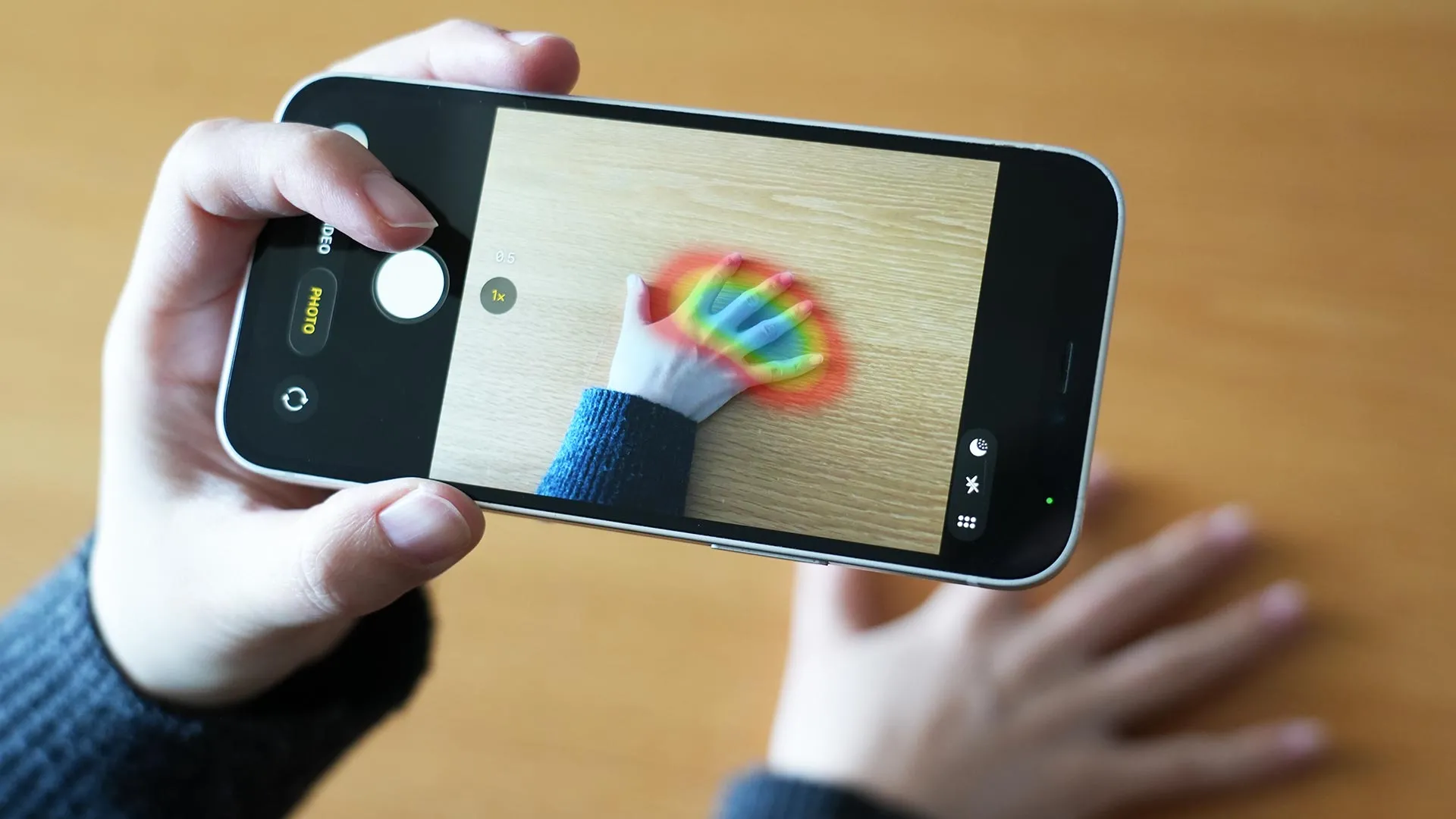
Groundbreaking AI System Achieves High Diagnostic Accuracy for Rare Endocrine Disorder, Prioritizing Patient Privacy
Kobe, Japan – In a significant advancement for medical diagnostics, researchers at Kobe University have unveiled an artificial intelligence system capable of identifying acromegaly, a rare and often insidious endocrine disease, through the examination of photographs of the back of the hand and a clenched fist. This innovative approach bypasses the need for facial images, thereby safeguarding patient privacy while achieving remarkable diagnostic accuracy, according to findings published in the prestigious Journal of Clinical Endocrinology & Metabolism. The development holds immense potential for accelerating specialist referrals, improving access to timely care, particularly in underserved regions, and potentially serving as a foundational technology for broader medical AI applications.
Acromegaly, a condition typically emerging in middle age, stems from the overproduction of growth hormone by the pituitary gland. This hormonal imbalance triggers a cascade of physiological changes, including the gradual enlargement of extremities such as hands and feet, alterations in facial structure, and abnormal growth of bones and internal organs. The insidious nature of acromegaly lies in its slow progression, often spanning many years, which can make early recognition a considerable challenge for both patients and clinicians.
The diagnostic delay associated with acromegaly can have severe consequences. If left untreated, the disease can lead to a host of serious health complications, including cardiovascular issues, diabetes, joint problems, and an increased risk of certain cancers. Tragically, it can also shorten life expectancy by approximately a decade. Endocrinologists like Dr. Hidenori Fukuoka, a lead researcher on the Kobe University project, highlight the urgency of early detection. "Because the condition progresses so slowly, and because it is a rare disease, it is not uncommon to take up to a decade for it to be diagnosed," Dr. Fukuoka stated. He further noted the persistent efforts to leverage artificial intelligence for early detection, acknowledging that previous attempts, while promising, had not yet been integrated into routine clinical practice.
A Privacy-Centric AI Revolution in Diagnostics
The impetus for the Kobe University team’s novel approach stemmed from a comprehensive review of existing AI diagnostic systems. A recurring theme in prior research was the reliance on facial imagery. While effective for identifying certain conditions, this methodology often raises significant privacy concerns among patients, a barrier that can hinder widespread adoption and data collection. Recognizing this critical limitation, the researchers deliberately charted a different course.
Yuka Ohmachi, a graduate student at Kobe University and a key member of the research team, elaborated on their strategic decision. "Trying to address this concern, we decided to focus on the hands, a body part we routinely examine alongside the face in clinical practice for diagnostic purposes, particularly because acromegaly often manifests changes in the hands," Ohmachi explained. The hands, often bearing subtle yet characteristic signs of acromegaly such as enlarged fingers and thickening of the skin, presented a viable and less intrusive alternative.
To further bolster privacy protections and encourage broader participation, the research team meticulously restricted the scope of their photographic data to the dorsal (back) of the hand and a clenched fist. This deliberate exclusion of palm images was crucial. Palm line patterns are highly individualized and can potentially reveal a person’s identity, posing a significant privacy risk. By focusing on these specific anatomical areas, the researchers were able to create a dataset that was both diagnostically relevant and ethically sound, facilitating the recruitment of a substantial cohort of participants.
The project successfully enlisted 725 patients from 15 diverse medical institutions across Japan. These individuals contributed over 11,000 images, meticulously captured and curated, which served as the bedrock for training and rigorously testing the AI model. This extensive and diverse dataset is a testament to the successful navigation of privacy concerns, enabling the development of a robust and generalizable AI system.
AI Surpasses Human Expertise in Acromegaly Detection
The culmination of this rigorous research was presented in a groundbreaking paper in the Journal of Clinical Endocrinology & Metabolism. The study detailed the performance of the AI model, which demonstrated exceptionally high levels of sensitivity and specificity in identifying acromegaly from the captured hand images. Sensitivity refers to the AI’s ability to correctly identify individuals who have the disease, while specificity measures its ability to correctly identify those who do not.
Remarkably, in direct comparative analyses, the AI system not only met but surpassed the diagnostic accuracy of experienced endocrinologists who were presented with the same set of photographs. This finding is particularly significant, underscoring the potential of AI to augment, and in some instances even refine, human diagnostic capabilities.
"Frankly, I was surprised that the diagnostic accuracy reached such a high level using only photographs of the back of the hand and the clenched fist," Ohmachi remarked. "What struck me as particularly significant was achieving this level of performance without facial features, which makes this approach a great deal more practical for disease screening." The implication is that this AI could be deployed in settings where direct physical examination by a specialist is not immediately available, acting as an effective preliminary screening tool.
The timeline of the research can be traced back several years, with initial conceptualization and data collection phases commencing in the early 2020s. The meticulous process of image acquisition, annotation, and AI model development required extensive collaboration between clinicians and AI engineers. The successful validation of the model against human expert performance marks a critical milestone in this multi-year endeavor.
Expanding the Horizon of Medical AI
The success achieved with acromegaly has ignited optimism within the research community for the broader applicability of this privacy-preserving AI methodology. The Kobe University team is already exploring avenues to adapt their system for the detection of a range of other medical conditions that manifest observable changes in the hands. Potential targets include rheumatoid arthritis, characterized by joint swelling and deformities; anemia, which can cause paleness and changes in nail appearance; and finger clubbing, a condition often associated with lung and heart disease.
"This result could be the entry point for expanding the potential of medical AI," Ohmachi asserted, signaling a future where AI-powered visual diagnostics become a cornerstone of preventative healthcare. The implications for early detection of these conditions are profound, potentially averting long-term complications and improving patient prognoses.
Supporting Clinicians and Bridging Healthcare Gaps
It is crucial to contextualize the role of this AI tool within the broader clinical landscape. In actual medical practice, the diagnosis of complex conditions like acromegaly relies on a multifaceted approach that includes detailed patient history, laboratory tests, and comprehensive physical examinations. The Kobe University researchers explicitly envision their AI system as a powerful adjunct to physician expertise, rather than a replacement. Their study frames the technology as a means to "complement clinical expertise, reduce diagnostic oversight and enable earlier intervention."
The potential impact on healthcare delivery, particularly in remote or underserved areas, is substantial. Dr. Fukuoka emphasized this point, stating, "We believe that, by further developing this technology, it could lead to creating a medical infrastructure during comprehensive health check-ups to connect suspected cases of hand-related disorders to specialists. Furthermore, it could support non-specialist physicians in regional healthcare settings, thus contributing to a reduction of healthcare disparities there."
This could manifest as a smartphone application integrated into routine health screenings, allowing general practitioners or nurses to quickly assess hand images and flag potential cases for further investigation by specialists. Such a system could significantly streamline the referral process, reducing wait times and ensuring that patients with acromegaly receive timely diagnosis and treatment. The reduction in diagnostic delays could translate into fewer severe health outcomes and an improved quality of life for affected individuals.
The funding for this pioneering research was provided by the Hyogo Foundation for Science Technology, a testament to the regional commitment to fostering innovation in healthcare. The project also benefited from the collaborative efforts of a wide array of academic and medical institutions, including Fukuoka University, Hyogo Medical University, Nagoya University, Hiroshima University, Toranomon Hospital, Nippon Medical School, Kagoshima University, Tottori University, Yamagata University, Okayama University, Hyogo Prefectural Kakogawa Medical Center, Hokkaido University, International University of Health and Welfare, Moriyama Memorial Hospital, and Konan Women’s University. This extensive network underscores the collaborative spirit driving advancements in medical AI in Japan.
The implications of this research extend beyond acromegaly. The successful implementation of a privacy-preserving AI diagnostic tool for a rare endocrine disorder paves the way for similar applications across a spectrum of diseases. By demonstrating the efficacy of non-facial imagery for diagnostic purposes, the Kobe University team has opened a new frontier in medical AI, one that prioritizes both diagnostic accuracy and patient privacy, ultimately promising to democratize access to specialized medical insights and improve health outcomes globally. The next phase of research will likely involve prospective clinical trials to further validate the AI’s performance in real-world settings and explore its integration into existing healthcare workflows.
