
 By Budi Oetomo Narendra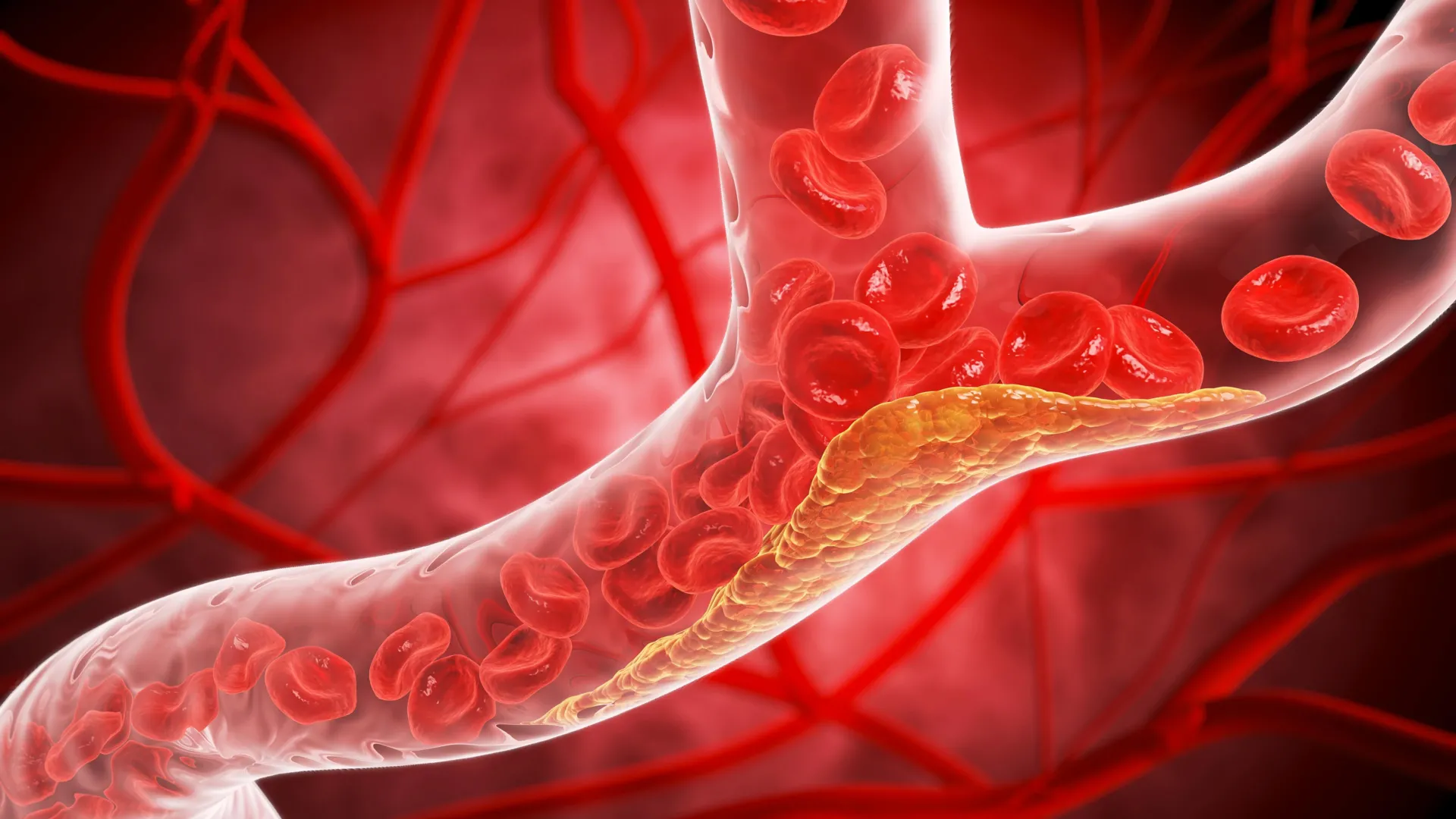
A groundbreaking phase three clinical trial, whose findings were prominently featured in The New England Journal of Medicine, has unveiled an experimental oral pill named enlicitide that demonstrated an unprecedented ability to reduce low-density lipoprotein (LDL) cholesterol—commonly known as "bad" cholesterol—by as much as 60%. This remarkable efficacy, if followed by approval from the Food and Drug Administration (FDA), promises to revolutionize the landscape of cardiovascular disease prevention and management, potentially offering millions of Americans a more accessible and effective means to significantly lower their risk of heart attacks and strokes. The development represents a pivotal moment in the ongoing battle against cardiovascular disease, building upon decades of scientific inquiry and addressing critical unmet needs in patient care.
Addressing a Critical Unmet Need in Cardiovascular Health
The implications of enlicitide’s success extend far beyond mere cholesterol reduction; they speak to a profound public health challenge. Despite significant advancements in lipid-lowering therapies, a substantial portion of patients, particularly those with established atherosclerotic cardiovascular disease (ASCVD), consistently fail to achieve their recommended LDL cholesterol targets. Dr. Ann Marie Navar, M.D., Ph.D., a distinguished cardiologist and Associate Professor of Internal Medicine and in the Peter O’Donnell Jr. School of Public Health at UT Southwestern Medical Center, underscored this critical gap. "Fewer than half of patients with established atherosclerotic cardiovascular disease currently reach LDL cholesterol goals," Dr. Navar, who spearheaded the pivotal study sponsored by pharmaceutical giant Merck & Co. Inc., observed. She emphasized the transformative potential: "An oral therapy this effective has the potential to dramatically improve our ability to prevent heart attacks and strokes on a population level." This statement highlights not only the individual patient benefit but also the broader public health impact of an easily administrable, highly potent treatment.
Cardiovascular disease remains the leading cause of death globally, accounting for an estimated 17.9 million lives each year, according to the World Health Organization. In the United States alone, approximately 805,000 Americans have a heart attack each year, and about 795,000 people experience a stroke, according to the Centers for Disease Control and Prevention (CDC). The economic burden is staggering, with direct and indirect costs of CVD estimated to exceed $363 billion annually in the U.S. These grim statistics underscore the urgent need for more effective, accessible, and patient-friendly interventions, a void that enlicitide appears poised to fill.
The Central Role of LDL Cholesterol in Cardiovascular Disease
For many decades, the scientific community has unequivocally established the central and detrimental role of LDL cholesterol in the pathogenesis of cardiovascular disease. These microscopic lipid particles, when present in elevated concentrations in the bloodstream, are prone to accumulating within the walls of arteries. This insidious process, known as atherosclerosis, leads to the formation of plaque, a hardened mixture of cholesterol, fat, cellular waste products, calcium, and fibrin. Over time, these plaques grow, narrowing the arteries and impeding the smooth flow of blood to vital organs. The consequences can be catastrophic: if a plaque ruptures, it can trigger the formation of a blood clot, completely blocking blood flow and leading to an acute event such as a heart attack (myocardial infarction) if it occurs in the coronary arteries, or a stroke (cerebrovascular accident) if it occurs in the arteries supplying the brain. Given this direct causal link, aggressive reduction of LDL cholesterol has long been a cornerstone strategy, both for preventing the initial onset of heart disease in at-risk individuals and for mitigating further risk in those who have already developed the condition.
A Legacy of Scientific Discovery: From Nobel Prize to Novel Therapies
The journey toward enlicitide is deeply rooted in a rich history of scientific inquiry and groundbreaking discoveries, particularly at institutions like UT Southwestern. This lineage of innovation began in earnest with the seminal work of Michael Brown, M.D., and Joseph Goldstein, M.D. In the 1970s, these visionary researchers identified the LDL receptor on the surface of liver cells, a critical protein responsible for binding and removing LDL cholesterol particles from the bloodstream. Their monumental discovery, which elucidated the fundamental mechanism by which the body regulates cholesterol levels, earned them the Nobel Prize in Physiology or Medicine in 1985. Their work not only revolutionized the understanding of cholesterol metabolism but also directly paved the way for the development of statins.
The Statin Revolution and Its Limitations
Statins, such as atorvastatin (Lipitor), simvastatin (Zocor), and rosuvastatin (Crestor), emerged as a direct consequence of Brown and Goldstein’s findings. These drugs work by inhibiting HMG-CoA reductase, an enzyme critical for cholesterol synthesis in the liver, thereby increasing the number of LDL receptors on liver cells and enhancing LDL clearance from the blood. Since their introduction in the late 1980s, statins have become the most widely prescribed class of cholesterol-lowering drugs globally, saving millions of lives and significantly reducing the incidence of cardiovascular events. They are considered foundational therapy, capable of lowering LDL cholesterol by 20% to 50% depending on the intensity of the dose.
However, despite their undeniable success, statins have limitations. Some patients experience side effects, while others simply cannot achieve their target LDL levels even on high-intensity statin therapy. This "residual risk" spurred further research into alternative pathways.
Unveiling the PCSK9 Pathway: A New Target
The next major breakthrough emerged from the Dallas Heart Study at UT Southwestern, a large, multiethnic population-based study led by Helen Hobbs, M.D., and Jonathan Cohen, Ph.D. Their meticulous genetic research revealed that certain individuals naturally exhibited exceptionally low LDL cholesterol levels due to genetic mutations that resulted in reduced production of a protein called PCSK9 (Proprotein Convertase Subtilisin/Kexin type 9). This discovery was profound: PCSK9 was found to bind to LDL receptors on liver cells, leading to their degradation and thus limiting the liver’s ability to clear LDL cholesterol from the blood. Essentially, PCSK9 acts as a "dimmer switch" for LDL receptors. When PCSK9 levels are high, fewer LDL receptors are available, and LDL cholesterol accumulates in the bloodstream. Conversely, when PCSK9 activity is low, more LDL receptors are available, leading to more efficient LDL clearance and lower LDL levels.
This pivotal insight into the PCSK9 pathway rapidly led to the development of a new class of injectable PCSK9 inhibitors. These included monoclonal antibodies like evolocumab (Repatha) and alirocumab (Praluent), which directly bind to and neutralize PCSK9, preventing it from degrading LDL receptors. Later, RNA-based therapies like inclisiran (Leqvio), which interfere with PCSK9 production at the genetic level, also entered the market. These injectable therapies demonstrated remarkable efficacy, capable of lowering LDL cholesterol by approximately 60%, even in patients already on maximum statin therapy.
The Paradox of Potent Injectables: Why Are They Underused?
Despite their extraordinary effectiveness and proven ability to significantly reduce cardiovascular events, these injectable PCSK9 inhibitors have not achieved widespread adoption in everyday clinical practice. Dr. Navar pointed out that early challenges included their prohibitive costs and complex insurance barriers, which often necessitated lengthy prior authorization processes. While these hurdles have somewhat improved over time, a significant reluctance persists among many physicians to prescribe them. The most probable and frequently cited reason for this underutilization is the route of administration: these highly effective medications must be given as injections, typically every two to four weeks, rather than taken as convenient oral pills. This factor, often underestimated, plays a crucial role in patient adherence and physician prescribing patterns, creating a clear demand for an equally effective, but orally administered, alternative.
Enlicitide: The Oral PCSK9 Inhibitor
This is precisely where enlicitide emerges as a potential game-changer. Enlicitide is designed to target the very same PCSK9 pathway that the injectable drugs do. Its mechanism involves attaching to the PCSK9 protein circulating in the bloodstream, effectively neutralizing its ability to degrade LDL receptors. By doing so, enlicitide enables the liver to retain more LDL receptors on its surface, thereby enhancing the body’s natural capacity to remove LDL cholesterol more efficiently from circulation. The critical differentiator, and indeed its most compelling advantage, is its oral formulation. Enlicitide is taken once a day as a pill, offering unparalleled convenience for patients and potentially overcoming the adherence barriers associated with injectable therapies. This shift from injection to daily pill could dramatically improve patient compliance and, consequently, real-world treatment outcomes.
Unpacking the Clinical Trial Results: A 60% LDL Reduction
The phase three clinical trial for enlicitide, whose results were published in The New England Journal of Medicine, was meticulously designed to assess the drug’s efficacy and safety. It enrolled 2,909 participants, a robust sample size, all of whom either had established atherosclerosis or were deemed at high risk due to co-existing health conditions such as type 2 diabetes, peripheral artery disease, or a history of heart attack or stroke. The trial employed a randomized, placebo-controlled design: approximately two-thirds of the participants received enlicitide, while the remaining third were administered a placebo.
A crucial aspect of the study population was that most participants were already receiving statin therapy, often at high intensity. Yet, despite this foundational treatment, their average baseline LDL cholesterol level remained elevated at 96 milligrams per deciliter (mg/dl). This figure is significantly above the recommended targets for individuals at high cardiovascular risk: 70 mg/dl for those with established atherosclerosis and an even more aggressive target of 55 mg/dl for those considered at very high risk of atherosclerotic cardiovascular disease. This highlights the substantial residual risk that persists even with current optimal standard of care.
Dr. Navar emphasized the representativeness of the study cohort, stating, "The study population reflects what we see in clinical practice. Even the highest intensity statins are often not enough to get people to their cholesterol goals." This observation underscores the urgent clinical need that enlicitide seeks to address.
The results, after 24 weeks of treatment, were striking. Patients receiving enlicitide experienced an average reduction in their LDL cholesterol levels of approximately 60% when compared to those on placebo. To put this into perspective, an LDL of 96 mg/dl could drop to around 38 mg/dl with enlicitide, bringing patients well within or even below the most aggressive target levels. Beyond LDL, the drug also demonstrated significant reductions in other key markers of cardiovascular risk, including non-HDL lipoprotein cholesterol, apolipoprotein B (apoB), and lipoprotein(a) [Lp(a)]. Non-HDL cholesterol encompasses all "bad" cholesterol particles, while apoB is a primary structural protein of these particles, making both excellent indicators of overall atherogenic burden. Lp(a) is a genetically determined lipid particle increasingly recognized as an independent risk factor for cardiovascular disease. The sustained nature of these improvements, maintained over a full year of follow-up, further bolsters the drug’s promising profile. Dr. Navar proudly declared, "These reductions in LDL cholesterol are the most we have ever achieved with an oral drug by far since the development of statins."
Expert and Industry Perspectives: A Transformative Potential
The potential impact of enlicitide resonates deeply within the medical community and the pharmaceutical industry. From a clinical perspective, an oral PCSK9 inhibitor could fundamentally alter treatment algorithms. Physicians, currently grappling with the complexities of prescribing injectables, might find an oral option much simpler to integrate into routine care, leading to higher prescription rates and, crucially, better patient adherence. For patients, the convenience of a daily pill could significantly improve their quality of life, removing the discomfort and logistical challenges associated with injections.
Industry analysts are also closely watching enlicitide’s progress. The global market for cholesterol-lowering drugs is vast, valued at billions of dollars annually. While statins dominate in volume, the market for PCSK9 inhibitors, though smaller, represents a high-value segment targeting patients with significant unmet needs. An oral PCSK9 inhibitor could carve out a substantial share of this market, potentially competing directly with existing injectables and expanding the overall patient pool eligible for this class of highly effective therapy. The ease of administration could democratize access to potent PCSK9 inhibition, reaching patient populations previously underserved.
The Road Ahead: Proving Clinical Outcomes and Regulatory Pathway
While the LDL-lowering results are unequivocally impressive, the journey to market approval for enlicitide is not yet complete. The next crucial step involves an ongoing, large-scale clinical trial specifically designed to determine whether these profound reductions in cholesterol levels translate into a statistically significant decrease in hard cardiovascular events, such as heart attacks, strokes, and cardiovascular death. These "cardiovascular outcomes trials" (CVOTs) are the gold standard required by regulatory bodies like the FDA to establish the clinical benefit of a new drug beyond biomarker improvements. Only with positive results from such an outcomes trial can enlicitide secure full FDA approval and become widely available to patients.
The commitment to scientific discovery at UT Southwestern continues to be a driving force behind these advancements. Dr. Brown, a Regental Professor, holds the Paul J. Thomas Chair in Medicine and the W.A. (Monty) Moncrief Distinguished Chair in Cholesterol and Arteriosclerosis Research. Dr. Goldstein, also a Regental Professor, holds the Julie and Louis A. Beecherl, Jr. Distinguished Chair in Biomedical Research and the Paul J. Thomas Chair in Medicine. Dr. Hobbs holds the Dallas Heart Ball Chair in Cardiology Research and is a member of the Harold C. Simmons Comprehensive Cancer Center. Dr. Cohen holds the C. Vincent Prothro Distinguished Chair in Human Nutrition Research. These distinguished researchers represent the enduring legacy of excellence that has made such breakthroughs possible.
The study itself was funded by Merck Sharp & Dohme, a subsidiary of Merck, highlighting the significant investment pharmaceutical companies make in bringing innovative therapies to fruition. Dr. Navar’s disclosures, including consulting fees from Merck for part of the study work and from other pharmaceutical companies manufacturing lipid-lowering drugs, are standard practice and ensure transparency in research.
In conclusion, enlicitide represents a monumental leap forward in the fight against cardiovascular disease. By combining the proven efficacy of PCSK9 inhibition with the unparalleled convenience of an oral pill, it stands poised to transform patient care, improve adherence, and ultimately reduce the devastating burden of heart attacks and strokes on a global scale. While the outcome trial will be the final determinant of its clinical destiny, the initial data offer a beacon of hope for millions living with, or at risk of, cardiovascular disease.
