
 By admin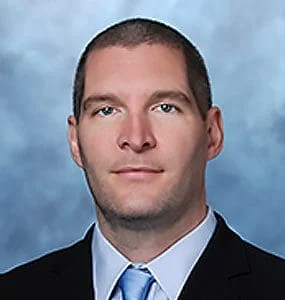
The landscape of pediatric oncology is witnessing a significant shift as innovative genetic modeling and metabolic targeting converge to address some of the most lethal forms of childhood brain cancer. Dr. Joshua Breunig, a distinguished researcher at Cedars-Sinai, has been officially named a 2024 CureSearch Acceleration Initiative Awardee, a distinction that brings both substantial funding and renewed hope to the field of neuro-oncology. This prestigious award is specifically directed toward Dr. Breunig’s pioneering work on G34R-mutant pediatric diffuse glioma, a highly aggressive and currently incurable form of brain cancer that predominantly affects children and young adults. By utilizing a sophisticated modeling platform known as Mosaic Analysis with Dual Recombinases (MADR), Dr. Breunig’s laboratory is dismantling the barriers that have long hindered the development of effective therapies for these complex tumors.
The CureSearch Acceleration Initiative is a strategic program designed to bridge the "valley of death" in drug development—the gap between initial laboratory discovery and clinical application. Dr. Breunig’s project was selected based on its high potential for clinical impact within an accelerated timeframe of three to five years. The research focuses on a dual-pronged strategy: creating high-fidelity, personalized models of human tumors and exploiting a newly discovered metabolic vulnerability in glioma cells—their absolute dependence on the amino acid arginine. By combining the investigational drug ADI-PEG 20 with existing standards of care, the research aims to effectively starve cancer cells while minimizing the debilitating side effects often associated with traditional pediatric cancer treatments.
The Critical Challenge of Pediatric G34R-Mutant Glioma
Brain tumors remain the leading cause of disease-related death among children in the United States, surpassing leukemia in recent years due to the lack of therapeutic breakthroughs for high-grade gliomas. Among these, the G34R-mutant diffuse glioma is particularly devastating. This subtype is characterized by a specific mutation in the H3.3 histone, which alters the epigenetic landscape of the cell, leading to rapid, uncontrolled growth and resistance to conventional radiation and chemotherapy.
For decades, the primary obstacle in treating these tumors has been their infiltrative nature. Unlike localized tumors that can be surgically excised, diffuse gliomas weave through healthy brain tissue, making complete surgical removal impossible. Furthermore, the blood-brain barrier acts as a formidable gatekeeper, preventing many promising systemic drugs from reaching the tumor site in therapeutic concentrations. The aggressive biology of G34R mutations often leads to a prognosis where survival is measured in months rather than years, highlighting the "urgent need" cited by the CureSearch selection committee.
Historically, research into these cancers has been slowed by the lack of accurate preclinical models. Traditional mouse models often fail to replicate the complex genetic environment of a human child’s brain, leading to high failure rates when drugs move from the lab to human trials. Dr. Breunig’s work addresses this fundamental flaw by providing a more precise mirror of human disease.
MADR Technology: A Paradigm Shift in Tumor Modeling
At the heart of Dr. Breunig’s research is the MADR (Mosaic Analysis with Dual Recombinases) platform. This technology represents a significant leap forward in bioengineering, allowing researchers to introduce specific sets of mutations into a small number of cells in a living brain. This "mosaic" approach mimics the way cancer actually begins in humans—starting from a single wayward cell amidst a sea of healthy tissue.
By using MADR, Dr. Breunig can recreate the exact genetic signatures found in pediatric patients, including the H3 G34 mutation. These models are not merely approximations; they are "personalized" in the sense that they can be tailored to reflect the specific genetic variations seen in individual patients. This level of precision allows for the observation of tumor behavior in real-time, providing insights into how the cancer migrates, how it interacts with the immune system, and, most importantly, how it responds to new drug combinations.
The ability to generate these models rapidly and accurately means that researchers can test dozens of potential therapeutic combinations in a controlled environment before ever involving a human subject. This significantly reduces the risk to pediatric patients and ensures that only the most promising candidates proceed to clinical trials.
Exploiting Metabolic Vulnerabilities: The Arginine Depletion Strategy
Dr. Breunig’s research has uncovered a "significant vulnerability" in the armor of pediatric gliomas. Many high-grade gliomas are arginine auxotrophs, meaning they have lost the ability to synthesize the amino acid arginine internally. While healthy cells can produce their own arginine through internal metabolic pathways, these specific cancer cells must scavenge it from the surrounding environment to survive and proliferate.
This metabolic dependency creates a targetable weakness. Dr. Breunig is investigating the efficacy of ADI-PEG 20 (Pegylated Arginine Deiminase), an enzyme designed to circulate in the bloodstream and break down arginine. By depleting the systemic supply of this amino acid, the drug essentially starves the tumor cells. Because healthy cells can synthesize their own arginine, they remain largely unaffected, potentially leading to a treatment profile with far fewer toxic side effects than traditional chemotherapy.

The CureSearch-funded project will evaluate ADI-PEG 20 not as a monotherapy, but as a "targeted therapeutic combined with standard-of-care treatments." The hypothesis is that by weakening the tumor’s metabolism, the cancer cells will become more susceptible to the damaging effects of radiation and chemotherapy. This synergistic approach is designed to trigger "anti-tumor toxicity" and significantly hinder tumor growth.
Chronology of Development and Path to Clinical Trials
The journey toward this 2024 award began years ago with the initial development of the MADR platform at Cedars-Sinai. The chronology of this research reflects a steady progression from fundamental science to translational medicine:
- Development of MADR (Pre-2020): Dr. Breunig and his team refined the dual recombinase system, proving it could accurately simulate complex brain architectures and genetic mutations.
- Identification of Arginine Dependency (2021-2022): Laboratory studies identified that G34R-mutant cells exhibited a unique metabolic profile, specifically a reliance on external arginine sources.
- Preliminary Testing (2023): Initial tests using ADI-PEG 20 in MADR models showed promising results in slowing tumor progression and increasing the lifespan of laboratory subjects.
- 2024 CureSearch Acceleration Initiative Award: The project receives critical funding to move into the final preclinical stages.
- Projected Clinical Trial Preparation (2025-2026): Dr. Breunig and his collaborators are actively preparing the regulatory and logistical framework to launch a Phase I/II clinical trial.
- Expected Patient Access (2027-2029): Following the CureSearch mandate, the goal is to have the treatment available for pediatric patients within a three-to-five-year window.
This timeline is notably aggressive, reflecting the "Acceleration" aspect of the initiative. By focusing on drugs that are already in various stages of testing for other adult cancers, such as ADI-PEG 20, the team can bypass some of the early-stage safety hurdles, focusing instead on efficacy in the pediatric brain cancer context.
Supporting Data and Institutional Context
Data from previous studies on arginine depletion in other cancer types, such as melanoma and hepatocellular carcinoma, have shown that ADI-PEG 20 is generally well-tolerated in humans. However, its application in pediatric neuro-oncology is a relatively new frontier. Dr. Breunig’s matched human pediatric glioma tumor cell lines provide a robust dataset to support the transition to human trials.
Cedars-Sinai, where Dr. Breunig conducts his research, is a hub for neurological excellence. The institution’s Department of Neurosurgery and the Board of Governors Regenerative Medicine Institute provide a multidisciplinary environment where geneticists, surgeons, and oncologists collaborate. This institutional support is vital for the "Acceleration" goals of CureSearch, as it provides the infrastructure necessary for complex clinical trials and advanced imaging required to monitor tumor response to arginine depletion.
CureSearch for Children’s Cancer, the funding body, has a rigorous selection process. Their Acceleration Initiative specifically targets projects that address "a significant challenge in pediatric cancer drug development." By funding Dr. Breunig, they are placing a strategic bet on metabolic therapy as a cornerstone of future pediatric oncology.
Broader Impact and Implications for Pediatric Medicine
The implications of Dr. Breunig’s work extend far beyond G34R-mutant gliomas. If the combination of MADR modeling and arginine depletion proves successful, it could provide a blueprint for treating other "undruggable" pediatric cancers. The concept of identifying a metabolic "Achilles’ heel" and using genetic modeling to verify treatment efficacy could be applied to various rare childhood malignancies that currently lack effective protocols.
Furthermore, this research contributes to the growing field of personalized medicine. By using a patient’s own tumor characteristics to inform the MADR models, doctors may eventually be able to predict which children will respond best to arginine depletion before the treatment even begins. This moves the field away from a "one-size-fits-all" approach and toward a more nuanced, effective methodology.
The social and emotional impact on families cannot be overstated. For parents of children diagnosed with diffuse gliomas, the current "standard of care" often feels like a holding action rather than a cure. The promise of a treatment that is both more effective and less toxic offers a tangible sense of hope. Dr. Breunig’s work, supported by the CureSearch award, represents a pivotal moment in the quest to turn a terminal diagnosis into a manageable, and ultimately curable, condition.
Conclusion: A New Era of Targeted Therapy
The 2024 CureSearch Acceleration Initiative Award marks a critical milestone in the fight against pediatric brain cancer. Dr. Joshua Breunig’s innovative use of MADR technology and metabolic targeting via ADI-PEG 20 addresses the most pressing hurdles in the field: the lack of accurate models and the need for non-toxic, effective treatments.
As the research moves into its next phase, the focus remains squarely on the children and families navigating the complexities of a glioma diagnosis. With a clear path toward clinical trials and a robust scientific foundation, the work being done at Cedars-Sinai is not just an academic exercise; it is a life-saving mission. The integration of advanced genetics and metabolic science under the banner of the CureSearch Acceleration Initiative signals a new era in pediatric oncology—one defined by precision, speed, and a relentless pursuit of a cure. Through continued support and donation, the scientific community and the public can ensure that breakthroughs like those from Dr. Breunig reach the patients who need them most, potentially changing the trajectory of childhood cancer forever.
