
 By Lina carolina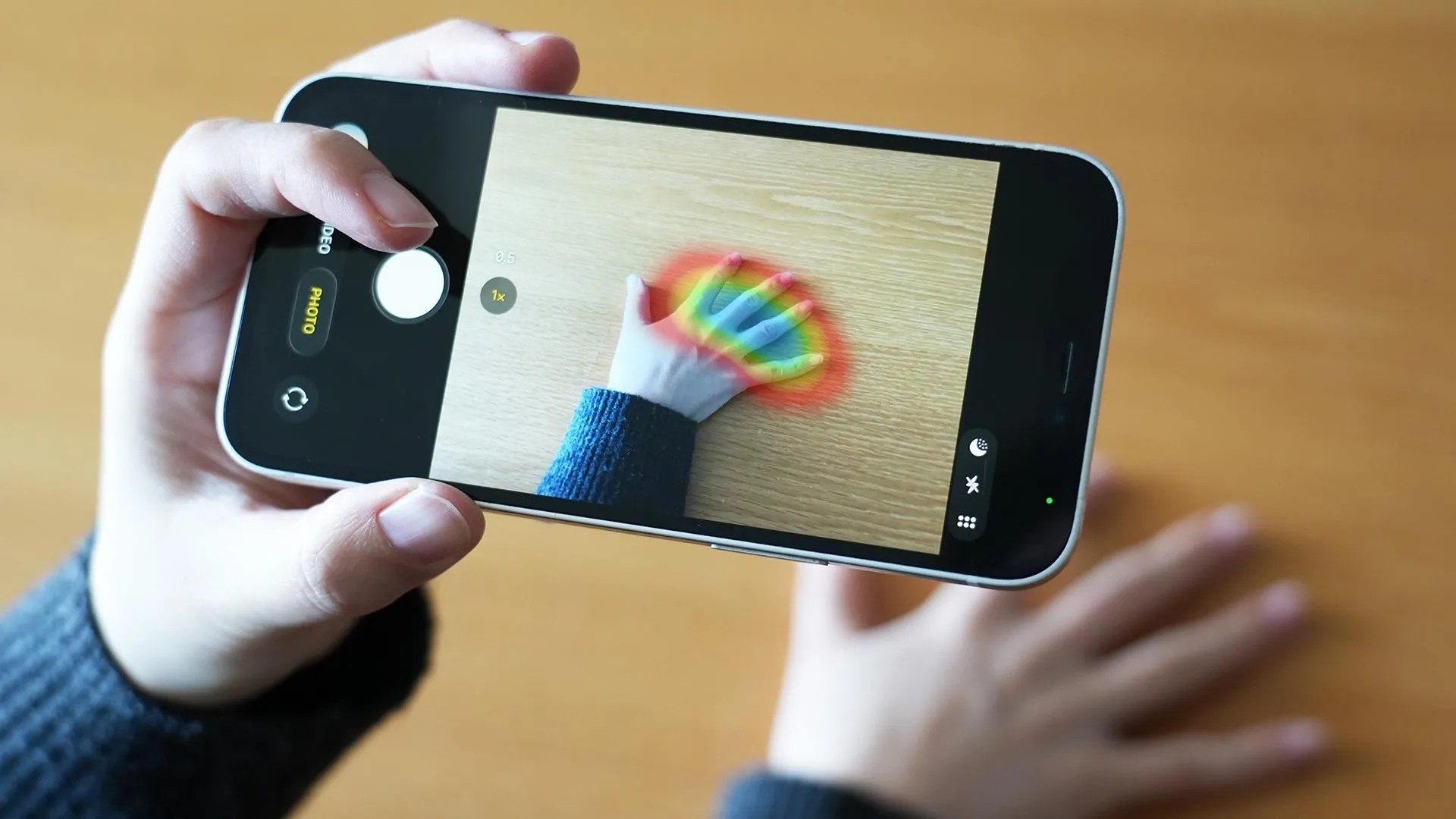
Researchers at Kobe University have pioneered a groundbreaking artificial intelligence system capable of identifying the rare endocrine disorder acromegaly solely through photographic analysis of a patient’s hand and clenched fist. This innovative approach bypasses the need for facial images, thereby significantly enhancing patient privacy while maintaining a remarkably high level of diagnostic accuracy. Experts believe this technology holds the potential to expedite referrals to specialists, improve diagnostic timelines, and broaden access to essential healthcare, particularly in underserved or remote regions.
Acromegaly, a chronic and progressive condition, typically emerges in middle-aged adults and stems from an overproduction of growth hormone by the pituitary gland. This hormonal imbalance triggers a cascade of physiological changes, most notably an enlargement of the hands and feet, alterations in facial structure, and abnormal growth of bones and internal organs. The insidious nature of acromegaly, characterized by its gradual onset and slow progression over many years, frequently impedes early recognition, leading to delayed diagnosis and treatment.
The long-term consequences of untreated acromegaly can be severe, escalating the risk of serious health complications such as cardiovascular disease, diabetes, and respiratory problems, and potentially reducing life expectancy by as much as a decade. Endocrinologist Hidenori Fukuoka of Kobe University highlighted the diagnostic challenge, stating, "Because the condition progresses so slowly, and because it is a rare disease, it is not uncommon to take up to a decade for it to be diagnosed." He further noted the persistent quest for technological solutions, "With the progress of AI tools, there have been attempts to use photographs for early detection, but they have not been adopted in clinical practice." This statement underscores the unmet need for practical, accurate, and patient-centric diagnostic aids.
A Novel, Privacy-Conscious AI Architecture
In their extensive review of existing artificial intelligence research in medical diagnostics, the Kobe University team observed a prevalent reliance on facial imagery for disease identification. However, this methodology presented significant privacy concerns for patients, a barrier that the researchers were determined to overcome.
Yuka Ohmachi, a graduate student at Kobe University and a key figure in the research, elaborated on their strategic pivot. "Trying to address this concern, we decided to focus on the hands, a body part we routinely examine alongside the face in clinical practice for diagnostic purposes, particularly because acromegaly often manifests changes in the hands." This decision was rooted in the understanding that acromegaly characteristically leads to physical changes in the extremities, making the hands a rich source of diagnostic information.
To bolster privacy protections further, the researchers meticulously curated their dataset, limiting photographic inputs to images of the back of the hand and a clenched fist. This deliberate exclusion of palm images was a strategic choice, as palm line patterns are highly individual and could potentially be used to identify individuals. This privacy-focused approach proved instrumental in fostering trust and encouraging broad participation from a diverse patient population. The study ultimately amassed over 11,000 images contributed by 725 patients from 15 distinct medical institutions across Japan. This comprehensive dataset was subsequently used to rigorously train and validate the AI model.
The collaborative effort involved a wide array of institutions, demonstrating a national commitment to advancing medical AI. Participating institutions included Fukuoka University, Hyogo Medical University, Nagoya University, Hiroshima University, Toranomon Hospital, Nippon Medical School, Kagoshima University, Tottori University, Yamagata University, Okayama University, Hyogo Prefectural Kakogawa Medical Center, Hokkaido University, International University of Health and Welfare, Moriyama Memorial Hospital, and Konan Women’s University. This broad network ensured a diverse representation of patient demographics and clinical presentations.
Performance Benchmarks: AI Surpasses Expert Clinicians
The findings of this pioneering research were formally published in the esteemed Journal of Clinical Endocrinology & Metabolism, a leading publication in the field of endocrinology. The AI model demonstrated exceptional levels of sensitivity and specificity in its ability to identify acromegaly from the hand images. In a direct comparative analysis, the AI system outperformed a panel of experienced endocrinologists tasked with evaluating the same set of photographs. This benchmark achievement signifies a critical advancement in the application of AI in medical diagnostics.
Ohmachi expressed her astonishment at the AI’s performance, stating, "Frankly, I was surprised that the diagnostic accuracy reached such a high level using only photographs of the back of the hand and the clenched fist. What struck me as particularly significant was achieving this level of performance without facial features, which makes this approach a great deal more practical for disease screening." This sentiment highlights the transformative potential of a diagnostic tool that is both highly effective and respectful of patient privacy.
The study’s methodology involved a multi-stage validation process. Initially, the AI model was trained on a substantial portion of the collected data. Subsequently, its diagnostic capabilities were tested on a separate, unseen dataset. The performance metrics, including sensitivity (the proportion of true positives correctly identified) and specificity (the proportion of true negatives correctly identified), were meticulously calculated and compared against established clinical diagnostic criteria. The high scores achieved by the AI suggest its robust ability to differentiate between individuals with acromegaly and those without, even in subtle presentations.
Expanding the Horizon: AI for Diverse Medical Conditions
The success of this acromegaly detection system has paved the way for future research and development. The Kobe University team is now actively exploring the adaptation of their AI architecture to identify a broader spectrum of medical conditions that manifest with discernible changes in the hands. Potential future applications include the early detection of rheumatoid arthritis, anemia, and finger clubbing, all of which present with characteristic physical alterations in the hands.
"This result could be the entry point for expanding the potential of medical AI," Ohmachi remarked, underscoring the far-reaching implications of their work. The development of AI tools capable of analyzing readily available visual data from various body parts could democratize access to diagnostic screening, particularly for conditions that are often overlooked or misdiagnosed in their early stages.
The current focus on hand imagery is just the beginning. Researchers envision a future where AI can analyze a variety of non-invasive visual inputs, potentially integrated into telemedicine platforms or even smartphone applications, to provide preliminary diagnostic assessments. This could be particularly impactful in remote or low-resource settings where access to specialist care is limited.
Aiding Clinicians and Bridging Healthcare Gaps
It is crucial to contextualize the role of this AI tool within the broader clinical landscape. In everyday medical practice, the diagnosis of complex conditions like acromegaly relies on a comprehensive assessment that extends far beyond visual inspection of the hands. A thorough medical history, detailed laboratory investigations, and comprehensive physical examinations remain indispensable components of the diagnostic process.
The Kobe University researchers firmly position their AI tool as a supplementary aid to physicians, rather than a replacement for their expertise. They describe the technology as a means to "complement clinical expertise, reduce diagnostic oversight and enable earlier intervention." This collaborative model seeks to augment human diagnostic capabilities, improving efficiency and accuracy.
Study lead Fukuoka articulated the broader vision for this technology: "We believe that, by further developing this technology, it could lead to creating a medical infrastructure during comprehensive health check-ups to connect suspected cases of hand-related disorders to specialists. Furthermore, it could support non-specialist physicians in regional healthcare settings, thus contributing to a reduction of healthcare disparities there."
This vision addresses critical challenges in healthcare delivery. By providing non-specialist physicians, particularly those in regional or underserved areas, with a reliable tool for flagging potential cases of acromegaly, the AI can streamline the referral process. This not only ensures that patients receive timely access to specialized care but also empowers local healthcare providers with advanced diagnostic support, thereby mitigating geographical and socioeconomic barriers to healthcare access.
The funding for this transformative research was provided by the Hyogo Foundation for Science Technology, recognizing its significant potential to advance medical science and improve public health. The collaborative nature of the project, involving numerous universities and hospitals, exemplifies a concerted national effort to harness the power of artificial intelligence for the betterment of healthcare.
The implications of this research are substantial. By enabling earlier and more accurate identification of acromegaly, the AI system has the potential to significantly improve patient outcomes, reduce the burden of chronic complications, and enhance the quality of life for affected individuals. Furthermore, the privacy-preserving approach adopted by the Kobe University team sets a new standard for the ethical development and deployment of medical AI, paving the way for wider acceptance and adoption of these powerful technologies. The successful translation of this research from the laboratory to clinical practice could mark a pivotal moment in the ongoing revolution of artificial intelligence in healthcare.
