
 By admin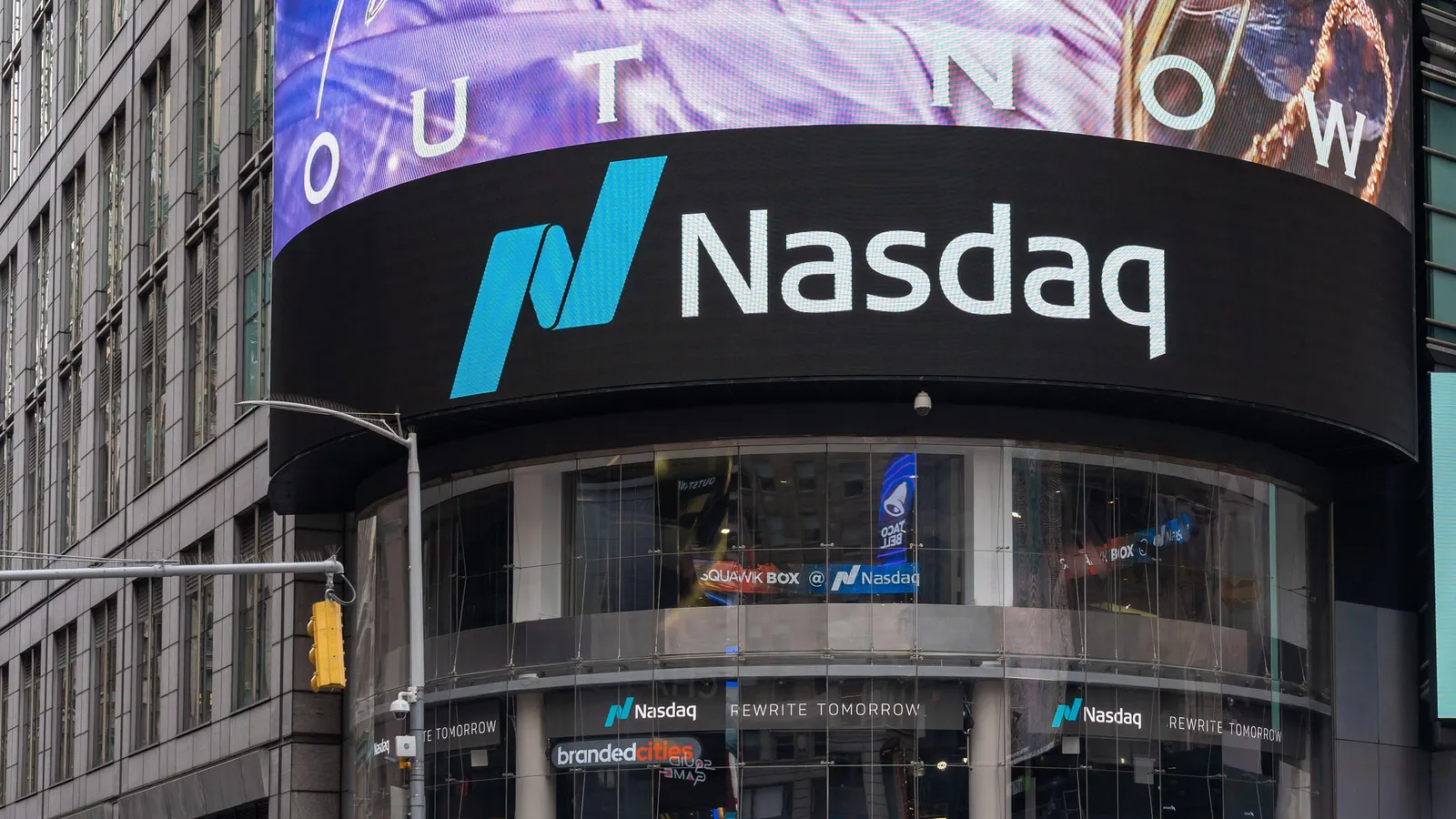
Pain drugmaker Latigo Biotherapeutics successfully completed its initial public offering (IPO) on Thursday, August 7, 2026, raising an impressive $345.6 million to accelerate its ambitious mission of developing innovative non-opioid pain medications. The Los Angeles-area biotechnology firm priced its offering of 19.2 million shares at $18 apiece, a move that garnered significantly more investor interest than initially projected, signaling robust confidence in its pipeline and the broader biotech sector. Shares commenced trading on Friday, August 8, 2026, on the Nasdaq stock exchange under the ticker symbol "LTGO," marking a pivotal moment for the company and the burgeoning market for alternative pain treatments.
A Resurgent Biotech IPO Market
Latigo’s market debut is not an isolated event but rather a prominent indicator of a powerful resurgence in biotech initial public offerings, signaling renewed investor confidence after a prolonged and challenging multiyear downturn that characterized much of the early 2020s. This week alone has seen an extraordinary flurry of activity, with four biotechnology companies successfully going public. Joining Latigo on Thursday was BlossomHill Therapeutics, a company focused on cancer therapies, which priced nearly 9.4 million shares at $16 each, securing gross proceeds of $150 million.
The preceding days also witnessed significant market entries. Cardiac drug developer Braveheart Bio successfully raised $382.5 million, while immune system specialist Attovia Therapeutics brought in $289 million. This collective activity underscores a dramatic shift in the investment landscape. Latigo’s IPO, crossing the $250 million threshold, makes it the 14th biotech company this year to achieve such a substantial fundraising milestone. This figure is particularly noteworthy as it equals the total number of large biotech IPOs over the preceding four years combined, according to comprehensive data compiled by BioPharma Dive. This robust uptake in large-scale public offerings reflects a recalibration of market valuations, a renewed appetite for risk among institutional investors, and a growing recognition of the innovative potential residing within the biotechnology sector, especially in areas addressing critical unmet medical needs.
The recent downturn, often referred to as the "biotech winter," saw many promising companies struggle to secure funding, leading to difficult decisions regarding pipeline prioritization, workforce reductions, and even outright closures. The current wave of IPOs suggests that the market has begun to stabilize, with investors once again willing to back companies with compelling science and strong leadership, particularly those targeting large patient populations and offering novel therapeutic modalities.
Latigo’s Strategic Focus: Non-Opioid Ion-Channel Blockers
Latigo Biotherapeutics’ core scientific endeavor revolves around the intricate world of pain-signaling proteins known as sodium ion channels. These channels play a crucial role in transmitting pain signals from the peripheral nervous system to the brain. By developing drugs that specifically block or modulate these channels, Latigo aims to interrupt pain pathways without engaging the opioid receptors that are responsible for the addictive properties and severe side effects associated with traditional opioid analgesics. This approach represents a significant paradigm shift in pain management, moving away from symptom masking towards targeted mechanistic intervention.
The company’s foundational concept was meticulously developed by the venture capital firm Westlake BioPartners, which identified a critical market gap and a promising scientific avenue. Westlake then strategically recruited a highly experienced team, including numerous former neuroscience employees from Amgen, a pharmaceutical giant with a strong track record in drug discovery and development. This strategic assembly of scientific and entrepreneurial talent laid a robust groundwork for Latigo’s ambitious pipeline.
Currently, Latigo boasts three main drug candidates in its development pipeline. The most advanced of these is rapidly approaching late-stage clinical testing, poised to address acute pain—the intense, short-lived discomfort typically experienced after an accident, surgery, or acute injury. This indication alone represents a substantial market opportunity, as current post-surgical pain management often relies heavily on opioids, contributing to the broader opioid crisis. The potential for a highly effective, non-addictive alternative in this space is immense.
David Allison, a managing director at Westlake BioPartners, articulated the firm’s strategic rationale for backing Latigo late last year, remarking, "It was a basic benchtop science exercise, knowing that on the other side there could be a GLP-1-like, decabillion-dollar market." This statement underscores the profound belief in the commercial viability and transformative potential of Latigo’s approach, drawing a parallel to the staggering success of GLP-1 receptor agonists in metabolic disorders.
The Urgent Need for Non-Opioid Alternatives and the Opioid Crisis Context
The pursuit of non-opioid pain solutions by companies like Latigo is set against the backdrop of a profound public health crisis: the opioid epidemic. For decades, opioids have been the cornerstone of severe pain management due but their effectiveness comes at a high cost, including significant risks of addiction, overdose, and death. The Centers for Disease Control and Prevention (CDC) estimates that hundreds of thousands of Americans have died from opioid-related overdoses since 1999, with millions more suffering from opioid use disorder. This crisis has prompted a nationwide imperative to develop safer, non-addictive alternatives for both acute and chronic pain management.
Chronic pain, a persistent condition lasting more than three months, affects a staggering one in four Americans, according to the CDC. This widespread prevalence translates into enormous healthcare costs, lost productivity, and diminished quality of life for millions. The long-term use of opioids in chronic pain patients is particularly problematic, often leading to tolerance, hyperalgesia (increased pain sensitivity), and escalating doses, further exacerbating the risk of dependence and addiction without necessarily providing sustained pain relief. The market for effective and safe chronic pain treatments is therefore colossal and represents one of the largest unmet medical needs globally. Latigo, along with its competitors, harbors aspirations that their ion-channel blocking drugs will ultimately prove effective in addressing this complex and varied condition, potentially offering a safer long-term solution.

Competitive Landscape and Market Dynamics
While Latigo Biotherapeutics emerges as a promising new player, it enters a competitive arena already occupied by pharmaceutical behemoths with significantly greater resources and established market presence. Within the specialized domain of non-opioid, ion-channel-blocking pain drugs, Latigo’s two primary rivals are Vertex Pharmaceuticals and Eli Lilly and Company.
Vertex Pharmaceuticals, a well-established biotechnology company known for its cystic fibrosis treatments, made significant inroads into the pain market in early 2025 with the commercial approval of Journavx. Journavx is an ion-channel-blocking pill specifically indicated for acute pain, much like Latigo’s most advanced candidate. Despite its innovative mechanism, Journavx’s initial sales performance has somewhat underwhelmed Wall Street analysts, reaching approximately $90 million during its first year on the market. This suggests that even with a novel drug, market penetration and physician adoption in the crowded pain space can be challenging, requiring substantial commercial investment and compelling clinical data. Vertex’s experience highlights the rigorous path Latigo must navigate to achieve commercial success.
Eli Lilly and Company, another pharmaceutical titan, has also demonstrated its strategic commitment to the non-opioid pain sector. In a significant move, Lilly acquired pain specialist SiteOne Therapeutics in a deal potentially worth up to $1 billion. This acquisition immediately bolstered Lilly’s pipeline with SiteOne’s expertise and assets in ion-channel modulation for pain, positioning Lilly as a formidable competitor. Both Lilly and Latigo, like Vertex, are not only targeting acute pain but also envision their drugs as potential treatments for chronic pain, which represents a far larger and more complex market. The scale and financial might of Vertex and Lilly present a substantial competitive challenge for Latigo, requiring the emerging biotech to differentiate its candidates through superior efficacy, safety profiles, or unique patient populations.
Financial Standing and Future Outlook
Prior to its successful IPO, Latigo Biotherapeutics had already demonstrated its ability to attract substantial private investment, raising approximately $322 million through various funding rounds. This significant pre-IPO capital infusion allowed the company to advance its research and development efforts to their current stage. However, like many early-stage biotechnology companies focused on long-term drug development, Latigo has been operating at a loss, as is typical before commercialization. As of March 31, 2026, the company had accrued a deficit of $266 million. In the fiscal year 2025, it reported a net loss of $109 million. These figures underscore the capital-intensive nature of drug discovery and development, where substantial investment is required over many years before any potential revenue generation.
The $345.6 million secured from the IPO will provide a critical financial lifeline, fueling the extensive and costly late-stage clinical trials required to bring its lead candidate to market. This capital will also support the continued development of its earlier-stage pipeline assets and expand its research capabilities. The "upsized" nature of the offering, indicating greater investor demand than initially anticipated, reflects a positive market sentiment regarding Latigo’s scientific platform and its potential to capture a significant share of the non-opioid pain market.

Implications for the Biotech Sector and Pain Management
Latigo Biotherapeutics’ successful IPO carries several significant implications. For the broader biotechnology sector, it serves as a powerful testament to the market’s renewed health and investor confidence in innovative science. The rapid succession of large biotech IPOs this year, after a prolonged dry spell, suggests that the funding environment is becoming more favorable for companies with strong scientific foundations and clear paths to addressing unmet medical needs. This could encourage more private biotech firms to pursue public offerings, potentially leading to a sustained period of growth and innovation in the industry.
For the field of pain management, Latigo’s emergence, alongside the continued efforts of Vertex and Lilly, reinforces the growing momentum behind non-opioid alternatives. The investment community’s willingness to pour hundreds of millions of dollars into companies focused on ion-channel modulators indicates a strong belief in this therapeutic class as a viable long-term solution to the challenges posed by both acute and chronic pain. The eventual success or failure of these companies could profoundly reshape clinical practice, offering physicians and patients a wider array of safer and more effective treatment options.
However, Latigo faces considerable hurdles. The path from late-stage clinical trials to regulatory approval and commercial success is fraught with challenges, including potential efficacy concerns, unforeseen side effects, and the rigorous demands of regulatory bodies. Even with a successful drug, competing against the marketing and distribution power of established pharmaceutical giants like Vertex and Lilly will require a robust commercial strategy and compelling clinical differentiation.
Nevertheless, the journey of Latigo Biotherapeutics, from its venture-backed inception to its substantial public offering, symbolizes a hopeful new chapter in the quest for effective and non-addictive pain relief. As the company prepares to advance its lead candidate into late-stage development, all eyes will be on its progress, not only for its own sake but also as a bellwether for the future of pain management and the continued revitalization of the biotech investment landscape.
