
 By admin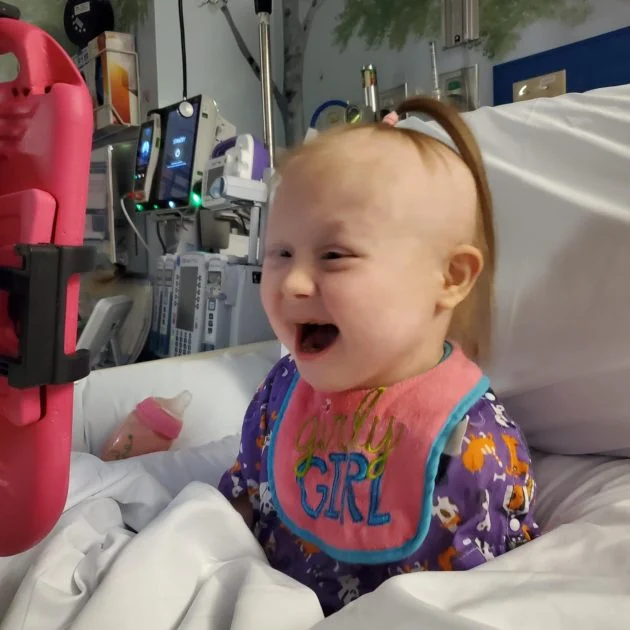
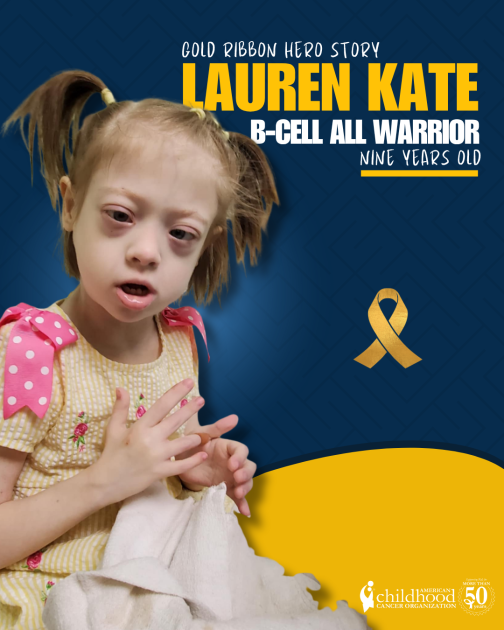
The medical community and the American Childhood Cancer Organization (ACCO) have recently highlighted the resilience of Lauren Kate, a nine-year-old girl from Tennessee who is currently undergoing intensive treatment for B-Cell Acute Lymphoblastic Leukemia (ALL). Lauren, who was born with Down syndrome, was diagnosed on September 23, 2025, following a series of symptoms that initially appeared as routine fatigue but quickly escalated into a life-altering medical emergency. Her journey underscores the complex intersection of genetic conditions and pediatric oncology, shedding light on the specific challenges faced by children with Trisomy 21 when navigating aggressive cancer protocols. Currently receiving specialized care at East Tennessee Children’s Hospital, Lauren’s case has become a focal point for discussions regarding the necessity of early detection and the rigorous nature of modern leukemia treatment regimens.
The Clinical Presentation and Path to Diagnosis
The diagnosis of B-Cell Acute Lymphoblastic Leukemia in pediatric patients often begins with non-specific symptoms that can be easily overlooked. In Lauren Kate’s case, her family noticed a marked shift in her baseline behavior. For a child who had already demonstrated significant strength and a vibrant personality while living with Down syndrome, the sudden onset of lethargy and a lack of interest in her usual activities served as a primary warning sign. The most definitive physical indicator, however, was the appearance of large, palpable masses beneath her neck, which were later identified as severely swollen lymph nodes, a common hallmark of hematologic malignancies.
Upon observing these changes, Lauren’s mother sought an urgent consultation with their primary care physician. Initial blood work revealed a highly abnormal white blood cell count, a finding that prompted an immediate referral to the emergency department at East Tennessee Children’s Hospital. In pediatric oncology, time is a critical factor; the rapid proliferation of lymphoblasts (immature white blood cells) in the bone marrow can quickly overwhelm the body’s ability to produce healthy red blood cells and platelets. Following a battery of diagnostic tests, including blood smears and preliminary imaging, the medical team confirmed the diagnosis of B-Cell ALL on September 23. This specific subtype of leukemia involves the malignant transformation of B-lymphocyte precursors and is the most common form of childhood cancer, yet it requires a nuanced approach when the patient has a pre-existing genetic condition.
Chronology of Treatment and Medical Intervention
Since her admission and subsequent diagnosis, Lauren Kate has entered a rigorous multi-phase treatment protocol designed to achieve and maintain remission. The timeline of her care has been characterized by invasive procedures and the administration of high-dose cytotoxic agents. One of the first steps in her clinical journey was the surgical insertion of a chemo-port, a device placed under the skin to allow the medical team to administer intravenous medications and draw blood samples with minimal trauma to the veins.
Lauren’s treatment has included multiple lumbar punctures, a procedure essential for both diagnosing and treating the spread of leukemia cells to the central nervous system. During these procedures, chemotherapy is often injected directly into the cerebrospinal fluid to prevent the "sanctuary site" of the brain and spine from harboring malignant cells. Additionally, she has undergone several bone marrow aspirations and biopsies to monitor her response to the induction phase of chemotherapy. These procedures are vital for determining the "Minimal Residual Disease" (MRD) status, which serves as a primary prognostic indicator for long-term survival.
The physical toll of these interventions is significant. Lauren has spent numerous days away from her home and her sister, Emma, navigating the side effects of chemotherapy, which can include nausea, immunosuppression, and extreme fatigue. Despite these hardships, her medical team and family report that she remains a "vibrant and fun-loving" child, finding solace in her favorite television program, Bubble Guppies, and the emotional support of her family.
The Genetic Link: Down Syndrome and Leukemia Risk
Lauren’s case is reflective of a well-documented but complex biological relationship between Down syndrome (Trisomy 21) and leukemia. Epidemiological data indicates that children with Down syndrome have a significantly higher predisposition to developing leukemia compared to the general pediatric population. Specifically, children with Trisomy 21 are approximately 10 to 20 times more likely to develop Acute Lymphoblastic Leukemia.
The genetic basis for this increased risk is linked to the extra copy of chromosome 21, which carries genes involved in blood cell formation and regulation. Research suggests that the overexpression of these genes can disrupt normal hematopoiesis, leading to the development of pre-leukemic clones. While children with Down syndrome generally have excellent cure rates for certain types of leukemia, such as Acute Myeloid Leukemia (AML), the treatment of B-Cell ALL in this population requires careful calibration. Patients with Down syndrome are often more susceptible to the toxicities of certain chemotherapeutic agents, particularly methotrexate, which can lead to severe mucosal inflammation and gastrointestinal issues. Consequently, Lauren’s oncology team must balance the need for aggressive eradication of cancer cells with the physiological sensitivities associated with her genetic profile.
Supporting Data on Pediatric B-Cell ALL
B-Cell Acute Lymphoblastic Leukemia remains the most common pediatric malignancy, accounting for approximately 75% to 80% of all childhood leukemia cases. According to data from the National Cancer Institute and the American Cancer Society, the five-year survival rate for pediatric ALL has seen a dramatic increase over the last five decades, rising from less than 10% in the 1960s to over 90% today. This progress is largely attributed to the refinement of risk-stratified therapy and the implementation of multi-agent chemotherapy protocols.
However, the statistics for children with co-occurring conditions like Down syndrome present a more nuanced picture. While survival rates remain high, these patients often face a higher frequency of treatment-related complications and infections due to a more fragile immune system. This necessitates a multidisciplinary approach to care, involving not only oncologists but also infectious disease specialists, nutritionists, and physical therapists to ensure the child survives both the cancer and the intensive therapy required to treat it.
Institutional and Community Response
East Tennessee Children’s Hospital, where Lauren is receiving treatment, is a specialized facility equipped to handle the complexities of pediatric hematology and oncology. The institution’s role extends beyond clinical care, providing a support system for families navigating the "shock, fear, and disbelief" that follows a cancer diagnosis. The hospital’s oncology department works in tandem with organizations like the ACCO to provide resources that help families understand the long-term implications of treatment and the necessity of community support.
The American Childhood Cancer Organization has been vocal about the need for continued funding and research into pediatric-specific treatments. Because many chemotherapy drugs were originally designed for adults, there is an ongoing push for the development of "targeted therapies" that can more precisely attack cancer cells in children without causing the long-term late effects—such as cardiac issues or secondary cancers—that often plague survivors. Lauren Kate’s journey has become a rallying point for local advocacy, emphasizing the mantra that "kids can’t fight cancer alone."
Broader Implications and Future Outlook
Lauren Kate’s battle with ALL is indicative of the broader challenges in the field of pediatric oncology, where the goal is no longer just survival, but "survival with quality of life." As Lauren continues her chemotherapy and bone marrow procedures, the focus of her medical team will eventually shift from induction (getting rid of the bulk of the cancer) to maintenance (preventing a relapse). This phase can last several years, requiring a sustained commitment from the family and the healthcare system.
The implications of her case also touch upon the necessity of genetic screening and specialized monitoring for children with Down syndrome. Given their elevated risk profile, early intervention and the prompt recognition of symptoms—as demonstrated by Lauren’s mother—are the most effective tools in improving outcomes.
In the academic and clinical spheres, Lauren’s case contributes to the growing body of knowledge regarding how children with Trisomy 21 process chemotherapeutic agents. Each data point collected during her treatment helps refine future protocols for children who will follow in her footsteps. For now, the focus remains on Lauren’s immediate recovery and her ability to return to the simple joys of childhood, such as spending time with her sister Emma and enjoying the colorful world of her favorite shows.
As the ACCO and East Tennessee Children’s Hospital continue to monitor her progress, Lauren Kate stands as a symbol of the "warrior" spirit. Her journey is a reminder of the resilience of the human spirit in the face of daunting medical odds and the vital importance of a robust, compassionate healthcare infrastructure that can support the most vulnerable members of society through their darkest hours. Together with her family and her medical team, Lauren continues to fight a battle that is as much about scientific precision as it is about the unwavering strength of a nine-year-old girl.
