
 By admin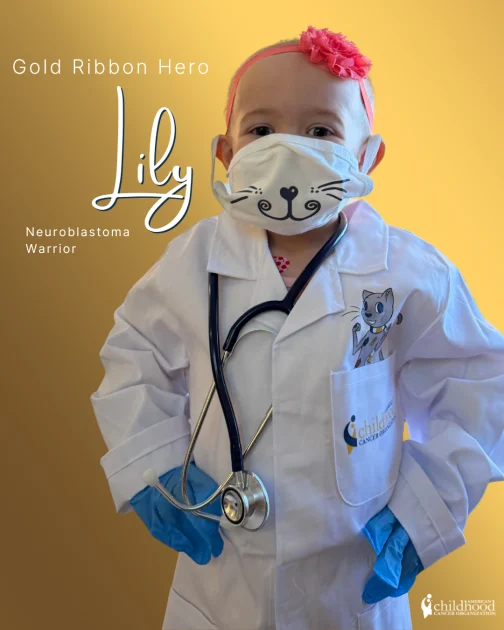
The case of Lily, a two-year-old child currently undergoing her second intensive battle with neuroblastoma, highlights the profound medical and emotional complexities associated with pediatric oncology. Diagnosed at the age of 18 months, Lily’s journey through the healthcare system serves as a poignant example of the resilience of pediatric patients and the aggressive nature of high-risk neuroblastoma. Her clinical history, characterized by an initial abdominal presentation followed by a rare and challenging relapse in the central nervous system, underscores the critical need for continued research and specialized care in the field of childhood cancer.
Clinical Presentation and Initial Diagnosis
The onset of Lily’s medical journey began with symptoms that are frequently encountered in pediatric primary care but can occasionally mask more sinister underlying pathologies. At 18 months old, she began experiencing significant abdominal pain. Initially, the clinical presentation suggested common pediatric constipation, a frequent diagnosis in toddlers. However, persistent discomfort led her family to seek emergency medical intervention.
Upon admission and subsequent diagnostic imaging, clinicians discovered a large mass localized within her abdomen. This finding shifted the diagnostic focus from gastrointestinal distress to oncology. Further testing confirmed a diagnosis of neuroblastoma, a cancer that develops from immature nerve cells found in several areas of the body. Neuroblastoma most commonly arises in and around the adrenal glands, which have similar origins to nerve cells, but can also develop in other areas of the abdomen, chest, neck, and near the spine.
The First Battle: A Multi-Modal Treatment Approach
Following her diagnosis, Lily was immediately enrolled in a rigorous, multi-modal treatment protocol designed to combat high-risk neuroblastoma. This stage of her journey involved a combination of the most intensive therapies available in modern pediatric oncology.
The first phase of treatment typically involves induction chemotherapy, aimed at shrinking the primary tumor and eliminating any metastatic cells circulating in the body. Lily underwent multiple rounds of chemotherapy, a process that is physically demanding for any patient, let alone a toddler. This was followed by surgical intervention, where surgeons worked to resect as much of the abdominal mass as possible.
To further consolidate the progress made by chemotherapy and surgery, Lily underwent bone marrow transplants (autologous stem cell transplants). This procedure involves collecting the patient’s own healthy stem cells, administering high-dose chemotherapy to eliminate any remaining cancer cells—which also destroys the bone marrow—and then reintroducing the stored stem cells to rescue the immune system.
The final phases of her initial treatment included radiation therapy to target the site of the original tumor and immunotherapy. Immunotherapy represents a significant advancement in neuroblastoma treatment, utilizing engineered antibodies to help the patient’s immune system identify and destroy cancer cells that may have survived earlier treatments. By September 2025, after months of intensive clinical intervention, Lily was declared to be in remission.
Chronology of Remission and Relapse
The period of remission offered a brief reprieve for Lily and her family, allowing for a return to some semblance of normalcy. However, the reprieve was tragically short-lived. The timeline of her recovery and subsequent relapse illustrates the volatile nature of pediatric cancers:
- September 2025: Lily successfully completes her initial treatment protocol and enters clinical remission.
- October 2025: A period of monitoring begins, with the family observing the typical recovery phase post-immunotherapy.
- November 2025: Just two months after being declared cancer-free, Lily began experiencing persistent headaches.
- Late November 2025: Acting on the new symptoms, her parents sought immediate medical consultation. Imaging revealed that the neuroblastoma had returned, this time manifesting as a tumor in her brain.
The discovery of a central nervous system (CNS) relapse necessitated immediate and aggressive action. Lily underwent brain surgery to remove the new mass and has since returned to a cycle of chemotherapy, immunotherapy, and radiation.
Understanding Neuroblastoma: Medical Context and Statistics
Neuroblastoma is the most common extracranial solid tumor in childhood, accounting for approximately 7% to 10% of all pediatric cancers. It is a disease of the sympathetic nervous system, and its behavior can vary wildly from spontaneous regression in infants to highly aggressive, treatment-resistant forms in older children.
According to data from the American Cancer Society and the National Cancer Institute, there are roughly 800 new cases of neuroblastoma diagnosed each year in the United States. While the five-year survival rate for neuroblastoma has improved significantly over the last few decades—now standing at approximately 82% for all risk groups combined—the statistics remain daunting for those in the high-risk category. Children diagnosed after 18 months of age with advanced-stage disease often face a survival rate of closer to 50%, highlighting the severity of Lily’s specific diagnosis.
Relapse in the brain, or CNS metastasis, is a particularly challenging complication. Historically, neuroblastoma was thought to rarely spread to the brain because the blood-brain barrier often prevented both cancer cells and many chemotherapy drugs from entering. However, as systemic treatments have improved and children are living longer after their initial diagnosis, clinicians are seeing an increase in CNS relapses. Treating these cases requires specialized protocols, as the brain is a delicate site that limits the intensity of certain types of radiation and surgery.
The Impact on the Patient and Family
Beyond the clinical data, the human element of Lily’s story is defined by her personality and the psychological toll on her support system. Her mother describes her as "playful, loving, and spicy," a testament to the fact that despite the rigors of oncology wards, pediatric patients maintain their individual spirits.
Medical professionals and social workers in pediatric oncology frequently note that the "spicy" or resilient nature of children can be a vital component of their journey. However, the emotional burden on the family is immense. A relapse shortly after a hard-won remission is often described by parents as more traumatic than the initial diagnosis, as it shatters the hope that the "worst is over."
The financial and logistical strain is also significant. The protocols Lily has undergone—stem cell transplants, specialized immunotherapy, and multiple surgeries—run into the hundreds of thousands of dollars. Organizations like the American Childhood Cancer Organization (ACCO) emphasize that families often require external support to navigate the "hidden costs" of cancer, including travel to specialized centers, lost wages for caregivers, and long-term rehabilitative care.
Broader Implications for Pediatric Oncology
Lily’s ongoing fight underscores several critical points for the medical community and the public:
- The Importance of Parental Vigilance: The rapid detection of Lily’s relapse was made possible because her parents reacted quickly to a common symptom—a headache—knowing her medical history. In pediatric oncology, early intervention during a relapse can be the difference between palliative care and a chance at further life-extending treatment.
- The Need for Targeted Research: While immunotherapy (such as GD2-targeted antibodies) has changed the landscape for neuroblastoma, the occurrence of CNS relapse suggests that more research is needed into drugs that can effectively cross the blood-brain barrier.
- Funding Disparities: Pediatric cancer research receives a disproportionately small amount of federal funding compared to adult cancers. Advocates argue that cases like Lily’s demonstrate why pediatric-specific research is essential; the biology of childhood tumors is distinct from adult malignancies and requires unique therapeutic approaches.
The Path Forward
Currently, Lily remains under the care of an oncology team, utilizing a combination of traditional and cutting-edge therapies to combat the relapse. Her journey is a reminder that for many families, the battle against cancer is not a single event but a long-term management of a complex and unpredictable disease.
The medical community continues to monitor cases like Lily’s to refine "salvage protocols"—the treatments used when primary therapies fail. These protocols often involve clinical trials that test new combinations of radioactive isotopes or molecularly targeted therapies.
As Lily continues her second battle, her story serves as a call to action for increased awareness and support for pediatric cancer initiatives. The phrase "kids can’t fight cancer alone" reflects the systemic reality that a child’s survival depends on a massive infrastructure of medical expertise, familial devotion, and community support. For Lily, the "spicy" two-year-old warrior, the hope remains that the next round of treatment will lead to a more permanent victory over a formidable foe.
