
 By Hendra Lukman
Half a century ago, the scientific world buzzed with controversy surrounding Linus Pauling, a titan of 20th-century chemistry and a two-time Nobel laureate. Renowned for his groundbreaking work on chemical bonds and the intricate structures of proteins, Pauling turned his formidable intellect late in his career to a far more contentious subject: the potential of mega-doses of vitamin C to combat cancer. This bold assertion, met with widespread skepticism from the medical establishment, eventually led many to dismiss his later pronouncements as a classic example of the "halo effect"—the erroneous belief that genius in one domain guarantees wisdom in another. However, the narrative surrounding Pauling’s vitamin C crusade is proving to be far more complex than initially perceived. Modern scientific inquiry is indeed revisiting vitamin C in the context of cancer, revealing that under specific conditions, this ubiquitous nutrient can exhibit properties akin to a potent drug rather than a simple vitamin.
The Genesis of a Controversy: Pauling’s Vitamin C Hypothesis
The 1970s marked the beginning of Linus Pauling’s public advocacy for high-dose vitamin C therapy for cancer. Collaborating with Scottish surgeon Ewan Cameron, Pauling initiated a series of treatments on patients diagnosed with advanced, incurable cancers. Their regimen involved administering exceptionally large quantities of vitamin C, initially delivered intravenously via drips, followed by oral supplementation in tablet form. According to reports from their trials, patients receiving this vitamin C intervention exhibited prolonged survival rates and reported improved well-being compared to a control group of similar patients who did not receive the treatment. In some instances, the researchers suggested that survival times could be extended by severalfold.
This provocative claim naturally invited rigorous scientific scrutiny. The prestigious Mayo Clinic, a leading non-profit medical institution in the United States, undertook two large-scale clinical trials to independently assess the efficacy of Pauling and Cameron’s approach. These trials, meticulously designed and executed, yielded results that stood in stark contrast to the initial findings. The published outcomes were unequivocal: the Mayo Clinic trials found no statistically significant benefit in terms of survival for patients who took vitamin C pills compared to those who did not.
For the vast majority of oncologists and the broader medical community, these results represented a definitive conclusion to the matter. Vitamin C’s potential in cancer treatment was relegated to the category of unproven "alternative" remedies, and Pauling’s passionate advocacy was largely characterized as a regrettable misstep in the twilight of his illustrious career. The prevailing narrative solidified around the idea that a brilliant mind had erred in venturing beyond its established expertise.
Unveiling the Crucial Distinction: Intravenous vs. Oral Administration
However, a critical nuance, overlooked by both the proponents and initial detractors of Pauling’s hypothesis, lay at the heart of the discrepancy in findings. The crucial difference was the method of vitamin C delivery. Pauling and Cameron’s original studies began with intravenous administration, a route that bypasses the digestive system’s absorption limitations. In contrast, the Mayo Clinic trials exclusively utilized oral vitamin C tablets.
This distinction is paramount. The human gastrointestinal tract has a finite capacity for absorbing vitamin C. Once a certain modest daily dosage is reached, the body’s absorption mechanisms become saturated, and further oral intake results in minimal increases in blood levels. In essence, swallowing numerous vitamin C tablets beyond a certain threshold does not proportionally elevate circulating vitamin C concentrations.
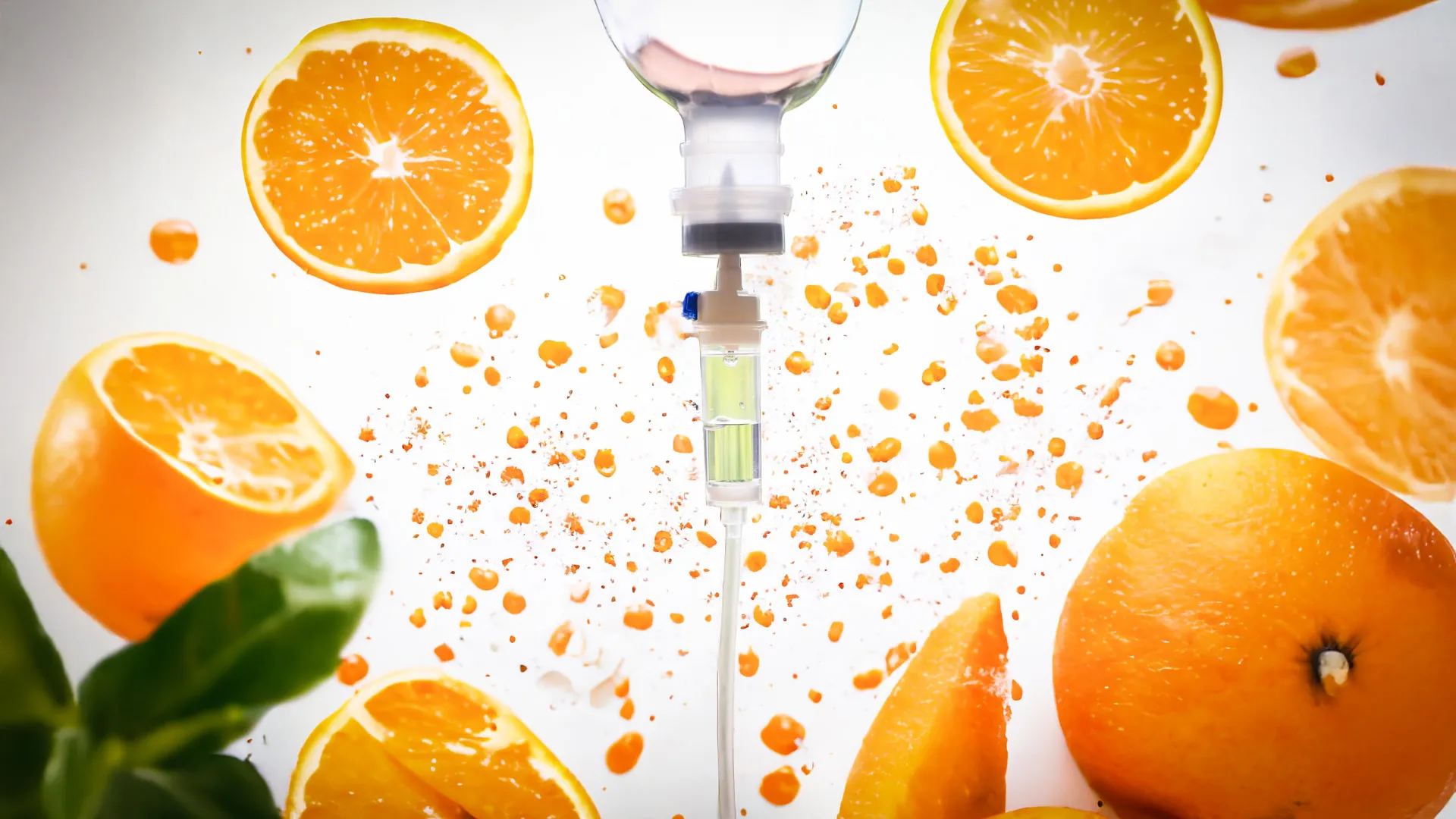
Intravenous administration, however, offers a direct pathway to the bloodstream, allowing for the achievement of blood levels that are orders of magnitude higher—tens or even hundreds of times greater—than what is attainable through oral supplementation. It is at these supra-physiological concentrations that vitamin C begins to exhibit fundamentally different biological activities within the body.
The Dual Nature of Vitamin C: From Antioxidant to Pro-Oxidant Weapon
At the milligram-level doses typically consumed as dietary supplements, vitamin C functions as a potent antioxidant. It plays a vital role in cellular health by neutralizing harmful free radicals—unstable molecules that can damage DNA, proteins, and lipids, contributing to oxidative stress and aging. This protective function is well-established and essential for maintaining overall health.
However, when vitamin C is administered at the gram-level doses achievable through intravenous infusion, its behavior undergoes a dramatic transformation. Particularly in the microenvironment surrounding tumors, high concentrations of vitamin C can shift from being a protective antioxidant to a pro-oxidant agent. In laboratory settings, these high doses have been shown to promote the generation of hydrogen peroxide (H₂O₂), a reactive oxygen species.
Cancer cells, often characterized by their rapid proliferation, suboptimal oxygen supply, and inherent state of oxidative stress, are particularly susceptible to this onslaught. Their internal cellular defense mechanisms, designed to manage naturally occurring reactive molecules, are already stretched to their limits. The introduction of a sudden surge of hydrogen peroxide, induced by high-dose vitamin C, can overwhelm these defenses. This can lead to significant damage to the cancer cells’ DNA and energy-producing machinery, ultimately triggering programmed cell death (apoptosis). Crucially, normal, healthy cells, being under less stress and possessing more robust defense systems, are comparatively more resilient to these effects. In this context, pharmacological doses of vitamin C, delivered intravenously, function less like a nutritional supplement and more akin to a targeted chemotherapy agent. The critical factor remains that these therapeutic concentrations are not achievable through oral tablet consumption.
Contemporary Research: A Cautious Re-evaluation
Decades after the initial controversy, contemporary scientific research is cautiously revisiting the role of high-dose intravenous vitamin C in cancer therapy. While the evidence remains in its nascent stages and presents a mixed picture, several promising avenues are being explored. Small-scale clinical trials have administered high-dose vitamin C intravenously to patients with notoriously difficult-to-treat cancers, including ovarian, pancreatic, and brain tumors.
Encouragingly, many patients in these trials have tolerated substantial doses of vitamin C administered multiple times per week with no significant adverse side effects. However, it is imperative to note that potential complications can arise, particularly in individuals with pre-existing kidney dysfunction or certain rare inherited metabolic disorders. This underscores that intravenous vitamin C is not a benign "wellness drip" to be casually administered outside of a controlled medical setting.
Some studies have suggested that the addition of vitamin C infusions to conventional chemotherapy regimens may offer modest benefits, such as a slight extension of survival or an amelioration of treatment-related side effects. Conversely, other investigations have failed to demonstrate clear advantages. The current body of evidence is characterized by the small size and heterogeneity of the trials, making it challenging to draw definitive conclusions.
Beyond Survival: The Impact on Quality of Life
Despite the lack of conclusive evidence for extending survival, one consistent observation across multiple studies pertains to the impact on quality of life. Patients receiving vitamin C infusions alongside their chemotherapy often report subjective improvements, including reduced fatigue, diminished pain, and fewer gastrointestinal side effects like nausea. For individuals grappling with advanced cancer, these improvements in daily well-being can be profoundly significant, even if they do not represent the sweeping cure once envisioned by Pauling.
Furthermore, laboratory research continues to uncover subtler, yet potentially important, roles for vitamin C in cancer biology. It is known to be involved in enzymatic processes that regulate DNA methylation—a critical mechanism that influences gene expression and cellular behavior. Vitamin C also plays a part in how cells divide and respond to hypoxic (low oxygen) conditions, both of which are hallmarks of cancerous growth.
Some experimental findings indicate that high vitamin C levels can inhibit the aggressive growth of cancer cells and enhance their susceptibility to existing treatments. There are even preliminary indications that vitamin C might bolster the immune system’s ability to recognize and target tumors, though this remains a speculative area requiring substantial further investigation.
A Partial Vindication: Understanding Pauling’s Legacy
So, was Linus Pauling ultimately correct in his assertions? The most balanced assessment suggests he was partly right, albeit for reasons he did not fully comprehend, and that he significantly exaggerated the potential. His promotion of vitamin C tablets as a panacea for cancer has not been substantiated by rigorous clinical trials; large-scale studies have consistently failed to demonstrate that high-dose oral vitamin C prolongs life in patients with established cancer. Similarly, his broader claims of vitamin C as a near-universal remedy for a wide array of illnesses remain unsupported by scientific evidence.
However, Pauling was not entirely mistaken in his intuition that vitamin C might possess a unique therapeutic role in cancer. He presciently sensed, long before definitive proof was available, that very high doses, administered intravenously, could exert distinct biological effects compared to conventional nutritional supplementation. Modern research has indeed validated that intravenous vitamin C can achieve significantly higher blood concentrations and elicit different physiological responses.
What remains lacking are large-scale, definitive randomized controlled trials that conclusively demonstrate that high-dose intravenous vitamin C demonstrably prolongs life for the majority of cancer patients. Until such evidence emerges, its use must be considered experimental. While promising enough to warrant continued scientific investigation, it is not yet sufficiently proven to supplant established standard therapies. Any application of high-dose intravenous vitamin C should be confined to the rigorous environment of clinical trials or carefully supervised medical settings, rather than being offered as an unregulated "immune boost" in commercial clinics.
The ongoing exploration of vitamins in cancer treatment continues to evolve. The story of Linus Pauling and vitamin C serves as a potent reminder that scientific progress rarely follows a linear path. A bold hypothesis, followed by flawed initial studies, a period of intense backlash, and then, years later, a more measured and nuanced re-examination of the original question—this cyclical process is characteristic of scientific discovery.
Linus Pauling may never be fully vindicated in the public eye, but neither can he be dismissed as simply deluded. In his fervent conviction and relentless pursuit, he may have glimpsed a fragment of a complex truth, long before the scientific community possessed the tools and understanding to fully discern it. The quest to unravel the multifaceted relationship between vitamin C and cancer is a testament to the enduring power of scientific inquiry, even when it revisits the ghosts of past controversies.
