
 By Lina carolina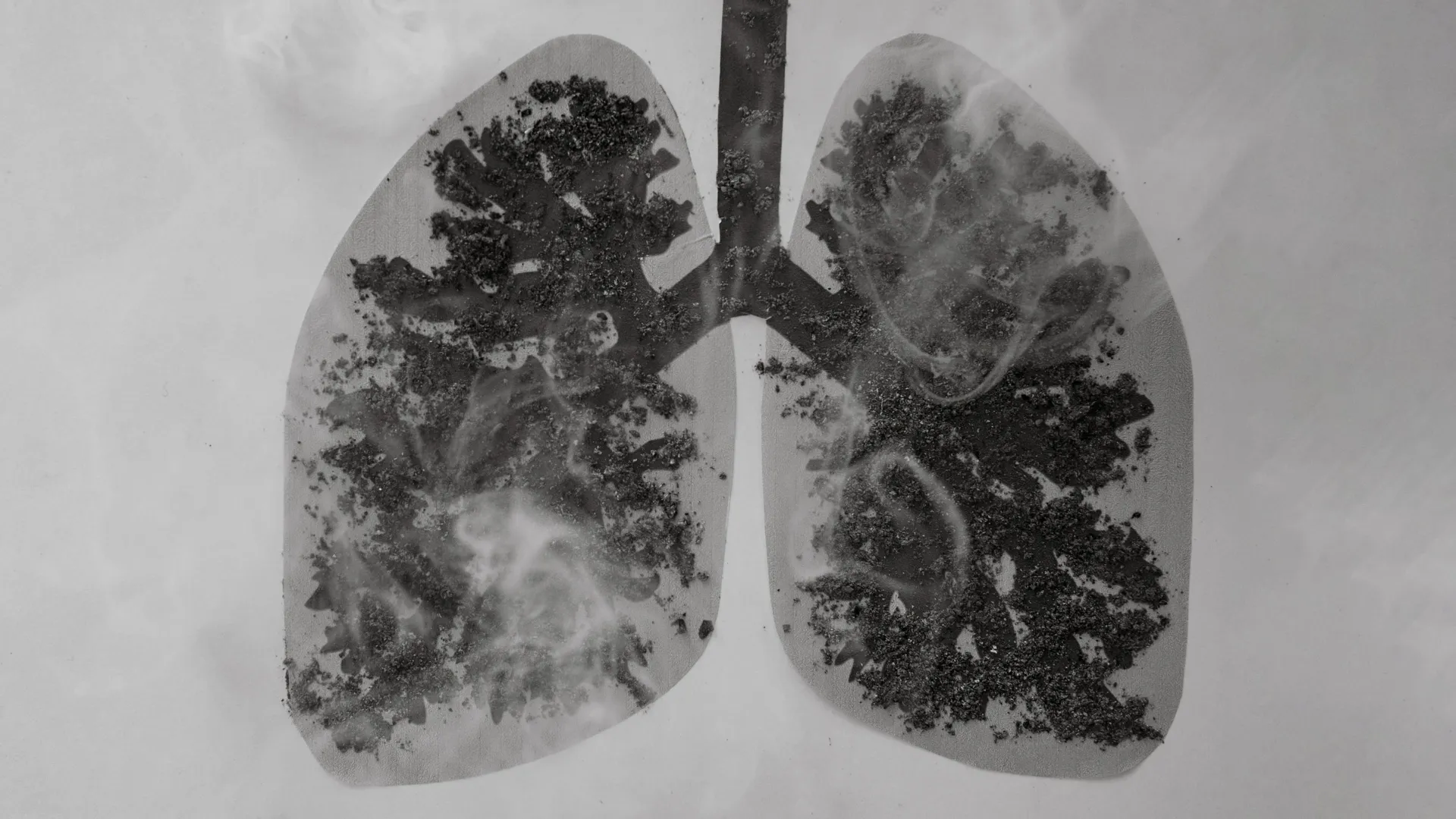
A groundbreaking study published on June 10 in ERJ Open Research has unveiled a striking difference in the lung cells of individuals with Chronic Obstructive Pulmonary Disease (COPD) compared to those who smoke but do not have the condition. Researchers have discovered that alveolar macrophages, crucial immune cells within the lungs, from COPD patients harbor a substantially greater accumulation of soot-like carbon deposits. These carbon particles, which can enter the respiratory system through cigarette smoke, diesel exhaust, and general air pollution, appear to play a more significant and detrimental role in the lungs of those with COPD.
The research, spearheaded by Dr. James Baker and Dr. Simon Lea from the University of Manchester, UK, delves into the intricate mechanisms underlying COPD, a progressive and debilitating lung disease affecting millions worldwide. COPD is characterized by airflow limitation that is not fully reversible, leading to persistent respiratory symptoms such as breathlessness, chronic cough, and sputum production. While smoking is the primary risk factor, genetic predisposition and environmental exposures, including air pollution, are also recognized contributors.
Understanding Alveolar Macrophages and Their Role
Alveolar macrophages are a type of white blood cell residing in the alveoli, the tiny air sacs in the lungs responsible for gas exchange. Their primary function is to act as the lungs’ first line of defense, engulfing and clearing inhaled foreign particles, pathogens (like bacteria and viruses), and cellular debris. This janitorial role is critical for maintaining lung health and preventing inflammation and infection.
However, the new study suggests that in the context of COPD, these vital cells may become overwhelmed or altered by the presence of carbon particles. When exposed to these deposits, the research indicates that alveolar macrophages not only increase in size but also exhibit an enhanced propensity to promote inflammation. This heightened inflammatory response is a hallmark of COPD, contributing to the irreversible lung damage and airflow obstruction characteristic of the disease.
Methodology and Key Findings
The Manchester-based research team utilized lung tissue samples obtained from surgical procedures performed for suspected lung cancer. Importantly, they focused on samples that were confirmed to be free of cancerous cells, ensuring that the findings were directly attributable to the respiratory condition itself. The study cohort comprised 28 individuals diagnosed with COPD and 15 individuals who were regular smokers but had not developed COPD.
Through meticulous microscopic examination, the researchers quantified the size of alveolar macrophages and measured the extent of carbon accumulation within these cells. The results were stark: alveolar macrophages from COPD patients contained, on average, more than three times the amount of carbon compared to those from smokers without COPD. Furthermore, cells demonstrably containing carbon were consistently larger than their counterparts with no visible carbon deposits.
Correlation with Lung Function
Beyond simply observing the presence of carbon, the study established a significant correlation between the burden of carbon deposits and lung function. Patients exhibiting larger accumulations of carbon within their alveolar macrophages demonstrated poorer lung function, as assessed by the Forced Expiratory Volume in one second (FEV1%). FEV1% is a critical metric used to quantify the volume of air a person can forcibly exhale in one second, serving as a key indicator of airway obstruction. A lower FEV1% value signifies more severe airflow limitation, a defining characteristic of COPD.
In Vitro Experiments: Unveiling the Inflammatory Link
To further elucidate the impact of carbon particles on alveolar macrophages, the researchers conducted laboratory experiments. They exposed macrophages to carbon particles in a controlled environment and observed a notable transformation. The cells not only swelled in size, mirroring the in-vivo findings, but also began producing significantly higher levels of pro-inflammatory proteins. This experimental evidence strongly suggests that carbon accumulation directly triggers or exacerbates an inflammatory cascade within the lungs, a process that is intimately linked to the progression of COPD.
Divergent Origins: Beyond Simple Smoking
Dr. Lea emphasized a crucial distinction emerging from the study: "As we compared cells from COPD patients with cells from smokers, we can see that this build-up of carbon is not a direct result of cigarette smoking." This statement is pivotal. While cigarette smoke is a major source of carbon particles, the research indicates that the enhanced accumulation in COPD patients is not simply a linear consequence of smoking duration or intensity. Instead, it points to a more complex interplay where alveolar macrophages in COPD patients are inherently different in their form and function, leading to greater carbon uptake and retention compared to smokers without the disease.
This observation raises intriguing questions about the underlying mechanisms. Dr. Lea posited two primary hypotheses: "It could be that people with COPD are less able to clear the carbon they breathe in. It could also be that people exposed to more particulate matter are accumulating this carbon and developing COPD as a result." The former suggests a compromised clearance mechanism in COPD, while the latter implies that higher environmental particulate exposure could be a direct trigger for developing the disease in susceptible individuals.
Broader Implications and Future Directions
The findings of this study carry significant implications for our understanding and management of COPD. The clear link between carbon accumulation, increased inflammation, and reduced lung function underscores the potential role of environmental pollutants as not just aggravating factors but potentially as initiators or accelerators of COPD pathogenesis.
Professor Fabio Ricciardolo, Chair of the European Respiratory Society’s group on monitoring airway disease and an independent expert not involved in the research, provided a concise overview of the study’s significance: "This set of experiments suggest that people with COPD accumulate unusually large amounts of carbon in the cells of their lungs. This build-up seems to be altering those cells, potentially causing inflammation in the lungs and leading to worse lung function." He further highlighted the research’s contribution to understanding the impact of air pollution, stating, "In addition, this research offers some clues about why polluted air might cause or worsen COPD."
A Call to Action: Reducing Pollution and Smoking Cessation
Professor Ricciardolo’s commentary implicitly reinforces the established public health imperative: "However, we know that smoking and air pollution are risk factors for COPD and other lung conditions, so we need to reduce levels of pollution in the air we breathe and we need to help people to quit smoking." This study adds a mechanistic layer to these well-known risk factors, suggesting that interventions aimed at reducing particulate matter exposure and promoting smoking cessation could have a profound impact on preventing and mitigating the severity of COPD.
The research team’s future aspirations align with these broader goals. Dr. Lea expressed a desire to "study how this carbon builds up and how lung cells respond over a longer period of time." Such longitudinal studies would be invaluable in mapping the progression of carbon accumulation and its dynamic impact on lung health throughout the course of COPD.
Historical Context and Evolving Understanding of COPD
The understanding of COPD has evolved significantly over the decades. Initially, it was largely viewed as an inevitable consequence of heavy smoking, often referred to as "smoker’s cough" or "emphysema." However, research in recent decades has illuminated the complex multifactorial nature of the disease. Genetic factors, such as alpha-1 antitrypsin deficiency, were identified as contributing to COPD in a subset of individuals. Simultaneously, epidemiological studies began to highlight the significant role of occupational exposures to dusts and fumes, as well as the pervasive impact of ambient air pollution, particularly in urban and industrialized regions.
The current study by Baker and Lea’s team fits within this evolving landscape, providing a tangible cellular mechanism that links environmental particulate matter to the disease process. The timeline of this research can be traced back to earlier observations of increased respiratory symptoms in polluted environments and among individuals exposed to high levels of airborne particles. Previous research had already established that inhaled particles could trigger inflammatory responses in the lungs. However, this study offers a more specific insight by pinpointing alveolar macrophages as key players and demonstrating a quantitative difference in carbon burden between COPD patients and non-COPD smokers.
Supporting Data and Global Impact
The World Health Organization (WHO) estimates that COPD affects approximately 251 million people globally and is the third leading cause of death worldwide. In 2019, COPD caused 3.2 million deaths. These staggering figures underscore the urgent need for effective prevention and treatment strategies.
The economic burden of COPD is also substantial, encompassing healthcare costs, lost productivity, and premature mortality. In the United States alone, COPD and its related conditions cost the nation an estimated $49.9 billion in 2010, according to the Centers for Disease Control and Prevention (CDC). This new research, by potentially identifying a modifiable environmental factor that contributes to disease severity, could inform future public health policies and interventions aimed at reducing this burden.
Official Responses and Policy Implications
While no direct official responses from government health bodies were immediately available at the time of this report, the findings of this study are likely to be of significant interest to respiratory health organizations and policymakers. The European Respiratory Society, for instance, has been a vocal advocate for cleaner air and smoking cessation programs. The implications of this research could bolster their arguments for stricter air quality regulations and more robust public health campaigns.
For example, if it is definitively established that individuals with COPD have a compromised ability to clear inhaled carbon, this could lead to recommendations for enhanced personal protective measures for such individuals in polluted environments. Similarly, if increased particulate matter exposure is shown to be a direct cause of COPD in susceptible individuals, it could strengthen the case for urban planning initiatives that prioritize green spaces and reduce traffic-related pollution.
Conclusion: A Step Towards Targeted Prevention
The study by Dr. Baker, Dr. Lea, and their colleagues represents a significant step forward in our understanding of COPD’s complex etiology. By providing a clear, cell-level link between carbon particle accumulation and disease pathology, the research opens new avenues for investigation and potentially for more targeted preventative strategies. While smoking remains a primary driver, the findings underscore the critical role of environmental factors, such as air pollution, in the development and exacerbation of COPD. Continued research into the precise mechanisms of carbon uptake and clearance, as well as the development of therapies that target inflammatory pathways triggered by these particles, holds promise for improving the lives of millions affected by this devastating lung disease. The call to action remains clear: reducing exposure to harmful airborne pollutants and supporting smoking cessation are paramount in the fight against COPD.
