
 By admin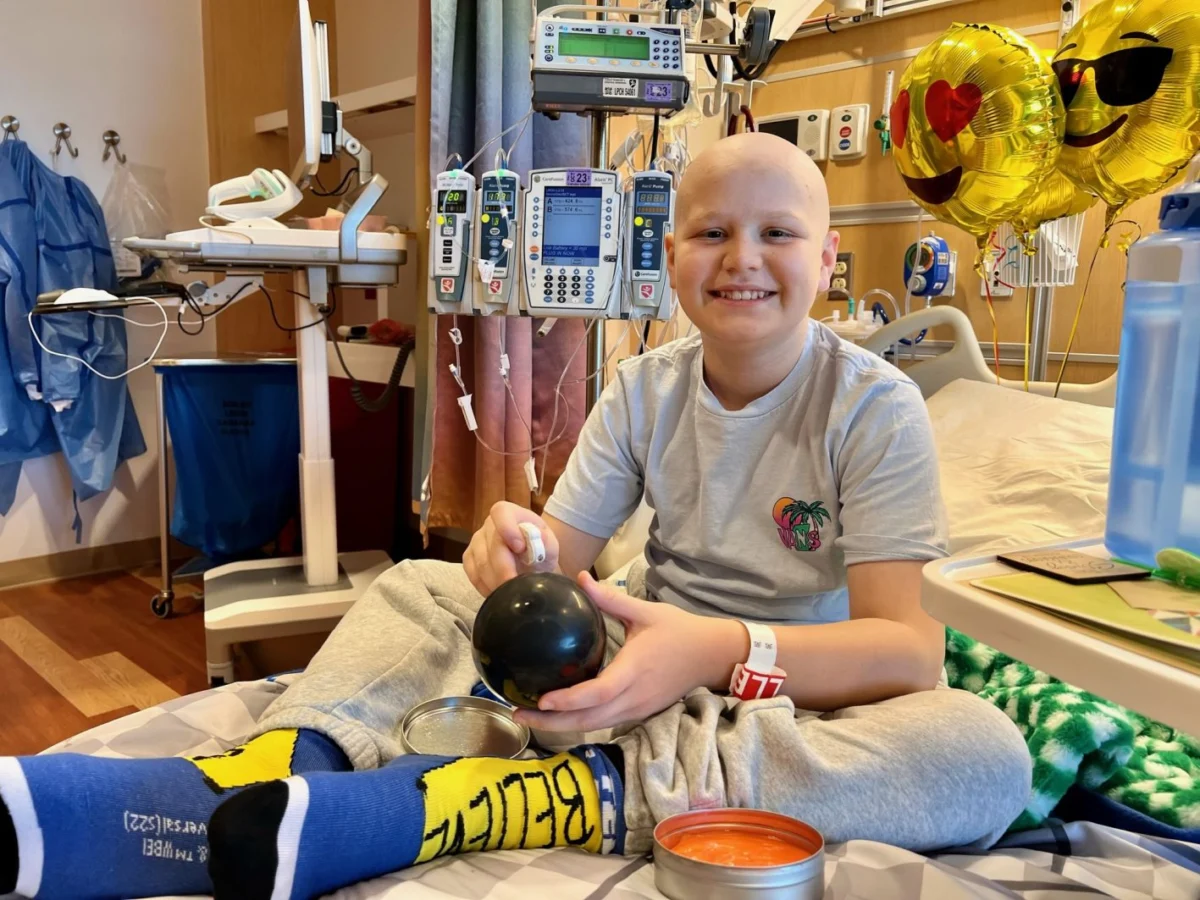
The diagnostic journey for Max, a young teenager already navigating the complexities of Type 1 diabetes, began not with a definitive clinical finding, but with a mother’s unwavering intuition in the face of repeated medical dismissals. When physicians initially suggested that Max’s persistent abdominal pain was likely the result of routine constipation, his mother, Paige, remained unconvinced. Having meticulously managed Max’s dietary intake and insulin requirements since his diabetes diagnosis years prior, she knew his baseline physiology better than any chart could reflect. Despite three separate visits to the emergency room over a three-week period, the medical advice remained consistent: increase fiber intake and wait for the issue to resolve.
The tension reached a breaking point during the third emergency room visit. Paige challenged the attending staff, demanding a more rigorous investigation into the source of her son’s escalating agony. She noted that Max’s water and fiber intake already far exceeded standard recommendations, yet his condition was deteriorating. Her refusal to leave the hospital without further imaging proved to be a life-saving decision. An MRI eventually revealed the true source of the pain: a significant tumor. The diagnosis was not constipation, but Burkitt’s lymphoma—a rare, highly aggressive form of B-cell non-Hodgkin lymphoma that is characterized by its rapid progression and high proliferation rate. For Max and his family, the transition from managing a common digestive complaint to facing a life-threatening malignancy occurred in a matter of hours.
Clinical Context: The Nature of Burkitt’s Lymphoma
Burkitt’s lymphoma represents one of the fastest-growing human tumors, with a doubling time that can be as short as 24 hours. While it accounts for approximately 1% to 2% of all lymphomas in adults, it is more prevalent in the pediatric population. The disease is often associated with a chromosomal translocation involving the MYC gene, which leads to the uncontrolled growth of white blood cells. Because of its aggressive nature, the standard of care requires immediate and intensive multi-agent chemotherapy.
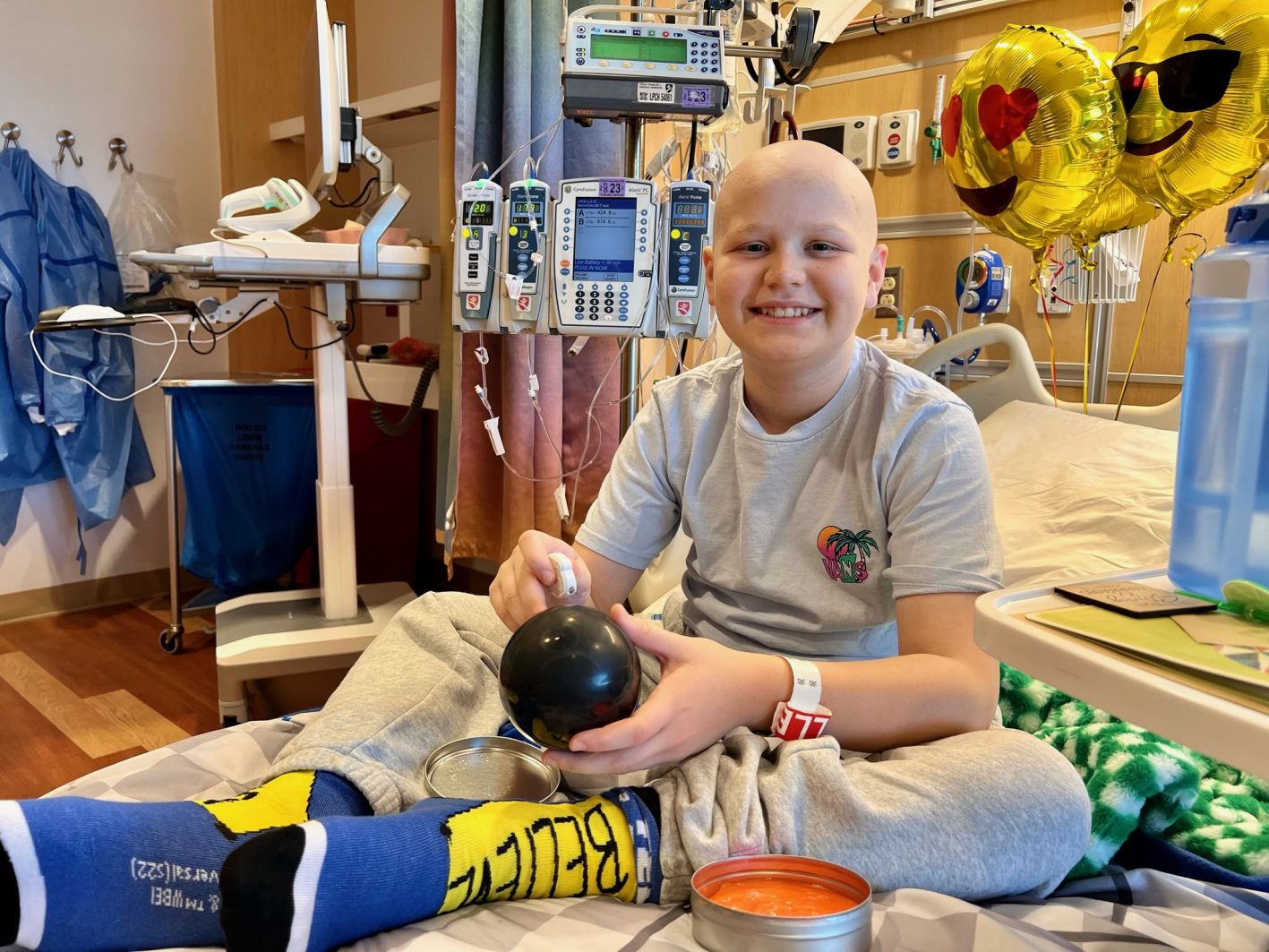
In Max’s case, the medical team at the hospital outlined a grueling roadmap for treatment. This included a bone marrow biopsy to determine if the cancer had spread to his skeletal system, multiple lumbar punctures to check for central nervous system involvement, and the surgical placement of a port in his chest for the administration of potent chemotherapeutic agents. What began as a midnight trip to the emergency room evolved into a multi-week inpatient stay, marking the start of a marathon of medical intervention.
The Dual Burden: Managing Type 1 Diabetes During Oncology Treatment
The complexity of Max’s case was significantly amplified by his pre-existing Type 1 diabetes. In pediatric oncology, the management of a secondary chronic condition like diabetes presents a unique set of physiological challenges. The primary issue stems from the use of high-dose corticosteroids, such as prednisone or dexamethasone, which are foundational components of many lymphoma treatment protocols. While these steroids are effective at killing cancer cells and reducing inflammation, they induce profound insulin resistance, leading to erratic and dangerously high blood glucose levels.
For Max, whose diabetes was typically managed through a continuous glucose monitor (CGM) and an insulin pump, the chemotherapy-induced fluctuations were difficult to predict. High blood sugar levels do more than just complicate diabetes management; in a cancer patient, hyperglycemia can increase the risk of secondary infections and impair the body’s ability to heal from the toxic side effects of chemotherapy. Furthermore, the nausea associated with his treatment made it difficult to maintain a consistent carbohydrate intake, creating a volatile environment for his metabolic health.
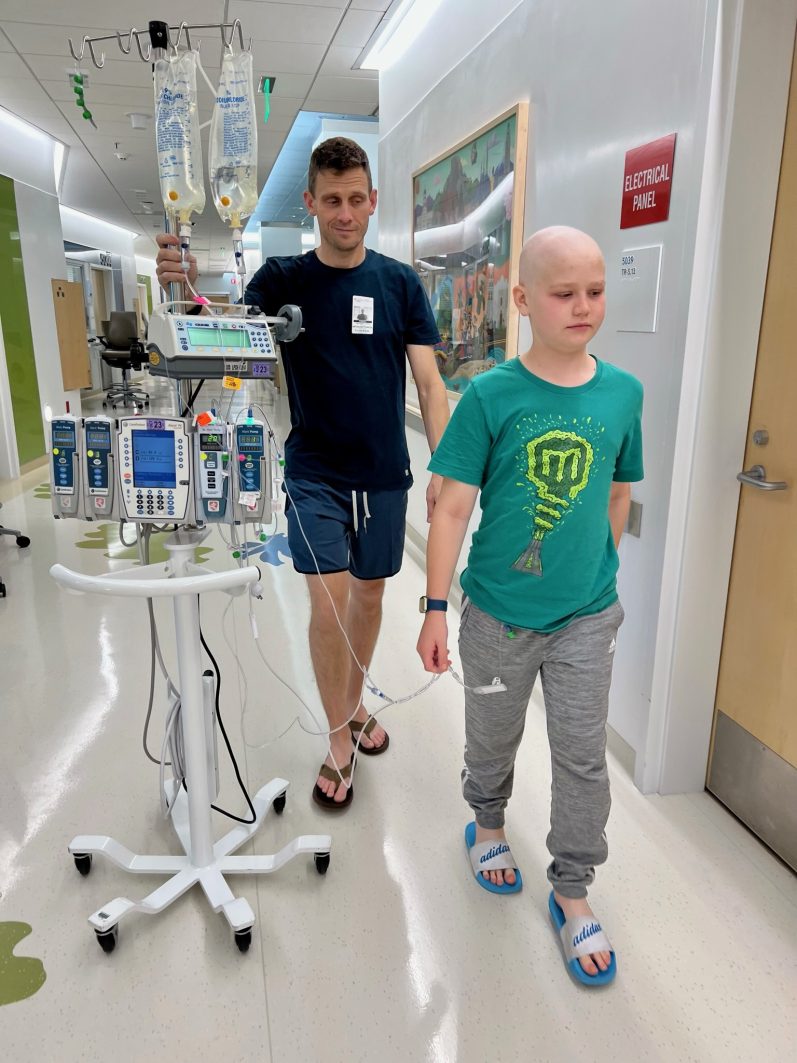
A systemic gap in hospital technology added a layer of administrative burden to the family’s stress. Despite the sophistication of modern CGMs, the hospital’s electronic health record system was unable to integrate the real-time data from Max’s monitoring device. Consequently, Paige and Zac, Max’s father, were forced to manually record every gram of carbohydrate, every blood glucose reading, and every insulin dose on paper charts. This data was then manually entered into the hospital’s system by nursing staff. This "hands-on" requirement meant the parents were not just emotional supports, but active participants in a minute-to-minute medical management process that lasted for weeks at a time.
A Strategy of Resilience and Patient Agency
Faced with a diagnosis that can be fatal if not treated aggressively, Max adopted a psychological stance defined by resilience. Upon learning that his cancer, while aggressive, was also highly susceptible to chemotherapy because of its lack of "resilience" at a cellular level, Max set a personal goal: to be more resilient than the disease. This mindset became the cornerstone of his recovery.
One of the most striking aspects of Max’s journey was his insistence on maintaining a sense of control. In pediatric medicine, patients are often sedated for invasive procedures like lumbar punctures to minimize trauma. However, Max found the loss of autonomy under general anesthesia to be more distressing than the procedure itself. He made the deliberate choice to remain awake during these spinal needle insertions, utilizing mental exercises and deep-focus techniques to manage the discomfort.
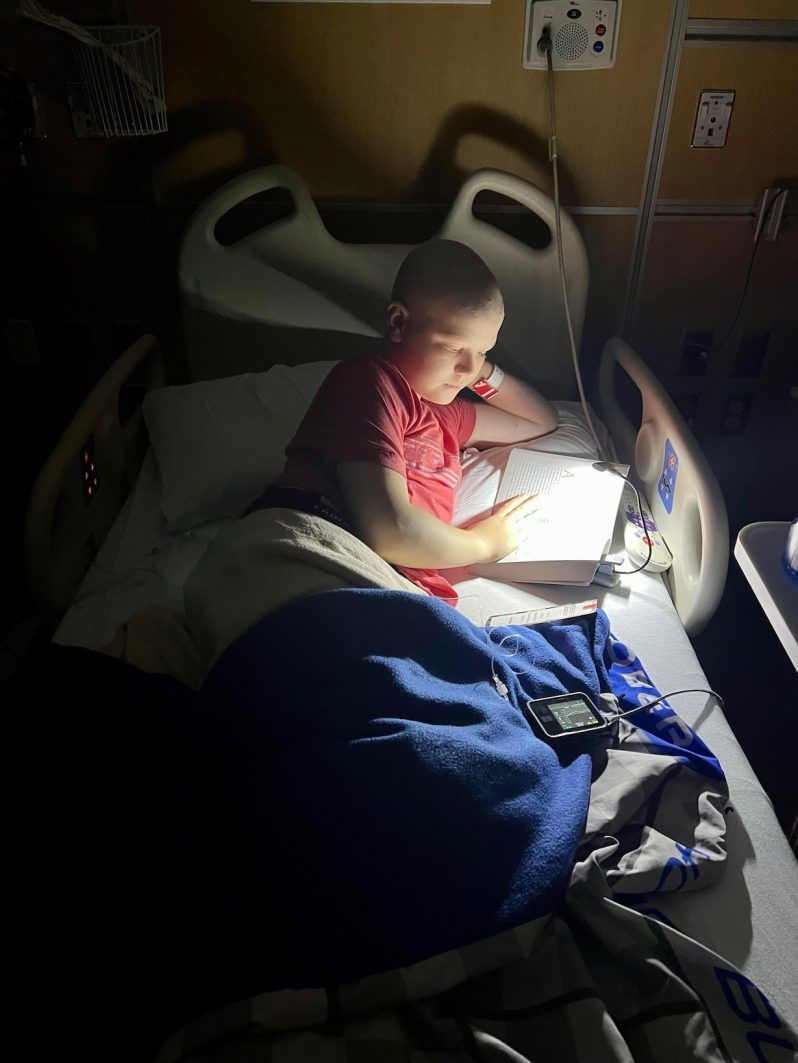
To combat the muscle atrophy and physical weakness that often accompany prolonged hospitalizations and intensive chemotherapy, Max turned to virtual reality. Using a Meta Quest headset, he played "Gorilla Tag," a high-energy game that required him to move his arms and torso vigorously. This unconventional form of physical therapy allowed him to work up a sweat and maintain his cardiovascular health within the confines of his hospital room, providing a necessary escape from the clinical environment.
The Physical and Psychological Toll of Imaging
While chemotherapy was the primary tool for eradication, the monitoring of the disease through PET/CT scans proved to be one of the most grueling aspects of Max’s experience. These scans require the patient to lie perfectly still for extended periods—sometimes up to three hours—inside a narrow, heated tube. For a diabetic patient, these scans are even more complex, as blood sugar levels must fall within a very specific range for the radioactive tracer to provide a clear image of metabolic activity.
Zac described the environment inside the PET/CT machine as sensory-overwhelming, comparing the mechanical clanging to the high-volume intro of Pink Floyd’s "Money." Bound at his sides to prevent movement, Max endured the heat and the noise by employing visualization and positive mantras. He frequently repeated phrases such as "This isn’t permanent" and "I will get through this" to anchor himself during moments of claustrophobia and physical distress.
The Role of Medical Research and Clinical Trials
Max’s survival is a testament to decades of clinical research in the field of pediatric hematology-oncology. Burkitt’s lymphoma was once considered a near-universal death sentence. However, through international clinical trials and the development of intensive, short-duration chemo-immunotherapy protocols (often involving drugs like cyclophosphamide, vincristine, and rituximab), the cure rate for pediatric Burkitt’s lymphoma has risen to nearly 90%.
The protocols that saved Max’s life were built on the contributions of thousands of previous patients and researchers who refined the balance between aggressive cell-killing and the management of toxicity. Paige reflected on this historical context with profound gratitude, acknowledging that the milestones Max is now reaching—such as his first day of high school—were once impossible for children with this diagnosis.
Looking Toward a Future in Biomedical Research
Today, Max’s focus has shifted from surviving a disease to understanding the mechanisms of healing. Inspired by his experiences at the intersection of two complex medical conditions, he has expressed a desire to become a biologist. His goal is to contribute to the research of cures for various ailments, not limited to cancer, but encompassing any condition that causes human suffering.
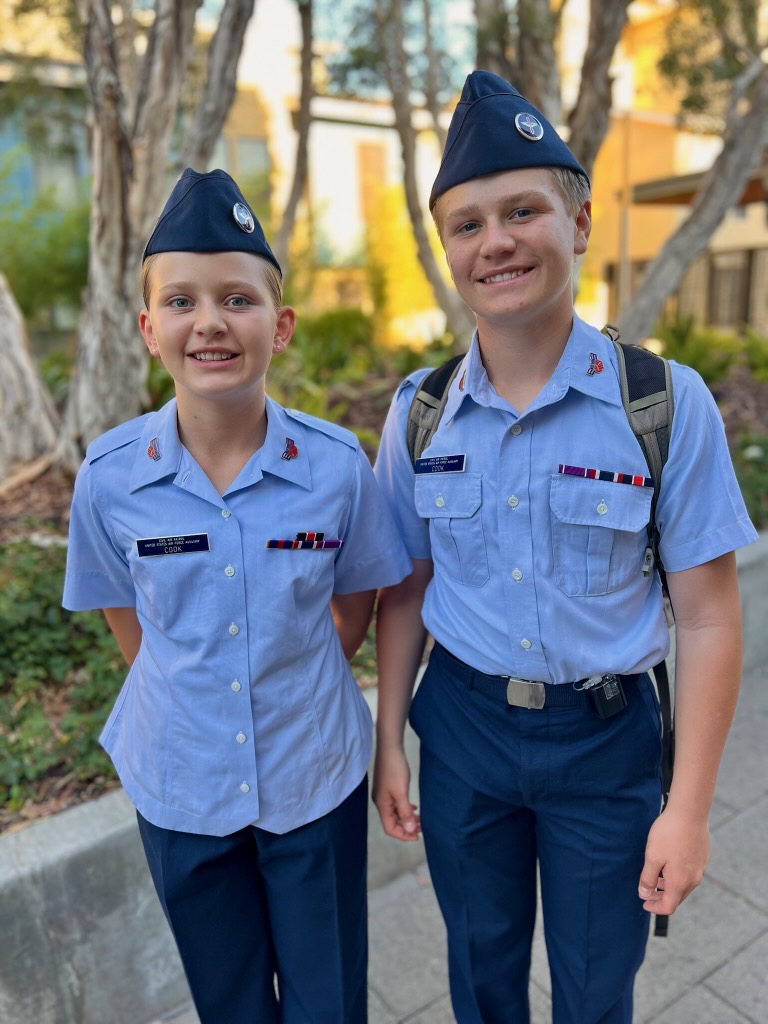
His recovery has been marked by a return to high-level physical activity. Inspired by the book "The Boys in the Boat," Max took up rowing, a sport that requires immense physical endurance and synchronized teamwork. He and his sister now row six days a week, a remarkable feat for a teenager who, not long ago, was facing the possibility of muscle wasting and terminal illness. Additionally, Max participated in a week-long Civil Air Patrol European Encampment in Germany, where he engaged in military drills, aerospace lessons, and leadership training, further demonstrating his reclaimed vitality.
Broader Implications for Pediatric Healthcare
Max’s story highlights several critical areas for improvement in the broader healthcare system. First, it underscores the vital importance of parental advocacy. Diagnostic "anchoring"—a cognitive bias where clinicians rely too heavily on the first piece of information offered (in this case, constipation)—can lead to dangerous delays in treating aggressive cancers. Max’s case serves as a reminder that when a patient’s symptoms do not align with a standard diagnosis, further investigation is mandatory.
Second, the lack of integration between personal health technology, such as insulin pumps and CGMs, and hospital electronic health records represents a significant hurdle for patients with comorbid conditions. As wearable health technology becomes more prevalent, the medical infrastructure must evolve to allow for the seamless transfer of data to reduce the burden on families and improve clinical accuracy.
Finally, Max’s journey emphasizes the power of the "patient-as-partner" model. By allowing Max to make decisions about his anesthesia and his physical activity, his medical team fostered a sense of agency that contributed to his mental fortitude. As he moves forward, Max hopes to use his story to encourage other pediatric patients to maintain a positive, determined mindset. His experience serves as a powerful narrative of how the combination of advanced medical science, parental persistence, and individual character can overcome even the most aggressive of challenges.
