
 By Budi Oetomo Narendra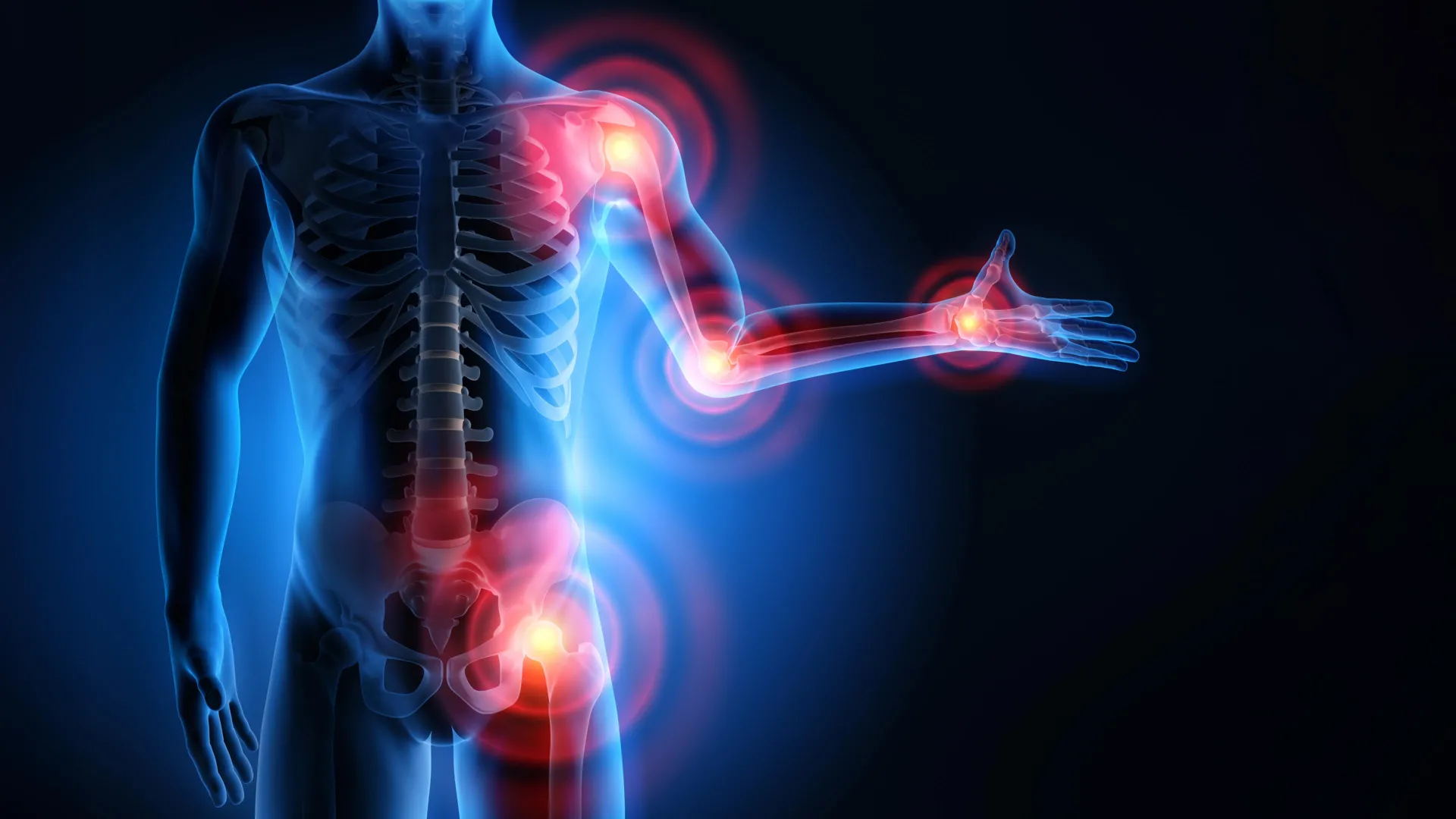
Millions of people globally rely on statins, a class of cholesterol-lowering medications, to significantly reduce their risk of heart attack and stroke. Despite their proven efficacy, a substantial number of patients experience muscle pain, weakness, and exercise intolerance, often referred to as Statin-Associated Muscle Symptoms (SAMS), which can lead to treatment discontinuation or dose reduction. Now, a groundbreaking study from McMaster University has identified a novel biological pathway that sheds light on why these debilitating muscle symptoms develop, offering a promising avenue for the creation of new treatments that could improve statin tolerability without compromising their vital cardiovascular benefits.
The research, recently published in the prestigious journal Science Advances, points to a previously unrecognized interaction between the body’s immune system and the intricate metabolic processes within muscle cells. This intricate mechanism appears to be a significant contributor to the muscle damage observed in some statin users, challenging long-held assumptions about the root causes of these widespread side effects. The discovery holds immense potential for future drug development aimed at making statins more accessible and effective for a broader patient population.
The Statin Imperative: A Cornerstone of Cardiovascular Health
Cardiovascular disease (CVD) remains the leading cause of death worldwide, accounting for an estimated 17.9 million lives each year, according to the World Health Organization. This includes conditions such as heart attacks, strokes, and peripheral artery disease, all frequently linked to elevated levels of low-density lipoprotein (LDL) cholesterol, often dubbed "bad" cholesterol. Statins, first introduced in the late 1980s, revolutionized the approach to managing hypercholesterolemia and preventing CVD. By inhibiting HMG-CoA reductase, an enzyme critical for cholesterol synthesis in the liver, statins effectively lower LDL cholesterol levels and reduce inflammation in blood vessels, thereby stabilizing atherosclerotic plaques and significantly cutting the risk of cardiovascular events.
Their impact on public health has been profound. In the United States alone, an estimated 47 million adults aged 40 and over used statins between 2015 and 2018, representing nearly 28% of that demographic. Similar high rates of prescription are observed across developed nations. Large-scale clinical trials, such as the Scandinavian Simvastatin Survival Study (4S) and the Cholesterol Treatment Trialists’ (CTT) Collaboration meta-analyses, have consistently demonstrated that statin therapy can reduce the risk of major cardiovascular events by 20-25% for every 1 mmol/L reduction in LDL cholesterol. This makes them one of the most effective and widely prescribed medications in modern medicine, indispensable in the global fight against CVD.
The Persistent Challenge of Statin-Associated Muscle Symptoms (SAMS)
Despite their undeniable benefits, the muscle-related side effects of statins have presented a persistent clinical challenge. While rare, severe conditions like rhabdomyolysis (muscle breakdown leading to kidney damage) are well-known, the more common and milder SAMS are far more prevalent. These symptoms typically manifest as myalgia (muscle aches), weakness, cramping, tenderness, or stiffness, often experienced symmetrically and disproportionately in large muscle groups like the thighs, buttocks, and shoulders. The onset can be gradual, sometimes appearing weeks or months after initiating therapy, and can significantly impair daily activities and quality of life.
Estimates regarding the prevalence of SAMS vary widely in clinical practice, ranging from 7% to as high as 29% in observational studies, influenced by factors such as patient demographics, specific statin type and dosage, and the methodology of symptom assessment. This variability underscores the complexity of diagnosing and managing SAMS, as symptoms can also be attributed to other conditions. However, what remains consistent is the detrimental impact of SAMS on patient adherence. Studies indicate that up to 50% of patients who experience statin-related muscle symptoms may reduce their dose or discontinue the medication altogether. This non-adherence directly translates to a higher risk of recurrent cardiovascular events, negating the very purpose of the therapy and contributing to significant healthcare costs associated with managing preventable heart attacks and strokes. The ability to mitigate SAMS without compromising efficacy has thus become a holy grail in cardiovascular pharmacology.
Unveiling the Mechanism: An Immune-Metabolic Pathway
For years, the exact biological processes underlying SAMS have remained elusive, leading to various hypotheses. Early theories often centered on mitochondrial dysfunction, given statins’ potential to interfere with coenzyme Q10 synthesis, which plays a role in mitochondrial energy production. Other ideas included direct muscle toxicity or genetic predispositions. However, the McMaster University team’s research introduces a compelling new paradigm, suggesting a previously unrecognized interplay between cellular energy metabolism and immune activation within muscle cells.
"Statins are among the most effective medications we have for reducing cardiovascular disease risk and preventing early death," stated Jonathan Schertzer, a professor in McMaster’s Department of Biochemistry and Biomedical Sciences and the senior author of the study. "Unfortunately, muscle side-effects lead some people to reduce their dose or stop taking the medication altogether. We wanted to understand why this happens and whether it might be possible to separate the side-effects from the benefits."
The research, led by first authors Nazli Robin and Nicole Barra from the Schertzer Lab, revealed that statins can interfere with the intricate processes by which muscle cells generate energy. This metabolic disruption, rather than a direct toxic effect, appears to be the primary trigger. Crucially, the team discovered that this energetic imbalance then activates an immune response inside the muscle cells themselves, initiating a cascade that leads to tissue damage and the characteristic pain and weakness associated with SAMS. In controlled experiments utilizing both cultured muscle cells and advanced mouse models, the researchers were able to significantly prevent much of this muscle damage simply by blocking the identified immune response. This finding is particularly significant because it suggests a specific, targetable pathway.
A Deeper Dive into the McMaster Discovery
The elegance of the McMaster discovery lies in its elucidation of a previously unappreciated causal link. When muscle cells’ energy production (their metabolism) is perturbed by statin activity, the cells interpret this internal stress as a threat. This interpretation, in turn, activates specific immune pathways, effectively causing the muscle cells to launch an auto-inflammatory response against themselves. This localized inflammation and subsequent damage contribute directly to the symptoms experienced by patients. The research team meticulously demonstrated that by introducing compounds designed to inhibit or modulate this immune signaling pathway, they could largely prevent the cellular damage observed, even in the continued presence of statins.
"One of the most exciting findings of the research is that the mechanism causing muscle side-effects appears to be separate from the mechanism that lowers cholesterol," Schertzer emphasized. This distinction is paramount for future therapeutic interventions. If the muscle-damaging pathway is indeed separate from the cholesterol-lowering pathway, it opens the door to developing "next-generation" statins or co-administered therapies that can specifically target and neutralize the immune-mediated muscle damage without compromising the primary cardiovascular benefits of the drug. This would be a monumental step forward, transforming the landscape of statin therapy and potentially restoring quality of life for millions.
Historical Context: The Evolution of Statin Therapy
The journey of statins from scientific curiosity to a global health staple is a testament to persistent research. The discovery of compactin in 1976 by Akira Endo and his team in Japan marked the beginning. Soon after, Merck’s Alfred W. Alberts isolated mevastatin, followed by lovastatin, which became the first FDA-approved statin in 1987. Clinical trials throughout the 1990s and early 2000s, such as WOSCOPS, CARE, and LIPID, firmly established their efficacy in primary and secondary prevention of CVD.
As statin use became widespread, clinicians began observing and reporting the muscle-related side effects. Initially, these were often dismissed or attributed to other factors. However, as the body of evidence grew, and with the rise of patient advocacy, SAMS gained recognition as a legitimate clinical concern. Research efforts intensified globally to understand this phenomenon, leading to investigations into genetic predispositions, drug-drug interactions, and various cellular mechanisms. The McMaster study represents a significant leap in this ongoing quest, providing a clearer, mechanistic explanation that moves beyond correlation to causation, and more importantly, offers actionable targets for intervention.
Revolutionizing Patient Care: Implications for Future Treatments
The implications of the McMaster findings are far-reaching, particularly for patient care and pharmaceutical innovation. The identification of this specific immune-metabolic pathway offers several potential targets for new drug development. Future strategies could include:
- Adjunctive Therapies: Developing a complementary medication that could be co-administered with statins to block the identified immune response in muscle cells, thereby preventing SAMS without altering statins’ cholesterol-lowering action.
- Modified Statins: Investigating if chemical modifications to existing statin molecules could reduce their propensity to trigger this immune-metabolic disruption while retaining their efficacy.
- Personalized Medicine: Understanding the genetic or physiological factors that make certain individuals more susceptible to this immune-mediated response could lead to personalized prescribing strategies, perhaps involving diagnostic tests to identify at-risk patients before treatment.
"These findings give us a clearer understanding of why some patients experience muscle symptoms and provide promising directions for making these important medications safer and more effective in the future," added Schertzer. For the millions of patients currently struggling with SAMS, this research offers a tangible hope for improved quality of life and sustained cardiovascular protection. Enhanced statin tolerability would mean better patient adherence, ultimately leading to a reduction in preventable cardiovascular events and a significant positive impact on public health outcomes.
Broader Scientific Resonance: Beyond Statins
Beyond its direct relevance to statin therapy, this discovery holds broader scientific resonance. The unexpected relationship uncovered between cellular metabolism and the activation of the immune system within the same cell type offers novel insights into how inflammation might contribute to various medication side effects, or even disease pathologies. It suggests that disturbances in how cells process energy can be a direct signal for immune activation, a concept that could be explored in other contexts where metabolic dysregulation and inflammation intersect.
This paradigm shift could influence research into other drug toxicities, metabolic disorders, and autoimmune conditions where cellular stress and inflammation are key players. The finding reinforces the growing understanding of the intricate crosstalk between metabolic pathways and immune signaling, suggesting that manipulating one can profoundly impact the other.
Expert Perspectives and Hopes for Patients
The medical community is likely to welcome these findings with considerable enthusiasm. Dr. Sarah Jenkins, a leading cardiologist not involved in the study, commented, "This breakthrough from McMaster is truly exciting. Statin intolerance is a major clinical challenge that we face daily. Having a clear biological mechanism, especially one that differentiates the side effect from the primary benefit, opens up entirely new avenues for targeted therapies. This could mean a significant improvement in patient adherence, leading to better long-term cardiovascular outcomes for countless individuals."
Patient advocacy groups, such as the Canadian Heart and Stroke Foundation or the American Heart Association, would likely echo this optimism, highlighting the relief this research could bring to those suffering from SAMS. "Patients have long voiced their frustrations over statin-induced muscle pain, often feeling caught between managing their cholesterol and enduring discomfort," stated a hypothetical representative from a patient advocacy organization. "This research offers a beacon of hope that we can soon have solutions that allow patients to fully benefit from these life-saving drugs without compromise."
The pharmaceutical industry will undoubtedly be monitoring these developments closely. The identification of specific immune pathways as therapeutic targets could spark significant investment in research and development for novel compounds or repurposing existing immune modulators. The market for improved statin tolerability is substantial, given the global burden of CVD and the widespread use of statins.
The Power of International Collaboration
This significant research was not a solitary endeavor but the result of a robust international collaboration, underscoring the global nature of scientific advancement. The project involved contributions from several esteemed institutions worldwide: the Centre International de Recherche en Infectiologie (CIRI) in Lyon, France; the Centre for Muscle Research at the University of Melbourne, Australia; the Murdoch Children’s Research Institute and The Royal Children’s Hospital in Australia; York University in Canada; and McMaster’s Department of Pathology and Molecular Medicine. Such collaborative efforts are crucial for pooling expertise, resources, and diverse perspectives, accelerating the pace of discovery in complex biological fields.
The project received vital funding from the Natural Sciences and Engineering Research Council of Canada (NSERC), highlighting the critical role of government and public funding in supporting fundamental research that can lead to such impactful clinical implications. While further research, including clinical trials, is undoubtedly needed to translate these findings into practical treatments for patients, the newly identified pathway provides several concrete targets for medications designed to prevent statin intolerance. This discovery marks a pivotal moment in the ongoing effort to make one of the most effective cardiovascular medications even safer and more universally beneficial.
