
 By Gabriel Paijo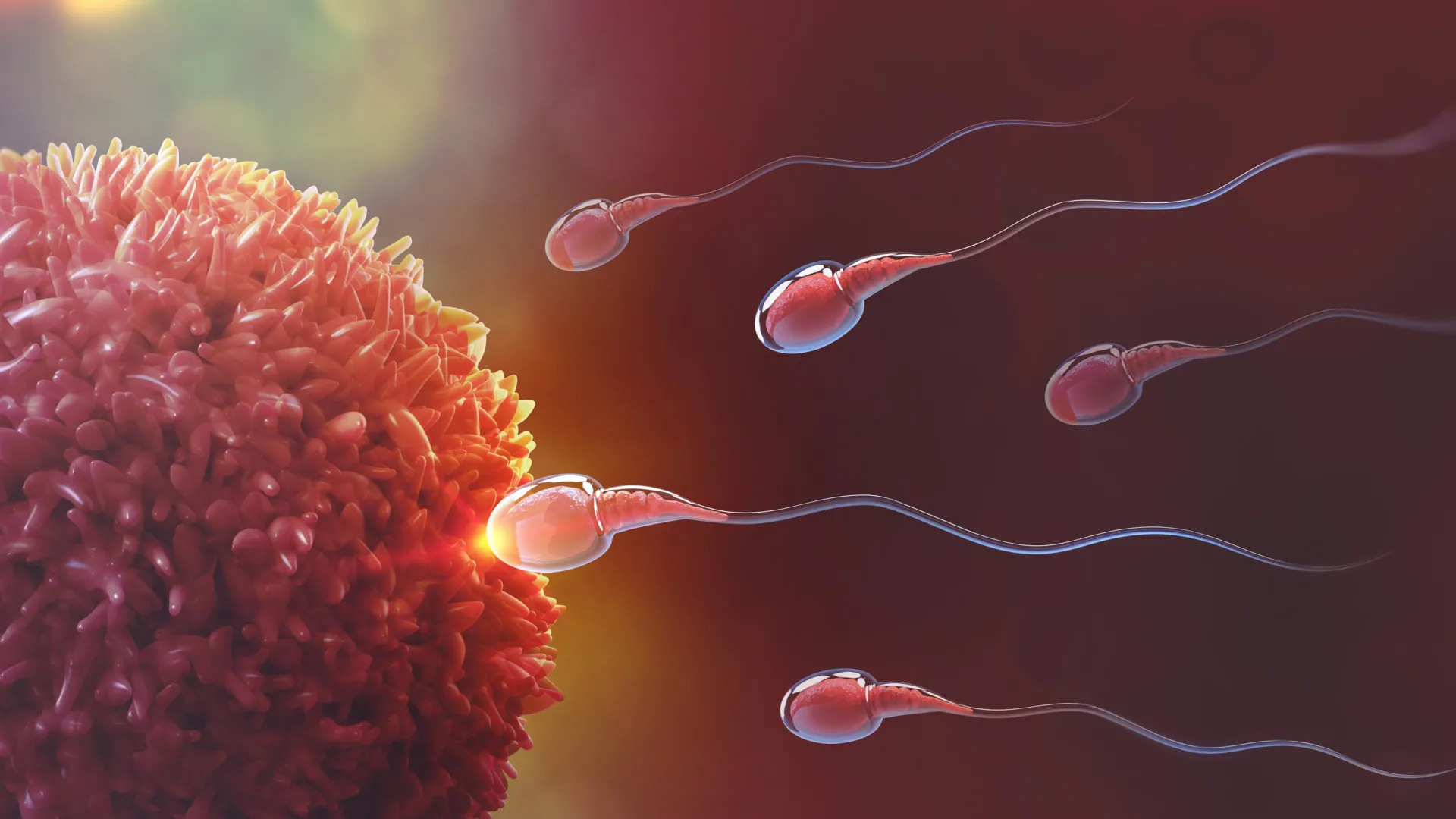
Researchers at Michigan State University have pinpointed a specific molecular "switch" that triggers a massive surge in sperm energy immediately before the cells attempt to penetrate and fertilize an egg. This discovery, led by Melanie Balbach, an assistant professor in the Department of Biochemistry and Molecular Biology, offers a transformative understanding of sperm physiology that could redefine the landscape of both infertility treatments and the development of safe, nonhormonal male birth control. By isolating the biochemical pathways that govern how sperm transition from a dormant state to a high-energy "hyper-activated" state, the study provides a roadmap for interventions that could either enhance or temporarily inhibit male fertility with surgical precision.
Sperm metabolism is a unique biological phenomenon characterized by its singular focus: the generation of enough kinetic energy to achieve fertilization. Unlike most somatic cells that maintain a steady-state metabolism to support various life functions, mammalian sperm exist in a state of suspended animation while stored in the male reproductive tract. It is only upon entry into the female reproductive environment that they undergo a radical transformation. This process, known as capacitation, involves a forceful change in swimming patterns and structural modifications to the outer membrane, all of which require a sudden, massive influx of cellular fuel.
The Biochemistry of the Metabolic Switch
The MSU study, published in the Proceedings of the National Academy of Sciences (PNAS), identifies the enzyme aldolase as a primary regulator in this metabolic surge. Aldolase is a critical component of glycolysis, the metabolic pathway that converts glucose into energy. While the scientific community has long recognized that sperm require significant energy for fertilization, the exact mechanism that "flipped the switch" from low-energy storage to high-energy activity remained an elusive "black box" in reproductive biology.
To crack this code, Balbach and her team, in collaboration with researchers from Memorial Sloan Kettering Cancer Center and the Van Andel Institute, utilized sophisticated tracking techniques to monitor how sperm process glucose. They mapped the chemical trajectory of glucose as it was absorbed from the surrounding environment and metabolized within the cell. The researchers observed that in inactive sperm, glucose processing is relatively slow and follows predictable pathways. However, upon activation, the metabolic machinery undergoes a "reprogramming" that prioritizes rapid energy production.
The team employed an innovative analogy to describe their methodology: they "painted" the glucose molecules (using chemical markers) and tracked them through the cellular "traffic" of metabolic pathways using high-resolution mass spectrometry. This allowed them to see not only that the "car" (glucose) was moving faster in activated sperm but also that it was taking specific routes through the cellular intersections governed by enzymes like aldolase. By identifying where these metabolic "cars" tended to bottleneck or accelerate, the researchers were able to pinpoint the exact enzymes acting as traffic controllers for fertilization.
Historical Context and the Evolution of Male Contraceptive Research
The quest for a male contraceptive has been a long and often frustrated endeavor in medical science. For decades, the burden of pregnancy prevention has fallen disproportionately on women, with options ranging from hormonal pills and intrauterine devices (IUDs) to various barrier methods. In contrast, male options have remained largely stagnant, limited to condoms—which have a high "typical use" failure rate—and vasectomies, which are intended to be permanent and require surgical intervention.
Previous attempts to develop a "male pill" have primarily focused on hormonal approaches. These methods typically aim to suppress the production of sperm by interfering with testosterone levels. However, hormonal male contraceptives have faced significant hurdles in clinical trials due to side effects similar to those experienced by women on the pill, including mood swings, weight gain, and changes in libido. Furthermore, hormonal methods often take weeks or months to become effective and an equal amount of time to reverse.
Melanie Balbach’s work represents a paradigm shift toward nonhormonal, "on-demand" contraception. Before joining Michigan State University in 2023, Balbach conducted pioneering research at Weill Cornell Medicine, where she demonstrated that blocking a specific sperm enzyme could induce temporary infertility in mice without affecting testosterone or long-term sperm production. Her latest work at MSU builds on this foundation by identifying aldolase and other metabolic regulators as viable targets for a new class of inhibitors.
Implications for Global Infertility and Reproductive Technology
While the contraceptive potential of this research has garnered significant attention, the implications for treating infertility are equally profound. According to the World Health Organization (WHO), approximately one in six people worldwide experience infertility at some point in their lives. Male factor infertility contributes to roughly half of these cases, yet diagnostic tools for male reproductive health remain relatively rudimentary, often focusing on sperm count and motility rather than the underlying metabolic health of the cells.
By understanding the "metabolic reprogramming" required for fertilization, clinicians may be able to develop more sophisticated diagnostic tests. For instance, if a patient’s sperm are motile but lack the ability to "flip the switch" to a high-energy state, standard semen analysis might miss the underlying cause of infertility. MSU’s findings suggest that measuring the activity of enzymes like aldolase could provide a more accurate assessment of a man’s fertilizing potential.
Furthermore, these insights could improve assisted reproductive technologies (ART), such as in vitro fertilization (IVF) and intracytoplasmic sperm injection (ICSI). By optimizing the metabolic environment of sperm in the lab—ensuring they have the right fuel sources and that their metabolic switches are properly engaged—embryologists might increase the success rates of these expensive and emotionally taxing procedures.
Tracking Fuel Sources: The Role of Glucose and Fructose
One of the more intriguing aspects of Balbach’s ongoing research is the investigation into how sperm utilize different sugars. While glucose is a primary fuel source, the female reproductive tract also contains fructose and other metabolites. The MSU team found that sperm are highly adaptable, drawing on internal energy reserves they carry with them while also absorbing nutrients from their environment.
The study utilized MSU’s Mass Spectrometry and Metabolomics Core to assemble a high-definition picture of this multi-step process. The data revealed that sperm do not just "burn" fuel; they manage it through a complex series of checkpoints. This internal regulation ensures that sperm do not exhaust their energy before reaching the egg, but can "downshift" and "upshift" as needed during their journey through the uterus and into the fallopian tubes.
A New Strategy for Nonhormonal Contraception
The identification of metabolic "traffic-control" enzymes opens the door to a "pharmacological vasectomy"—a pill or injection that could be taken shortly before intercourse to temporarily disable sperm’s ability to reach or penetrate an egg. Because this approach targets the sperm’s energy production rather than the production of the sperm themselves, it offers several advantages:
- Immediacy: Unlike hormonal methods that require a buildup in the system, a metabolic inhibitor could potentially work within hours.
- Reversibility: Once the inhibitor clears the system, the next batch of sperm would be unaffected, allowing for a rapid return to fertility.
- Safety: By avoiding the endocrine system (hormones), the risk of systemic side effects is significantly reduced.
- Agency: It provides men with a proactive way to manage their fertility, potentially reducing the 50% rate of unplanned pregnancies globally.
"Right now, many options for female birth control are hormone-based and highly prone to side effects," Balbach noted. "Giving men more options not only increases their agency but also creates freedom for those who currently bear the physical and hormonal burden of contraception."
Chronology of Discovery and Future Research
The timeline of this discovery marks a significant milestone in MSU’s growing reputation as a hub for reproductive biology.
- Pre-2023: Dr. Melanie Balbach establishes the link between sperm enzymes and fertility at Weill Cornell, focusing on soluble adenylyl cyclase (sAC).
- 2023: Balbach joins Michigan State University, bringing her expertise in sperm metabolism to the Department of Biochemistry and Molecular Biology.
- 2023-2024: Collaborative efforts with Memorial Sloan Kettering and the Van Andel Institute result in the mapping of the glucose metabolic pathway in sperm.
- Late 2024: Publication of the findings in PNAS, identifying aldolase as a key metabolic regulator.
The next phase of the research will focus on translating these findings from mouse models to human sperm. While mammalian sperm share many similarities, there are distinct differences in how human sperm interact with the vaginal and uterine environments. Balbach’s team aims to determine if the same "traffic-control" enzymes are equally critical in humans and whether they can be safely targeted without affecting other metabolic processes in the body.
Analysis of Broader Societal Impact
The societal implications of a nonhormonal male contraceptive are vast. Beyond the medical benefits, such a breakthrough could alter the social dynamics of reproductive responsibility. Historically, the "contraceptive revolution" of the 1960s was driven by the female pill, which gave women unprecedented control over their lives. A similar revolution in male contraception could further equalize the responsibility of family planning.
From an economic perspective, the development of a metabolic-based male contraceptive represents a multi-billion dollar opportunity for the pharmaceutical industry. However, it also poses a challenge: because the research is often funded by public grants (such as the National Institute of Child Health and Human Development, which supported this MSU study), there is a growing call for these future treatments to be made accessible and affordable worldwide, particularly in regions with high rates of unplanned pregnancy and limited healthcare infrastructure.
As the scientific community digests the findings from Michigan State University, the focus turns to the long road of clinical trials. While the discovery of the aldolase "switch" is a monumental first step, the journey from the laboratory bench to the pharmacy shelf will require years of rigorous safety testing. Nevertheless, for the millions of people navigating the challenges of infertility or seeking better contraceptive options, the work of Balbach and her colleagues provides a glimmer of hope powered by the very energy that makes life possible.
