
 By Budi Oetomo Narendra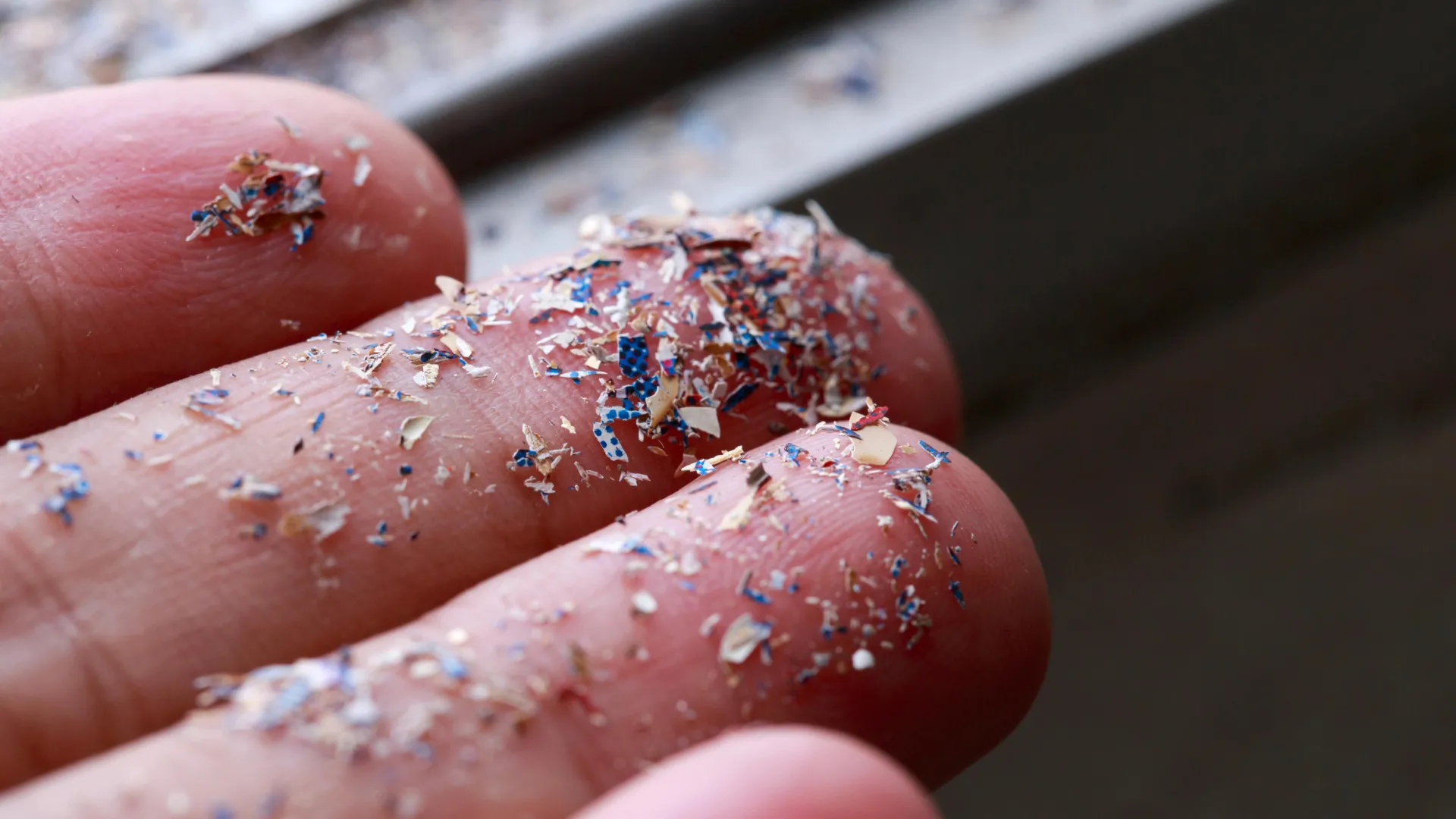
A groundbreaking new study has unveiled the alarming presence of microscopic plastic particles in the vast majority of prostate cancer patients, with concentrations significantly elevated within cancerous tumors compared to healthy prostate tissue. The investigation, conducted by researchers at NYU Langone Health, including its Perlmutter Cancer Center and Center for the Investigation of Environmental Hazards, provides compelling early evidence that exposure to microplastics may represent a novel risk factor for prostate cancer, the most common cancer among men in the United States.
The Ubiquitous Threat of Microplastics
The discovery adds a critical dimension to the escalating global concern surrounding microplastics – tiny plastic fragments less than 5 millimeters in size – and their pervasive presence in the environment and human body. These ubiquitous particles originate from the breakdown of larger plastic items, often used in everyday products ranging from food packaging and cosmetics to synthetic textiles and tires. As plastics degrade due to heat, wear, chemical processes, or UV radiation, they fragment into increasingly smaller pieces, eventually becoming microplastics and even nanoplastics (particles smaller than 100 nanometers).
Humans are exposed to these microscopic invaders through various pathways. Ingestion occurs when consuming contaminated food and beverages, as microplastics have been found in bottled water, seafood, salt, and even fruits and vegetables. Inhalation is another significant route, with airborne microplastics present in both indoor and outdoor environments. Dermal contact, though less understood, also contributes to potential absorption. Once inside the body, previous research has confirmed their widespread distribution, detecting microplastics in nearly every organ system, including the lungs, liver, kidneys, brain, and gut. Alarmingly, they have also been found in bodily fluids such as blood, urine, and even the placenta, underscoring their ability to traverse biological barriers. Despite this widespread presence, the full spectrum of their effects on human health remains largely unknown, prompting a global scientific race to understand their potential harm.
NYU Langone Study: Unveiling a Direct Link
The NYU Langone study, presented on February 26 at the American Society of Clinical Oncology’s Genitourinary Cancers Symposium, stands out as the first Western investigation to meticulously measure microplastic levels directly within prostate tumors and compare them with adjacent noncancerous prostate tissue. Researchers analyzed prostate tissue samples collected from 10 patients undergoing surgery to remove their prostate glands. The findings were stark: plastic particles were identified in an astounding 90% of tumor samples. While also present in 70% of benign prostate tissue samples, the difference in concentration was particularly notable. On average, cancerous tumor samples contained approximately 2.5 times more plastic than healthy tissue, with an average of about 40 micrograms of plastic per gram of tumor tissue compared with 16 micrograms per gram in benign tissue.
"Our pilot study provides important evidence that microplastic exposure may be a risk factor for prostate cancer," stated study lead author Dr. Stacy Loeb, a professor in the NYU Grossman School of Medicine’s Departments of Urology and Population Health. Dr. Loeb emphasized that while earlier research had hinted at possible connections between microplastics and other serious health conditions like heart disease and dementia, direct evidence specifically linking them to prostate cancer had been scarce until now. This study marks a significant step toward filling that knowledge gap.
Rigorous Methodology Ensures Accuracy
Given the pervasive nature of plastic in medical and laboratory environments, the research team implemented extraordinarily rigorous protocols to prevent external contamination and ensure the integrity of their findings. Scientists first conducted visual inspections of both tumor and benign tissue samples. Subsequently, specialized instruments were employed to precisely measure the quantity, chemical composition, and structural characteristics of the microplastic particles present. The analysis focused on 12 of the most common plastic polymers, providing a targeted and robust assessment.
To mitigate the risk of contamination from laboratory equipment, researchers conscientiously replaced standard plastic tools with alternatives crafted from nonplastic materials such as aluminum and cotton. Furthermore, all testing procedures were meticulously performed in controlled clean rooms, specifically designed and maintained to minimize airborne particulate matter and prevent microplastic contamination during analysis. This meticulous approach bolsters the credibility of the study’s results, ensuring that the detected microplastics were indeed intrinsic to the tissue samples.
Potential Mechanisms: Inflammation and Carcinogenesis
The critical question now facing researchers is how these microplastics might contribute to cancer formation. Dr. Vittorio Albergamo, the study’s senior author and an assistant professor in the NYU Grossman School of Medicine’s Department of Pediatrics, highlighted a leading hypothesis: chronic inflammation. "By uncovering yet another potential health concern posed by plastic, our findings highlight the need for stricter regulatory measures to limit the public’s exposure to these substances, which are everywhere in the environment," Dr. Albergamo commented.
He explained that the team plans to delve deeper into how microplastics behave once inside the body and their potential role in carcinogenesis. One plausible mechanism is that these foreign particles trigger a sustained immune response, leading to prolonged inflammation within prostate tissue. Chronic inflammation is a well-established driver of cancer development. Over time, persistent inflammatory processes can damage cellular DNA, induce genetic mutations, and create a microenvironment conducive to uncontrolled cell growth and tumor formation. Beyond inflammation, other potential mechanisms include oxidative stress, endocrine disruption, and the physical irritation of cells. Microplastics can also act as carriers for adsorbed toxins and chemicals, which may then be released into tissues, further exacerbating cellular damage and promoting cancerous changes. Understanding these mechanistic pathways is crucial for confirming causality and developing targeted interventions.
Prostate Cancer: A Major Public Health Concern
Prostate cancer remains a significant public health challenge in the United States. According to the Centers for Disease Control and Prevention (CDC), approximately one in eight men will be diagnosed with prostate cancer during their lifetime. The American Cancer Society (ACS) identifies it as the most common cancer among men, excluding skin cancer, and the second leading cause of cancer death in men. In 2023 alone, an estimated 288,300 new cases were projected, with over 34,700 deaths. Known risk factors include increasing age, a family history of prostate cancer, and certain ethnic backgrounds. The potential addition of environmental factors like microplastic exposure could reshape our understanding of prostate cancer etiology and prevention strategies.
Broader Implications and a Call for Action
This pilot study, while involving a small group of patients, provides compelling initial evidence that necessitates further, larger-scale investigations to confirm the findings and establish a definitive causal link. The implications, if confirmed, are profound. From a public health perspective, these findings underscore the urgent need to understand and mitigate human exposure to microplastics. Public awareness campaigns may need to educate individuals on ways to reduce their plastic footprint, from choosing non-plastic food containers to filtering tap water and improving indoor air quality.
The scientific community is increasingly united in its call for comprehensive regulatory measures to address plastic pollution. Dr. Albergamo’s statement advocating for stricter regulations echoes sentiments from environmental health organizations worldwide. Current regulations governing plastic production, use, and disposal often fail to account for the microplastic problem, especially concerning human health. These findings could provide critical impetus for policymakers to consider new standards for plastic manufacturing, promote biodegradable alternatives, enhance waste management systems, and invest in technologies to remove microplastics from water and air.
Future research will be critical. Larger cohort studies are needed to validate the current findings across diverse populations. Longitudinal studies can track microplastic accumulation over time and correlate it with prostate cancer development. Mechanistic studies, as planned by Dr. Albergamo’s team, will be essential to elucidate the precise biological pathways through which microplastics might induce carcinogenesis. Identifying specific types of plastic polymers, particle sizes, or associated chemical additives that pose the greatest risk will also be key to developing targeted prevention strategies. This research could also open avenues for early detection or even therapeutic interventions that consider microplastic burdens.
The research was supported by funding from the U.S. Department of Defense, highlighting the strategic importance of understanding environmental factors influencing men’s health. The extensive team of collaborators from NYU Langone Health, including Dr. Leonardo Trasande, Dr. Trevor Johnson, Dr. Fang-Ming Deng, Dr. Mark Strong, Dr. David Wise, Dr. José Alemán, Zixuan Mo, Mariana Rangel Camacho, Nataliya Byrne, Tatiana Sanchez Nolasco, Adrian Rivera, Dr. William Huang, Dr. Herbert Lepor, Dr. Wei Phin Tan, and Dr. James Wysock, alongside Dr. Samir Taneja of Northwell Health, underscores the multidisciplinary effort behind this significant investigation. The transparent disclosure of potential financial interests by some researchers, managed by NYU Langone Health in accordance with its policies, further reinforces the study’s commitment to scientific integrity. As the world grapples with the pervasive reach of plastic, this study serves as a stark reminder of the potential health consequences that demand immediate and sustained scientific and policy attention.
