
 By Suherman Candra Maholtra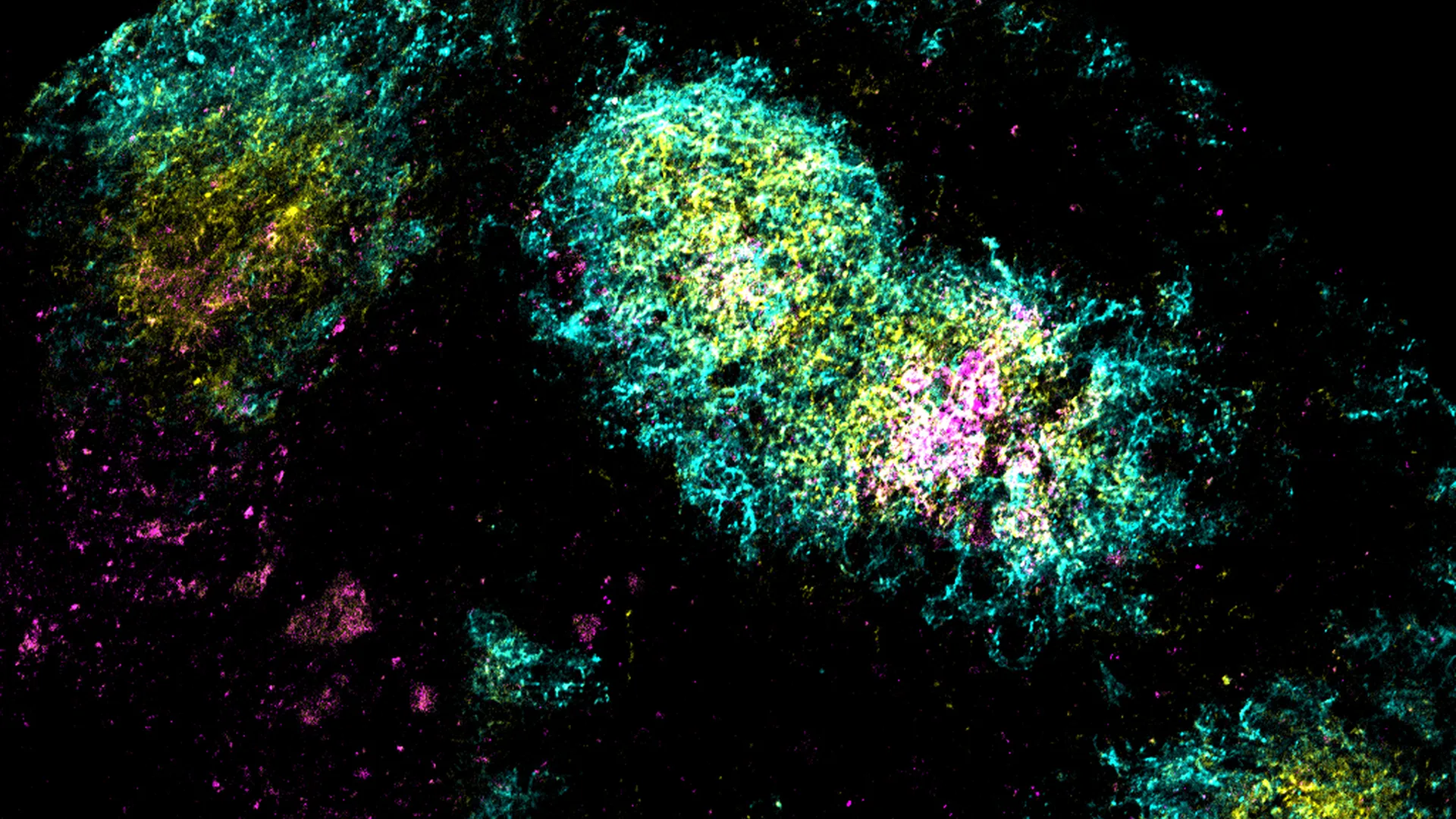
In a significant advancement for the field of vaccinology, researchers from the Massachusetts Institute of Technology (MIT) and the Scripps Research Institute have demonstrated a novel methodology capable of generating a robust immune response to the Human Immunodeficiency Virus (HIV) through a single vaccine administration. This breakthrough, detailed in a study published in Science Translational Medicine, centers on the strategic combination of two potent adjuvants—substances designed to enhance and modulate the body’s immune response—to overcome the historical challenges associated with HIV immunization.
The study, led by senior authors J. Christopher Love, the Raymond A. and Helen E. St. Laurent Professor of Chemical Engineering at MIT, and Darrell Irvine, a professor of immunology and microbiology at the Scripps Research Institute, offers a potential paradigm shift in how vaccines for complex pathogens are formulated. By utilizing a dual-adjuvant approach, the team successfully induced a diverse and high-affinity antibody response in murine models, suggesting that the "one-and-done" vaccination model may soon be applicable to high-stakes infectious diseases including HIV, SARS-CoV-2, and seasonal influenza.
The Mechanism of Dual Adjuvant Synergy
To understand the magnitude of this discovery, it is essential to examine the role of adjuvants in modern medicine. Most protein-based vaccines require these additives to signal the innate immune system that a foreign threat is present. Without them, the immune system might ignore the purified proteins (antigens) used in the vaccine, failing to create a lasting memory.
The research team focused on two specific adjuvants: aluminum hydroxide (commonly known as alum) and a more recent development known as SMNP (Saponin-MPLA Nanoparticles). Alum has been a staple in vaccine formulation for nearly a century, utilized in vaccines for Hepatitis A and B due to its ability to activate innate immunity and provide a stable platform for antigens. SMNP, conversely, is a sophisticated nanoparticle developed by Professor Irvine’s lab. It incorporates saponin—a derivative of the Chilean soapbark tree—and MPLA (monophosphoryl lipid A), a molecule known to stimulate inflammatory pathways.
While SMNP is already undergoing clinical trials as an independent adjuvant for HIV vaccines, the MIT and Scripps team hypothesized that combining it with alum would create a synergistic effect. In their experimental design, the researchers utilized an HIV protein called MD39 as the antigen. This protein was anchored to alum particles alongside the SMNP adjuvants, creating a complex delivery vehicle.
Chronology of the Research and Key Findings
The path to this discovery began several years ago with Professor Irvine’s work on saponin-based nanoparticles. His earlier research established that saponin was more effective when paired with MPLA than when used in isolation. This led to the creation of SMNP, which demonstrated an ability to improve the quality of the immune response in early-stage trials.
The current study represents the next chronological step: the integration of traditional aluminum-based delivery with these next-generation nanoparticles. Upon vaccinating mice with the dual-adjuvant formulation, the researchers tracked the movement and persistence of the vaccine within the lymphatic system.
The results revealed a distinct chronological advantage. Unlike standard vaccines that may be cleared or degraded by the body within days, the dual-adjuvant vaccine accumulated in the lymph nodes and remained intact for up to 28 days. This persistence allowed the vaccine to remain within "germinal centers"—micro-environments inside lymph nodes where B cells undergo rapid mutation and selection to produce high-affinity antibodies.
By extending the exposure time of the immune system to the antigen, the researchers mimicked the conditions of a natural infection, where a pathogen might linger in the body for weeks. This gave the B cells an extended "training period" to refine their response, leading to the production of antibodies that were not only more numerous but significantly more effective.
Supporting Data: Single-Cell RNA Sequencing and Diversity
The efficacy of the dual-adjuvant approach was validated through rigorous data analysis, specifically single-cell RNA sequencing of B cells harvested from the vaccinated mice. This technology allowed the researchers to observe the genetic "repertoire" of the immune response at an unprecedented level of detail.
The data indicated that the dual-adjuvant vaccine generated a B cell population that was two to three times more diverse than that produced by vaccines using only one adjuvant. This diversity is the cornerstone of successful HIV vaccination. Because HIV is a highly mutable virus, a vaccine must stimulate the production of "broadly neutralizing antibodies" (bNAbs)—antibodies capable of recognizing and neutralizing many different strains of the virus.
"When you think about the immune system sampling all of the possible solutions, the more chances we give it to identify an effective solution, the better," explained Professor Love. The increased diversity observed in the study suggests that the dual-adjuvant strategy significantly raises the statistical probability that the immune system will "stumble upon" the specific genetic configurations required to produce bNAbs.
Institutional Responses and Collaborative Impact
The study is the product of a multi-institutional collaboration involving the Koch Institute for Integrative Cancer Research, the Ragon Institute of MGH, MIT, and Harvard, and the Scripps Research Institute. Lead authors Kristen Rodrigues (PhD ’23) and Yiming Zhang (PhD ’25) spearheaded the laboratory execution, bridging the gap between chemical engineering and immunology.
Institutional representatives have highlighted the importance of this interdisciplinary approach. By combining Professor Love’s expertise in bioprocess engineering and protein formulation with Professor Irvine’s mastery of immune-modulating materials, the team was able to address a biological problem with a structural engineering solution.
The research received significant backing from the National Institutes of Health (NIH), the National Cancer Institute, and the Howard Hughes Medical Institute. These organizations have increasingly prioritized "platform technologies"—innovations that can be applied to multiple diseases rather than a single pathogen.
Broader Implications for Global Public Health
The implications of a single-dose vaccine strategy extend far beyond the laboratory. In the context of global health, the "one-and-done" model addresses several critical logistical hurdles:
- Patient Compliance: Many current vaccine candidates for HIV or other complex diseases require multiple "booster" shots over several months. In many parts of the world, ensuring that patients return for follow-up doses is a major challenge. A single-dose vaccine would eliminate this barrier.
- Cold Chain Logistics: Reducing the number of required doses simplifies the supply chain, making it easier to distribute life-saving vaccines to remote or underserved regions.
- Pandemic Preparedness: The researchers noted that this approach is compatible with various protein-based vaccines, including those for SARS-CoV-2 and influenza. In the event of a future pandemic, a dual-adjuvant, single-dose formulation could accelerate the achievement of herd immunity.
Furthermore, the study suggests that this technology does not require the invention of entirely new, unproven chemicals. Instead, it relies on combining adjuvants that are already "reasonably well-understood," which could potentially streamline the regulatory approval process for future vaccines using this platform.
Analysis of Future Challenges
While the results in murine models are promising, the transition to human clinical trials remains the next major hurdle. Human immune systems are significantly more complex than those of mice, and the scale-up of nanoparticle manufacturing presents its own set of engineering challenges.
However, the fact that SMNP is already in clinical trials provides a head start. The primary question for future research will be whether the 28-day persistence observed in mice translates to a similar duration in humans, and whether that duration is sufficient to trigger the production of broadly neutralizing antibodies in a human population with diverse genetic backgrounds.
The researchers emphasize that while adjuvant synergy is a powerful tool, it must be paired with precise "antigen design." The adjuvant provides the "spark" and the "duration," but the antigen (like the MD39 protein used here) must still provide the correct "blueprint" for the immune system to follow.
Conclusion
The collaboration between MIT and Scripps Research has provided a compelling proof-of-concept for the next generation of vaccines. By leveraging the synergy between alum and SMNP, the team has demonstrated that it is possible to achieve a high-intensity, high-diversity immune response with a single dose. As the medical community continues to grapple with the complexities of HIV and the threat of emerging respiratory viruses, this dual-adjuvant strategy offers a promising pathway toward more efficient, accessible, and potent immunization strategies worldwide.
