
 By admin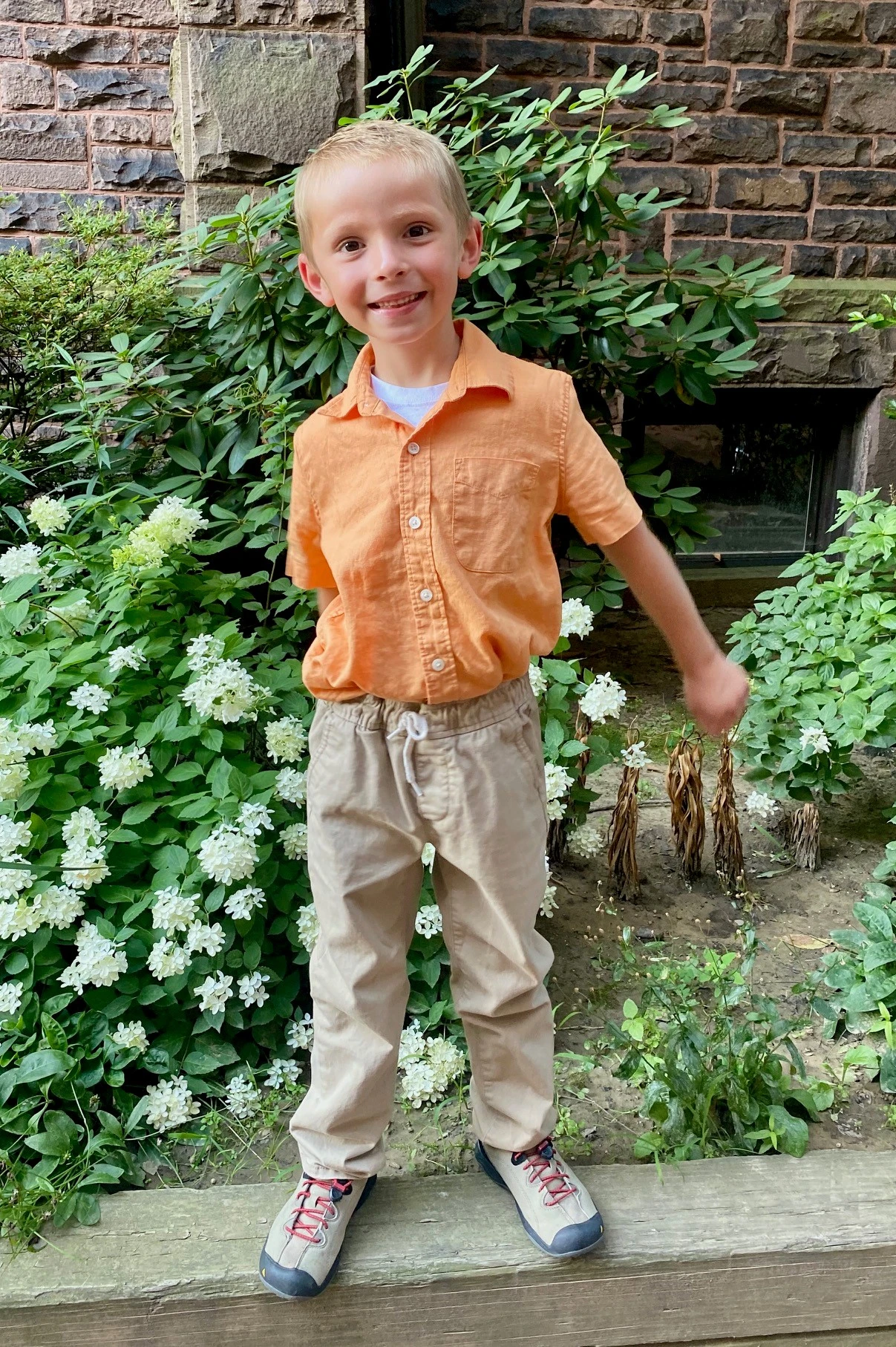
The landscape of pediatric oncology research is undergoing a significant shift as the family of Nathan Gray, an eight-year-old who succumbed to a rare form of kidney cancer in 2022, has successfully spearheaded a fundraising initiative that secured $1 million for a groundbreaking clinical trial. This funding, raised in partnership with the Children’s Cancer Research Fund (CCRF), is directed toward a multi-center study led by Dr. Michael V. Ortiz of Memorial Sloan Kettering Cancer Center. The trial aims to provide new therapeutic avenues for children diagnosed with high-risk relapsed Wilms tumor, a demographic that currently faces a staggering 80% mortality rate. The initiative represents a critical bridge between private philanthropy and medical innovation, addressing a chronic shortfall in federal funding for rare childhood cancers.
The Medical Reality of Wilms Tumor and the Challenge of Relapse
Wilms tumor, or nephroblastoma, is the most common type of kidney cancer in children, typically affecting those between the ages of three and four. While the overall survival rate for localized Wilms tumor is high—often exceeding 90% due to advancements in surgery, chemotherapy, and radiation—the prognosis shifts dramatically when the disease recurs. For patients like Nathan Gray, whose cancer returned with metastases in the lungs, the medical community enters a "high-risk" territory where standard protocols often prove insufficient.
In the United States, approximately 500 to 600 new cases of Wilms tumor are diagnosed annually. While the high initial cure rate is a success story of modern medicine, the subset of patients who experience a relapse, particularly "very high-risk" relapse, faces a dire shortage of options. Statistics indicate that eight out of ten children in this specific category will not survive. The lack of standardized second-line treatments for these patients is largely attributed to the rarity of the condition, which makes large-scale pharmaceutical investment and federal research grants difficult to secure.
The clinical trial spearheaded by Dr. Ortiz is specifically designed to test a novel drug targeting these resistant tumors. With the $1 million infusion from the Gray family’s efforts, the trial has expanded its reach to eight major medical hubs across the United States, including Atlanta, Boston, Chicago, Cincinnati, Los Angeles, Palo Alto, St. Louis, and Washington, D.C. The goal is to enroll 21 patients, providing them with a treatment pathway that did not exist during Nathan’s six-year battle.

A Chronology of Advocacy: From Diagnosis to Legacy
The journey that led to this million-dollar milestone began a decade ago when Nathan Gray was just two years old. His mother, Patricia Gray, noted a recurring pattern of high fevers that would appear and disappear without explanation. Despite her persistence, initial medical consultations resulted in dismissals. Patricia was famously told to "put the thermometer away," under the premise that Nathan appeared "too happy to be sick." This narrative highlights a common hurdle in pediatric oncology: the difficulty of early detection when symptoms mimic common childhood ailments.
The diagnostic turning point occurred when a subsequent emergency room visit revealed the need for an immediate blood transfusion, leading to a transfer to a specialized children’s hospital. Nathan was diagnosed with Wilms tumor and began an intensive regimen of treatments. By 2017, he was declared cancer-free, a status he maintained for two years. However, in May 2019, routine scans revealed that the cancer had returned, this time appearing in both lungs.
Between 2019 and 2022, Nathan’s family and medical team at Geisinger Medical Center, Children’s Hospital of Philadelphia, and Memorial Sloan Kettering exhausted all available medical options. Despite undergoing numerous surgeries and experimental protocols, the specific breakthrough needed to combat his high-risk relapse remained out of reach. Nathan passed away on January 6, 2022.
The transition from grief to advocacy crystallized in late 2024. Patricia Gray, seeking to transform her family’s loss into a tangible benefit for others, partnered with CCRF to champion Dr. Ortiz’s research. The culmination of this effort occurred in October 2024 at the Forbes | SHOOK Top Advisor Summit. Addressing an audience of nearly 1,000 of the nation’s leading financial advisors, the Gray family shared Nathan’s story, resulting in $1 million in immediate donations to fund the expansion of the clinical trial.
The Milestone of the Fourth Grade: A Sibling’s Perspective
The emotional weight of pediatric cancer extends far beyond the patient, impacting siblings in profound ways. This was recently illustrated during a "Meet the Teacher" night for Nathan’s younger sister, Natalie. As she entered the fourth grade, Natalie wrote an assignment expressing her anxiety about the school year. She noted that entering fourth grade was a bittersweet milestone, as it represented the point where she would officially surpass every educational milestone her older brother had reached before his death at age eight.
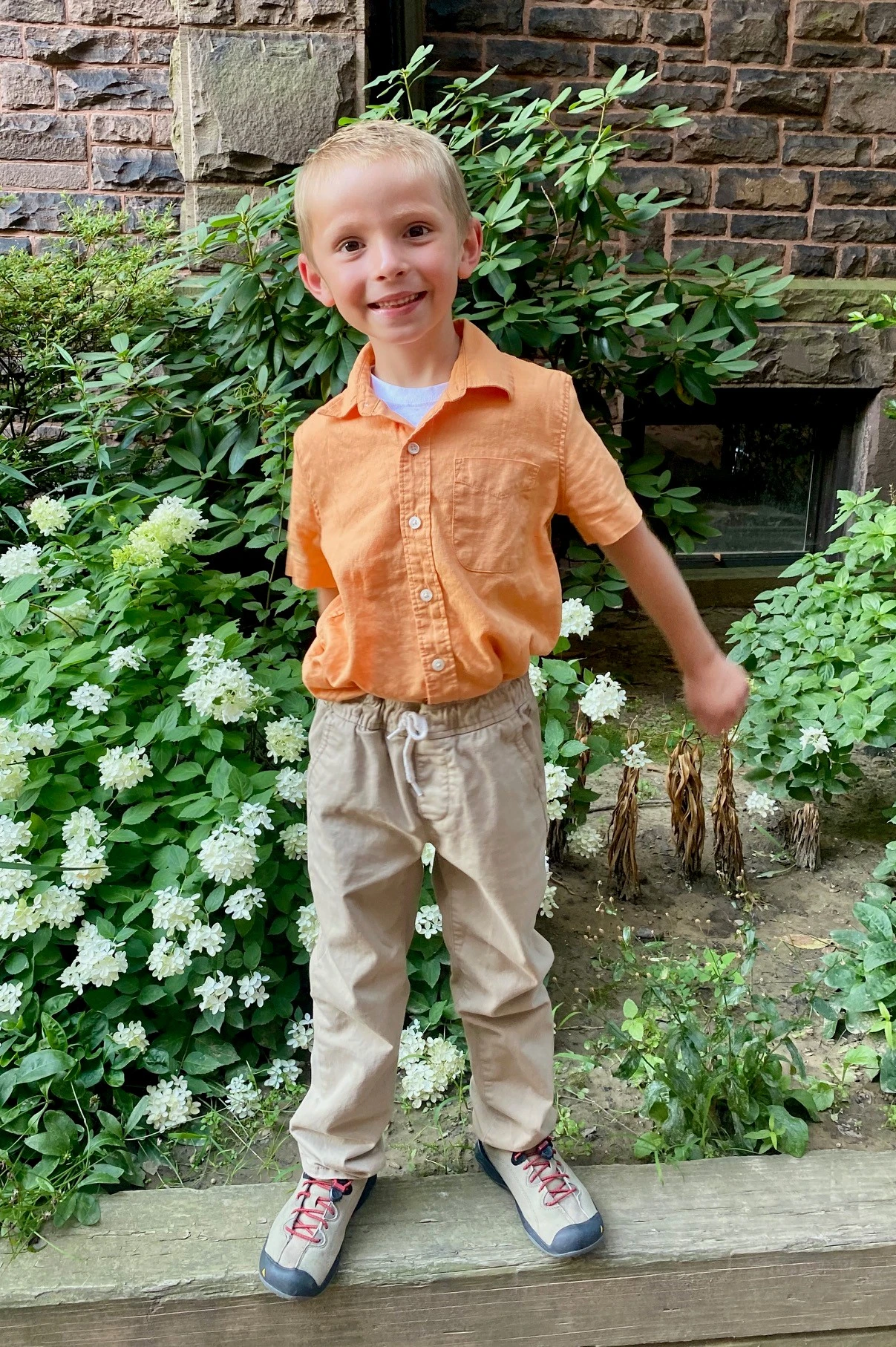
Natalie’s reaction underscores the "survivor’s journey" experienced by siblings of terminal patients. Her involvement in her brother’s legacy has been active; she famously donated her "birthday and tooth fairy money" to Dr. Ortiz’s research. This family-wide commitment has been a central pillar of the fundraising campaign, emphasizing that the fight against pediatric cancer is a multi-generational endeavor.
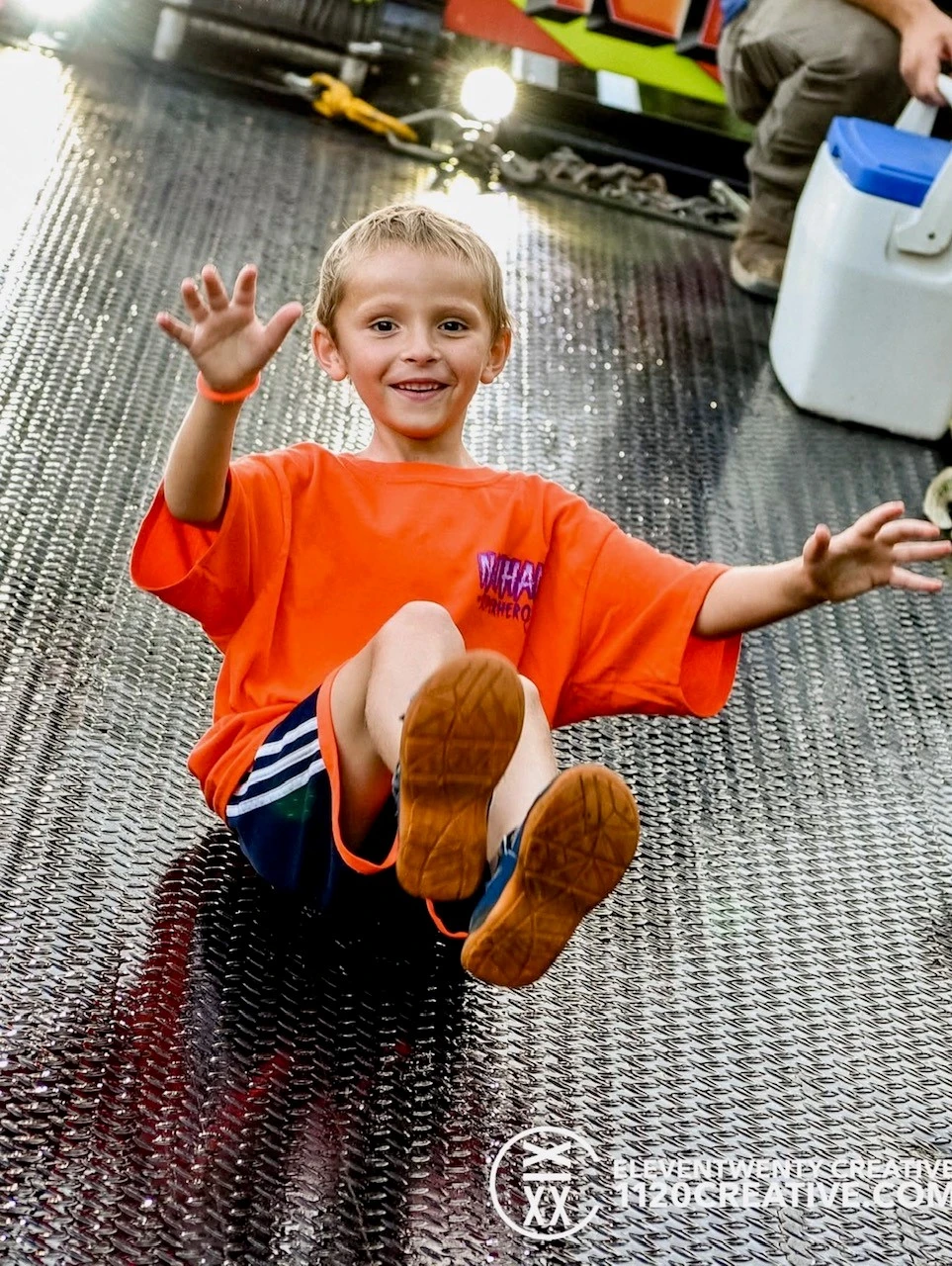
The community of the Gray family also played a vital role in sustaining this momentum. During Nathan’s treatment, local police and fire departments organized caravans to support the family, and the community adopted orange—Nathan’s favorite color—as a symbol of solidarity. This local support served as the foundation for the larger national platform the family would eventually utilize to influence high-level donors.
Analysis of the Pediatric Research Funding Gap
The success of the $1 million fundraiser highlights a systemic issue in the American medical research landscape. While cancer is the leading cause of death by disease in children, pediatric cancer research receives only about 4% of the National Cancer Institute’s (NCI) annual budget. The majority of funding is allocated to adult cancers, such as breast, lung, and prostate cancer, which have larger patient populations and greater commercial viability for pharmaceutical companies.
For rare conditions like high-risk relapsed Wilms tumor, the "market" is too small for traditional drug development models. Consequently, progress is almost entirely dependent on private philanthropy and non-profit organizations like the Children’s Cancer Research Fund. The $1 million raised by the Gray family is not merely a donation; it is a critical intervention that allows a clinical trial to bypass the "valley of death" in drug development—the phase where promising research stalls due to a lack of funding for human trials.
Dr. Ortiz’s trial is a multi-center effort, which is essential for rare diseases. Because no single hospital sees enough patients with relapsed Wilms tumor to conduct a statistically significant study, collaborating across eight cities allows for the necessary patient enrollment (21 children) to validate the efficacy of the new treatment. This collaborative model is increasingly seen as the future of pediatric oncology.
Broader Implications and the Future of Treatment
The implications of the Nathan Gray legacy extend to the future of how rare pediatric cancers are treated and funded. If the current trial proves successful, it could establish a new standard of care for relapsed Wilms tumor, moving the survival rate from the current 20% toward the 90% seen in primary diagnoses. Furthermore, the success of the fundraising model—utilizing personal narrative to engage high-net-worth individuals at summits like Forbes | SHOOK—provides a blueprint for other families seeking to fund research for rare diseases.
The Gray family’s approach emphasizes "grace, gratitude, and generosity" in the face of loss. Patricia Gray’s statement—"I don’t want those families to be us"—reflects a shift in the philosophy of patient advocacy, where the goal is no longer just to support the grieving, but to prevent the cause of grief through scientific advancement.
As of late 2024, the clinical trial is actively enrolling patients across its eight sites. The data collected from these 21 children will be instrumental in determining the viability of the new drug, potentially leading to FDA approval or larger-scale international studies. For the Gray family, the start of this trial marks the beginning of a new chapter where Nathan’s name is synonymous not just with a short life lived, but with the lives of future children saved.
The story of Nathan Gray serves as a reminder that while medical research is a field of data and clinical endpoints, its primary driver remains the human experience. The $1 million raised is a testament to the power of a single family’s determination to ensure that the "love with no place to go" finds its destination in the pursuit of a cure.
