
 By admin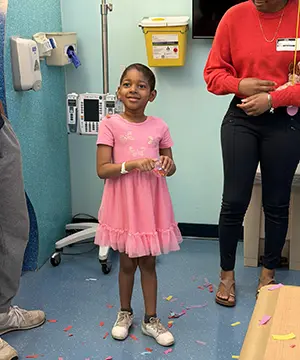
The transition from a routine school night to a life-altering medical emergency is a harrowing experience shared by thousands of families annually, yet each narrative carries its own unique weight of uncertainty and resilience. For the family of a young girl named Amari, this journey began abruptly when an evening at home escalated into a race to the emergency room following the discovery of blood in her urine. What was initially hoped to be a minor complication was revealed, in the early hours of the morning, to be a significant renal mass. This diagnosis propelled the family into the complex and demanding world of pediatric oncology, specifically a battle against a Stage 3 anaplastic Wilms tumor.
The Clinical Reality of Wilms Tumor
Wilms tumor, also known as nephroblastoma, is the most common type of kidney cancer in children, typically affecting those between the ages of three and four. According to the American Cancer Society, approximately 500 to 600 new cases are diagnosed in the United States each year. While the overall five-year survival rate for Wilms tumor is high—approaching 90 percent due to advancements in multidisciplinary care—the specific histology of the tumor plays a critical role in determining the prognosis and the intensity of the required treatment.
In Amari’s case, the diagnosis was anaplastic Wilms tumor. Anaplasia refers to the appearance of the cancer cells under a microscope; cells that look significantly different from normal cells are considered "unfavorable" because they are often more resistant to standard chemotherapy. This classification necessitates a more aggressive therapeutic approach. Stage 3 indicates that the tumor has spread beyond the kidney to nearby lymph nodes or other structures within the abdomen, requiring a combination of surgical intervention, chemotherapy, and often radiation.
A Precision Surgical Approach: Preservation of Renal Function
One of the most critical junctures in Amari’s treatment was the surgical plan. Historically, the standard of care for a unilateral Wilms tumor (cancer in one kidney) involved a radical nephrectomy—the complete removal of the affected kidney. However, modern pediatric surgery increasingly looks toward nephron-sparing techniques when feasible, particularly if the tumor responds well to preoperative chemotherapy.
Amari underwent several weeks of "neoadjuvant" chemotherapy, a strategy designed to shrink the tumor and make surgical removal safer and more effective. The medical team’s goal was ambitious: to remove the malignancy while preserving as much healthy kidney tissue as possible. Following a high-stakes surgical procedure, the oncology team successfully excised the tumor while saving approximately 60 percent of her healthy kidney. This preservation is vital for long-term health, as it reduces the risk of chronic kidney disease and hypertension later in life, which are known "late effects" for pediatric cancer survivors.
The Rigors of the Treatment Timeline
The successful surgery marked a milestone, but not the end of the clinical journey. Due to the Stage 3 anaplastic nature of the tumor, Amari was required to undergo a rigorous 32-week chemotherapy regimen. This duration is representative of the intensive protocols established by the Children’s Oncology Group (COG), which aims to ensure that no microscopic cancer cells remain, thereby minimizing the risk of recurrence.
The 32-week period is often characterized by a repetitive cycle of hospital admissions, outpatient infusions, and the management of systemic side effects. For pediatric patients, these side effects frequently include profound fatigue, immunosuppression, nausea, and hair loss. Throughout this period, Amari’s family maintained a policy of radical transparency, a psychological strategy recommended by many child life specialists to help children process the trauma of chronic illness. By including Amari in discussions about her health and visualizing the end of treatment—specifically the tradition of "ringing the bell"—the family fostered a sense of agency in a situation where she had very little control.
Integrating Normalcy Amidst Medical Crisis
A significant component of pediatric recovery involves the integration of normal developmental activities into the treatment schedule. Despite the physical toll of Stage 3 cancer treatment, Amari continued to participate in cheerleading. This engagement served more than just a recreational purpose; it provided a vital social and psychological anchor.
The intersection of her personal interests and her medical journey was highlighted when she had the opportunity to meet the Dallas Cowboys Cheerleaders. Such interactions are often facilitated by hospital foundations and non-profits, recognizing that the emotional well-being of a pediatric patient is inextricably linked to their physiological recovery. For Amari, who aspires to join the ranks of professional cheerleaders, these moments of joy acted as a counterweight to the exhaustion of chemotherapy.
The Significance of the Bell Ringing Ceremony
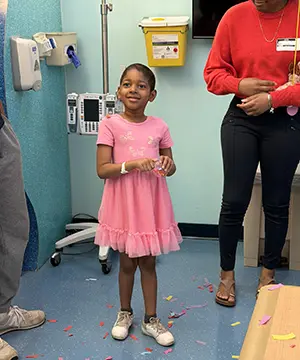
In the oncology community, "ringing the bell" is a symbolic rite of passage that marks the conclusion of active treatment. For Amari, this ceremony took place on a day of deep personal significance—the birthday of her late grandmother. Surrounded by a multidisciplinary team of doctors, nurses, and family members, the act of ringing the bell served as a public declaration of her transition from patient to survivor.
Cora H., Amari’s mother, emphasized the weight of this moment for the family. In the context of pediatric oncology, the bell represents more than just the end of medicine; it represents the reclaiming of a future that was momentarily placed in jeopardy. For the medical staff, these ceremonies are a testament to the efficacy of current research and the resilience of the human spirit in the face of life-threatening pathology.
Broader Implications: The Importance of Survivorship and Research
Amari is now in the "survivorship" phase of her journey. This phase is a critical, lifelong period of monitoring. Pediatric cancer survivors require regular follow-up care to monitor for recurrence and to manage potential late effects of chemotherapy and radiation, which can include cardiac issues, secondary malignancies, and endocrine disruptions.
June is designated as Cancer Survivors Month, a period intended to bring awareness to the ongoing needs of the millions of individuals living with a history of cancer. Amari’s story serves as a focal point for why continued investment in pediatric research is paramount. While survival rates have improved dramatically over the last several decades, the quest for "kinder" treatments—those that cure the cancer with fewer long-term toxicities—remains a primary goal of the global oncology community.
Statistical Context and the Path Forward
The success of Amari’s treatment is a direct result of decades of clinical trials. The Children’s Oncology Group, a National Cancer Institute-supported clinical trials group, is the world’s largest organization devoted exclusively to pediatric cancer research. Through their protocols, the medical community has moved from a "one-size-fits-all" approach to highly stratified treatment plans based on genetic markers and tumor histology.
Data from the National Cancer Institute indicates that because of such research, the death rate for childhood cancer has declined by more than 50 percent since the 1970s. However, cancer remains the leading cause of death by disease among children in the United States. Stories like Amari’s highlight the tangible impact of these statistics. Her ability to return to a life filled with dancing, K-pop, and school is the ultimate objective of every research dollar spent.
Conclusion: A Legacy of Hope
Today, Amari is described as thriving, pursuing her passions for dance, Barbies, and "Demon Slayer" with the same intensity she brought to her recovery. Her journey from a midnight emergency room visit to the triumphant ringing of the bell provides a roadmap for other families currently navigating the complexities of a pediatric cancer diagnosis.
The narrative of her survival is not merely a personal victory but a reflection of the progress made in the field of pediatric nephroblastoma. It underscores the necessity of early detection, the brilliance of modern surgical techniques, and the importance of a supportive community. As Cancer Survivors Month continues, Amari stands as a reminder of the resilience of children and the vital importance of ensuring that every child, regardless of their diagnosis, has the opportunity to ring the bell and pursue their dreams. Through continued public support and scientific innovation, the hope is that more families will find their way through the darkness of a diagnosis and into the light of survivorship.
