
 By George Ongkojoyo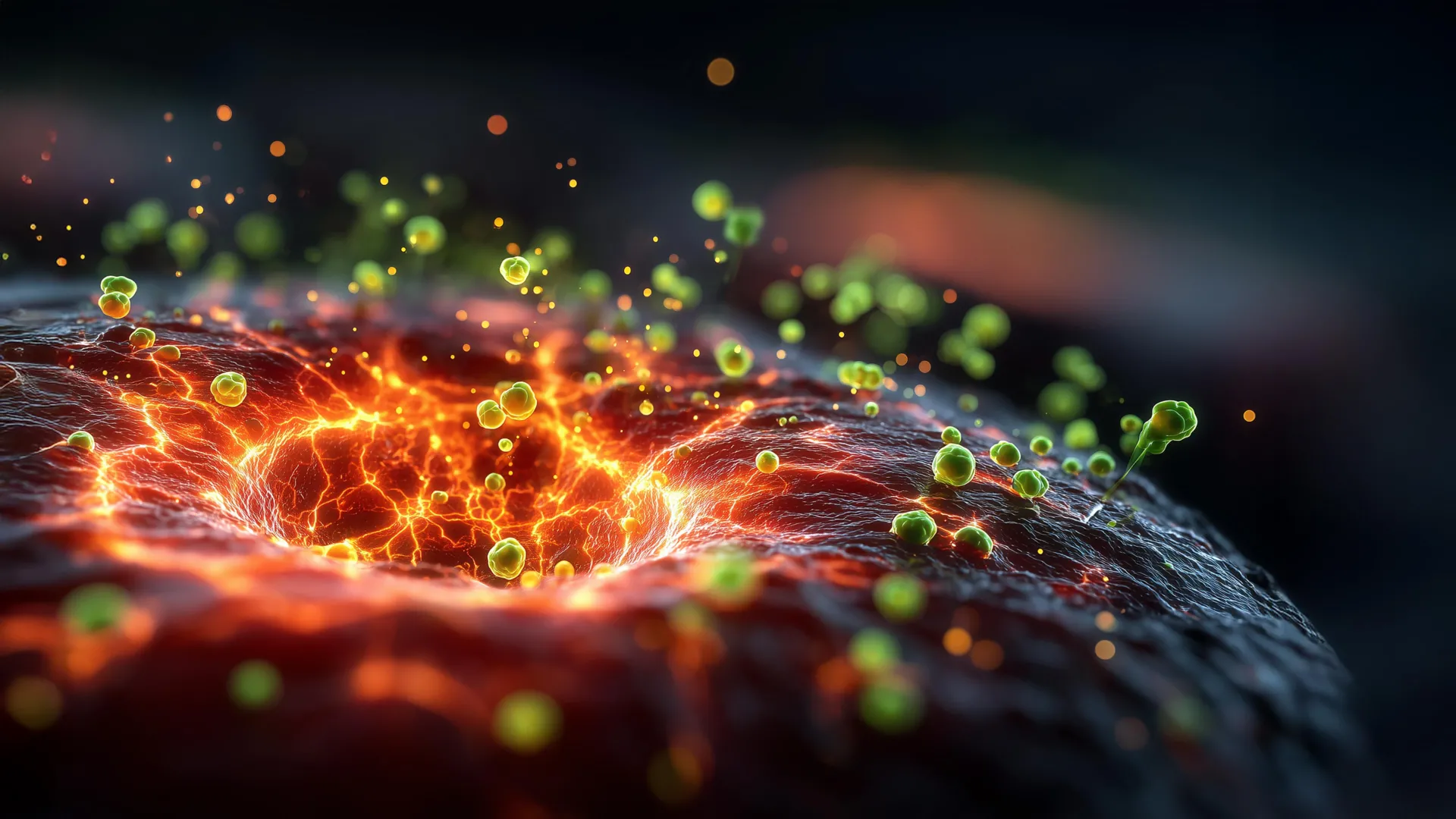
In a significant advancement for the field of oncology and microbial therapeutics, a team of researchers at the Japan Advanced Institute of Science and Technology (JAIST) has identified a naturally occurring bacterium within the gut of the Japanese tree frog (Dryophytes japonicus) that exhibits potent anticancer properties. The study, recently published in the prestigious journal Gut Microbes, details how this specific bacterial strain can be harnessed to target and eliminate malignant tumors with a level of precision and efficacy that rivals or exceeds current standard-of-care treatments in laboratory settings.
While the concept of using bacteria to treat cancer dates back over a century, the JAIST study represents a modern paradigm shift. Rather than attempting to modulate the existing gut microbiome through probiotics or fecal transplants—methods that often yield inconsistent results due to individual biological variability—the researchers isolated a singular, highly effective strain. This strain, Ewingella americana, was cultivated in a controlled environment and administered intravenously, transforming the live bacteria into a targeted "biological missile" capable of infiltrating the hostile microenvironment of a tumor.
The Evolution of Bacteriotherapy: From Coley’s Toxins to Modern Precision
The use of bacteria in cancer treatment is not entirely new. In the late 19th century, Dr. William Coley, often regarded as the "Father of Immunotherapy," observed that some cancer patients experienced spontaneous remission after developing post-surgical bacterial infections. He subsequently developed "Coley’s Toxins," a mixture of killed bacteria intended to stimulate the immune system. However, the advent of radiotherapy and chemotherapy, combined with the unpredictable safety profile of live infections at the time, pushed bacteriotherapy to the fringes of medicine.
The JAIST research revitalizes this field by applying 21st-century screening and delivery techniques. By looking toward the natural world—specifically the unique microbiota of amphibians and reptiles—the team sought to find organisms that have evolved to survive in diverse environments and possess innate characteristics that make them suitable for navigating the human circulatory system to find and colonize tumors.
Chronology of Discovery: From the Wetlands to the Laboratory
The research began with an extensive bioprospecting mission across the diverse ecosystems of Japan. The scientific team collected 45 distinct bacterial strains from the intestinal tracts of three species: the Japanese tree frog (Dryophytes japonicus), the Japanese fire belly newt (Cynops pyrrhogaster), and the Japanese grass lizard (Takydromus tachydromoides).
The selection of these species was not arbitrary. Amphibians and reptiles often harbor unique microbial communities that assist in their defense against environmental pathogens. The researchers hypothesized that some of these microbes might possess the resilience and metabolic flexibility required to survive the complex physiological conditions found within a mammalian host.
Following the collection phase, the 45 strains underwent a rigorous multi-stage screening process:
- In Vitro Cytotoxicity Testing: Bacteria were tested against cancer cell lines to determine if they could inhibit growth or induce cell death in a dish.
- Safety Profiling: Strains were evaluated for their potential to cause systemic illness or sepsis in mammalian models.
- In Vivo Efficacy: The most promising candidates were tested in mice bearing colorectal tumors.
Out of the initial 45 strains, nine showed significant anticancer activity. However, one strain, Ewingella americana, isolated from the Japanese tree frog, emerged as the clear frontrunner due to its exceptional ability to target tumors while sparing healthy tissue.
Unprecedented Results: 100% Complete Response in Colorectal Models
The most striking data from the study involved a mouse model of colorectal cancer. When the researchers administered a single intravenous dose of E. americana, the results were definitive. The treatment achieved a 100% complete response (CR) rate, meaning the tumors were entirely eliminated in all test subjects.
To contextualize these findings, the JAIST team conducted comparative trials using established cancer therapies:
- Immune Checkpoint Inhibitors: Using an anti-PD-L1 antibody, a staple of modern immunotherapy, the researchers saw some tumor suppression, but not the total eradication achieved by the bacteria.
- Chemotherapy: Liposomal doxorubicin, a potent chemotherapeutic agent, also failed to match the 100% clearance rate of the E. americana treatment.
Furthermore, the mice that were cured of their primary tumors demonstrated a level of "immune memory." When re-challenged with the same cancer cells, their immune systems were often able to prevent new tumors from forming, suggesting that the bacterial treatment had successfully "trained" the body to recognize and fight the malignancy.
The Dual-Attack Mechanism: Direct Lysis and Immune Activation
The efficacy of E. americana is attributed to a sophisticated "dual-front" attack on cancer cells. This mechanism addresses one of the primary challenges in oncology: the "cold" tumor microenvironment, where the body’s immune system is effectively shut out or suppressed by the cancer.
1. Direct Tumor Destruction (Bacterial Proliferation)
E. americana is a facultative anaerobic bacterium. This is a critical characteristic because the centers of large solid tumors are often "hypoxic," or oxygen-deprived, due to poor blood supply. Most conventional treatments and many immune cells struggle to function in these dead zones. E. americana, however, thrives in these conditions. Upon entering the tumor, the bacteria began to multiply rapidly, with the population increasing approximately 3,000-fold within the first 24 hours. This massive bacterial load causes direct physical and metabolic damage to the cancer cells, a process known as lysis.
2. Converting "Cold" Tumors to "Hot"
The presence of a concentrated bacterial colony inside the tumor acts as a beacon for the host’s immune system. The research team observed a massive influx of T cells, B cells, and neutrophils—white blood cells that are typically excluded from the tumor’s inner sanctum. These immune cells, alerted by the bacterial presence, began secreting high levels of inflammatory signaling molecules, including Tumor Necrosis Factor-alpha (TNF-α) and Interferon-gamma (IFN-γ). This inflammatory "storm" effectively turned a "cold" (immunosuppressed) tumor into a "hot" (immuno-active) one, allowing the body’s natural defenses to join the fight and finish the job of tumor eradication.
Safety and Specificity: The "Trojan Horse" Strategy
One of the greatest hurdles for any systemic cancer treatment is "off-target effects"—damage to healthy organs like the liver, kidneys, or heart. The JAIST study reported an exceptionally favorable safety profile for E. americana.
The researchers found that the bacteria utilized the "Enhanced Permeability and Retention" (EPR) effect. Because tumor blood vessels are often leaky and disorganized, the bacteria naturally leak out of the bloodstream and into the tumor tissue, where they become trapped. In healthy organs, where blood vessels are tightly regulated and intact, the bacteria cannot easily escape.
Data from the study showed:
- Rapid Blood Clearance: The bacteria had a half-life in the bloodstream of just 1.2 hours.
- Zero Colonization of Healthy Organs: Within 24 hours of injection, no bacteria were detectable in the liver, lungs, spleen, or kidneys.
- Transient Inflammation: While the treatment caused a brief spike in systemic inflammatory markers, these returned to baseline levels within 72 hours.
- No Chronic Toxicity: Observation over a 60-day period showed no long-term adverse effects on the health or behavior of the mice.
Expert Analysis and Future Implications
The implications of this research are far-reaching. By demonstrating that a naturally occurring, non-pathogenic bacterium can be used as a potent and safe anticancer agent, the JAIST team has opened a new door for bioprospecting.
"This research highlights the untapped potential of biodiversity," noted one of the study’s lead contributors. "While we often look for new drugs in synthetic chemistry, nature has already spent millions of years refining biological entities that can navigate complex physiological environments. The Japanese tree frog has provided us with a blueprint for a new class of living therapeutics."
Industry analysts suggest that if these results translate to humans, this could lead to the development of "off-the-shelf" bacterial therapies that are significantly cheaper to produce than personalized CAR-T cell therapies or complex monoclonal antibodies. However, the transition from mouse models to human clinical trials is a notoriously difficult "valley of death" in drug development. Humans have more complex immune systems and a different volume of distribution, meaning dosing and safety protocols will require years of refinement.
Next Steps in the Research Pipeline
The JAIST team is already planning the next phase of their investigation. Their immediate goals include:
- Expanding the Scope: Testing E. americana against other "hard-to-treat" solid tumors, such as pancreatic cancer, which is notorious for its dense, impenetrable stroma, and melanoma.
- Optimization: Investigating "dose fractionation"—delivering the treatment in smaller, multiple doses—to further enhance safety and efficacy.
- Combination Therapies: Exploring whether the bacteria can act as a "sensitizer," making tumors more susceptible to existing chemotherapies or radiation.
- Direct Injection: Comparing intravenous delivery with direct intratumoral injection to see which method provides the best therapeutic window.
As the scientific community continues to move toward more personalized and biological approaches to medicine, the humble Japanese tree frog may eventually be remembered as the source of a breakthrough that changed the landscape of cancer care. For now, the study serves as a powerful proof of concept, reminding us that the answers to some of our most pressing medical challenges may be hiding in the most unexpected places in nature.
