
 By Lina carolina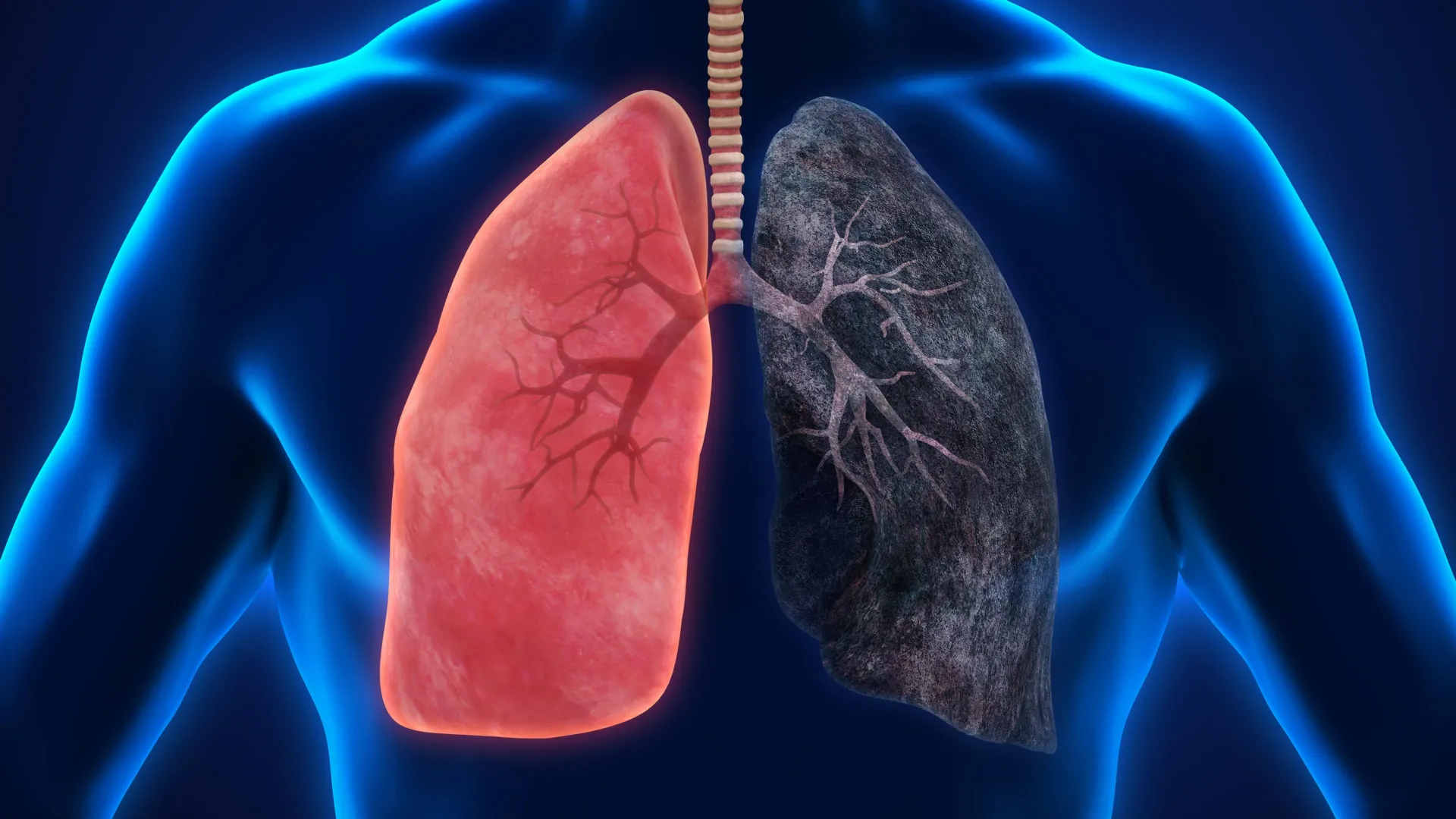
A groundbreaking study spearheaded by researchers at the Harvard T.H. Chan School of Public Health has unveiled a critical and previously unquantified impact of fire smoke exposure: significant alterations to the human immune system at the cellular level. The research, published on June 26 in the prestigious journal Nature Medicine, is the first to meticulously document how the complex cocktail of particulate matter, toxic gases, and chemical compounds found in fire smoke can directly damage the body’s defenses. This discovery fills a crucial knowledge gap, providing scientific evidence to explain the wide-ranging health consequences associated with inhaling smoke from wildfires and other fires, and equipping public health officials and clinicians with a deeper understanding to combat the growing threat posed by increasingly frequent and intense fire events.
The Invisible Battlefield: Fire Smoke’s Cellular Assault
The composition of fire smoke is a formidable threat to human health. It is a complex mixture that includes fine particulate matter (PM2.5), which can penetrate deep into the lungs and bloodstream, along with a spectrum of hazardous gases like carbon monoxide, nitrogen oxides, and volatile organic compounds. Beyond these immediate irritants, smoke can carry a payload of insidious contaminants. Perfluoroalkyl and polyfluoroalkyl substances (PFAS), often referred to as "forever chemicals" due to their persistence in the environment and the body, are released when synthetic materials burn. Toxic metals, such as lead, mercury, and cadmium, can also become airborne. Furthermore, the combustion of various materials can generate carcinogenic compounds, posing long-term cancer risks.
For years, the adverse health effects of fire smoke exposure have been clinically observed, manifesting as worsened respiratory conditions like asthma and bronchitis, increased risks of cardiovascular events, neurological impairments, and negative pregnancy outcomes. However, the precise biological mechanisms driving these outcomes have remained largely elusive. This new Harvard study provides a crucial piece of that puzzle, demonstrating that the immune system itself is a primary target of fire smoke’s destructive power.
"We’ve known that smoke exposure causes poor respiratory, cardiac, neurological, and pregnancy outcomes, but we haven’t understood how," stated corresponding author Kari Nadeau, the John Rock Professor of Climate and Population Studies and chair of the Department of Environmental Health at Harvard Chan School. "Our study fills in this knowledge gap, so that clinicians and public health leaders are better equipped to respond to the growing threat of difficult to contain, toxic wildfires."
A Rigorous Approach to Understanding Cellular Impact
To unravel the cellular intricacies of smoke exposure, the research team employed sophisticated scientific methodologies. They recruited two distinct cohorts of adult participants: one group of 31 individuals who had been exposed to fire smoke, comprising both firefighters and civilians, and a control group of 29 individuals who had not experienced such exposure. Crucially, all participants were screened to ensure they had no pre-existing acute or chronic medical conditions and were not taking any medications that could modulate their immune responses at the time of blood collection. The blood samples were drawn within one month following the participants’ exposure to fire smoke, capturing a relevant window of acute and sub-acute effects.
The researchers utilized cutting-edge single-cell -omic techniques, a suite of advanced analytical tools that allow for the examination of biological processes at the level of individual cells. These included epigenetic assays, which study changes in gene expression that do not involve alterations to the underlying DNA sequence, and mass cytometry, a highly sensitive method for identifying and quantifying different cell populations and their states. These were complemented by powerful bioinformatic analytical tools to process and interpret the vast datasets generated. This multi-faceted approach enabled the researchers to meticulously analyze the immune cells within each blood sample, providing an unprecedented level of detail about the cellular response to fire smoke.
Key Cellular Findings: A Blueprint of Immune Dysfunction
The study’s findings were striking and provided concrete evidence of fire smoke’s cellular assault. In individuals exposed to fire smoke, several significant changes were observed when compared to the control group:
-
Increased Memory CD8+ T Cells: The study detected a notable increase in memory CD8+ T cells. These cells are a vital component of the adaptive immune system, playing a critical role in long-term immunity by "remembering" past infections and mounting a rapid and robust response upon re-exposure to a pathogen. An elevation in these cells could indicate an immune system that is being chronically activated or attempting to compensate for perceived threats.
-
Elevated Activation and Chemokine Receptor Biomarkers: Multiple cell types within the smoke-exposed group exhibited elevated levels of activation markers and chemokine receptors. Chemokines are signaling molecules that guide the migration of immune cells to sites of inflammation or infection. Increased levels of these biomarkers suggest heightened inflammation and a more active, and potentially overstimulated, immune state.
-
Genetic Signatures of Allergy and Asthma: The immune cells of smoke-exposed individuals showed alterations in the expression of 133 genes specifically linked to allergies and asthma. This finding provides a molecular basis for the known exacerbation of these respiratory conditions following smoke exposure, suggesting that smoke can prime the immune system to react more aggressively to allergens.
-
Accumulation of Toxic Metals: Perhaps one of the most concerning findings was the observation that more immune cells in smoke-exposed individuals were bound with toxic metals, including mercury and cadmium. These heavy metals are known to be detrimental to cellular function and can disrupt immune processes, leading to a variety of health problems. The direct association of these metals with immune cells highlights a potential pathway for systemic toxicity.
"Our findings demonstrate that the immune system is extremely sensitive to environmental exposures like fire smoke, even in healthy individuals," commented lead author Mary Johnson, a principal research scientist in the Department of Environmental Health at Harvard Chan School. "Knowing exactly how may help us detect immune dysfunction from smoke exposure earlier and could pave the way for new therapeutics to mitigate, or prevent altogether, the health effects of smoke exposure and environmental contaminants."
Contextualizing the Threat: A Growing Public Health Crisis
The significance of this research is amplified by the escalating frequency and intensity of wildfires globally. Climate change is a major contributing factor, leading to hotter temperatures, drier conditions, and longer fire seasons. In recent years, major wildfires have devastated regions across North America, Australia, Europe, and other parts of the world, releasing unprecedented volumes of smoke that have impacted air quality far beyond the immediate fire zones.
For instance, the 2023 wildfire season in Canada produced smoke that blanketed much of the northeastern United States, leading to some of the worst air quality ever recorded in major cities like New York. Millions of people experienced unhealthy or hazardous air, leading to widespread advisories to stay indoors and limit outdoor activities. Similar events have occurred in California and other western states, impacting public health for weeks or even months at a time. Firefighters, who are repeatedly exposed to high concentrations of smoke, are a particularly vulnerable population, facing occupational health risks that have long been a concern. However, this study underscores that the general public, even with intermittent exposure, is also susceptible to significant immune system disruption.
Implications for Public Health Policy and Clinical Practice
The implications of this study extend far beyond the laboratory, offering critical insights for shaping public health strategies and informing clinical responses.
Informing Public Health Campaigns and Policies: The detailed understanding of how smoke harms the body can empower public health officials to craft more effective public awareness campaigns. These campaigns can highlight not only the immediate dangers but also the subtler, long-term cellular impacts on the immune system. This knowledge could also lead to a re-evaluation of acceptable air quality standards during fire events.
"Knowing more about exactly how smoke exposure is harming the body, we may increase public health campaigns about the dangers of smoke exposure and the importance of following evacuation procedures during wildfires," Nadeau elaborated. "We may also reconsider what levels of smoke exposure we consider toxic."
The findings may also influence urban planning and disaster preparedness. Areas prone to wildfires might need enhanced air filtration systems in public buildings and stricter building codes to minimize the release of toxic compounds during fires. Furthermore, the study could bolster arguments for increased investment in wildfire prevention and suppression efforts.
Advancing Clinical Diagnosis and Treatment: For clinicians, this research offers a potential pathway for earlier detection of smoke-induced immune dysfunction. By understanding the specific cellular markers and genetic changes associated with smoke exposure, healthcare providers may be able to identify individuals at higher risk of developing chronic health problems or experiencing more severe acute reactions to smoke. This could lead to targeted interventions and personalized treatment plans.
The study also opens doors for the development of novel therapeutics. If specific immune pathways are consistently dysregulated by smoke exposure, researchers could develop treatments aimed at restoring normal immune function or preventing the inflammatory cascade. This might include anti-inflammatory agents, immunomodulatory drugs, or even dietary supplements designed to help the body detoxify from heavy metals.
Future Research Directions: This foundational study paves the way for further investigation. Future research could focus on:
- Long-term Effects: Investigating the persistent effects of fire smoke exposure on the immune system and overall health over extended periods.
- Dose-Response Relationships: Quantifying the relationship between the level and duration of smoke exposure and the severity of immune system alterations.
- Vulnerable Populations: Examining how different age groups, individuals with pre-existing conditions, and pregnant women respond to smoke exposure at a cellular level.
- Specific Smoke Components: Identifying which specific components of fire smoke are most responsible for the observed immune changes.
A Collaborative Effort Fueled by Funding
The research was a significant undertaking, involving a multidisciplinary team and substantial financial support. The study was funded by grants from several prominent national health institutes and foundations, underscoring its perceived importance by the scientific and philanthropic communities. These include the National Institute of Environmental Health Sciences (R01 ES032253), the National Heart, Lung, and Blood Institute (P01 HL152953, T32HL007118), and the National Institute of Allergy and Infectious Diseases (U19AI167903). Additional support came from the San Francisco Cancer Prevention Foundation, the Asthma and Allergic Diseases Cooperative Research Center, and the Keck Foundation.
The collaborative nature of the research, with contributions from several Harvard Chan co-authors including Abhinav Kaushik, Olivia Kline, Xiaoying Zhou, and Elisabeth Simonin, highlights the integrated approach required to tackle complex public health challenges.
In conclusion, this landmark study by Harvard T.H. Chan School of Public Health researchers provides compelling evidence that fire smoke is not merely an irritant but a potent disruptor of the human immune system at its most fundamental cellular level. As the world grapples with the escalating impacts of climate change and the consequent increase in wildfire activity, this research offers critical insights that can inform policy, guide clinical practice, and ultimately, protect public health from the insidious cellular damage wrought by the smoke of burning environments.
