
 By admin
The diagnosis of pediatric cancer represents a profound disruption to the familial unit, initiating a medical journey that frequently extends over several years. While the immediate focus following a diagnosis is clinical intervention and survival, the prolonged nature of modern oncology protocols—particularly for conditions such as Acute Lymphoblastic Leukemia (ALL), which typically requires two to three years of chemotherapy—presents a secondary challenge: the preservation of psychological well-being and domestic stability. Experts in pediatric oncology and psychosocial support emphasize that "normalizing the abnormal" is not merely a coping mechanism but a clinical necessity for families navigating the bridge between acute treatment and long-term recovery.
The Longitudinal Nature of Pediatric Oncology Care
Childhood cancer treatment is characterized by its duration and the complexity of its follow-up care. According to the American Cancer Society, while five-year survival rates for pediatric cancers have risen to approximately 85%, the path to those milestones involves intensive regimens that can last years. For a child diagnosed with ALL, the treatment timeline is generally divided into several distinct phases: Induction, Consolidation (or Intensification), and Maintenance.
The Induction phase, typically lasting four weeks, focuses on achieving clinical remission. This is followed by the Consolidation phase, which lasts several months and aims to eliminate any remaining undetectable cancer cells. The final and longest phase, Maintenance, can last two years for girls and three years for boys. During this period, the patient is often in clinical remission but remains "in treatment," a distinction that experts argue is vital for the child’s social identity and psychological adjustment. The transition from the high-intensity hospital environment to home-based maintenance therapy requires a significant recalibration of what constitutes "normal" life.
Establishing Psychological Boundaries and Redefining Patient Status
A critical component of long-term family stability is the establishment of clear psychological boundaries. Laura DeKraker Lang-Ree, an advocate and author of The Cancer Parent’s Handbook, notes that the process begins with the paradoxical concept of acceptance and surrender. In a clinical context, this does not imply resignation to the disease, but rather a cognitive shift toward understanding the reality of the situation to free up mental resources for problem-solving.
This psychological shift is supported by mental health professionals who argue that "rebelling" against the facts of a diagnosis creates a state of chronic stress that inhibits creative coping. Michael J. Fox, a prominent advocate for chronic illness research, has famously stated that acceptance is the prerequisite for finding a way through a challenge.
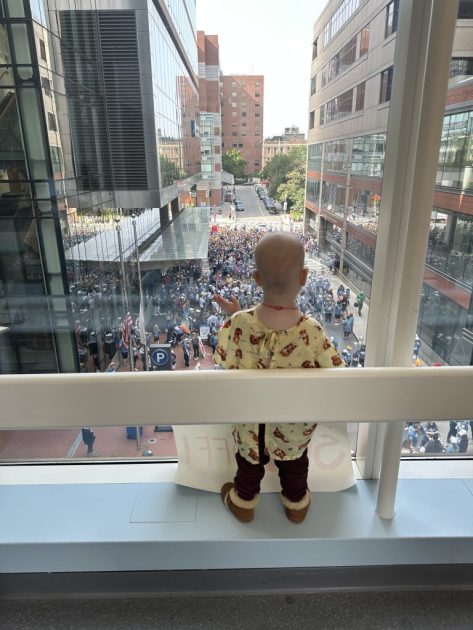
Furthermore, the terminology used to describe a child’s condition plays a significant role in their self-perception. Dr. Lori Wiener, a pediatric psychologist at the National Cancer Institute, emphasizes that children in the maintenance phase of cancer treatment are often not "sick" in the traditional sense, but are rather "living with a chronic, treatable condition." Distinguishing between being sick and being in treatment supports a child’s social identity, particularly in school settings where peers and educators may struggle to reconcile a child’s healthy appearance with their ongoing medical needs.
Procedural Normalization and Patient Empowerment
One of the most taxing aspects of pediatric cancer is the frequency of medical procedures, including blood draws (labs), intravenous (IV) insertions, and chemotherapy injections. For a child, these recurring events can become sources of significant trauma and daily anxiety. To mitigate this, practitioners advocate for "procedural normalization"—the integration of medical tasks into a predictable, and even positive, routine.
Case studies in pediatric care suggest that involving the child in decision-making can drastically reduce procedural distress. For instance, when patients are given the choice between receiving injections at a clinic or at home, those who opt for home-based care often report higher levels of agency. By creating a structured routine around these events—incorporating specific meals, media, or rewards—the medical procedure becomes a secondary element of a larger, more enjoyable tradition.
Breathwork and mindfulness are also emerging as essential tools in the pediatric oncology toolbox. Techniques such as "whale breath" or controlled exhales during needle insertions help regulate the autonomic nervous system, reducing the "fight or flight" response. These tools provide children with a sense of mastery over their physical sensations, which is a key predictor of long-term psychological resilience.
Environmental Controls and Infection Prevention
For families managing a child in treatment, the home environment becomes a primary site of clinical management. A common side effect of chemotherapy is a low Absolute Neutrophil Count (ANC), a condition known as neutropenia. Neutrophils are a type of white blood cell essential for fighting bacterial infections. When a child’s ANC is low, even minor infections can lead to hospitalizations and delays in the cancer treatment schedule.
To maintain a "safe space" within the home, families often adopt rigorous hygiene protocols. These include:

- Shoe-Free Environments: Research indicates that footwear is a primary vector for bringing environmental pathogens and toxins into the home. Establishing a "no shoes" policy at the entrance is a simple but effective preventive measure.
- Hand Hygiene Rituals: Consistent hand washing remains the gold standard for infection control. Families are encouraged to normalize 30-second hand-washing routines for all members and visitors upon entry.
- Non-Toxic Cleaning: While disinfection is necessary, the use of harsh chemicals like bleach and ammonia can be counterproductive. Environmental toxins can place additional strain on a child’s immune system and liver, which is already burdened by the metabolism of chemotherapeutic agents. The shift toward non-toxic, plant-based cleaning products is often recommended to reduce the overall "toxic load" on the patient.
The Role of "Positude" and Visualization in Healing
The intersection of mindset and medicine is a growing field of study. The concept of "Positude"—a portmanteau of positive attitude—refers to the intentional cultivation of a constructive outlook during treatment. This is not about "toxic positivity" or ignoring the gravity of the situation, but about focusing on gratitude and agency to improve quality of life.
Visualization and play therapy are particularly effective for younger patients. When children use toys or imaginative play to "fight" their cancer—such as imagining dinosaurs destroying cancer cells—it shifts their role from a passive victim to an active participant in their recovery. This sense of "warrior identity" has been linked to improved adherence to treatment protocols and better emotional outcomes.
Gratitude rituals, such as the "Roses and Thorns" exercise, where family members share one positive and one challenging event from their day, help maintain familial bonds. These practices ensure that the cancer diagnosis does not become the sole focus of the family’s identity, allowing space for joy and connection even amidst the rigors of treatment.
Broader Impact and Clinical Implications
The strategies developed by "cancer parents" and advocates like Lang-Ree provide a crucial supplement to clinical care. While oncologists focus on the biological eradication of the disease, the daily management of the patient’s psychological and environmental health falls largely on the caregivers.
The implications of these normalization strategies are far-reaching. Patients who experience lower levels of procedural trauma are less likely to develop medical-related Post-Traumatic Stress Disorder (PTSD) later in life. Furthermore, families that successfully establish a "New Normal" report higher levels of cohesion and lower rates of caregiver burnout.
In the broader context of the healthcare system, these insights highlight the need for a more holistic approach to pediatric oncology. The integration of child life specialists, social workers, and parental advocates into the core medical team ensures that the "non-medical" aspects of treatment—which are, in fact, vital to the patient’s overall health—are not overlooked. As survival rates continue to improve, the focus of the medical community is increasingly shifting toward "survivorship," ensuring that children do not just survive cancer, but emerge from treatment with the mental and emotional health necessary to thrive in their post-cancer lives.
