
 By admin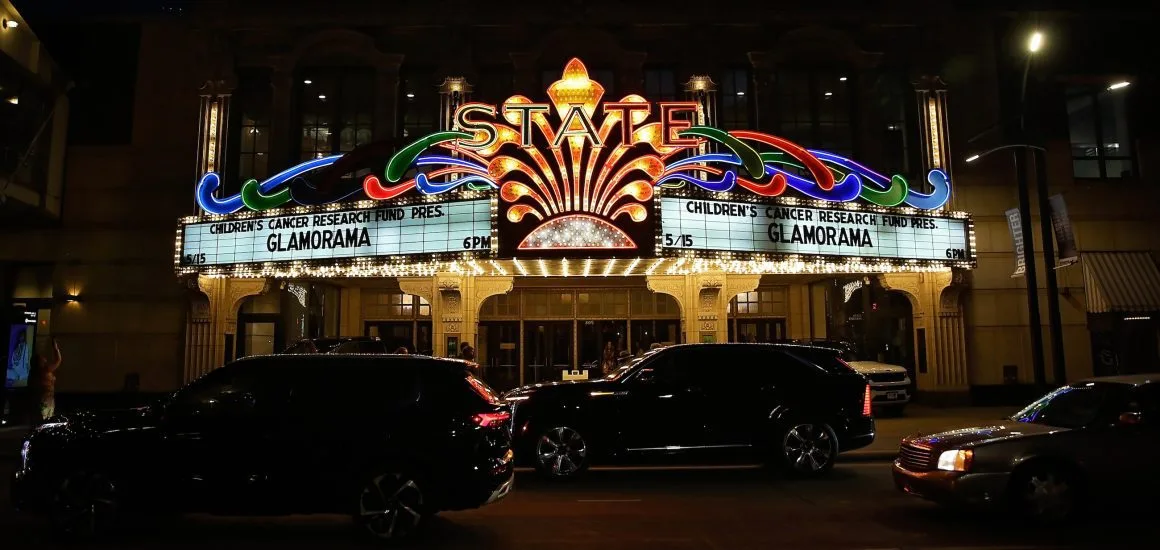
The cultural landscape of the Twin Cities witnessed a significant revival this week as Glamorama, the storied fashion and entertainment extravaganza, returned to Minneapolis after an eleven-year absence. Transforming the historic State Theatre into a multi-sensory environment of high fashion and philanthropy, the event served as a major fundraiser for the Children’s Cancer Research Fund (CCRF). The evening marked a pivotal moment for both the local arts community and the national effort to combat pediatric malignancies, blending avant-garde couture with a profound social mission.
For decades, Glamorama was a cornerstone of the Minneapolis social calendar, known for its high-production runway shows and its ability to draw international talent to the Midwest. Its return signals a renewed commitment to the intersection of style and advocacy, specifically focusing on the urgent need for specialized research in childhood cancers. The atmosphere within the State Theatre was described by attendees as electric, bridging the gap between the event’s historic legacy and a modern, immersive vision of charitable giving.
A Vision Rooted in Childhood Imagination
At the heart of the evening’s creative direction was a unique collaboration between professional designers and the very children the event aimed to support. The production was structured around the "worlds" of five young individuals—Fritz, Isaac, Valerie, Anikah, and Alice—each of whom has faced the challenges of a cancer diagnosis. Their imaginations served as the blueprint for the evening’s aesthetic, which was executed under the leadership of Grant Whittaker, a longtime champion of both Glamorama and the CCRF.
During the opening remarks, CCRF Chief Development Officer Kenna Dooley emphasized the personal nature of the night’s theme. "This night was inspired by five incredible kids—Fritz, Isaac, Valerie, Anikah, and Alice," Dooley stated. "These are their worlds—their imaginations—brought to life through the visionary direction of Grant Whittaker."
Whittaker’s direction translated these childhood perspectives into sophisticated fashion segments. The runway featured a progression of immersive experiences characterized by vibrant color palettes, intricate textures, and choreographed movements that transcended traditional fashion show formats. By centering the narratives of the children, the event moved beyond a mere display of clothing, becoming a living testament to the resilience and creativity of pediatric patients.
Musical Legacy and Iconic Performances
To complement the visual spectacle, the production featured performances from three titans of the house music genre: CeCe Peniston, Crystal Waters, and Robin S. Their inclusion served a dual purpose: providing a high-energy soundtrack for the runway and paying homage to the 1990s era, which many consider the golden age of the original Glamorama series.
The performance of hits such as "Finally," "Gypsy Woman (She’s Homeless)," and "Show Me Love" resonated with the audience, creating a nostalgic bridge to the event’s past while maintaining a contemporary relevance. The use of house music, historically rooted in themes of liberation and community, mirrored the evening’s focus on collective action and the breaking of barriers in medical research. These performances were integrated into the fashion segments, ensuring that the rhythm and movement of the models were synchronized with the live vocals, further elevating the "immersive" quality of the experience.
The Historical Significance of Glamorama’s Return
The return of Glamorama is a significant milestone in the history of Twin Cities philanthropy. Originally launched by Dayton’s department store and later carried on by Marshall Field’s and Macy’s, the event was a premier stop on a national tour that included cities like Chicago, Detroit, and San Francisco. When the event was discontinued locally over a decade ago, it left a void in the Minneapolis fashion scene and a gap in the annual fundraising efforts for the Children’s Cancer Research Fund.
The revival of the brand under the direct stewardship of the CCRF represents a strategic shift. By bringing the event back to the State Theatre—a venue known for its ornate Italian Renaissance architecture—organizers sought to recapture the prestige of the original shows while directing a larger portion of the proceeds and focus toward the medical mission. This transition from a corporate-led marketing event to a non-profit-led gala underscores the evolving nature of high-profile fundraising in the 21st century.
Addressing the Funding Gap in Pediatric Cancer Research
While the evening was characterized by celebration, the underlying cause remained a sobering reality. Children’s cancer research is historically underfunded compared to adult oncology. According to data from the National Cancer Institute (NCI), only about 4% of federal funding for cancer research is directed specifically toward pediatric cancers. This disparity places a heavy burden on private organizations like the CCRF to bridge the gap.
Elizabeth Allen, CEO of the Children’s Cancer Research Fund, highlighted the necessity of bold initiatives like Glamorama in addressing this crisis. "Only through bold support can we change what’s possible for kids and families facing cancer," Allen said. "Glamorama is more than one night of giving. It brings people into our mission, sparks meaningful connections, and builds lasting momentum for childhood cancer research."
The funds raised during the event are earmarked for several critical areas:
- Seed Grants: Providing initial funding for innovative research ideas that may be too "high-risk" for traditional federal grants.
- Clinical Trials: Supporting the infrastructure necessary to bring new treatments from the laboratory to the bedside.
- Quality of Life Programs: Funding initiatives that support the emotional and psychological well-being of families during treatment.
Corporate and Community Collaboration
The successful execution of Glamorama 2024 was made possible through a broad coalition of local and national sponsors. The list of partners reflects a cross-section of the Twin Cities’ business community, ranging from luxury fashion boutiques to grocery chains and automotive dealerships. Key sponsors included:
- Fashion and Lifestyle: 50th and France, Grethen House, Fashion Avenue, MartinPatrick 3, and Opitz.
- Design and Beauty: Martha Dayton Design, Odele, and Landscape Structures.
- Consumer Goods and Services: Kowalski’s and Park Chrysler Jeep.
The involvement of local retailers like MartinPatrick 3 and Grethen House provided the event with high-end couture and contemporary styles, ensuring that the fashion remained at a world-class level. This collaboration also highlights the interconnectedness of the Minneapolis economy, where the success of the arts and non-profit sectors is intrinsically linked to the support of the private business sector.
Analysis: The Implications of High-Profile Philanthropy
The return of Glamorama suggests a growing trend in the non-profit sector toward "experiential philanthropy." In an era where donors are increasingly seeking more than just a transactional relationship with a charity, events that offer a unique, high-value experience can drive deeper engagement.
From a strategic standpoint, the CCRF’s decision to revive a known brand rather than create a new one from scratch was a calculated move. The Glamorama name carries significant brand equity in the Twin Cities, evoking memories of glamour, community, and high-quality entertainment. By leveraging this nostalgia, the CCRF was able to attract a diverse demographic, ranging from long-time supporters who attended the original shows to a new generation of philanthropists drawn to the event’s modern, immersive elements.
Furthermore, the focus on the "imaginations" of the children serves as a powerful marketing and storytelling tool. In the field of medical fundraising, the human element is paramount. By giving names and creative agency to the beneficiaries of the research, the CCRF creates a narrative that is more relatable and urgent than statistics alone could provide.
Future Outlook and Legacy
As the final notes of the house music legends faded and the lights dimmed at the State Theatre, the impact of Glamorama’s return was already being assessed. The event successfully met its primary goals: raising substantial funds for cancer research, re-establishing a beloved cultural tradition, and shining a spotlight on the resilience of pediatric patients.
Moving forward, the challenge for the Children’s Cancer Research Fund will be to maintain the momentum generated by this revival. The success of the 2024 event provides a strong foundation for future iterations, suggesting that Glamorama may once again become a permanent fixture in the Minneapolis cultural landscape.
The legacy of the evening, however, will ultimately be measured not by the fashion on the runway or the celebrities on stage, but by the progress made in laboratories and hospitals. As research continues into more effective and less toxic treatments for childhood cancers, the support provided by the Twin Cities community through events like Glamorama remains a vital component of the quest for a cure.
The return of Glamorama was more than a fashion show; it was a reaffirmation of a community’s commitment to its most vulnerable members. By blending the world of high-concept art with the urgent needs of medical science, the Twin Cities has once again demonstrated that style and substance are not mutually exclusive, but rather, when combined, can create a powerful force for social change.
