
 By Hendra Lukman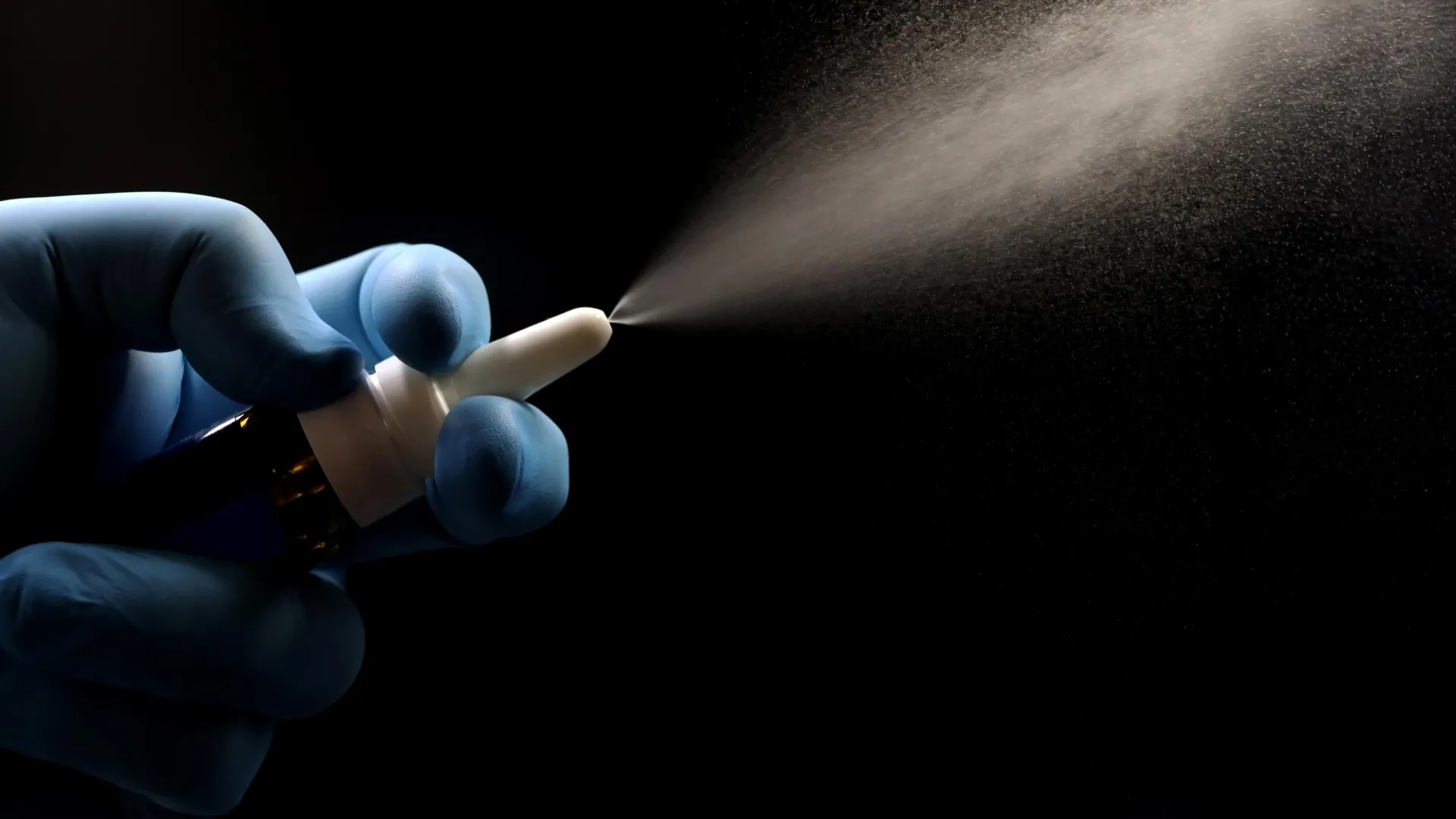
The H5N1 avian influenza virus, commonly known as bird flu, has transitioned from a concern primarily for wild bird populations to a significant public health challenge, marked by its alarming spread into domestic animals and, critically, humans. First identified in the United States in 2014, the virus has demonstrated a persistent and evolving presence. Since 2022 alone, the U.S. has recorded over 70 human cases, including two fatalities, underscoring the escalating risk. The ongoing circulation of H5N1 among animal populations fuels scientific apprehension about its potential to adapt further, increasing the likelihood of efficient human-to-human transmission and raising the specter of a future pandemic. In response to this growing threat, researchers at Washington University School of Medicine in St. Louis have developed an innovative intranasal vaccine, offering a novel approach to combating the virus.
A New Front in the Battle Against Bird Flu
The development of this intranasal vaccine represents a significant stride in preparedness against avian influenza. Unlike traditional vaccines administered via injection, this new formulation is delivered as a nasal spray, targeting the upper respiratory tract – the primary entry point for many respiratory viruses, including influenza. Early testing in animal models, specifically hamsters and mice, has yielded encouraging results. The vaccine successfully elicited robust immune responses and provided complete protection against H5N1 infection following exposure.
A key advantage of this nasal vaccine lies in its efficacy even in the presence of pre-existing immunity to seasonal influenza. A common hurdle for new flu vaccines is the potential for prior exposure to seasonal flu strains or vaccinations to dampen the immune system’s response to the novel vaccine. However, the Washington University team’s research indicates that their intranasal H5N1 vaccine maintains its protective power, a critical factor given that most individuals, with the exception of very young children, possess some level of immune memory from past influenza encounters. The findings of this groundbreaking study were published on January 30th in the esteemed scientific journal Cell Reports Medicine.
Addressing a Viral Evolution and a Public Health Imperative
The recent jump of H5N1 into dairy cattle across the United States in early 2024 marked a pivotal and unexpected development, amplifying concerns among public health officials and scientists. This unprecedented spillover event into a species with close human contact highlighted the urgent need for enhanced pandemic preparedness.
"This particular version of bird flu has been around for some time, but the unique and totally unexpected event where it jumped across species into dairy cows in the United States was a clear sign that we should prepare for the event that a pandemic may occur," stated Dr. Jacco Boon, a professor in the WashU Medicine John T. Milliken Department of Medicine and co-senior author of the study. "Our vaccine to the nose and upper airway — not the shot-in-the-arm vaccine people are used to — can protect against upper respiratory infection as well as severe disease. This could provide better protection against transmission because it protects against infection in the first place."
Dr. Boon’s remarks underscore the strategic importance of targeting the initial sites of viral entry. By preventing infection in the nasal passages and upper airways, the vaccine aims to disrupt the virus’s ability to establish a foothold and subsequently spread, thereby offering a more comprehensive layer of protection against both illness and transmission.
A Timeline of Concern and Innovation
The history of H5N1 in the United States has been one of escalating concern:
- 2014: H5N1 avian influenza is first detected in the United States, primarily within wild bird populations.
- Post-2014: The virus begins to spread beyond wild birds, impacting commercial poultry and, subsequently, other animal species.
- 2022-Present: A significant surge in H5N1 cases is observed in the U.S., with over 70 human infections and two reported deaths attributed to the virus. This period also sees the virus establishing a notable presence in wild birds and expanding into various mammal populations.
- Early 2024: A watershed moment occurs with the identification of H5N1 in dairy cattle across multiple U.S. states, marking the first time the virus has spread so widely among U.S. livestock. This event intensifies public health vigilance and the urgency for effective countermeasures.
- January 30, 2024: Researchers at Washington University School of Medicine publish their findings on a novel intranasal H5N1 vaccine in Cell Reports Medicine, offering a potential new tool in pandemic preparedness.
Advancing Vaccine Technology for a Modern Threat
The existing avian influenza vaccine in the United States faces limitations. It was developed using older strains of the virus, which may render it less effective against the current, more prevalent H5N1 variants. Furthermore, its availability has been limited, creating a gap in preparedness. The Washington University team’s work builds upon a robust foundation of nasal vaccine technology previously pioneered at the institution by co-authors Dr. Michael S. Diamond, the Herbert S. Gasser Professor of Medicine, and Dr. David T. Curiel, a professor of radiation oncology.
This platform has demonstrated its potential, notably in the development of a COVID-19 vaccine. A nasal vaccine utilizing this same technology has been available in India since 2022 and received approval for clinical testing in the U.S. in the preceding year. This prior success provides a strong precedent and a clear pathway for the H5N1 vaccine’s potential development and deployment.
Engineering an Immune Response Tailored to H5N1
The efficacy of any vaccine hinges on its ability to elicit a rapid and precise immune response. To achieve this with their H5N1 vaccine, Dr. Boon and his collaborator, Dr. Eva-Maria Strauch, an associate professor of medicine specializing in antivirals and protein design, meticulously selected proteins from H5N1 strains known to infect humans. By identifying and leveraging common features within these critical viral proteins, they engineered an optimized antigen – the specific component of the virus that triggers an immune reaction.
This custom-designed antigen was then incorporated into a harmless, non-replicating adenovirus, which acts as a sophisticated delivery vehicle for the vaccine. This dual approach of antigen engineering and adenovirus delivery closely mirrors the successful strategy employed for the aforementioned COVID-19 nasal vaccine, lending further confidence to the H5N1 vaccine’s design.
Robust Protection Demonstrated in Pre-clinical Trials
The rigorous testing of the intranasal H5N1 vaccine in hamsters and mice yielded compelling evidence of its protective capabilities. In both animal models, the vaccine demonstrated near-complete protection against H5N1 infection. As anticipated, pre-existing immunity from seasonal flu vaccines offered minimal defense against the avian influenza strain.
Crucially, the intranasal vaccine proved to be more effective than the same vaccine delivered via a traditional intramuscular injection. This enhanced efficacy was observed even when the vaccine was administered at lower doses and subsequently challenged with high concentrations of the virus, indicating a potent and durable immune response.
Blocking the Virus at the Source: Nose and Lungs
The direct delivery of the vaccine to the nasal passages yielded a significant advantage: strong immune responses were generated throughout the respiratory system, with particularly heightened activity in the nasal cavities and lungs. Dr. Boon emphasized that this targeted approach bypasses the limitations of injected vaccines, which may not induce as potent an immune defense at the primary sites of viral entry.
"We’ve shown that this nasal vaccine delivery platform we conceived, designed and conducted initial testing on at WashU Medicine can prevent H5N1 infection from taking hold in the nose and lungs," commented Dr. Diamond, a co-senior author on the study. "Delivering vaccine directly to the upper airway where you most need protection from respiratory infection could disrupt the cycle of infection and transmission. That’s crucial to slowing the spread of infection for H5N1 as well as other flu strains and respiratory infections."
This ability to block infection at the initial point of contact is paramount in preventing not only severe illness but also the subsequent spread of the virus within a community.
Overcoming the Challenge of Pre-existing Immunity
In a critical series of experiments, the researchers specifically investigated whether immunity acquired from previous influenza infections or vaccinations would impede the H5N1 vaccine’s effectiveness. The findings were highly encouraging: the intranasal vaccine continued to provide substantial protection even in the presence of pre-existing flu immunity. This characteristic is of immense importance for real-world application, as it ensures that a broad segment of the population can benefit from the vaccine, irrespective of their past influenza exposure history.
Future Directions and Global Implications
The research team is now focused on advancing the development of this promising H5N1 vaccine. Their next steps include conducting further comprehensive studies in animal models and utilizing organoids that accurately mimic human immune tissue to refine the vaccine’s performance. They are also actively working on updated vaccine versions designed to further mitigate the influence of prior seasonal flu immunity and to enhance antiviral responses, aiming for an even more potent and broadly protective vaccine.
The broader implications of this research extend far beyond the immediate threat of H5N1. The successful development and deployment of effective nasal vaccines for avian influenza could revolutionize our approach to combating future respiratory pandemics. By providing a more accessible and potentially more effective method of vaccination that targets the primary routes of viral entry, this technology offers a critical new tool in the global public health arsenal. The ability to rapidly induce mucosal immunity could significantly shorten the timeline for response during an outbreak, limiting widespread transmission and mitigating the devastating impact of emerging infectious diseases.
This vital research was supported by grants from the Cooperative Center for Human Immunology (U19AI181103) and the Center for Research on Structural Biology of Infectious Diseases (75N93022C00035). The Boon laboratory has received funding from Novavax Inc for influenza virus vaccine development and unrelated support from AbbVie Inc. Dr. Diamond has received unrelated funding support through sponsored research agreements from Moderna and serves as a consultant or on the Scientific Advisory Board for Inbios, IntegerBio, Akagera Medicines, GlaxoSmithKline, Merck, and Moderna.
