
 By Budi Oetomo Narendra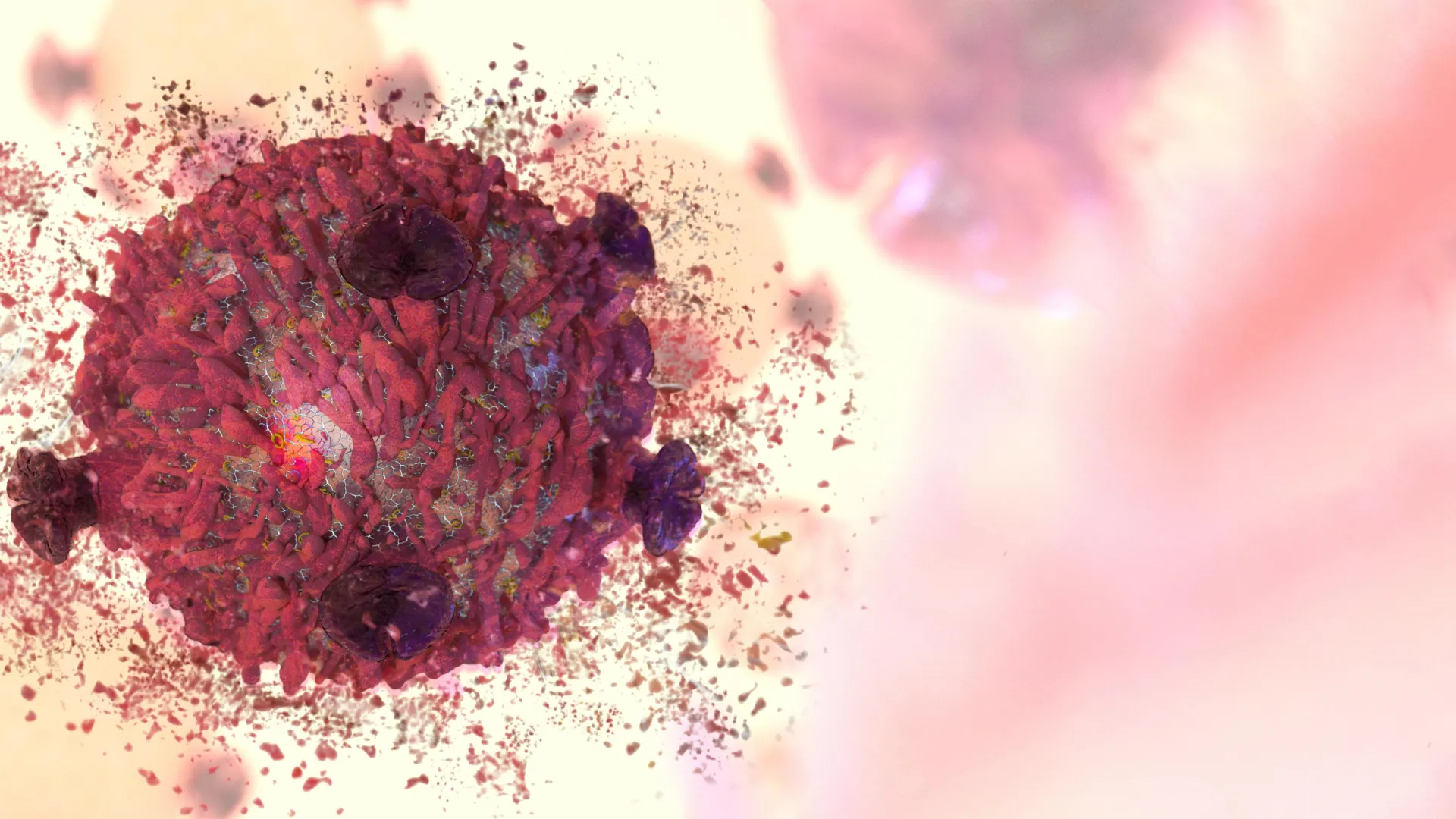
Corvallis, OR – Researchers at Oregon State University (OSU) have engineered a groundbreaking nanomaterial poised to revolutionize cancer treatment by targeting and destroying malignant cells from within, while meticulously sparing healthy surrounding tissues. This innovative nanoagent, developed by a team at the OSU College of Pharmacy, initiates two distinct and powerful chemical reactions once inside a tumor cell, generating an overwhelming surge of oxidative stress that proves fatal to the cancer without systemic toxicity. The findings, which represent a significant leap forward in the burgeoning field of chemodynamic therapy (CDT), were recently published in the esteemed journal Advanced Functional Materials, signaling a new era of precision oncology.
A Novel Approach to Intracellular Annihilation
At the core of this pioneering research lies a sophisticated iron-based metal-organic framework (MOF) nanoagent designed to exploit the unique biochemical landscape of tumor microenvironments. Unlike conventional therapies that often struggle with specificity, this nanomaterial activates a dual-pronged attack. It simultaneously produces hydroxyl radicals and singlet oxygen – two potent types of reactive oxygen species (ROS). These ROS are highly reactive molecules that cause irreparable damage to critical cellular components such as lipids, proteins, and DNA through oxidation, effectively dismantling the cancer cell’s machinery from the inside.
The work, spearheaded by a multidisciplinary team including Oleh Taratula, Olena Taratula, and Chao Wang from the OSU College of Pharmacy, addresses critical limitations of existing chemodynamic therapeutic agents. Previous CDT approaches typically generated only one type of ROS and often lacked the sustained catalytic activity necessary for robust and durable therapeutic outcomes. The OSU team’s innovation lies in overcoming these hurdles, demonstrating robust toxicity across a spectrum of cancer cell lines in vitro while exhibiting minimal harm to noncancerous cells, a testament to its targeted efficacy.
The Promise of Chemodynamic Therapy (CDT)
Chemodynamic therapy is an emerging and highly promising cancer treatment strategy that capitalizes on the distinctive chemical conditions prevalent within tumor environments. Cancer cells are notoriously characterized by an altered metabolism, leading to a more acidic intracellular pH and significantly elevated levels of hydrogen peroxide compared to normal, healthy tissues. These unique conditions, often detrimental to the cancer cell itself, are cleverly harnessed by CDT agents to trigger cytotoxic reactions.
Traditionally, CDT has focused on the Fenton or Fenton-like reactions, where iron-based catalysts react with hydrogen peroxide in acidic conditions to produce highly destructive hydroxyl radicals. These radicals, characterized by an unpaired electron, are exceedingly reactive and initiate a cascade of oxidative damage. More recent advancements in CDT have also explored methods to generate singlet oxygen, another powerful ROS, within tumors. Singlet oxygen differs from atmospheric oxygen in its electron spin state, making it far more reactive and capable of inflicting cellular damage.
However, as Oleh Taratula articulated, "existing CDT agents are limited. They efficiently generate either radical hydroxyls or singlet oxygen but not both, and they often lack sufficient catalytic activity to sustain robust reactive oxygen species production. Consequently, preclinical studies often only show partial tumor regression and not a durable therapeutic benefit." This insight underscores the critical need for agents like the OSU nanoagent that can deliver a more comprehensive and sustained oxidative assault.
Unprecedented Preclinical Success: Complete Tumor Regression
The true impact of the OSU team’s breakthrough became evident in in vivo preclinical experiments involving mice bearing human breast cancer cells. When the newly developed nanoagent was systemically administered, it demonstrated an extraordinary ability to efficiently accumulate specifically within tumor tissues. Once localized, it robustly generated the synergistic duo of reactive oxygen species, leading to a complete eradication of the cancer.
Olena Taratula highlighted the remarkable outcomes: "When we systemically administered our nanoagent in mice bearing human breast cancer cells, it efficiently accumulated in tumors, robustly generated reactive oxygen species and completely eradicated the cancer without adverse effects. We saw total tumor regression and long-term prevention of recurrence, all without seeing any systemic toxicity." This finding is particularly significant because it addresses two major challenges in cancer therapy: achieving complete tumor elimination and preventing recurrence, all while avoiding the debilitating side effects often associated with conventional treatments like chemotherapy or radiation. The mice showed no signs of harmful systemic side effects, indicating a high degree of specificity and biocompatibility for the nanoagent.
The Global Burden of Cancer: A Persistent Challenge
Cancer remains one of the most formidable global health challenges of our time. According to the World Health Organization (WHO), cancer is a leading cause of death worldwide, accounting for nearly 10 million deaths in 2020 alone. Projections indicate a significant increase in cancer incidence and mortality over the coming decades, driven by factors such as population growth, aging populations, and lifestyle changes. The economic burden of cancer is also immense, encompassing healthcare costs, lost productivity, and the emotional toll on patients and their families.
Current cancer treatment modalities, including surgery, chemotherapy, radiation therapy, immunotherapy, and targeted drug therapy, have made considerable strides. However, they are often associated with significant limitations. Chemotherapy and radiation, while effective, frequently cause severe systemic side effects due to their indiscriminate damage to healthy cells. Immunotherapies, though revolutionary for some, are not universally effective and can lead to immune-related adverse events. The development of drug resistance further complicates long-term management. These challenges underscore the urgent need for novel, highly specific, and less toxic therapeutic strategies like the one developed at Oregon State University.
The Rise of Nanomedicine in Cancer Therapy
The OSU nanoagent is a prime example of the transformative potential of nanomedicine in oncology. Nanomedicine, an interdisciplinary field that applies nanotechnology principles to medicine, leverages materials at the nanoscale (typically 1-100 nanometers) to diagnose, treat, prevent, and image diseases. For cancer, nanomedicine offers several distinct advantages:
- Enhanced Permeability and Retention (EPR) Effect: Nanoparticles can preferentially accumulate in tumor tissues due to their leaky vasculature and impaired lymphatic drainage, a phenomenon known as the EPR effect. This allows for higher drug concentrations at the tumor site while minimizing exposure to healthy tissues.
- Targeted Delivery: Nanoparticles can be surface-modified with ligands that specifically bind to receptors overexpressed on cancer cells, enabling even more precise targeting.
- Improved Drug Solubility and Stability: Nanocarriers can encapsulate hydrophobic drugs, improving their solubility and bioavailability, and protect therapeutic agents from premature degradation in the body.
- Multifunctionality: Nanomaterials can be designed to carry multiple therapeutic agents, imaging agents, or targeting moieties, allowing for theranostic (therapy + diagnostic) applications.
The OSU team’s MOF nanoagent epitomizes this multifunctionality, combining targeted delivery with a dual-action therapeutic mechanism, signifying a sophisticated advancement in nanomedicine.
The Science Behind the Metal-Organic Framework (MOF)
Metal-Organic Frameworks (MOFs) are a class of crystalline porous materials constructed from metal ions or clusters coordinated to organic linkers. Their unique characteristics – including high surface area, tunable pore sizes, and versatile chemical functionality – make them ideal candidates for biomedical applications, particularly in drug delivery and catalysis.
In this specific application, the choice of an iron-based MOF is critical. Iron is a well-known catalyst for the Fenton reaction, which is crucial for generating hydroxyl radicals from hydrogen peroxide, abundant in tumor microenvironments. The specific design of the MOF structure by the OSU team allows for not only the efficient generation of hydroxyl radicals but also the simultaneous production of singlet oxygen. This synergistic dual-ROS production is what sets this nanoagent apart, creating a more potent and comprehensive oxidative assault on cancer cells. The MOF’s stability and biocompatibility are also key factors, ensuring it can safely navigate the biological environment and deliver its therapeutic payload effectively.
Statements from Researchers and Supporting Organizations
The researchers involved expressed both the scientific rationale and the profound hope their work represents. The explicit recognition of previous CDT limitations by Oleh Taratula underscored the targeted nature of their solution. Olena Taratula’s statement about complete tumor regression and prevention of recurrence without systemic toxicity highlights the potential for a paradigm shift in patient outcomes, offering a future where cancer treatment is not synonymous with severe side effects.
This groundbreaking research was made possible through significant financial backing from federal agencies. Funding was generously provided by the National Cancer Institute (NCI) of the National Institutes of Health (NIH) and the Eunice Kennedy Shriver National Institute of Child Health and Human Development. Such investments are critical for fostering high-risk, high-reward research that can lead to transformative medical breakthroughs, illustrating the national commitment to combating cancer and improving public health. The interdisciplinary nature of modern scientific discovery was also evident in the list of other contributors from Oregon State, including Kongbrailatpam Shitaljit Sharma, Yoon Tae Goo, Vladislav Grigoriev, Constanze Raitmayr, Ana Paula Mesquita Souza, and Manali Parag Phawde, whose collective expertise was instrumental in this complex endeavor.
Next Steps: Paving the Path to Clinical Translation
While the preclinical results are exceptionally promising, the journey from laboratory discovery to a widely available human therapy is rigorous and multifaceted. The immediate next steps for the OSU team involve testing the nanoagent in additional, more aggressive cancer types. This includes notoriously challenging cancers such as pancreatic cancer, which often responds poorly to existing treatments and has a high mortality rate. Demonstrating efficacy across a broader range of tumors will be crucial in establishing the universal applicability and potential impact of this approach.
Following successful validation in various preclinical models, the research would then progress through several phases of human clinical trials. Phase 1 trials would assess the safety, dosage, and pharmacokinetics of the nanoagent in a small group of human volunteers. Phase 2 trials would evaluate its efficacy in a larger cohort of cancer patients, while continuing to monitor safety. Finally, Phase 3 trials would compare the nanoagent against existing standard treatments in an even larger patient population to confirm its therapeutic benefit and long-term safety profile. This entire process, from initial discovery to widespread clinical use, can often take a decade or more, involving significant investment and meticulous regulatory oversight from bodies like the U.S. Food and Drug Administration (FDA). Challenges such as scaling up production of the nanomaterial to clinical grade, ensuring batch-to-batch consistency, and understanding potential long-term effects will need to be meticulously addressed.
Broader Implications and a Future of Hope
The OSU team’s development of this novel nanomaterial holds profound implications for the future of cancer treatment. If successfully translated to human clinics, it could usher in a new era of highly targeted, less toxic, and more effective therapies. For patients, this could mean not only a higher chance of complete remission but also a significantly improved quality of life during and after treatment, free from the debilitating side effects of current regimens.
This breakthrough also has the potential to reignite research and investment in chemodynamic therapy and nanomedicine more broadly, inspiring further innovation in targeted cancer interventions. It reinforces the idea that by understanding and exploiting the intrinsic vulnerabilities of cancer cells, scientists can engineer intelligent solutions that specifically disarm the disease while protecting the patient. Beyond the immediate impact on breast cancer, the potential applicability to other difficult-to-treat cancers offers a beacon of hope for millions worldwide. The economic implications are also substantial; more effective treatments that prevent recurrence and reduce long-term complications could significantly lower healthcare costs associated with chronic cancer management. While the road ahead is long, the complete tumor regression observed in preclinical models provides compelling evidence that a future where cancer is eradicated from within, with minimal collateral damage, is increasingly within reach.
