
 By Budi Oetomo Narendra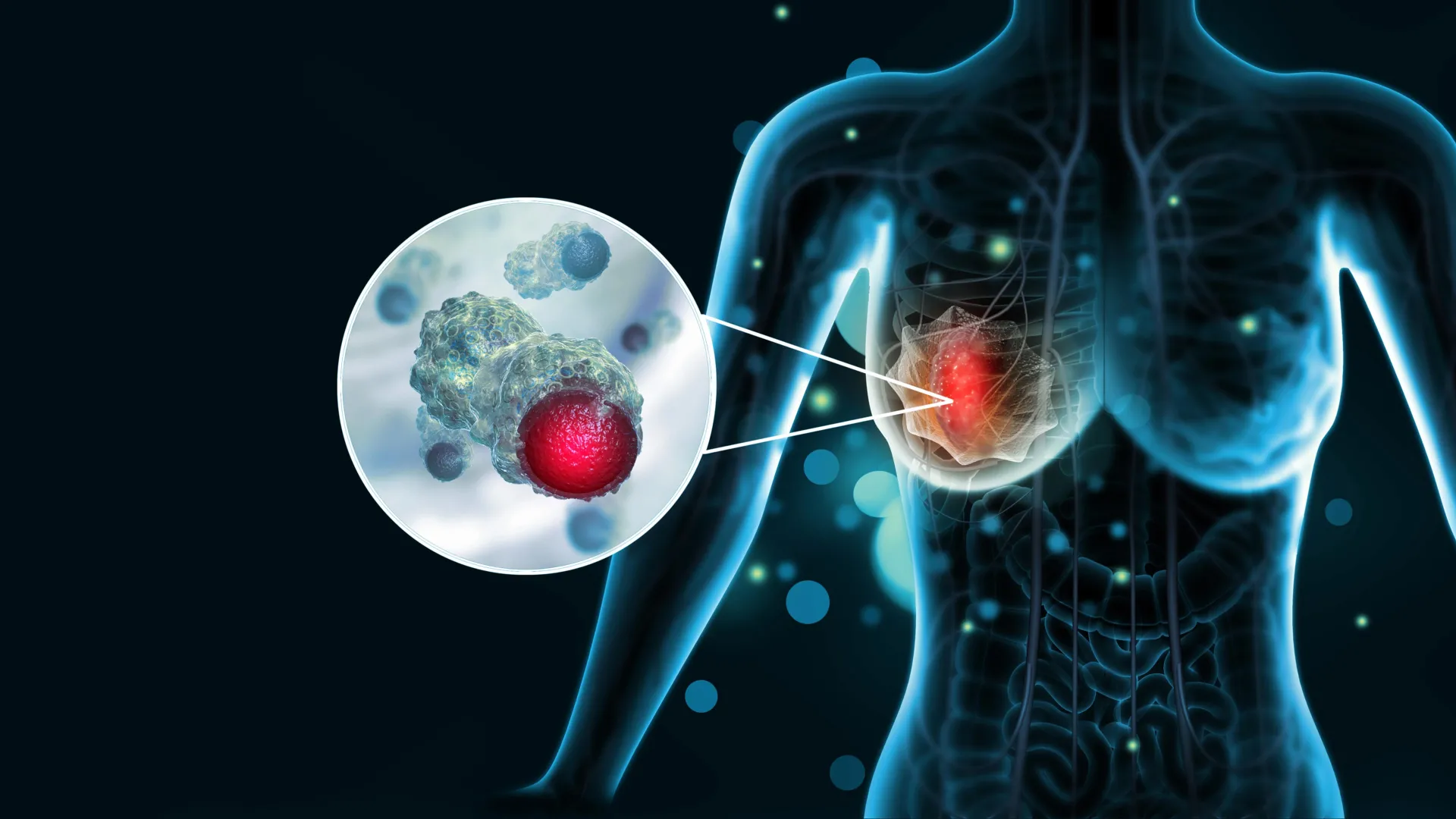
Breast cancer stands as the most commonly diagnosed cancer among women globally, presenting a formidable public health challenge that transcends geographical and socioeconomic boundaries. According to the latest figures from the World Health Organization (WHO), an alarming 2.3 million women received a breast cancer diagnosis in 2022 alone, with approximately 670,000 succumbing to the disease. While monumental strides have been made in cancer therapeutics over recent decades, leading to improved survival rates for many, a persistent and critical hurdle remains: certain forms of breast cancer exhibit aggressive characteristics, proving exceptionally challenging to manage with existing treatment paradigms. A significant impediment for oncologists and researchers alike is the scarcity of reliable methodologies to accurately predict the trajectory and progression of these rapidly evolving cancers, often leaving clinicians to make crucial treatment decisions with incomplete prognostic information. This diagnostic and prognostic gap underscores an urgent need for innovative research aimed at deciphering the complex biological underpinnings of aggressive breast cancer and translating these insights into actionable clinical tools.
Pioneering Precision: The BRIDGE Initiative’s Mission
Addressing this pressing clinical void is a groundbreaking new research initiative known as Biomarker Research Integrating Data of Glyco-Immune Signatures and Clinical Evidence in Breast Cancer, aptly abbreviated as BRIDGE. This ambitious project is meticulously designed to bridge the chasm between fundamental scientific discovery and practical clinical application. At its core, BRIDGE is dedicated to unearthing superior methods for the early detection and more effective treatment of aggressive breast cancer. The initiative’s innovative approach centers on identifying distinct biological indicators, or "clues," that can reveal with unprecedented clarity how the disease is behaving within each individual patient. This patient-centric focus is paramount in an era increasingly moving towards personalized medicine, where treatments are precisely tailored to the unique molecular fingerprint of a patient’s cancer, moving beyond generalized, one-size-fits-all protocols.
Unlocking Biological Clues: The Power of Biomarkers
These crucial biological clues are scientifically termed biomarkers. In the context of oncology, biomarkers are measurable biological signals — whether specific molecules, genes, or cellular changes — detectable in blood, tissue samples, or other bodily fluids. Their significance in modern medicine, particularly in cancer care, cannot be overstated. Biomarkers serve a multifaceted role: they can aid in early diagnosis, monitor disease progression, predict treatment response, and identify patients at higher risk of recurrence. For instance, the presence or absence of certain biomarkers might signal whether a tumor is likely to grow rapidly, whether it will metastasize, or if it will respond favorably or unfavorably to a particular chemotherapy regimen, targeted therapy, or immunotherapy. The journey of biomarker discovery and validation is a rigorous one, often spanning years from initial lab identification to clinical utility, yet their transformative potential for patient outcomes is immense. The BRIDGE project specifically aims to identify novel biomarkers that can provide critical insights into the aggressiveness of breast cancer, thereby guiding more precise and timely therapeutic interventions.
The Global Burden of Breast Cancer: A Pressing Challenge
The prevalence and impact of breast cancer have long been a focal point for global health organizations. The disease’s incidence rates have steadily climbed over the past few decades, influenced by a complex interplay of genetic predispositions, lifestyle factors, environmental exposures, and increased screening efforts. While developed nations historically reported higher rates, incidence is now rising in many developing countries, often linked to urbanization and the adoption of Western lifestyles. The WHO emphasizes that breast cancer is not just a health issue but also a significant economic and social burden, impacting individuals, families, and healthcare systems. The emotional and financial toll of diagnosis, treatment, and survivorship can be profound, highlighting the urgency for research initiatives like BRIDGE that promise to improve patient journeys and outcomes. The challenge of aggressive subtypes, such as triple-negative breast cancer (TNBC), is particularly acute, as these forms often lack specific therapeutic targets and are associated with higher rates of recurrence and metastasis, making reliable prognostic biomarkers indispensable.
The Enigma of the Tumor Microenvironment and Immune Evasion
The core scientific focus of the BRIDGE project delves into one of the most dynamic and complex aspects of cancer biology: the interaction between cancer cells and their surrounding milieu, often referred to as the tumor microenvironment (TME). The TME is not merely a passive backdrop for tumor growth; rather, it is an active, evolving ecosystem comprising not only malignant cells but also an intricate network of non-cancerous components. These include various immune cells (such as T-cells, B-cells, macrophages, and natural killer cells), fibroblasts, adipocytes, endothelial cells forming new blood vessels, and the extracellular matrix. This complex environment plays a pivotal role in dictating tumor growth, invasion, metastasis, and crucially, its response to therapy.
The BRIDGE team, a collaboration bringing together the cutting-edge research capabilities of the Instituto de Tecnologia Química e Biológica António Xavier of NOVA University of Lisbon (ITQB NOVA) and the clinical expertise of the Portuguese Institute of Oncology (IPOFG – Instituto Português de Oncologia de Lisboa Francisco Gentil), is particularly keen on understanding how cancer cells manipulate this environment to their advantage. Their research specifically targets the small, complex sugar molecules, or glycans, found on the surface of cells within the TME. These glycans are not just structural components; they act as critical identifiers and communicators, mediating interactions between cells. The hypothesis is that these specific glyco-immune signatures on the surface of tumor cells and surrounding immune cells may be instrumental in helping tumors evade detection and destruction by the body’s own immune system. This immune evasion is a hallmark of aggressive cancers, allowing them to proliferate unchecked, metastasize, and resist conventional therapies. By "unlocking the communication" between tumors and immune cells, researchers aim to identify the specific molecular dialogues that enable cancer to flourish.
A Collaborative Endeavor: Bridging Bench and Bedside
The success of a translational research project like BRIDGE hinges on robust collaboration between basic scientists, who unravel the fundamental mechanisms of disease, and clinical researchers, who work directly with patients and understand the practicalities of healthcare delivery. This synergy is precisely what the partnership between ITQB NOVA and IPOFG embodies. ITQB NOVA, with its strong foundation in chemical and biological technologies, leads the charge in identifying novel molecular mechanisms and potential biomarkers at the laboratory bench. As Catarina Brito, leader of the Advanced Cell Models laboratory at ITQB NOVA, elucidates, "We have previously identified how tumors communicate with certain cells of the immune system to protect themselves. With BRIDGE, we aim to validate these findings using real patient samples and translate this knowledge into clinical applications." This statement underscores the critical transition from theoretical discovery to empirical validation.
IPOFG, as a leading oncology institute, serves as the indispensable clinical arm of the project. Their role is multifaceted: they will provide access to a rich repository of patient samples, including tumor tissues and blood, which are vital for validating laboratory findings in a real-world clinical context. This step is not merely confirmatory; it is foundational for ensuring that any identified biomarker or therapeutic target is truly relevant and effective in human disease. The clinical team at IPOFG will also contribute invaluable insights into disease progression, treatment responses, and patient outcomes, thereby grounding the scientific discoveries in practical clinical realities. An inferred statement from an IPOFG representative might emphasize, "The availability of high-quality patient samples and clinical data is paramount. Our collaboration with ITQB NOVA allows us to directly contribute to research that has the potential to impact our patients’ lives significantly, ensuring that discoveries are robust and clinically applicable." This integrated approach accelerates the translation of scientific knowledge into tangible tools for doctors, moving promising lab results closer to the patient’s bedside.
Towards Tailored Therapies: The Vision of Personalized Oncology
The ultimate ambition of the BRIDGE project aligns perfectly with the broader paradigm shift towards personalized oncology, also known as precision medicine. Historically, cancer treatment often followed a generalized approach, where patients with the same cancer type received similar treatments. However, it has become increasingly evident that each patient’s cancer is unique, driven by distinct genetic mutations, molecular pathways, and microenvironmental interactions. Personalized oncology seeks to move beyond this "one-size-fits-all" model by tailoring treatments to the specific characteristics of an individual’s tumor.
Biomarkers are the cornerstone of this personalized approach. By identifying new biomarkers, particularly those related to glyco-immune signatures and immune evasion, BRIDGE researchers hope to contribute to the development of more precise therapies. This could mean:
- Improved Patient Stratification: Identifying which patients are most likely to respond to specific immunotherapies or targeted drugs.
- Early Detection and Prognosis: Developing new diagnostic tests that can detect aggressive breast cancer earlier or predict its progression with greater accuracy.
- Novel Therapeutic Targets: Uncovering new molecular pathways that can be targeted by innovative drugs, potentially overcoming resistance to existing treatments.
As Catarina Brito concludes, "By finding new biomarkers, we hope to contribute to more precise therapies." This vision extends beyond mere treatment selection; it encompasses the entire patient journey, from initial diagnosis and risk assessment to monitoring treatment efficacy and predicting recurrence. The long-term implication is a future where breast cancer care is not only more effective but also less toxic, by directing potent therapies only to those patients who will genuinely benefit, thereby minimizing unnecessary side effects.
Strategic Investment in Health: The iNOVA4Health Support
The crucial work undertaken by the BRIDGE project is made possible through strategic funding from the iNOVA4Health Lighthouse Projects (LHP) 2025 program. This program is specifically designed to identify and support research initiatives that demonstrate a strong potential for seamless transition from fundamental laboratory discoveries into practical clinical applications. iNOVA4Health recognizes that the journey from bench to bedside is often protracted and resource-intensive, and thus, its funding mechanism is geared towards accelerating this translational pipeline.
The LHP 2025 program operates on a philosophy of fostering interdisciplinary collaboration, bringing together scientists, clinicians, and technology experts. This integrated approach is vital for addressing complex health challenges like aggressive breast cancer, ensuring that research questions are clinically relevant and that scientific findings are robustly validated in real-world settings. An inferred statement from a representative of the iNOVA4Health program might emphasize, "Our investment in projects like BRIDGE is a strategic commitment to public health. We believe that by supporting high-potential translational research and fostering strong collaborative networks, we can significantly accelerate the development of innovative solutions for major health challenges, ultimately improving patient outcomes and contributing to a healthier society."
Over the forthcoming two years, the BRIDGE project will benefit from a substantial investment of up to €75,000. While this figure may appear modest in the grand scheme of biomedical research, it represents a critical seed fund that enables focused experimental work, data analysis, and the initial validation steps essential for attracting larger, subsequent grants. Researchers are optimistic that this timely investment will significantly expedite the development of new strategies. These strategies are not just about understanding the disease better, but fundamentally about creating new tools to more effectively monitor and treat some of the most aggressive and life-threatening forms of breast cancer, ultimately offering renewed hope to millions of women worldwide.
Navigating Challenges and Charting the Future
While the promise of biomarker discovery is immense, the path is not without its challenges. The complexity of cancer biology, the heterogeneity of tumors, and the sheer volume of data generated by modern research techniques require sophisticated analytical tools and rigorous validation processes. Translating a promising biomarker from the lab to a clinically approved test involves overcoming hurdles related to sensitivity, specificity, reproducibility, and regulatory approval. Furthermore, ensuring equitable access to these advanced diagnostic and therapeutic tools across diverse healthcare systems remains a global challenge.
Despite these complexities, the scientific community, galvanized by initiatives like BRIDGE, continues to push the boundaries of knowledge. The project’s focus on glyco-immune signatures represents a cutting-edge approach, leveraging the intricate language of sugar molecules that govern cell-to-cell communication. By decoding this language, researchers aim to reveal vulnerabilities in cancer’s defense mechanisms, opening doors for novel diagnostic assays and targeted immunotherapies. The long-term impact of BRIDGE could extend beyond breast cancer, potentially offering a template for understanding and treating other aggressive cancers that employ similar immune evasion strategies. This initiative embodies the relentless pursuit of scientific innovation, driven by the profound desire to transform the lives of patients facing one of humanity’s most persistent adversaries.
