
 By Budi Oetomo Narendra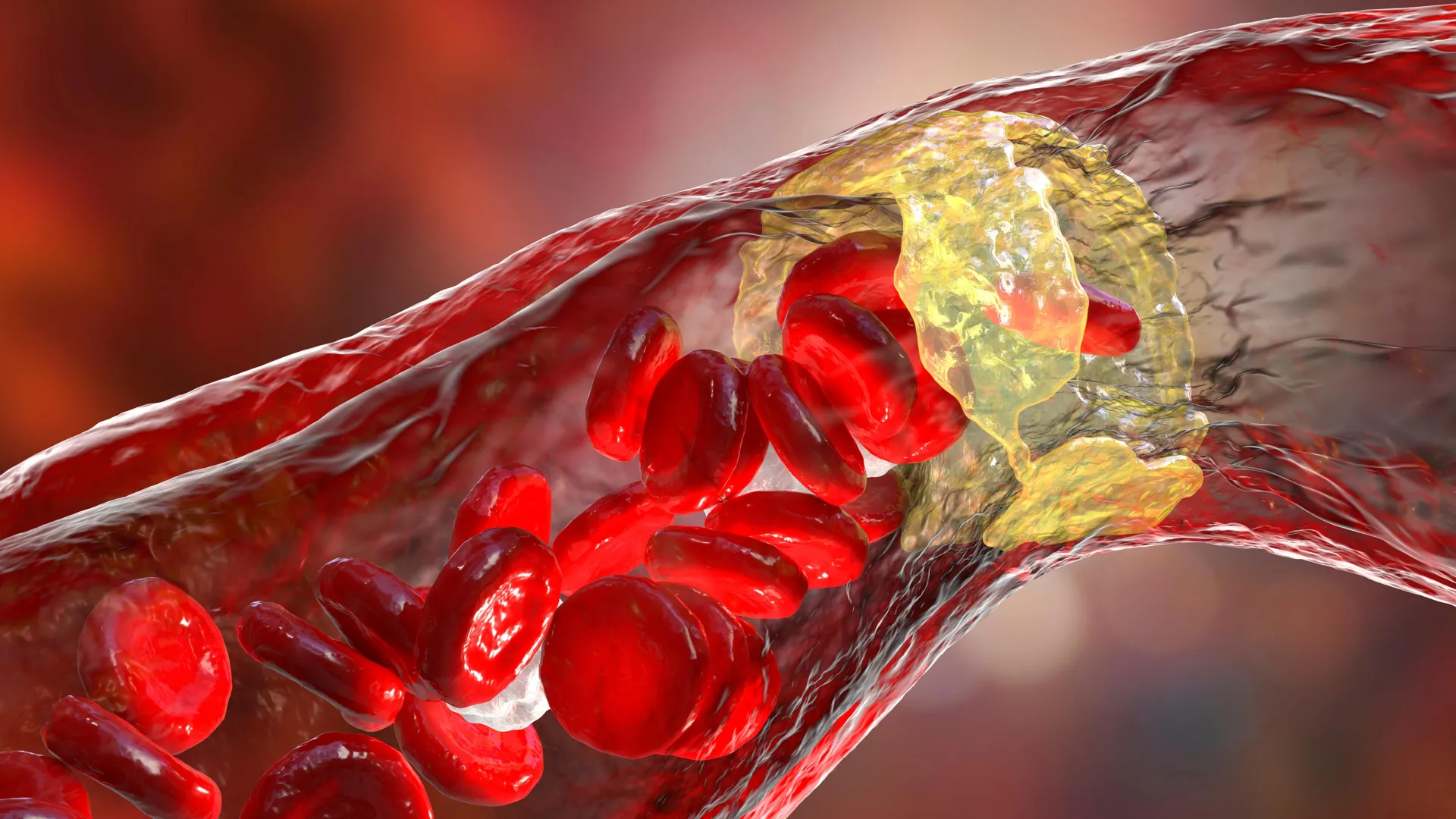
A groundbreaking study led by researchers from Mass General Brigham has revealed that the potent cholesterol-lowering drug evolocumab offers a significant reduction in the risk of a first major cardiovascular event for high-risk individuals living with diabetes, even before they develop diagnosed atherosclerosis. These pivotal findings, which challenge long-standing paradigms in cardiovascular prevention, were unveiled at the prestigious American College of Cardiology’s Annual Scientific Session & Expo and concurrently published in the esteemed journal JAMA. The implications of this research are profound, suggesting a shift towards earlier, more aggressive lipid management strategies in vulnerable populations.
Redefining Cardiovascular Prevention Strategies
For decades, the medical community has predominantly reserved intensive cholesterol-lowering therapies, particularly advanced agents like PCSK9 inhibitors, for patients who have already experienced a cardiovascular event – a strategy known as secondary prevention. This approach aims to prevent recurrence in individuals with established heart disease. However, the new data from Mass General Brigham indicates that this paradigm may be overly conservative, especially for high-risk groups such as those with diabetes.
Dr. Nicholas A. Marston, MD, MPH, a cardiologist with the Mass General Brigham Heart and Vascular Institute and the corresponding author of the study, emphasized the transformative potential of these results. "For over a decade, intensive cholesterol-lowering strategies have been reserved for patients who already have cardiovascular disease," Dr. Marston stated. "These results demonstrate the benefit of intensive lowering cholesterol earlier and should change how we think about the prevention of heart attacks, strokes, and heart disease in patients without known significant atherosclerosis." His remarks underscore a growing recognition within the medical community that proactive, primary prevention in carefully selected high-risk cohorts could dramatically alter disease trajectories.
The Global Burden of Cardiovascular Disease and the Role of LDL-C
Cardiovascular disease (CVD) remains the leading cause of morbidity and mortality worldwide, accounting for an estimated 17.9 million deaths annually, a figure projected to rise. Among the myriad risk factors contributing to CVD, elevated levels of low-density lipoprotein cholesterol (LDL-C), commonly dubbed "bad cholesterol," stand out as a primary and modifiable culprit. LDL-C plays a critical role in the initiation and progression of atherosclerosis, a chronic inflammatory process characterized by the accumulation of fatty plaques within arterial walls. Over time, these plaques can narrow arteries, restrict blood flow, or rupture, leading to life-threatening events such as heart attacks and strokes.
The link between diabetes and CVD is particularly strong and concerning. Diabetes, a metabolic disorder affecting millions globally, significantly accelerates the atherosclerotic process. Individuals with diabetes face a two to four times higher risk of developing CVD compared to those without the condition. This heightened risk is attributed to several factors, including chronic hyperglycemia, insulin resistance, dyslipidemia (abnormal lipid levels), and systemic inflammation, all of which contribute to endothelial dysfunction and accelerated plaque formation. Despite this well-established connection, intensive lipid-lowering treatments in diabetic patients without overt atherosclerosis have historically been limited, typically relying on statins alone.
Evolocumab and the Mechanism of PCSK9 Inhibition
Evolocumab is a cutting-edge medication belonging to a class of drugs known as PCSK9 inhibitors. These drugs represent a significant advancement in lipid management beyond traditional statins. While statins work primarily by inhibiting an enzyme involved in cholesterol production in the liver, PCSK9 inhibitors target a different pathway. They bind to and inactivate proprotein convertase subtilisin/kexin type 9 (PCSK9), a protein that degrades LDL receptors on the surface of liver cells. By blocking PCSK9, evolocumab allows more LDL receptors to remain active, which in turn enhances the liver’s ability to clear LDL-C from the bloodstream. This mechanism enables PCSK9 inhibitors to achieve dramatic reductions in LDL-C levels, often by as much as 60% when used alone or in combination with statins.
Approved by regulatory bodies in 2015, evolocumab and other PCSK9 inhibitors rapidly established themselves as powerful tools for patients with very high LDL-C, familial hypercholesterolemia, or established atherosclerotic cardiovascular disease who required further LDL-C reduction despite maximal tolerated statin therapy. However, their role in primary prevention, particularly for high-risk individuals without diagnosed plaque buildup, has been a subject of ongoing research and debate, largely due to their higher cost compared to generic statins.
The VESALIUS-CV Trial: A Deeper Dive into Subgroup Analysis
The groundbreaking results presented by the Mass General Brigham team emerged from a prespecified subgroup analysis of the much larger VESALIUS-CV randomized trial, a study funded by Amgen Inc., the manufacturer of evolocumab. The main VESALIUS-CV trial aimed to assess the efficacy and safety of evolocumab in a broad population of high-risk patients without a history of myocardial infarction or stroke.
For this specific subgroup analysis, researchers meticulously focused on 3,655 patients who met stringent criteria for high-risk diabetes but crucially had no significant atherosclerosis diagnosed at baseline. The definition of "high-risk diabetes" in this study was comprehensive, encompassing individuals who had been living with the condition for at least 10 years, required daily insulin therapy, or exhibited evidence of diabetes-related small blood vessel damage, such as retinopathy or nephropathy. These criteria ensured the selection of a truly vulnerable population, for whom traditional primary prevention strategies might not be sufficient.
Participants in this particular arm of the study were randomly assigned to one of two groups: one receiving evolocumab injections every two weeks, and the other receiving a placebo. A critical aspect of the study design was that all participants, regardless of their assigned group, continued to receive standard cholesterol treatments throughout the study duration. This included widely prescribed medications such as statins and ezetimibe, an agent that inhibits cholesterol absorption in the intestine. This layered approach allowed researchers to isolate the additional benefit provided by evolocumab beyond current standard of care. The follow-up period for these patients extended for nearly five years, providing robust long-term data on outcomes.
Striking Reductions in Cholesterol and Cardiovascular Events
The study yielded compelling evidence of evolocumab’s efficacy in this high-risk diabetic cohort. Patients treated with evolocumab experienced significantly greater reductions in their cholesterol levels compared to the placebo group. After 48 weeks of treatment, the median LDL-C levels in the evolocumab group plummeted to approximately 52 mg/dL, representing a remarkable 51% reduction from baseline. In stark contrast, the median LDL-C levels in the placebo group remained considerably higher, at 111 mg/dL. This substantial difference in LDL-C reduction underscores the potent lipid-lowering capabilities of evolocumab.
More importantly, these dramatic reductions in "bad cholesterol" translated into tangible clinical benefits. Over the nearly five-year follow-up period, those receiving evolocumab in addition to standard therapy experienced a 31% lower risk of experiencing their first major cardiovascular event. These critical events included death from coronary heart disease, non-fatal heart attack (myocardial infarction), or ischemic stroke. To put this into perspective, at the five-year mark, only 5% of patients in the evolocumab group had experienced such an event, compared with a higher rate of 7.1% in the placebo group. This absolute risk reduction of 2.1 percentage points over five years for a first major cardiovascular event is clinically significant, potentially preventing thousands of adverse outcomes if broadly applied.
Safety Profile and Tolerability
Beyond efficacy, the safety and tolerability of any long-term medication are paramount. The study data indicated that evolocumab was generally well tolerated within this high-risk diabetic population. Serious side effects were reported at similar rates in both the evolocumab and placebo groups, suggesting that the benefits of the drug were not offset by an increased risk of severe adverse events. This favorable safety profile is crucial for widespread adoption and long-term adherence, especially in a population requiring chronic disease management.
Implications for Clinical Practice and Future Guidelines
These findings represent more than just another drug trial; they signal a potential paradigm shift in the primary prevention of cardiovascular disease, particularly for high-risk diabetic patients. The traditional "treat-to-target" approach, often focused on statins, may need to evolve into a more aggressive "prevent-to-target" strategy, incorporating advanced lipid-lowering agents earlier in the disease continuum for select individuals.
The implications for clinical guidelines are substantial. Expert bodies like the American College of Cardiology (ACC), American Heart Association (AHA), and European Society of Cardiology (ESC) regularly update their recommendations based on robust evidence. This study provides compelling data that will likely influence future iterations of these guidelines, potentially leading to recommendations for earlier initiation of PCSK9 inhibitors in high-risk diabetic patients without established atherosclerosis. Such a shift could empower cardiologists and endocrinologists to intervene more proactively, potentially averting initial cardiovascular events that carry immense personal and societal costs.
Economic Considerations and Accessibility
While the clinical benefits of evolocumab are clear, its cost remains a significant factor in broader implementation. PCSK9 inhibitors are considerably more expensive than generic statins, which raises questions about cost-effectiveness, particularly in primary prevention settings where the number needed to treat (NNT) to prevent an event might be higher than in secondary prevention. Healthcare systems and policymakers will need to weigh the upfront cost of these medications against the long-term savings from preventing costly cardiovascular events, hospitalizations, and rehabilitation. Discussions around drug pricing, patient access, and insurance coverage will undoubtedly intensify as these findings move closer to influencing clinical practice.
Future Research Directions
While the current study provides compelling evidence for high-risk diabetic patients, researchers acknowledge that additional studies are needed to determine whether these significant benefits extend to other high-risk groups who do not yet have established atherosclerosis. This could include individuals with severe genetic dyslipidemias, those with multiple other cardiovascular risk factors (e.g., severe hypertension, obesity, smoking history) but without diabetes, or even broader populations identified through advanced risk stratification tools. Such future research will be critical in refining the target population for this intensive preventive strategy and ensuring that the right patients receive the right treatment at the right time.
Authors, Disclosures, and Funding
The extensive research team included numerous contributors from Mass General Brigham. In addition to Dr. Nicholas A. Marston, key contributors included Erin A. Bohula, Jeong-Gun Park, Sabina A. Murphy, Ron Blankstein, Robert P. Giugliano, and Marc S. Sabatine. The multi-institutional and international collaboration also involved other distinguished authors such as Ajay K. Bhatia, Gaetano M. De Ferrari, Lawrence A. Leiter, Jose C. Nicolau, Emileigh Walsh, Lyrica Liu, Subodh Verma, Naveed Sattar, Stephen J. Nicholls, Jose Lopez-Sendon, Ioanna Gouni-Berthold, Lale Tokgozoglu, Marcoli Cyrille, and Gabriel Paiva da Silva Lima.
The study also included important disclosures regarding funding and potential conflicts of interest. Several authors, including Marston, Bohula, Kuder, Park, Murphy, Giugliano, and Sabatine, are members of the TIMI Study Group, which receives grant support through Brigham and Women’s Hospital from Amgen and other pharmaceutical companies. Furthermore, Marston, Bohula, De Ferrari, Nicolau, Gouni-Berthold Tokgozoglu, Giugliano, and Sabatine reported personal fees from Amgen. Bhatia, Walsh, Liu, Cyrille, and Paiva da Silva Lima are employees and stockholders of Amgen, the company that funded the VESALIUS-CV trial. Blankstein reported research support and consulting fees from Amgen Inc., and Giugliano reported honoraria for lectures and CME programs from Amgen. Additional author disclosures were detailed in the published paper. These disclosures are standard practice and ensure transparency regarding potential influences on the research.
In conclusion, the Mass General Brigham study on evolocumab in high-risk diabetic patients without established atherosclerosis marks a pivotal moment in cardiovascular prevention. By demonstrating that earlier, intensive LDL-C lowering can significantly reduce the risk of a first major cardiovascular event, the research opens new avenues for proactive intervention and has the potential to reshape clinical guidelines, ultimately saving lives and reducing the global burden of heart disease.
